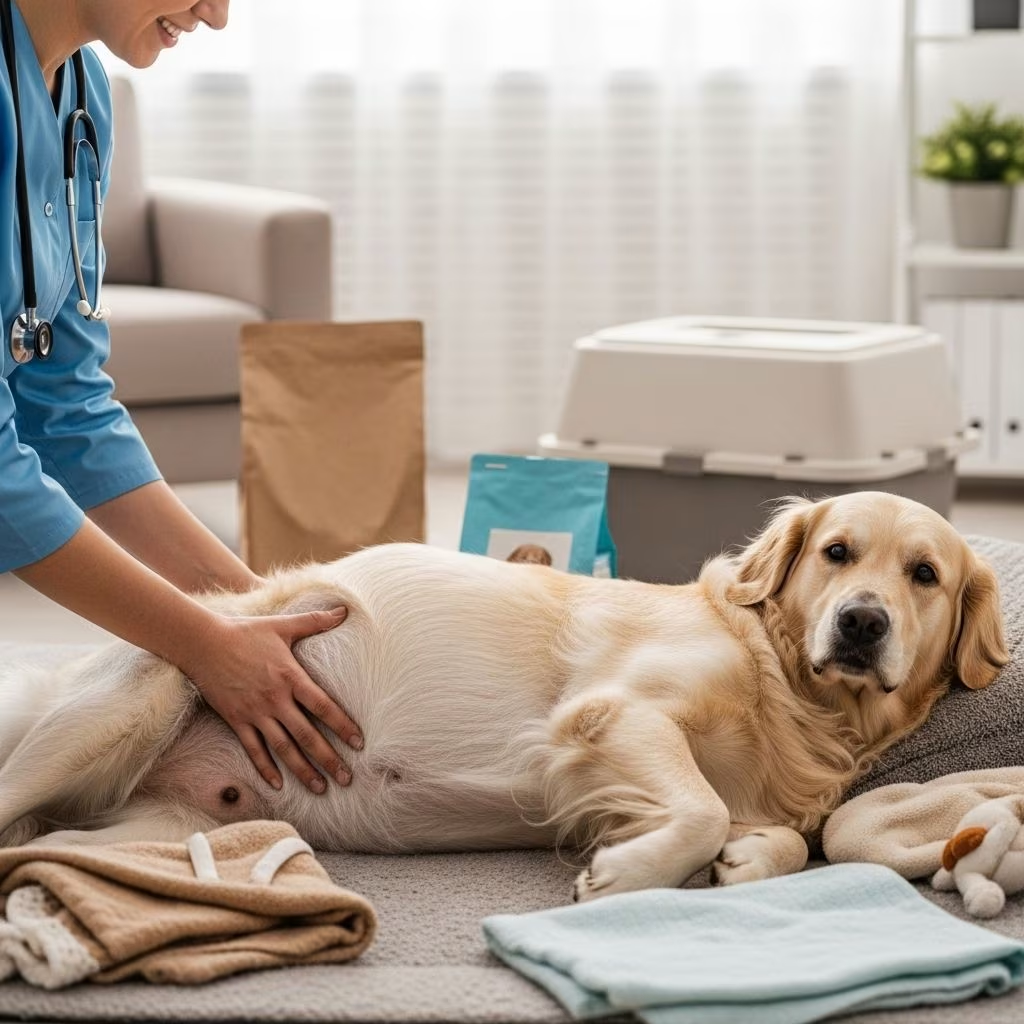
Dog Pregnancy Care: Essential Steps to Prepare for Puppies
Caring for a pregnant dog is both a responsibility and a privilege. Ensuring her health throughout the gestation period not only supports her well-being but also sets the stage for a healthy, thriving litter. This guide presents detailed advice on nutrition, exercise, veterinary visits, and whelping preparation—key components every responsible dog owner and breeder should know.
Understanding Canine Pregnancy
Canine pregnancy, or gestation, typically lasts around 62 to 64 days, or about two months, though exact timing can vary between individual dogs. Reliable knowledge of the reproductive cycle and careful observation are essential for successful breeding and care during pregnancy.
Timeframe of Canine Pregnancy
| Week(s) | What Happens | Owner Reminders |
|---|---|---|
| 1-4 | Egg ovulation and fertilization; embryo implants in uterus by day 18–23. First symptoms like slight behavior changes or ‘pinking up’ of nipples may occur. | Minimal visible changes, avoid strenuous activity for first 2 weeks, monitor for subtle signs. |
| 5-8 | Rapid fetal development; eyelids form by day 32; toes and skeleton visible by day 45; start of visible abdominal enlargement. Around day 58, nesting behavior begins. | Start feeding small, frequent meals; prepare a whelping area; consult vet for x-rays to count puppies. |
Common Early Signs of Pregnancy
- Enlarged, pink nipples (‘pinking up’)
- Increased affection
- Decreased physical activity
- Mild ‘morning sickness’ (most often post implantation)
Later Pregnancy Indicators
- Noticeable abdominal enlargement
- Increased appetite and weight gain
- More frequent urination
- Clear, odorless vaginal discharge
- Visible puppy movement in abdomen
- Nesting behavior as whelping nears
Caring for a Pregnant Dog
Once pregnancy is confirmed, specific care steps will help your dog stay healthy while also supporting puppy development.
Proper Nutrition for Pregnant Dogs
Nutrition is critical, but many owners are surprised to learn that dietary changes are unnecessary during the first two-thirds of pregnancy if their dog is already eating a high-quality diet and is in good condition. Giving more food too early can actually be counterproductive.
- Early Pregnancy: Continue with her usual, balanced maintenance diet.
- Final Third (Last 3 Weeks): Gradually increase total food intake by about 35–50% above normal, delivered in small, frequent meals to minimize discomfort from reduced abdominal space.
- Supplements: Avoid unnecessary supplementation. Some breeders add a small amount of extra protein (like egg or boiled meat), but it should not exceed 10% of dietary intake.
- Omega-3 Fatty Acids: Diets rich in DHA and essential fatty acids are recommended to aid puppy development and maternal milk quality.
Always consult your veterinarian before making dietary changes or adding supplements, as each pregnancy can differ based on the dog’s condition and needs.
Exercise During Pregnancy
Appropriate exercise keeps your dog fit, provides mental stimulation, and prepares her for the challenges of whelping.
- First 2 Weeks Post-Breeding: Some vets recommend limiting strenuous activity to help embryo implantation, but normal, gentle activity is fine for most dogs.
- Mid-Gestation: Maintain regular, moderate exercise, with walks and light play, tailored to your dog’s energy levels.
- Last Trimester: Switch to shorter, more frequent walks. Avoid excessive physical strain, training, rigorous play, or rough contact with other dogs. Monitor for fatigue and allow ample rest time.
Regular Veterinary Visits
Veterinary oversight keeps both dam and puppies safe and helps prevent or address problems early.
- Pre-Breeding Check: Ensure vaccinations are up to date and check for parasites. A fecal exam or routine deworming (fenbendazole starting around day 40) can prevent transfer of roundworms and hookworms to puppies.
- Pregnancy Confirmation: Veterinarians use ultrasound around days 28–30 or abdominal palpation to confirm pregnancy and check puppy viability.
- Monitoring and Planning: Discuss possible complications and create an emergency plan for labor. If your dog is a breed prone to whelping difficulties, a planned cesarean may be necessary. Schedule follow-up visits as needed to monitor the dam’s health and address concerns.
Preparing for Whelping
Preparation for the birth of puppies (whelping) helps reduce maternal stress and increases the chance of healthy outcomes.
Setting Up a Whelping Area
- Clean, Quiet, and Safe: Choose a calm, draft-free area away from household traffic and noise.
- Whelping Box: Use a sturdy box lined with clean, soft bedding (e.g., towels or washable blankets). The sides should be high enough to prevent puppies from escaping but low enough for the dam to enter and exit easily.
- Supplies: Prepare clean towels, disposable gloves, sanitizers, a heating pad (on a low setting and covered), and a digital thermometer. Keep your veterinarian’s contact information handy.
Nesting Behavior and Signs of Approaching Labor
- Nesting: In the final days of pregnancy, the dam may become restless, scratch at bedding, or seek secluded spots. This natural behavior signals her readiness to give birth.
- Other Signs: Drop in rectal temperature (below 100°F/37.8°C), decreased appetite, visible abdominal contractions, and increased panting or shivering may precede labor by 12–24 hours.
Emergency Planning
- Know the signs of dystocia (difficult birth): prolonged labor, more than a two-hour gap between puppies, severe distress, or green/black discharge without puppies is a medical emergency.
- Establish who will assist (family, pet sitter, or neighbors) and confirm your vet’s availability for after-hours emergencies.
Post-Whelping Care
After puppies are born, attentive care is essential to maintain the health of both dam and newborns.
- Sanitation: Keep the whelping area clean and dry. Replace bedding as needed, but avoid disrupting the dam’s comfort.
- Maternity Support: Monitor for complications, such as retained placenta, heavy bleeding, lack of appetite, or signs of infection. Contact your vet if anything appears abnormal.
- Puppy Support: Look for steady weight gain, nursing, and healthy activity among puppies. Puppies should feed frequently—every 2–3 hours initially.
Frequently Asked Questions (FAQs)
How long are dogs pregnant?
The average canine pregnancy lasts about 62–64 days from conception, though small deviations are possible depending on breed and individual dog.
Should I change my pregnant dog’s food?
If your dog is already eating a high-quality, balanced diet and is at healthy weight, no change is needed in the first two-thirds of pregnancy. Gradually increase food in the last third to meet increased energy demand.
What are the key signs of pregnancy in dogs?
Early signs include pinkening and enlargement of nipples, slight increase in appetite, more affectionate behavior, and reduced activity. Later signs are abdominal enlargement, increased weight, pronounced appetite, more frequent urination, and nesting behavior just prior to whelping.
How do I prepare for my dog’s whelping?
Set up a quiet whelping area with clean bedding well before the due date. Gather supplies—towels, gloves, heating pad, thermometer—and keep your vet’s emergency number accessible. Observe for signs of labor as your dog approaches her due date.
What emergencies should I watch for?
If your dog is in hard labor for more than an hour with no puppy produced, if more than 2–3 hours pass between puppies, or if she shows signs of extreme distress, fever, or foul-smelling discharge, contact a veterinarian immediately.
Best Practices for a Responsible Breeder
- Consult your veterinarian before breeding and throughout pregnancy.
- Keep excellent records of breeding dates, signs, veterinary visits, and changes in behavior.
- Plan ahead: arrange for support, supplies, and a quiet birthing environment.
- Remain vigilant for any changes in the dam’s condition, and involve your vet promptly with any concerns.
Summary Table: Dog Pregnancy Care Essentials
| Aspect | Early Pregnancy | Late Pregnancy | Post-Whelping |
|---|---|---|---|
| Veterinary Care | Pre-breeding check, confirm pregnancy | Monitor for complications, emergency plan | Check dam & puppies for health, contact vet if needed |
| Nutrition | Maintain regular high-quality diet | Increase food intake by 35-50%, small frequent meals | Support nursing, reassess nutritional needs |
| Exercise | Normal routine, avoid strenuous activity first 2 weeks | Short, frequent walks, gentle activity | Gradual return to normal as dam recovers |
| Whelping Prep | Observe for signs, prepare supplies | Set up whelping area, monitor nesting, stay alert | Keep area clean, monitor puppies at all times |
Resources
- Consult your veterinarian at every stage of breeding and pregnancy.
- AKC breeder resources and educational materials can provide further in-depth guidance.
Conclusion
Being prepared and informed is the key to supporting your pregnant dog through gestation, birth, and motherhood. With attention to nutrition, exercise, veterinary care, and a calm, clean birthing environment, you maximize your dog’s comfort and set up the next generation of puppies for a healthy start.
References
- https://www.akc.org/expert-advice/dog-breeding/dog-pregnancy-care-prep/
- https://www.akc.org/expert-advice/dog-breeding/breeding-bitch-nutrition/
- https://www.akc.org/expert-advice/dog-breeding/dog-reproductive-cycle/
- https://www.akc.org/expert-advice/dog-breeding/dog-breeding-pregnancy-nutrition-qa-with-experts/
- https://www.akc.org/breeder-programs/breeder-education/akcs-guide-responsible-dog-breeding/
- https://www.akc.org/expert-advice/dog-breeding/whelping-and-caring-for-newborn-puppies/
- https://www.akcpetinsurance.com/blog/8-ways-to-prepare-your-dog-for-a-new-baby
- https://www.orchardroadanimalhospital.com/services/dogs/blog/pregnant-dog-care-tips
- https://vcahospitals.com/know-your-pet/breeding-for-pet-owners-pregnancy-in-dogs
- https://www.akc.org/breeders-page/