Introduction to Siberian Huskies
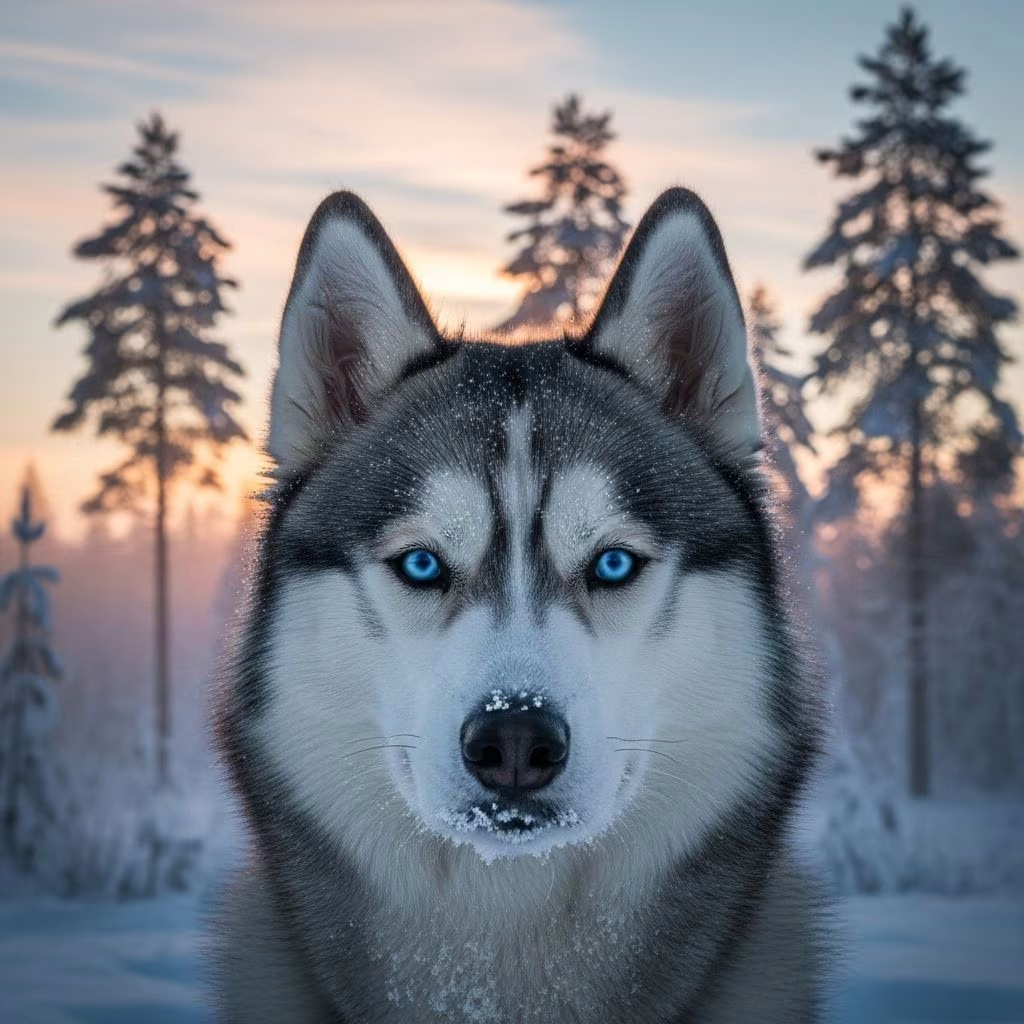
Siberian Huskies are a beloved breed known for their striking appearance, high energy, and friendly demeanor. Developed by the Chukchi people in Siberia, these dogs were bred to withstand harsh Arctic conditions and pull sleds over vast distances. Their distinctive features include a thick coat and unique eye colors, which can range from brown to blue or even a combination of both.
History and Origin
Siberian Huskies have a rich history that dates back thousands of years. Originally used as sled dogs by the Chukchi people, they played a crucial role in hunting and transportation. The breed gained fame in 1925 for their heroic role in delivering lifesaving serum to Nome, Alaska, during a diphtheria epidemic.
Physical Characteristics
Siberian Huskies are medium-sized dogs, typically weighing between 35 and 60 pounds and standing about 20 to 23.5 inches tall at the shoulder. They have a compact body, a thick coat, and a variety of eye colors, including brown, blue, and parti-colored. Their gait is powerful yet seemingly effortless, making them agile and fast.
Eye Colors: Understanding the Genetics
The eye color of Siberian Huskies is determined by genetics, with blue eyes resulting from a lack of melanin in the iris. This lack of melanin allows light to scatter, giving the appearance of blue. Embark’s genetic research has identified specific mutations associated with blue eyes in Siberian Huskies.
Care and Grooming
Siberian Huskies are relatively easy to groom, with a self-cleaning coat that sheds twice a year. Regular brushing is essential to maintain their coat’s health and appearance. Additionally, they require regular exercise and mental stimulation to prevent boredom and destructive behavior.
Training and Socialization
Training a Siberian Husky requires patience and consistency. Early socialization is crucial to develop good behavior and prevent unwanted habits. Due to their high energy levels, they need regular exercise and activities that challenge their intellect.
Health and Longevity
Siberian Huskies are generally a healthy breed with a lifespan of about 12 years. However, they can be prone to certain health issues, such as hip dysplasia and eye problems. Regular health screenings and genetic testing can help identify potential issues early on.
Genetic Testing and Health Screenings
Genetic testing is vital for identifying potential health issues in Siberian Huskies, such as eye problems or coat conditions. Organizations like Embark offer comprehensive DNA tests that can provide insights into a dog’s genetic makeup and health risks.
Frequently Asked Questions
Q: Why do Siberian Huskies have blue eyes?
A: Siberian Huskies have blue eyes due to a genetic mutation that reduces melanin in the iris, allowing light to scatter and give the appearance of blue.
Q: Are Siberian Huskies good family pets?
A: Yes, Siberian Huskies can make great family pets due to their friendly nature. However, they require regular exercise and mental stimulation to prevent boredom.
Q: How often should I groom my Siberian Husky?
A: Siberian Huskies are relatively low-maintenance when it comes to grooming. They should be brushed weekly, and their undercoat should be ‘raked out’ during shedding seasons.
Conclusion
Siberian Huskies are a unique and captivating breed, known for their stunning appearance and friendly personalities. Understanding their genetics, history, and care requirements can help potential owners provide the best possible life for these wonderful companions.