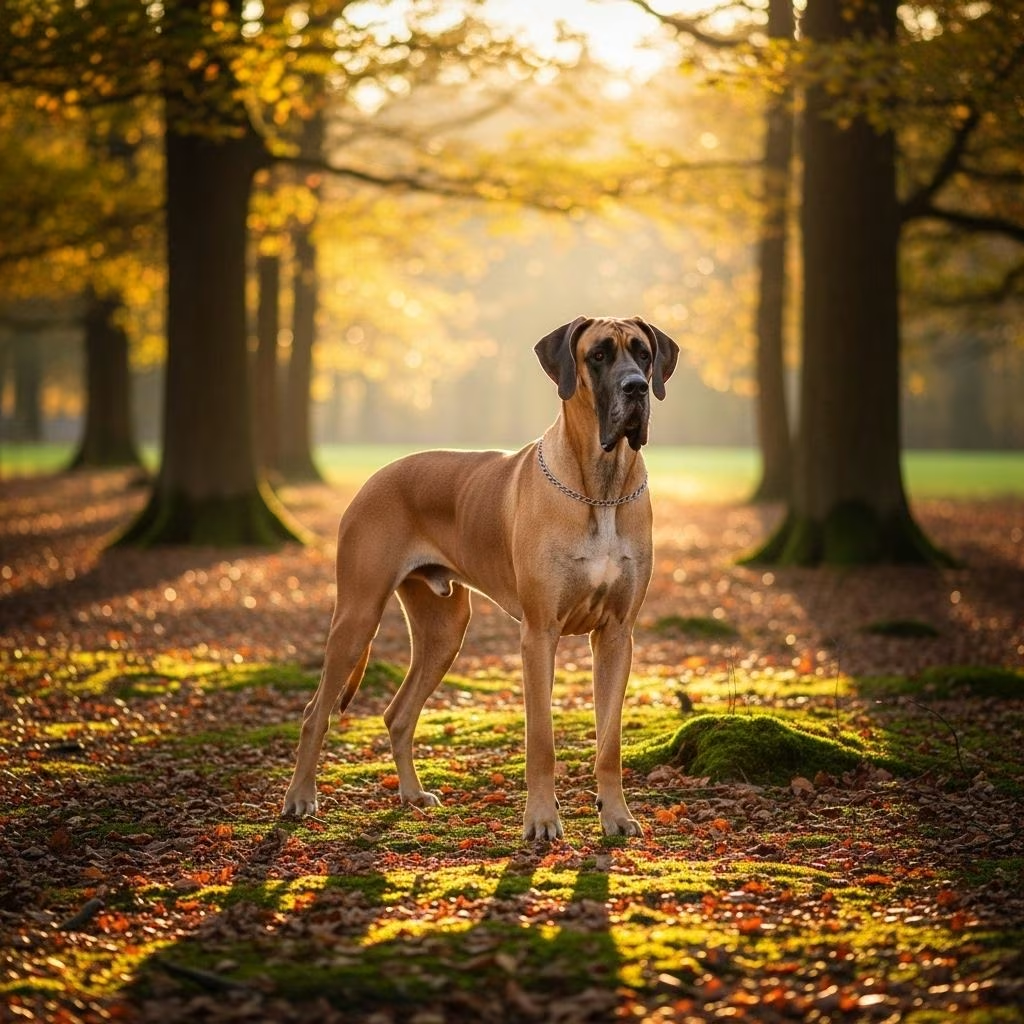
The Great Dane, often called the “Apollo of Dogs,” stands as one of the most iconic and awe-inspiring breeds in the canine universe. Though their imposing size captures attention, Great Danes are renowned for their gentle demeanor and unwavering loyalty. This comprehensive guide explores the Great Dane’s history, personality, care requirements, physical traits, and unique needs—helping you understand what makes this breed both a challenge and a delight to own.
Breed Overview
| Characteristic | Detail |
|---|---|
| Group | Working |
| Origin | Germany |
| Average Lifespan | 6–8 years |
| Height | Males: 30–34 in (76–86 cm), Females: 28–32 in (71–81 cm) |
| Weight | Males: 140–175 lbs (64–80 kg), Females: 110–140 lbs (50–64 kg) |
| Coat | Short, sleek |
| Colors | Fawn, brindle, black, blue, harlequin (black patches on white), mantle, merle |
History and Origins
The Great Dane traces its heritage back to ancient times, with ancestors rooted in both mastiff and sighthound breeds. Developed in Germany, the breed was originally used for hunting large game such as wild boar and deer. The modern Great Dane was refined in the 19th century to exemplify its signature combination of size, elegance, and temperament. Once known as the “German Mastiff” or “Deutsche Dogge,” the breed evolved to become a celebrated companion noted for its strength and noble presence.
- Ancient lineage: Descends from large hunting breeds of the Middle Ages.
- Refinement: German breeders shaped the breed into the regal, gentle giant seen today.
- Purpose: Originally a guardian and boar hound; later prized for companionship and show.
Physical Characteristics
Great Danes are unmistakable in appearance, famed as one of the tallest dog breeds in the world. Their combination of height, muscular build, and elegant features creates a truly striking figure. A well-bred Great Dane possesses grace, athleticism, and a noble bearing that never seems clumsy despite its size.
- Head: Long, rectangular, and narrow with a flat skull and prominent eyebrows.
- Body: Muscular, square-proportioned in males, slightly longer in females.
- Ears: Naturally floppy, though historically cropped to stand erect in some regions.
- Tail: Medium length, thick at the base and tapering to a fine point, carried downward with a slight curve.
- Coat: Short, smooth, and glossy. Light to moderate seasonal shedding.
- Height: Males typically 30–34 inches at the shoulder; females 28–32 inches.
- Weight: Males may reach 140–175 lbs; females 110–140 lbs.
- Colors: Fawn, brindle, black, blue, harlequin, mantle, merle. Harlequin and mantle are especially visually distinctive.
Personality and Temperament
A defining trait of the Great Dane is its gentle, friendly, and affectionate demeanor. Despite their imposing size, these dogs are often nicknamed gentle giants and are known for their sensitivity and deep attachment to their families. Danes are typically eager to please, moderately playful, and reliable guardians who bond strongly with their human companions.
- Mild-mannered and patient: Especially tolerant with children, though supervision is recommended due to their size.
- Loyal and devoted: Form tight bonds, often becoming “velcro dogs” who love close contact.
- Alert but not aggressive: Make vigilant watchdogs, but tend to be slow to bite or bark unnecessarily.
- Social and affectionate: Generally get along well with other dogs and household pets, particularly when socialized early.
- Not highly vocal: Typically quiet unless provoked, though their deep bark can be impressive.
Living With a Great Dane
Owing a Great Dane can be immensely rewarding, but it comes with unique challenges and commitments. Potential owners must be able to accommodate the breed’s size, energy, and emotional needs. Danes thrive in homes that can provide companionship, mental stimulation, and appropriate exercise.
- Space requirements: While Danes can adapt to apartment living with proper exercise, they appreciate ample room to stretch and relax.
- Exercise needs: Moderate. Daily walks plus play sessions help to maintain muscle tone and well-being; however, heavy exercise should be limited during puppyhood to protect growing joints.
- Attention and training: Require significant interaction with people. Early obedience training and clear boundaries are essential, as their large size can easily lead to unruly behavior if untrained.
- Jumping and leaning: Their size means training against jumping up or leaning on people is crucial for safety.
- Mental enrichment: Puzzle toys, obedience games, and varied activities help stave off boredom and anxiety.
- Drooling and shedding: Expect moderate levels of each. Regular grooming keeps shedding manageable.
Caring for a Great Dane
Nutrition
Great Danes require a balanced diet that supports their size and avoid rapid growth as puppies, which can result in orthopedic issues. Owners should invest in high-quality dog food formulated for large or giant breeds, both for puppies and adults.
- Feed multiple small meals daily to avoid bloating—a serious health risk for Danes.
- Avoid vigorous exercise immediately before or after eating.
- Monitor weight closely to prevent obesity, which strains joints.
Grooming
- Brushing: Weekly brushing keeps the coat glossy and reduces loose hair.
- Bathing: Only as needed, using a gentle dog shampoo.
- Nail trimming, ear cleaning, and teeth brushing: Regular maintenance is essential for overall health.
- Drool: Keep towels handy, as Danes are known for heavy drooling, especially after eating or drinking.
Training and Socialization
- Early training: Start as soon as possible to instill good manners, including not jumping or leaning on people.
- Socialization: Introduce to various people, environments, and other animals during puppyhood to ensure a well-adjusted adult.
- Positive reinforcement: Danes respond best to gentle, consistent training with plenty of praise and treats.
- Consistency: Enforce clear boundaries and routines to prevent stubbornness and defiance.
Common Health Issues
Like many giant breeds, Great Danes are predisposed to several health conditions. Responsible breeders screen for common ailments, but prospective owners should be aware of the breed’s shortened lifespan and potential health risks.
- Gastric Dilatation-Volvulus (Bloat): Life-threatening emergency causing the stomach to twist; prompt veterinary care required.
- Hip Dysplasia: Hereditary malformation of the hip joint, leading to arthritis.
- Cardiomyopathy: Heart muscle disease common in giant breeds.
- Osteosarcoma: Aggressive bone cancer found in larger breeds.
- Hypothyroidism: Underactive thyroid impacting metabolism and energy.
- Wobbler Syndrome: Neurological condition affecting the spine in the neck.
- Shortened lifespan: Great Danes generally live 6–8 years, though some can reach a decade with careful breeding and care.
Pros and Cons of Great Dane Ownership
| Pros | Cons |
|---|---|
|
|
Fun Facts About Great Danes
- The world record for tallest dog was held by a Great Dane named Zeus, who stood at an astounding 44 inches at the shoulder.
- Despite their size, some Great Danes exhibit “lapdog” behavior and love cuddling on sofas.
- Danes are featured in pop culture, most notably as Scooby-Doo.
- The breed’s nickname, “Apollo of Dogs,” refers to their noble appearance and stature.
Is the Great Dane Right for You?
The Great Dane is a superb companion for experienced owners who can meet its physical and emotional needs. While their calm disposition makes them suitable for families, they require responsible handling and a stable environment.
- Consider your available space—these dogs need room to stretch out, even if couch time is their favorite activity.
- Are you prepared for the costs associated with feeding, health care, and equipment sized for a giant breed?
- Can you commit to early, consistent training and daily interaction?
- Do you understand the breed’s shorter lifespan and possible medical needs?
Frequently Asked Questions (FAQs)
Q: Are Great Danes good family dogs?
A: Yes, Great Danes are celebrated for their affectionate and tolerant nature, making them excellent companions for children and family life. Their sheer size, however, means all interactions with small children should be supervised.
Q: How long do Great Danes typically live?
A: The average lifespan is between 6 and 8 years, though a few may live slightly longer with high-quality care and regular veterinary checkups.
Q: Do Great Danes require a lot of exercise?
A: They need moderate daily exercise, such as walks and playtime, but not as much as highly active breeds. Vigorous exercise should be limited during their growing years to protect joint health.
Q: Are Great Danes prone to health problems?
A: Like most giant breeds, Great Danes face risks such as gastric dilatation-volvulus (bloat), heart issues, hip dysplasia, and certain cancers. Choosing a responsible breeder and maintaining regular vet visits is essential.
Q: How do you groom a Great Dane?
A: Weekly brushing, regular nail trims, ear cleaning, and dental hygiene are usually sufficient. Their short coats are easy to maintain, but be prepared for occasional drool and moderate shedding.
Key Takeaways
- Great Danes blend imposing appearance with gentle, loving personalities.
- Early training and socialization is non-negotiable due to their size and strength.
- They require dedicated space, proper nutrition, and a guardian who understands the unique needs of giant breeds.
- While their time with you may be shorter than smaller breeds, the joy and loyalty of a Great Dane leave a lasting impression.
References
- https://www.webmd.com/pets/dogs/what-to-know-great-danes
- https://www.pawlicy.com/blog/great-dane-breed-guide/
- https://www.hillspet.com/dog-care/dog-breeds/great-dane
- https://www.dogbreedinfo.com/greatdane.htm
- https://en.wikipedia.org/wiki/Great_Dane
- https://dogtime.com/dog-breeds/great-dane
- https://www.akc.org/dog-breeds/great-dane/