The Irish Wolfhound is one of the world’s most awe-inspiring dog breeds, combining a rich and storied past with remarkable stature, loyalty, and gentle temperament. Known as the ‘gentle giant’ of the canine world, this breed has played roles as hunter, guardian, noble companion, and beloved pet. Whether you’re captivated by their history, considering adoption, or simply a fan of majestic dogs, this guide provides everything you need to know about the Irish Wolfhound—its background, characteristics, personality, care needs, and more.
Breed Overview
- Height: 30-35 inches at the shoulder; males typically taller
- Weight: 105–180 pounds (some may exceed this range)
- Life Expectancy: 6–8 years
- Coat: Rough, wiry; colors include gray, brindle, red, black, white, or fawn
- Group: Hound Breed / Sighthound
- AKC Recognition: First recognized in 1897; categorized under the Hound Group
History of the Irish Wolfhound
Ancient Beginnings
The Irish Wolfhound’s roots trace back centuries, making it one of the most ancient and storied breeds. References to large Irish hounds appear as far ago as 391 AD, when Roman consul Quintus Aurelius Symmachus marveled at them as diplomatic gifts—testament to their remarkable stature and rarity. In ancient Gaelic, they were called cú faoil, revered for their prowess in battle and hunting.
In the early centuries, Irish Wolfhounds were highly prized by nobility across Europe and noted for their strength and courage. Their presence was so valued that they were often gifted in symbolic groups and reserved for royalty, tracing a path through myths and legends that shaped Irish history itself.
Original Purpose and Legendary Exploits
- Hunter of Wolves and Big Game: The breed was developed to hunt wolves, elk, deer, and wild boar, using speed and power to overtake even the largest quarry. Their hunting capacity contributed to the extinction of Ireland’s native wolves.
- Guardian: These dogs protected livestock and homesteads, serving as both working companions and formidable deterrents to intruders and predators.
- Status Symbol: Throughout history, Irish chieftains and European royalty considered them prestigious gifts, coveting their loyal companionship and imposing presence.
So exceptional were their hunting skills, Irish Wolfhounds were even part of laws restricting ownership to nobility. Stories abound, from dogs named in ancient war tales to receiving extravagant bids from kings for famous hounds like Ailbé.
The Breed’s Decline and Revival
By the 18th and 19th centuries, with their main prey (the Irish wolf and elk) gone, the breed nearly vanished. Their numbers dwindled dangerously low, prompting a revival effort in the late 1800s spearheaded by Captain George Augustus Graham. By crossing the remaining Irish Wolfhounds with Scottish Deerhounds, Great Danes, Borzois, and Mastiffs, Graham re-established the breed’s standards. His work ensured the survival of the Irish Wolfhound, preserving its size, character, and dignified presence for future generations.
Appearance and Physical Characteristics
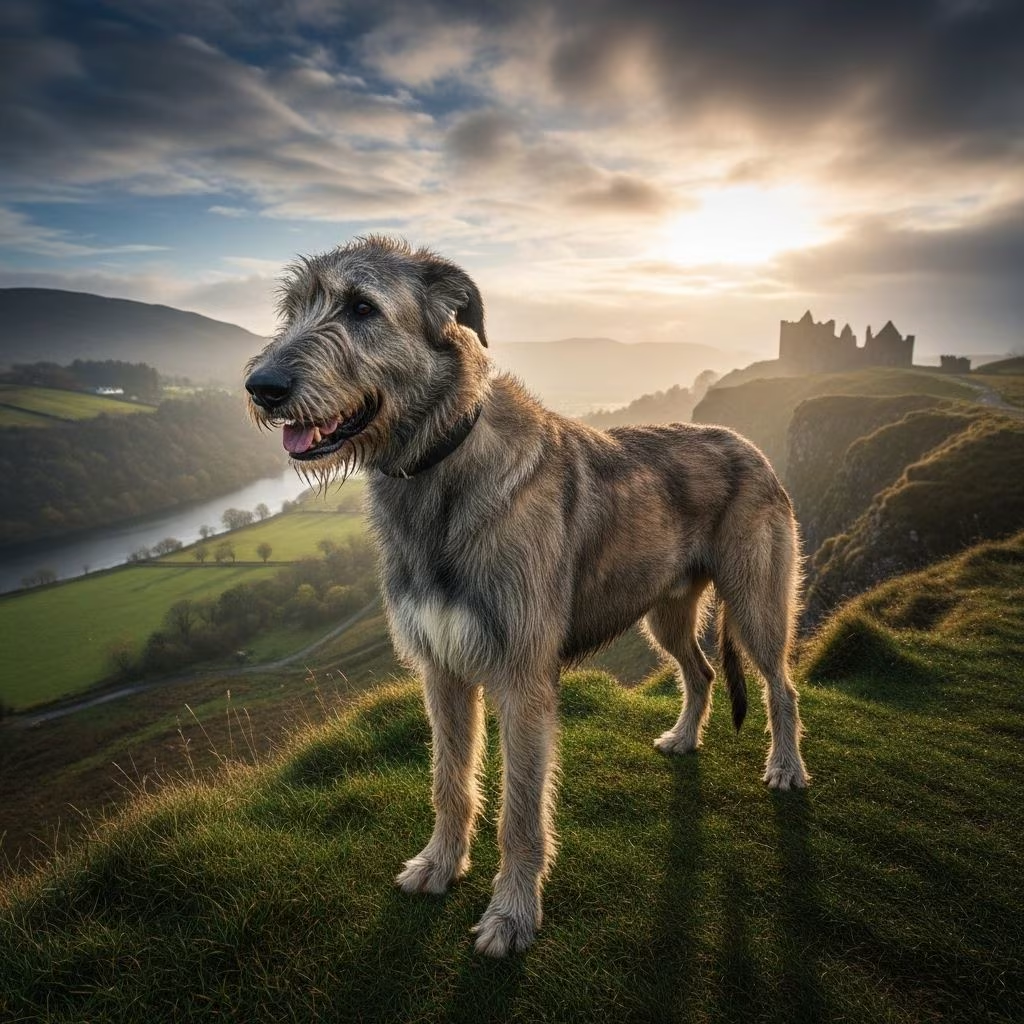
- Size and Proportion: The Irish Wolfhound is the tallest of all dog breeds, with some individuals reaching up to 35 inches at the shoulder. Despite their size, they are elegant and graceful with long, muscular bodies, deep chests, and strong, arched necks.
- Coat and Color: Their rough, wiry coat protects against harsh weather and terrain. Accepted coat colors include gray, brindle, red, black, white, or fawn, often with lighter markings.
- Eyes and Expression: Soft, dark eyes convey a gentle, intelligent expression unique to the breed.
| Trait | Description |
|---|---|
| Height | 30-35 inches (males); slightly less for females |
| Weight | 105-180+ pounds |
| Coat Type | Rough, wiry, medium length |
| Colors | Gray, brindle, red, black, white, fawn |
Personality and Temperament
Despite their imposing appearance, Irish Wolfhounds are renowned for their gentle, affectionate, and even-tempered nature. They are sensitive to their families, deeply loyal, and tend to form strong bonds with those they trust.
- Kind and Trusting: Excellent family dogs, typically very calm and patient with children. Their gentle nature makes them poor guard dogs; while imposing, they are rarely aggressive.
- Intelligent and Independent: As sighthounds bred for solo pursuits, they possess independent thinking. Early, consistent training is recommended, focusing on positive reinforcement due to their sensitivity.
- Quiet and Introverted: Generally not barkers and often quietly observant.
- Socialization: They get along well with other dogs and often with other household pets when introduced properly, thanks to their non-confrontational demeanor.
Living with an Irish Wolfhound
Exercise Needs
- Moderate exercise requirements; enjoy daily walks and room to stretch out. Off-leash running should only be done in secure, enclosed areas.
- Not well-suited for vigorous repetitive activities like agility or long-distance running due to their build, but they benefit from games and safe free-running.
Space and Housing
- Best suited to homes with space—large yards are ideal, but they can adapt to smaller homes with adequate daily exercise.
- Despite their size, many Irish Wolfhounds are calm indoors and can coexist happily with families, provided they are included in daily activities.
Grooming Guide
- Coat Care: Their rough coat requires weekly brushing to remove dead hair and prevent matting.
- Bathing: Needs bathing only every few months or as needed—overbathing can strip skin oils.
- Nail, Ear, and Dental Care: Regular trimming of nails, cleaning ears, and dental hygiene are essential. Large breeds are prone to dental problems if teeth are neglected.
Health and Lifespan
As with many giant breeds, Irish Wolfhounds have a shorter lifespan, generally averaging 6 to 8 years. Responsible breeders screen for health issues to promote longer, healthier lives.
Common Health Concerns
- Heart Disease (notably dilated cardiomyopathy)
- Bloat (Gastric Dilatation-Volvulus): Sudden stomach expansion can be fatal; know the warning signs and discuss preventative surgery with your vet.
- Bone Cancer (osteosarcoma)
- Hip and Elbow Dysplasia
- Liver Shunt (portosystemic shunt)
Regular veterinary checkups, a nutritious diet, and maintaining a healthy weight are vital for proactive health management. Monitoring your dog for changes in appetite, lethargy, or unexplained pain is especially important in these large breeds.
Feeding and Nutrition
- Food Quantity: Due to size and rapid growth as puppies, they require carefully balanced nutrition. Overfeeding and improper nutrition can lead to bone and joint problems.
- Diet Type: High-quality dog foods recommended for giant breeds, with close attention to calcium, phosphorus, and protein contents for developing puppies.
- Meal Frequency: Multiple smaller meals per day rather than one large meal help prevent bloat.
Training and Socialization
- Training Approach: Early and consistent training using positive reinforcement yields the best results. Irish Wolfhounds are intelligent but may exhibit independent streaks.
- Socialization: Exposure to a wide range of people, places, and situations as puppies is crucial to fostering their steady temperament and minimizing nervousness or shyness.
- Leash Training: Critical for safety in public due to their size and potential prey drive.
Is an Irish Wolfhound Right for You?
Welcoming an Irish Wolfhound into your home is a rewarding experience, but prospective owners must consider several factors:
- Space and Lifestyle: Are you prepared for a giant breed’s needs in your home and car?
- Financial Commitment: Food, veterinary care, bedding, and other supplies are naturally more costly for a giant breed.
- Time and Commitment: Consistent attention, regular exercise, and social interaction are important for their well-being.
- Gentle Giants: Their sweet personalities and loyal nature make them exceptional companions for experienced families ready to meet the needs of one of the world’s great dog breeds.
Frequently Asked Questions (FAQs)
Q: Are Irish Wolfhounds good family dogs?
A: Yes. Irish Wolfhounds are famed for their gentle, kind temperament and make excellent companions for families with respectful children and other pets. Supervision is always recommended due to their size, especially with younger kids.
Q: How much space does an Irish Wolfhound need?
A: While calm indoors, they benefit from a home with a large, securely fenced yard. Apartment living is possible with significant commitment to daily exercise, but ample space is ideal.
Q: Do Irish Wolfhounds require a lot of grooming?
A: Their rough coat is relatively low-maintenance compared to some breeds; weekly brushing and occasional bathing suffice. Ears, teeth, and nails require regular checks and care.
Q: What health issues are common in this breed?
A: Irish Wolfhounds are susceptible to heart disease, bloat, bone cancer, and joint issues. Purchasing from responsible breeders and maintaining routine vet care can help manage risks.
Q: How much exercise do they need?
A: Moderate daily exercise is sufficient. They enjoy walks and occasional runs but are not hyperactive and should avoid repetitive strenuous activity due to joint concerns.
Irish Wolfhound Fun Facts
- The Irish Wolfhound is the tallest dog breed in the world, often surpassing even the Great Dane in height, though usually slimmer in build.
- The breed’s motto, reflecting its spirit, is: “Gentle when stroked, fierce when provoked.”
- Irish Wolfhounds have served as mascots of the Irish Guards Regiment of the British Army since 1902, symbolizing loyalty and strength.
- Ancient paintings and writings testify to their esteemed position in history as companions to warriors and kings.
The Irish Wolfhound stands as a living monument to Ireland’s history—a breed that combines noble bearing, quiet strength, and heartfelt devotion. Truly, these gentle giants are more than just dogs; they are legends come alive, ready to enrich the lives of those who love and cherish them.
References
- https://a-z-animals.com/blog/what-were-irish-wolfhounds-bred-for-original-role-jobs-history-and-more/
- https://www.thefarmersdog.com/digest/the-irish-wolfhound-breed-guide-history-personality-grooming-training-health-and-feeding/
- https://www.akc.org/expert-advice/dog-breeds/irish-wolfhound-history-behind-the-breed/
- https://www.iwclubofamerica.org/early-history-starbuck
- https://info.celtictitles.com/blog/irish-wolfhound/
- https://www.westoverwolfhounds.com/articles/irish-wolfhound-history
- https://www.horseandhound.co.uk/dogs/irish-wolfhound-dog-breed-848809