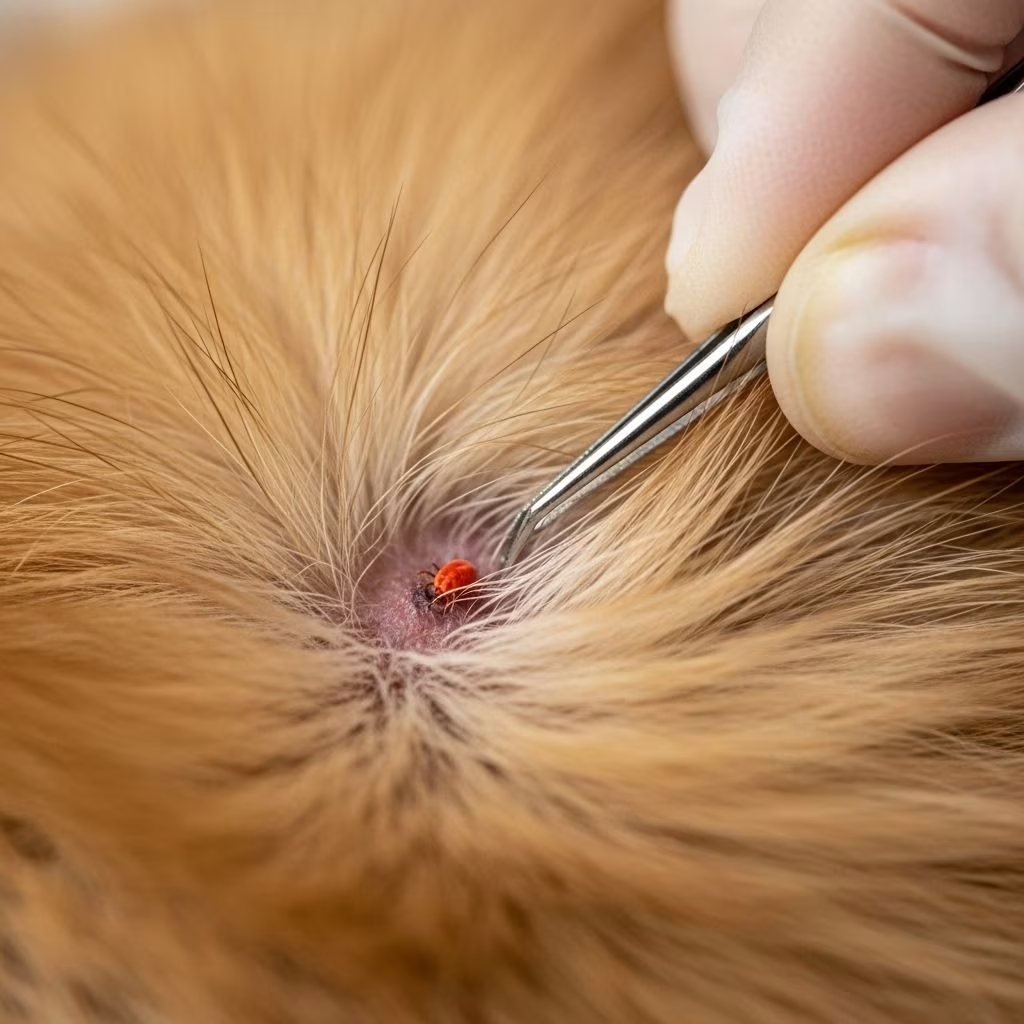
How to Get Rid of Chiggers on Dogs
Chiggers—tiny, parasitic mites—can cause intense irritation for dogs and distress for their owners. While these pests are not uncommon, knowing how to identify, treat, and prevent chigger infestations is crucial to your dog’s comfort and health. This article offers a comprehensive look at the lifecycle of chiggers, how they affect dogs, detailed treatment options, and practical prevention strategies to keep these troublesome mites at bay.
Understanding Chiggers
What Are Chiggers?
Chiggers are the larval stage of a type of mite (family Trombiculidae). These microscopic pests typically inhabit grassy or wooded areas and are especially prevalent in warm, humid climates during late summer and early fall. While adult chiggers feed on decaying matter, the larvae latch onto animals—including dogs—and feed on skin cells, causing considerable irritation.
Where Do Chiggers Come From?
Chiggers reside in:
- Tall grass
- Dense brush
- Wooded areas
- Mossy or marshy ground
Their greatest activity typically coincides with warmer, humid months, making summer and early fall the highest risk times for infestations. Dogs exposed to these areas—especially during walks, hikes, or playtime—are at heightened risk.
How Chiggers Affect Dogs
How Do Chiggers Get on Dogs?
Chigger larvae wait on grass blades or brush tips for passing hosts. When a dog brushes against contaminated vegetation, the larvae transfer onto the dog’s skin. They tend to target areas with less hair for easier feeding.
While the presence of fur offers some protection, exposed or thinly haired regions are most vulnerable, such as the belly, inside of legs, ears, face, and between toes.
Risks to Dogs
Chiggers themselves do not remain long-term parasites; however, their bites can cause extreme discomfort. Secondary risks include:
- Persistent itching and self-inflicted skin trauma from scratching or biting
- Development of scabs, crusty bumps, or lesions
- Patches of hair loss
- Secondary skin infections from persistent scratching
Identifying Chigger Bites on Dogs
Common Signs and Symptoms
Early recognition of chigger bites is critical for effective treatment and minimizing discomfort. Look out for the following symptoms, especially after your dog has spent time in high-risk outdoor environments:
- Intense itching – Excessive scratching or gnawing at affected areas
- Small, red or orange raised bumps – May appear in clusters
- Redness and local inflammation
- Visible clusters of tiny red dots
- Hair loss – Localized, usually associated with vigorous scratching
- Focus on certain locations:
- Belly
- Ear margins and inside ears
- Between toes, around paws
- Face, especially around eyes and mouth
- Soreness or sensitivity to touch in certain areas
Visual Indicators
Because chiggers are extremely small, you may not see the mites themselves. Instead, you’re more likely to notice intense irritation and the resulting skin changes, such as clusters of raised, intensely red or orange bumps or scabbing areas from persistent scratching.
How to Get Rid of Chiggers on Dogs
Immediate At-Home Actions
- Bath your dog promptly. Use warm water and a gentle, pet-safe shampoo to help remove any lingering chiggers from your dog’s coat and skin. Take extra care to thoroughly clean thinly haired and sensitive areas.
- Wipe down sensitive regions. For the ears, face, or between toes, use a damp, soft cloth or a vet-recommended skin wipe to gently remove mites and reduce residue.
- Apply cool compresses. This can relieve itching and minimize swelling on affected skin areas.
- Keep areas clean and dry. Pat dry after bathing, especially in the crevices where chiggers hide.
Relief of Itching and Inflammation
- Topical anti-itch products. Consult your veterinarian about safe options such as hydrocortisone or calamine lotion. Over-the-counter pet itch sprays or lotions can sometimes help but should only be used if labeled for dogs.
- Oatmeal baths. Adding ground oatmeal to your dog’s bath can help soothe and reduce skin irritation, thanks to oatmeal’s natural anti-inflammatory properties.
- Monitor for secondary infection. If your dog’s scratching leads to open sores, redness, pus, or foul odors, a trip to the vet is essential for antibiotics or advanced treatment.
Professional Veterinary Treatments
For severe, persistent, or widespread chigger infestations, consult a veterinarian immediately. Advanced care may include:
- Prescription antiparasitic medications. Topical or systemic therapies containing pyrethrin, permethrin, or other acaricides.
- Anti-inflammatory treatments. Your vet may prescribe steroids (such as prednisone) or prescription anti-itch medications for serious inflammation.
- Prescription medicated baths or dips.
- Antibiotics. Required if there is evidence of a secondary bacterial infection from intense scratching.
Safe and Unsafe At-Home Remedies
Some home remedies cited for itching (like oatmeal soaks) can be soothing, but always consult your veterinarian before trying alternative treatments. Not all human products are safe for dogs, and misuse may worsen symptoms.
| Remedy | Potential Benefits | Considerations |
|---|---|---|
| Oatmeal baths | Reduces itching and inflammation | Generally safe, but rinse off well |
| Cool compresses | Soothes swelling and discomfort | No major risks if clean cloth is used |
| Calamine/hydrocortisone lotion | Reduces itching | Use only if recommended by a vet for dogs |
| Essential oils | May repel pests | Some are toxic to dogs—use only products labeled safe for pets |
Preventing Chigger Infestations in Dogs
Environmental Prevention
- Your yard:
- Keep grass short and tidy
- Remove weeds, brush, and leaf piles, which can harbor mites
- Clear away any mossy or marshy ground if possible
- Avoid untreated areas: Prevent your dog from frequenting tall grass, dense brush, or known chigger hotspots (especially during peak seasons).
- Pest control treatments: In severe infestations, lawn treatments with ingredients like bifenthrin, cyfluthrin, or permethrin can reduce chigger numbers. Pets should NOT be in treated areas until sprays have dried, and use only pet-safe formulations recommended by professionals.
Behavioral Prevention
- Protective clothing: For walks in high-risk areas, consider using protective gear such as dog boots or shirts. For owners, long pants and sleeves reduce human exposure and prevent chiggers from hitching a ride home.
- Post-outdoor grooming: Brush your dog thoroughly and check especially vulnerable locations (belly, between toes, ears) after walks.
- Prompt bathing: Bathe your dog after outings in tall grass or woods to remove potential chiggers before they bite.
- Use preventative medications: Ask your veterinarian about flea/tick/acaricide products that also repel or kill chiggers—many products labeled for tick prevention are effective against chiggers as well.
Natural Repellents
Certain essential oils, such as citronella, tea tree, jojoba, eucalyptus, geranium, and lemongrass, are cited as chigger repellents. Only use products labeled safe for pets and consult your vet, as some essential oils can be toxic if ingested or absorbed through the skin.
When to Call Your Veterinarian
Most chigger infestations clear up with proper bathing and over-the-counter relief, but you should seek your veterinarian’s advice if:
- Symptoms are not improving within a few days
- Scratching leads to open wounds, infection, or extensive hair loss
- You observe signs of pain, lethargy, loss of appetite, or severe distress
- Your dog has a known allergy or previous adverse reaction to bites
Veterinary care is essential for persistent, severe infestations, or complications such as secondary infections or sudden allergic reactions.
Frequently Asked Questions (FAQs)
What are chiggers, and can they harm dogs?
Chiggers are microscopic mite larvae that feed on skin cells. While they cause significant itching and irritation in dogs, they don’t live on dogs long-term and are not usually life-threatening.
How do I know if my dog has chiggers or another skin parasite?
Chigger bites often present as clusters of red or orange bumps, typically on the belly, paws, ears, or face after outdoor exposure. Fleas and ticks are larger and more easily visible. If in doubt, consult your veterinarian for an accurate diagnosis.
Can chiggers spread from my dog to me?
Chiggers do not jump from dogs to people. People and pets get chiggers the same way—by walking through infested vegetation.
How long do symptoms last, and how quickly do chiggers leave the dog?
The itching from chigger bites can last up to a week even after the mites are gone. With proper treatment, most infestations clear up quickly, though healing of irritated skin may take longer.
Are over-the-counter chigger sprays safe for dogs?
Use only those sprays or repellents labeled as safe for pets. Many lawn or insect sprays are toxic to dogs. Always consult your veterinarian before applying any new product to your dog’s skin.
Can I use human treatments like DEET on my dog?
Never use DEET or other human-only insect repellents on dogs; these chemicals can be toxic to pets. Choose veterinarian-approved products designed specifically for canine use instead.
Do natural repellents work for dogs?
Some studies suggest that essential oils such as citronella or geranium may help repel chiggers. Use caution, as not all oils are safe for dogs, and always consult your vet first.
Summary: Key Steps to Protect Your Dog from Chiggers
- Bathe your dog after outdoor exposure in high-risk environments.
- Monitor for symptoms—itching, red bumps, hair loss, or skin irritation.
- Apply veterinarian-recommended anti-itch products or oatmeal soaks for relief.
- Keep yard tidy and avoid dense brush or tall grass.
- Use preventive medications and protective measures as advised by your vet.
- Contact your veterinarian for severe, persistent, or complicated cases.
References
- https://www.petscare.com/en-au/news/post/chiggers-on-dogs-prevention-treatment
- https://www.webmd.com/skin-problems-and-treatments/prevent-treat-chigger-bites
- https://www.petmd.com/dog/general-health/chiggers-dogs-what-you-need-know
- https://funnyfuzzy.com/blogs/pet-encyclopedia/how-modern-chiggers-on-dogs-treatment-dogs
- https://www.petcarerx.com/article/how-to-treat-your-dog-for-chigger-bites/4667
- https://wagwalking.com/condition/trombiculiasis-chiggers
- https://www.feltonveterinaryhospital.com/blog/chigger-season-is-here-what-you-need-to-know/
- https://firstvet.com/us/articles/symptoms-and-prevention-of-chiggers-in-dogs