How to Safely Take Your Cat’s Temperature: A Complete Guide
Cats are masters at hiding illness, which makes monitoring their health at home both challenging and essential. Among the most important signs of sickness is an abnormal body temperature. Whether you’re a concerned cat owner or an aspiring veterinary professional, understanding how and when to take your cat’s temperature is crucial for early identification of fever and prompt intervention.
Why Take Your Cat’s Temperature?
Body temperature is a key indicator of health in cats. Fever or hypothermia can signal a range of underlying conditions, from infection and inflammation to exposure to toxins or environmental stress. Catching a temperature abnormality early may help prevent more serious illness and guide timely veterinary care.
- Fever (pyrexia) can indicate infections, immune disorders, or certain cancers.
- Low body temperature may signal shock, hypothermia, or weakness, especially in kittens.
- Monitoring temperature at home provides useful information for vets and can save lives in emergencies.
Normal Cat Temperature Range
The generally accepted normal temperature for healthy adult cats falls within:
| Age Group | Normal Temperature (°F) | Normal Temperature (°C) |
|---|---|---|
| Adult Cat | 100.5 – 102.5 °F | 38.1 – 39.2 °C |
| Kitten (0–4 weeks) | 94 – 99 °F | 34.4 – 37.2 °C |
| Kitten (5+ weeks) | 99 – 102.5 °F | 37.2 – 39.2 °C |
- Temperatures above 102.5 °F (39.2 °C) are considered fever.
- Temperatures below 100 °F (37.8 °C) can indicate hypothermia, especially dangerous for kittens.
When Should You Take Your Cat’s Temperature?
Take your cat’s temperature if you notice any sudden behavioral or physical changes, including:
- Lethargy or weakness
- Loss of appetite
- Rapid breathing or panting
- Shivering
- Hiding or withdrawal
- Vomiting or diarrhea
- Signs of infection (discharge, open wounds, etc.)
Equipment You’ll Need
- Rectal thermometer (digital, flexible-tip models are best for comfort and safety)
- Lubricant (water-based, such as veterinary gel or petroleum jelly)
- Soft cloth or towel
- A second person (helpful for gently restraining your cat)
- Disinfectant (for cleaning the thermometer after use)
Types of Thermometers
- Digital rectal thermometers: Fast, accurate, and commonly used in veterinary clinics. Flexible tips minimize injury risk.
- Glass mercury thermometers: Still found in some homes, but discouraged due to safety concerns (mercury exposure, breakage).
- Ear (tympanic) thermometers: Sometimes used, but less accurate in cats due to narrow ear canals.
- Microchip thermometers: Implanted chips can monitor temperature, but not all cats have these and readings may lag behind real-time changes.
Step-by-Step: How to Take Your Cat’s Rectal Temperature
- Prepare your materials: Have the thermometer, lubricant, and disinfectant ready.
- Restrain your cat gently: Wrap in a towel, leaving only the rear exposed. If possible, ask someone to hold the front paws and head.
- Clean and lubricate the thermometer: Disinfect the tip, then apply a thin layer of lubricant.
- Lift the tail: Hold the tail gently upward and steady.
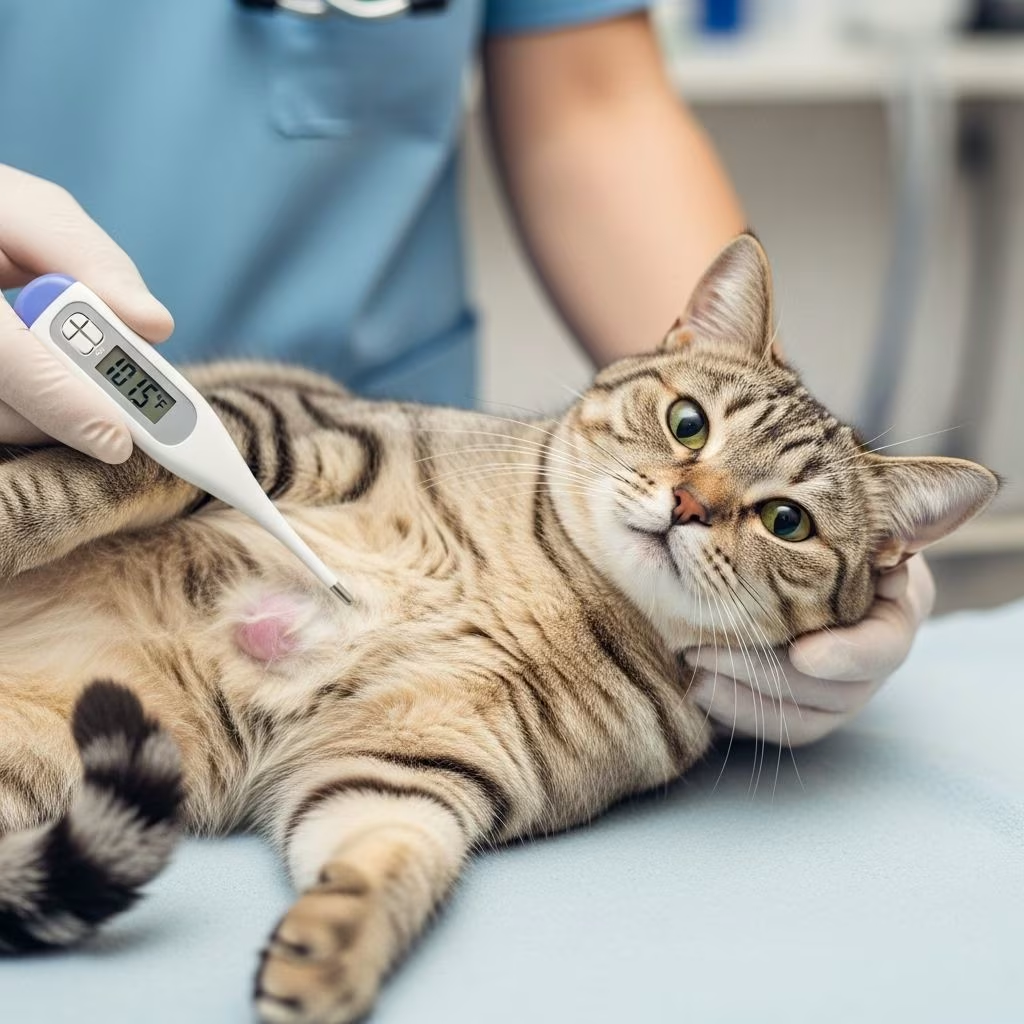
- Insert the thermometer: Carefully insert the lubricated tip about 1 inch into the rectum. Never force—stop if you feel resistance.
- Wait for the beep: Digital models usually take 10–30 seconds. Hold the thermometer firmly in place.
- Remove and read: Remove the thermometer, wipe it clean, and check the display.
- Disinfect: Clean the thermometer thoroughly before storing.
With patience and gentle handling, most cats can tolerate a brief temperature reading. If your cat is very fearful or aggressive, consider contacting your veterinarian instead.
Safety Tips for Handling Your Cat
- Speak calmly and reassuringly throughout the process.
- Minimize restraint to avoid stress, but keep cat steady.
- Never use force—stop if cat struggles or becomes distressed.
- Treat your cat with praise or a small treat afterward.
Interpreting the Results
After taking your cat’s temperature, compare the reading to the normal values stated earlier. Distinguish between mild, moderate, and severe temperature deviations.
| Status | Temperature °F | What It Means |
|---|---|---|
| Normal | 100.5–102.5 | Healthy adult cat |
| Mild Fever | 102.6–104.0 | Possible infection, monitor for other signs |
| High Fever | 104.1–106.0 | Serious risk, call vet for advice |
| Hyperthermia | 106.1+ | Emergency—seek veterinary care immediately |
| Mild Hypothermia | 99–100 | Risk for kittens, sick, or elderly cats |
| Severe Hypothermia | <99 | Emergency—seek veterinary care immediately |
What Causes Abnormal Cat Temperature?
- Fevers most often result from:
- Bacterial or viral infections
- Parasites
- Inflammatory diseases
- Tumors or cancer
- Heatstroke (less common, but possible)
- Low temperatures typically result from:
- Prolonged exposure to cold (hypothermia)
- Shock from injury or illness
- Serious metabolic disorders
- Very young or frail cats unable to regulate temperature
What To Do If Your Cat Has a Fever or Low Temperature
- Contact your veterinarian promptly for high fever, persistent abnormal temperature, or any suspicious symptoms.
- Never give human fever reducers (aspirin, acetaminophen) to cats—they can be toxic.
- Keep your cat warm (for low temp) or cool (for high temp), as recommended, while awaiting veterinary advice.
- Monitor for dehydration: gently pinch the skin between shoulder blades—if it stays tented, get veterinary help.
- Record your cat’s symptoms and temperature readings to help your veterinarian make decisions.
When Is It an Emergency?
If your cat’s temperature reads above 104 °F or below 99 °F, or if accompanied by rapid breathing, pale gums, collapse, or seizures, treat it as an emergency and seek veterinary help immediately.
Common Symptoms Associated With Fever in Cats
- Lethargy
- Loss of appetite
- Shivering or panting
- Red or pale gums
- Hiding behavior
- Unusual vocalizations
- Vomiting or diarrhea
- Rapid pulse or breathing
Can You Use Forehead or Ear Thermometers?
While forehead and tympanic thermometers are commonly used in humans and dogs, cats’ anatomy makes these methods unreliable for accurate measurement. Rectal thermometers remain the gold standard for feline temperature readings.
How Often Should You Monitor Your Cat’s Temperature?
- Check if your cat has symptoms of illness, especially if recommended by your veterinarian.
- Daily or twice daily monitoring may be necessary for sick or very young kittens.
- As part of a regular health routine, focus more on behavior, appetite, and activity unless advised otherwise by a vet.
Tips to Make Cat Temperature-Taking Easier
- Pick a quiet, well-lit room away from distractions.
- Reward your cat after each session with treats and praise.
- Keep sessions short and positive; avoid forcing a fearful cat.
- Familiarize your cat gradually with the thermometer before actual use.
- Practice safe restraint with a towel or blanket for comfort and protection.
Preventive Care and Monitoring Your Cat’s Health
Incorporating regular health checks—including occasional temperature monitoring—can help you catch problems early and enhance your cat’s quality of life.
- Annual veterinary checkups include temperature readings to detect underlying health issues.
- Track changes in weight, appetite, behavior, and energy for comprehensive health monitoring.
- Work with your veterinarian to form a preventive care plan tailored to your cat’s age and lifestyle.
- Spaying/neutering, vaccinations, microchipping, and parasite prevention are critical elements of lifelong health.
Frequently Asked Questions (FAQs)
Q: How do I know if my cat has a fever without a thermometer?
A: Common signs include lethargy, warm ears or paws, shivering, and loss of appetite. However, only a proper temperature reading confirms fever.
Q: Can I use a human thermometer on my cat?
A: Digital human rectal thermometers can be used safely, but never use oral thermometers because cats cannot hold them still and readings will be inaccurate.
Q: What should I do if my kitten’s temperature is too low?
A: Warm your kitten gradually using safe heating pads or blankets (not direct hot water bottles). If temperature remains below 99 °F, contact a veterinarian—extreme hypothermia can be fatal in kittens.
Q: What if my cat refuses temperature-taking?
A: Do not force it. Try to keep the experience gentle and brief. Ask your vet for advice—sometimes professional help is best for very fearful or fractious cats.
Q: Is fever ever normal in cats?
A: Fever is generally a sign of underlying health problems and always merits further investigation. A slight increase after vigorous play may occur but should subside quickly.
Q: How accurate are ear or microchip thermometers?
A: Ear thermometers are less reliable for cats than for dogs because of anatomical differences. Microchip thermometers are helpful for trends but may not reflect real-time temperature spikes.
Conclusion: Monitoring Your Cat’s Well-Being
Taking your cat’s temperature at home is a practical skill for any cat owner. Proper technique, safety measures, and knowing when to seek veterinary assistance can make a significant impact on your cat’s welfare. Remember, always consult a professional for any abnormal readings or if you’re concerned about your cat’s health.