How to Keep Your Dog Calm and Safe During Fireworks Season
For many pet owners, festive seasons featuring fireworks—such as the Fourth of July, New Year’s Eve, or Bonfire Night—bring a mix of excitement and concern. While dazzling displays delight humans, the loud noises and unpredictability can turn these celebrations into stressful and even dangerous events for dogs. Indeed, according to Pet Amber Alert, the period from July 4th to 6th sees the highest rates of lost pets in the U.S., and experts agree that fireworks are the biggest summer concern for most dog parents.
This guide brings together expert tips, practical advice, and answers to common questions to help you keep your dog safe, calm, and happy when fireworks light up the sky.
Why Are Fireworks So Stressful for Dogs?
Dogs have highly sensitive hearing and an acute sense of smell, making firework displays feel far more intense than they do for humans. The booms, crackles, and sudden flashes often trigger a fight-or-flight response and can make a dog feel like its environment has become hostile and unpredictable. According to veterinary experts, while we may find fireworks exciting, for many dogs it is “absolute Armageddon”.
- Extreme sensitivity to sounds and lights.
- Fear responses: trembling, pacing, hiding, barking, or destructive behavior.
- Escape risks: frightened pets may try to flee, leading to increased rates of missing or injured dogs during firework events.
Key Steps to Prepare Your Dog Before Firework Season
Preparation is critical to minimizing your dog’s distress during fireworks. Follow these foundational steps to ensure safety and calm.
1. Wear Them Out Early
Exercise your dog thoroughly before fireworks begin. Take them on a long walk or engage them in an active play session to tire them physically and mentally. A tired dog is less likely to be hyper-reactive and may naturally settle as the evening approaches.
- Plan walks for late afternoon or early evening—well before fireworks start.
- Avoid overexertion, especially in hot weather.
- Consider extra enrichment activities, such as puzzle toys, to engage their brains.
2. Create a Safe Indoor Environment
Firework nights are not the time for outdoor adventures. Ensure your dog is indoors in a familiar, secure room before the noise begins. Dogs frightened by fireworks may attempt extraordinary escape behaviors, even overcoming fencing or jumping barriers they have never tried before.
- Enclose your dog in a room where they feel comfortable.
- Check that doors, windows, and gates are securely shut and locked.
- Designate a ‘safe haven’—a cozy space with their bed, favorite toys, blankets, and treats.
- Introduce this area well in advance, so your dog feels comfortable heading there.
3. Proper Identification and Microchipping
Even with the best precautions, panic can cause dogs to bolt. Ensure they have up-to-date identification:
- Collar with a tag that includes your current contact information.
- Microchip registration and pet license details—verify both are current.
Consider updating your contact info before the holiday, as shelters report a surge in lost pets after major firework events.
Expert-Approved Strategies to Keep Your Dog Calm During Fireworks
Managing your dog’s stress response involves a mix of environmental controls, distraction techniques, and sometimes outside assistance.
1. Dampen the Noise
Dogs’ hearing is much more sensitive than ours, so fireworks can be exceptionally loud and frightening. Drowning out or masking sounds can be highly effective:
- Play calming classical music or have the television on at a moderate to loud volume.
- Apps and streaming services offer specialized ‘dog calming’ playlists.
- Keep curtains or blinds closed to mute both noise and flashes of light.
2. The Power of Reassurance and Presence
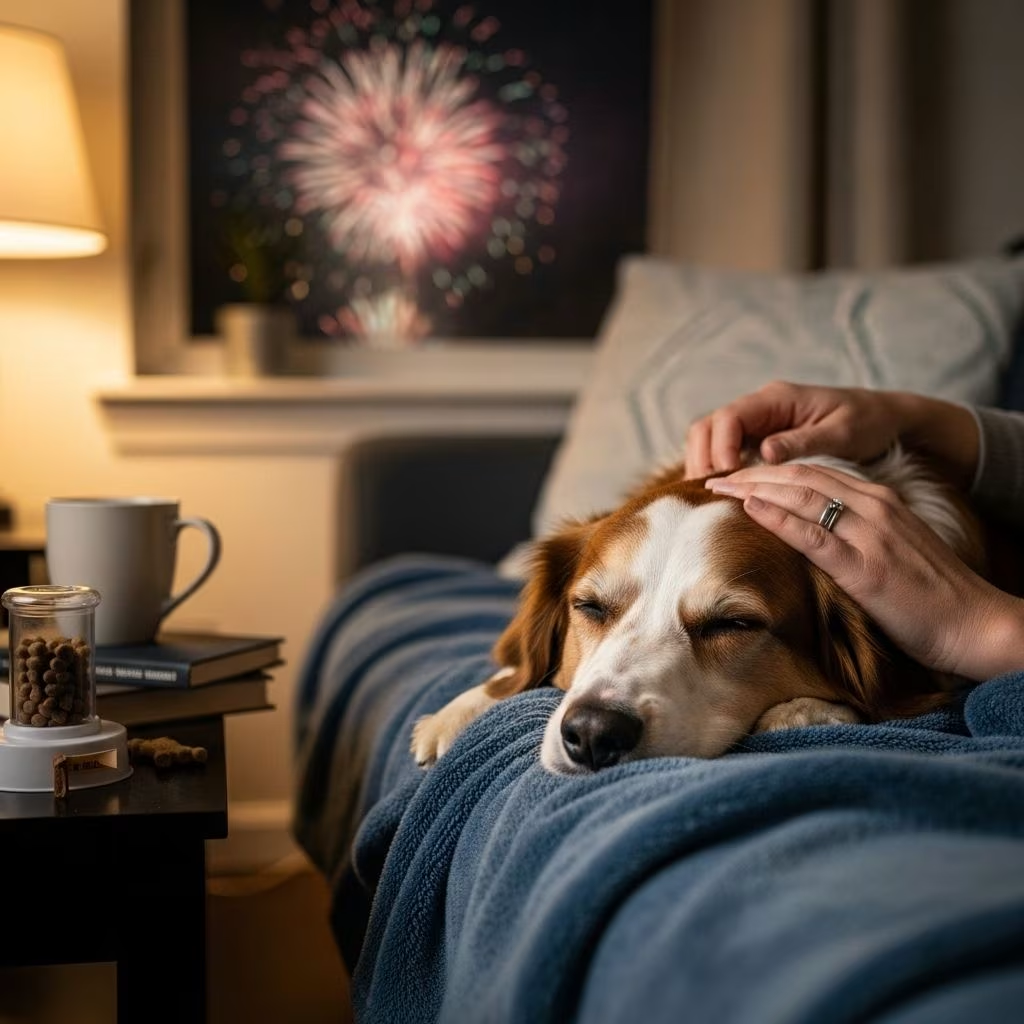
Dogs look to their owners for cues. Act calm and reassuring. Physical touch, gentle petting, and simply being nearby can help them feel secure.
- Don’t leave frightened pets alone; stay in the room or keep a close watch.
- If your dog seeks you out, let them settle near you or sit together on the couch.
3. Distractions and Enrichment
Distracting your dog can work wonders, especially for pets not prone to overwhelming fear.
- Offer their favorite toys, puzzle feeders, or treats to focus their attention elsewhere.
- Engage in gentle games or training tasks to redirect their nervous energy.
4. Soothing Pheromones and Products
There are many commercially available products designed to reduce canine stress.
- Pheromone diffusers, sprays, or calming collars can help create a sense of safety.
- Consider anxiety wraps or pressure vests like the Thundershirt, known for providing comfort through gentle, constant pressure.
5. Consult Your Veterinarian
If your dog’s anxiety is severe or escalating, consult a veterinarian well in advance. Medication or behavioral therapy may be recommended for some pets.
- Ask about anti-anxiety medications or natural supplements.
- A veterinary behaviorist can develop a training plan for dogs with extreme fears.
Additional Safety Tips for Firework Nights
Some extra precautions can further reduce risk and your dog’s anxiety level during fireworks:
- Secure Home and Garden: Double check all entry points—dogs may dig, jump, or break through barriers when frightened.
- Comfortable Environment: Maintain a cool, ventilated, and cozy indoor setting, especially in summer months.
- Routine: Stick to the usual feeding, walking, and play schedule as much as possible.
- Monitor early fireworks: Celebrations may begin days before the holiday; adapt your safety plan as needed.
What to Avoid During Firework Season
- Don’t take your dog to fireworks displays or outdoor celebrations—the risk of panic and escape is too high.
- Avoid scolding or punishing anxious behavior; fear is involuntary, and punishment may worsen distress.
- Don’t force them outside or into spaces where noise and flashes are intense.
Recommended Table: Quick Reference Firework Safety Tips for Dogs
| Tip | Action |
|---|---|
| Exercise Before Dark | Take a long walk and engage in play before fireworks begin |
| Safe Haven | Prepare a cozy indoor room with toys, blankets, and snacks |
| Secure & ID | Update tags, microchips, and check household entry points |
| Music/TV | Play background noise to mask firework sounds |
| Owner Presence | Stay with your dog and offer calm, reassuring contact |
| Distractions | Use treats and toys to engage focus away from fireworks |
| Professional Help | Consult a vet for extreme anxiety or behavioral issues |
Frequently Asked Questions (FAQs)
Q: Why do dogs fear fireworks so much?
A: Dogs have sensitive hearing and the unpredictable, loud noises trigger their natural fight-or-flight response. For many, fireworks can feel threatening and overwhelming.
Q: What should I do if my dog is panicking during fireworks?
A: Move your dog to a safe, quiet indoor space right away. Stay calm, stay with them if possible, and try background music or distractions. Avoid punishing or reinforcing anxiety; offer comfort and patience.
Q: Are anxiety medications safe for my dog?
A: Medication may be appropriate for certain dogs, but only under the supervision of a veterinarian. Consult your vet well ahead of firework season if you think your dog needs extra help managing anxiety.
Q: Can I train my dog to be less afraid of fireworks?
A: Yes, with the help of a qualified animal behaviorist, dogs can sometimes learn to cope better with fireworks through positive reinforcement and desensitization training. However, this takes time; start training months in advance.
Q: Is it helpful to use dog pheromone diffusers or wraps?
A: Pheromone products and pressure wraps like Thundershirts have helped many dogs feel calmer during stressful events. Individual results vary, but they’re worth considering as part of a broader anxiety-management plan.
Summary: Proactive Steps Lead to Safer, Happier Dogs
With the right preparations, your dog does not have to dread fireworks season. Whether you’re celebrating Independence Day, ringing in the new year, or enjoying Bonfire Night, thoughtful actions can dramatically reduce your pet’s anxiety, prevent escape, and preserve their well-being.
Commit to planning ahead, stay calm, and use expert-approved strategies. Your dog will thank you with wagging tails, happy faces, and fewer fireworks fears.
References & Additional Resources
- American Humane Society: Fourth of July Pet Safety Tips
- Country Living: 5 Best Tips to Keep Your Dog Calm During Firework Season
- Dogs Trust: Keeping Dogs Calm During Fireworks
- The RSPCA: Animal Welfare Advice for Fireworks
References
- https://www.youtube.com/watch?v=GpwVN-Xb5Z4
- https://www.americanhumane.org/blog/fourth-of-july-pet-safety-tips/
- https://www.countryliving.com/life/kids-pets/a44387648/dogs-fireworks-tips/
- https://www.countryliving.com/uk/wildlife/dog-breeds/a63302943/new-years-eve-fireworks-dogs/
- https://www.countryliving.com/uk/wildlife/pets/a979/how-to-reduce-your-dogs-stress-levels-fireworks/
- https://www.countryliving.com/uk/wildlife/dog-breeds/a33619334/dog-breeds-scared-thunderstorms-fireworks/