Protecting Dogs During Wildfire Smoke and Poor Air Quality
Wildfires are growing more frequent and intense, affecting not just humans but also pets. For dog owners, understanding how poor air quality and smoke threaten canine health is critical for keeping beloved companions safe during these events. This guide covers the risks of wildfire smoke exposure, symptoms to watch for, and expert-backed steps for protection and indoor enrichment.
How Wildfire Smoke and Poor Air Quality Impact Dogs
Smoke from wildfires contains hazardous particles such as ash, dust, and chemical residues. When inhaled, these can irritate a dog’s respiratory tract and worsen heart or lung conditions. Dogs, especially those with a rapid respiratory rate or heightened sense of smell, may inhale more smoke particles compared to people, making them especially vulnerable.
- Irritation: Eyes, nose, and throat can become red, inflamed, or watery.
- Respiratory issues: Coughing, gagging, rapid breathing, or difficulty breathing.
- Increased risk groups: Puppies, older dogs, brachycephalic breeds (short-muzzled), and dogs with pre-existing heart or lung disease are at greater risk.
- Potentially severe symptoms: Disorientation, fainting, seizures, collapse, pale or bluish gums, and loss of appetite can occur with acute or heavy exposure.
Air Quality Index (AQI) and What It Means for Your Dog
The Air Quality Index (AQI) measures pollution levels and helps determine safe and unsafe conditions for outdoor activities:
| AQI Level | Description | Risk to Dogs |
|---|---|---|
| 0-100 | Good/Moderate | Safe for most dogs |
| 101-150 | Unhealthy for Sensitive Groups | Puppies, seniors, and those with heart/lung issues should stay indoors |
| >151 | Unhealthy for All | All dogs should remain inside; outdoor time only for brief bathroom breaks |
Check local AQI using reliable sources such as EPA’s AirNow or health department updates.
Which Dogs Are Most Susceptible?
- Brachycephalic breeds (Bulldogs, Boston Terriers, Pugs) struggle more with breathing during poor air quality.
- Seniors and puppies have less robust respiratory and cardiovascular systems.
- Dogs with chronic heart disease, asthma, or other lung conditions face heightened risks.
Recognizing Symptoms of Smoke Exposure in Dogs
Dogs exposed to smoke and airborne pollutants may display symptoms ranging from mild to severe. Watch for:
- Coughing, gagging, sneezing
- Red, watery, or inflamed eyes
- Frequent panting or increased breathing rate
- Difficulty breathing, open-mouth breathing
- Nasal discharge and salivation
- Lethargy, weakness, or fatigue
- Disorientation or stumbling
- Reduced appetite or thirst
- Severe symptoms: fainting, seizures, mouth/throat inflammation, collapse
If your dog displays any of these signs, consult a veterinarian immediately for assessment and treatment.
Steps to Minimize Your Dog’s Exposure to Poor Air Quality
During poor air quality events, the most vital step you can take is to keep dogs indoors in a clean, air-controlled environment.
- Close windows and doors if smoke is present.
- Limit outdoor activities to quick bathroom breaks only.
- Refuse strenuous exercise and avoid walks until air improves.
- Use high-efficiency air purifiers and air conditioning to filter indoor air.
- Run furnace fans with clean filters if possible.
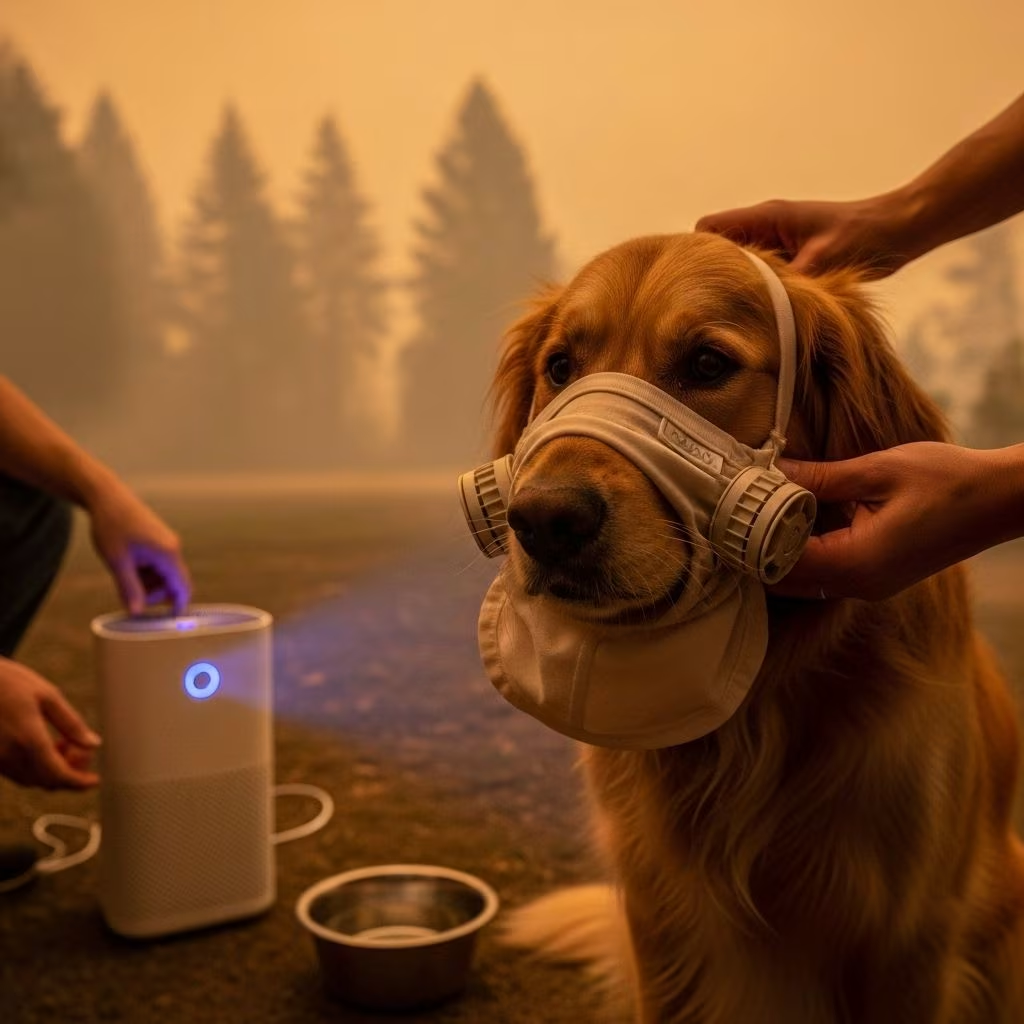
- Do not use pet masks unless instructed by a veterinarian.
Birds and other small pets are extremely sensitive; keep them indoors and away from windows.
Indoor Enrichment for Dogs During Poor Air Quality
Staying inside can be tough for active dogs. To prevent boredom and keep your dog emotionally and physically engaged, try these indoor enrichment ideas:
- Puzzle feeders or treat-dispensing toys
- Interactive games: hide-and-seek, scent work with treats, basic obedience training
- Chew toys and durable bones
- Set up indoor hurdles or obstacle courses
- Teach new tricks and mental challenges
- Offer long-lasting snacks for sustained engagement
Monitor your dog for signs of frustration or destructive behavior, and adjust activities as needed to suit their personality and energy level.
Preparing for Emergencies and Evacuations with Pets
Wildfires can escalate quickly, and smoke may signal an evacuation is needed. Always plan to bring pets along if you need to leave your home.
- Store emergency supply kits for pets: food, water, medications, leashes, carriers, and medical records.
- Know evacuation routes and pet-friendly shelters nearby.
- Confirm pets are microchipped, wearing tags, and have recent information.
- Have a go-bag prepared with comfort items.
- Practice calm loading and transport with your dog before emergencies occur.
If authorities indicate you should leave, do not delay. Dogs should never be left behind in hazardous conditions.
Special Considerations: Dogs with Health Conditions
For dogs already diagnosed with heart disease, asthma, bronchitis, or other respiratory disorders, special vigilance is necessary.
- Consult your veterinarian ahead of fire season or smoky periods regarding preventive care.
- Keep all prescribed medications readily available.
- Provide an environment with optimal air filtration and comfort.
- Monitor closely for even mild changes in symptom severity.
- Be ready to act quickly if breathing difficulty or distress develops.
How Masks and Other Remedies Affect Dogs
Humans can wear masks to filter particulate matter during smoky events, but pets generally cannot. Veterinarians caution that masks can restrict breathing and heighten anxiety in dogs—not recommended unless prescribed.
Instead, rely on removing exposure and cleaning indoor air whenever smoke is present.
Monitoring Air Quality at Home
- Check local air quality reports regularly using trusted apps or websites.
- Subscribe to weather and air quality alert services for rapid updates.
- Install air monitors if living in wildfire-prone regions.
Take action to protect your pets as soon as AQI warnings are published.
Frequently Asked Questions (FAQs)
Q: What are the first signs my dog might be affected by wildfire smoke?
A: The earliest signs are coughing, sneezing, red or watery eyes, and increased panting or breathing rate. If you notice these symptoms, limit outdoor time and consult your vet.
Q: Can I walk my dog during a wildfire smoke event?
A: Outdoor walks should be avoided until the air returns to safe levels. Allow only brief bathroom breaks during periods of dangerous AQI.
Q: How do I keep my active dog happy indoors during smoky days?
A: Provide engaging toys, puzzle feeders, interactive games, and training sessions to channel energy while keeping them indoors.
Q: Are masks safe for dogs during smoke events?
A: Masks are generally not safe or effective for dogs and are not recommended by veterinary experts unless specifically prescribed.
Q: Should I evacuate with my dog if local authorities recommend it?
A: Yes, always evacuate with your dog. Do not leave pets behind in hazardous conditions. Ensure your pet’s emergency kit is ready.
Tips Summary: Keeping Dogs Safe from Smoke and Poor Air Quality
- Keep dogs inside with windows and doors shut.
- Limit outdoor time to only essentials.
- Monitor for symptoms and consult vets promptly.
- Use air purifiers and air conditioning if available.
- Prepare for evacuation by having supplies and plans in place.
- Provide enrichment activities to prevent boredom indoors.
Final Thoughts
Caring for dogs during wildfires and periods of hazardous air quality requires vigilance and preparation. By understanding risks, preemptively acting to limit exposure, and maintaining indoor engagement, pet owners can safeguard their dog’s health and well-being. Regular communication with veterinarians and monitoring air quality advisories are essential steps in responding to environmental threats and providing the best care for your canine companion.
References
- https://www.vet.cornell.edu/departments-centers-and-institutes/riney-canine-health-center/canine-health-information/dog-safety-during-poor-air-quality-alerts-or-wildfire-smoke
- https://www.akc.org/expert-advice/health/wildfires-smoke-dogs/
- https://www.eastdallasvetclinic.com/services/dogs/blog/air-quality-and-animals-how-wildfire-smoke-affects-your-pets
- https://www.avma.org/resources/pet-owners/emergencycare/wildfire-smoke-and-animals
- https://www.airnow.gov/sites/default/files/2021-06/protect-your-pets-from-wildfire-smoke.pdf
- https://cvmbs.source.colostate.edu/scientists-examine-poor-air-quality-wildfire-smoke-dog-health/