


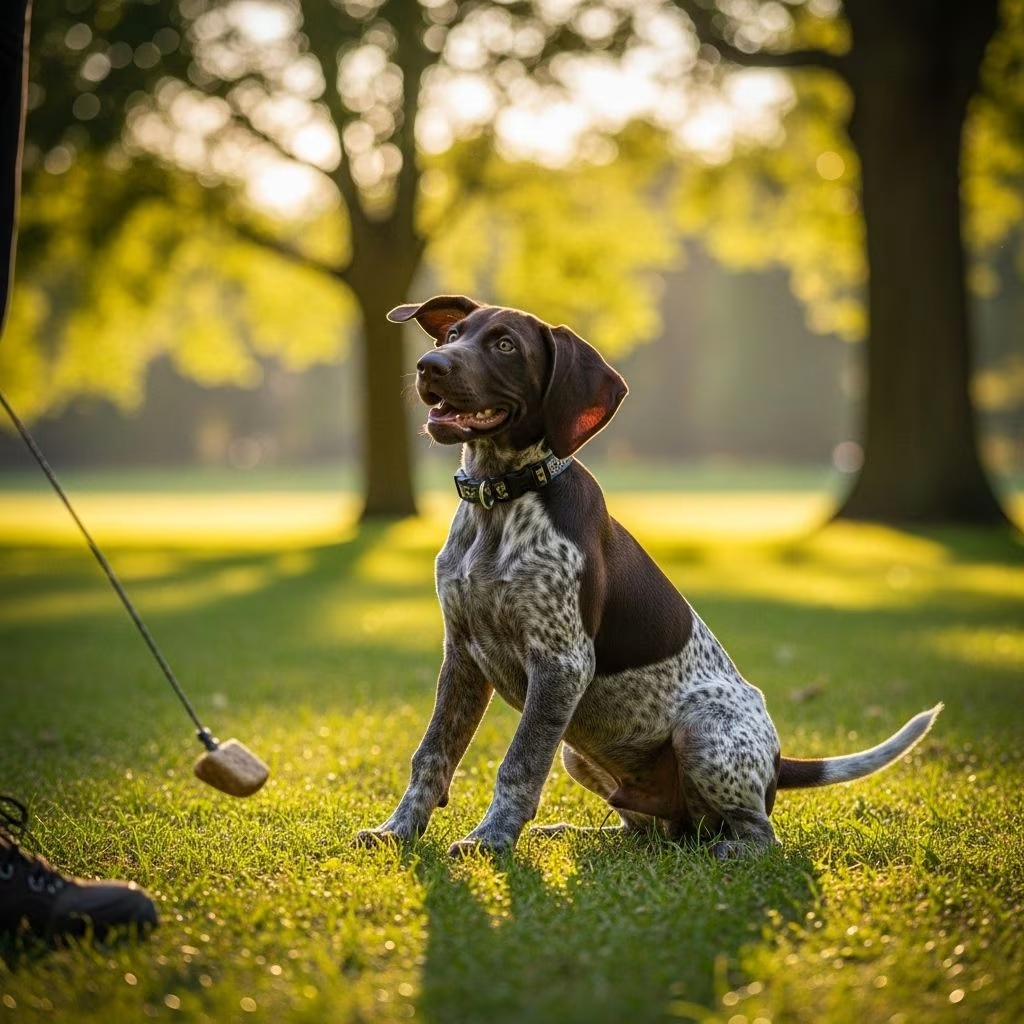
Introduction to Training a German Shorthaired Pointer Puppy
German Shorthaired Pointers (GSPs) are known for their intelligence, energy, and multifaceted abilities as hunting companions and family pets. Training a GSP puppy requires dedication, consistency, and positive reinforcement. Here, we cover the essential steps and milestones in training your GSP puppy.
Step 1: Welcome Your GSP into Your Home
The ideal time to bring a GSP puppy home is between 8 to 9 weeks old. This early stage is crucial for establishing a strong bond with your puppy and setting the foundation for future training.
Step 2: Socialize Your GSP Puppy
Socialization is vital for any puppy, especially a GSP, as it helps them become confident and calm in new environments. Introduce your puppy to various people, places, and other animals to help them develop good social skills.
When socializing, ensure that people approach your puppy calmly and let the puppy make the first move. This helps prevent fear and anxiety, which can develop at unpredictable stages.
Step 3: Grooming Your GSP
German Shorthaired Pointers have a short coat, requiring minimal grooming. However, it’s essential to get them accustomed to nail clipping and occasional bathing.
Start nail clipping early, using positive reinforcement techniques like treats. Begin with one nail at a time to make the process enjoyable and stress-free for your puppy.
Step 4: Basic Obedience Commands
GSPs are highly intelligent and receptive to training. Start with basic commands like:
- Name Recognition: Frequently use your puppy’s name and reward them with treats to help them associate their name with positive reactions.
- Sit: This is a fundamental command that can be taught by holding a treat above your puppy’s head and moving it backwards towards their tail.
- Down: Start by having your puppy sit, then use a treat to lure them into a downward position.
- Leave It: Place a treat in front of your puppy and say “leave it.” Gradually increase the duration they must leave the treat alone.
- Go in the Kennel or Crate: Encourage your puppy to enter their crate by placing treats inside and calling their name.
Practice these commands daily in short sessions, as GSPs can easily get distracted and tire.
Step 5: Potty Training
Potty training is a crucial part of raising a puppy. Place their crate near your bedroom to take them out for potty breaks during the night. Keep these breaks brief, as you want your puppy to learn the difference between nighttime and playtime.
Take your puppy outside frequently throughout the day, especially after meals and naps.
Step 6: Leash Training
Teach your GSP puppy to walk on a leash early on. As they grow, they will become stronger and more difficult to manage if not trained properly.
Start with short walks and gradually increase the distance as your puppy becomes more comfortable with the leash.
Key Milestones Beyond Basic Training
As your puppy grows, you can introduce more advanced training, particularly if you plan to engage your GSP in hunting or agility activities.
Advanced Training Tips
For GSPs destined for hunting, consider introducing commands like “hunt dead” and practising “heel/whoa” drills. These drills help your puppy move with you and respond to commands in the field.
Frequently Asked Questions (FAQs)
Q: At what age should I start training my GSP puppy?
A: Training should begin immediately upon bringing your puppy home, around 8 to 9 weeks old. Basic obedience commands can be introduced right away.
Q: How much exercise does a GSP puppy need?
A: GSPs are high-energy dogs and need plenty of physical activity. For puppies, short frequent play sessions are recommended to prevent exhaustion.
Q: Can GSPs be trained for hunting?
A: Yes, GSPs are versatile and can be trained for hunting. Start with basic obedience, then introduce hunting-specific commands and activities around 8 months old.
References
- https://www.akc.org/expert-advice/dog-breeds/how-to-train-a-german-shorthaired-pointer-puppy/
- https://www.youtube.com/watch?v=WtMbJ6Mk364
- https://www.doggoneproblems.com/devo/
- http://www.gundogforum.com/forum/viewtopic.php?t=55613
- https://manypets.com/us/blog/prepare-german-shorthaired-pointer-puppy/
- https://ocdogtraining.com/german-shorthaired-pointer-training-and-temperament-rescue-video/


