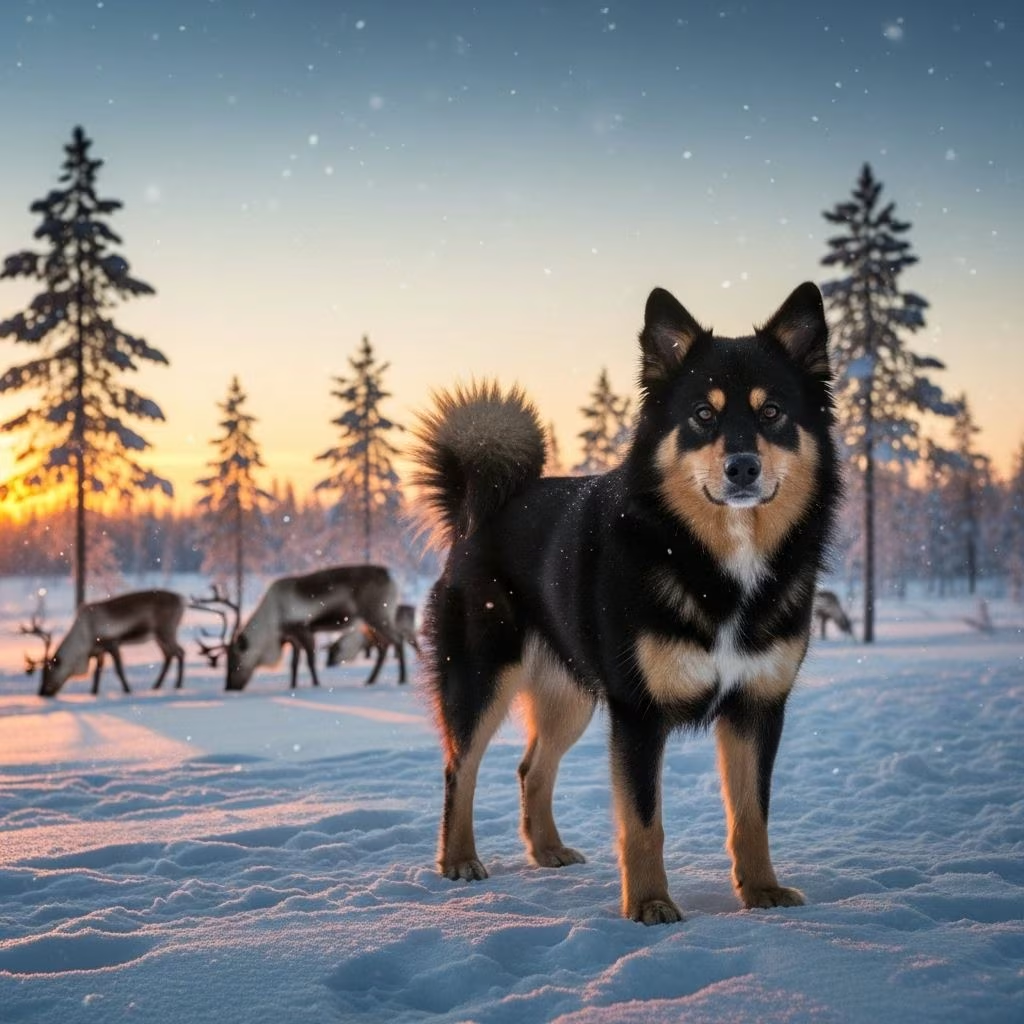
The Lapponian Herder, known in its native Finland as Lapinporokoira, represents a remarkable breed with centuries of history working alongside the Sami people in the Arctic regions of Northern Europe. This medium-sized spitz-type dog was originally developed for the demanding task of herding and guarding reindeer in harsh, unforgiving climates. Today, the Lapponian Herder continues to excel as both a working dog and a devoted family companion, bringing intelligence, energy, and unwavering loyalty to those fortunate enough to share their lives with this exceptional breed.
Recognized by the United Kennel Club in 2006 and more recently gaining recognition from the American Kennel Club, the Lapponian Herder remains relatively rare outside of Finland but is steadily gaining appreciation among dog enthusiasts worldwide. This breed’s combination of work ethic, trainability, and affectionate nature makes them an outstanding choice for active families and individuals seeking a capable, engaging canine partner.
Origins and Historical Background
The history of the Lapponian Herder stretches back hundreds of years to the northern regions of Finland, where the indigenous Sami people relied heavily on reindeer herding for their survival and livelihood. These hardy dogs were essential partners in managing and protecting valuable reindeer herds across vast, frozen landscapes where temperatures could plummet to extreme lows and conditions tested the limits of both human and canine endurance.
For generations, the Lapponian Herder worked tirelessly in these challenging Arctic environments, developing the physical characteristics and mental attributes necessary to thrive in such demanding circumstances. Their dense double coats protected them from biting winds and freezing temperatures, while their intelligence and problem-solving abilities allowed them to work independently when managing scattered reindeer across expansive territories.
The breed’s modern history took a significant turn in 1966 when it was officially separated from the Finnish Lapphund and recognized as a distinct breed. This separation acknowledged the specific characteristics and working style that distinguished the Lapponian Herder from its close relative. While both breeds share common ancestry and were developed by the Sami people, the Lapponian Herder was specifically refined for reindeer herding work, resulting in a slightly larger, more athletic dog with particular behavioral traits suited to this specialized task.
Physical Characteristics and Appearance
The Lapponian Herder presents as a medium-sized, well-proportioned dog that clearly reflects its spitz heritage while maintaining the muscular, athletic build necessary for demanding herding work. The breed standard calls for dogs that are distinctly longer than they are tall, creating a rectangular silhouette that contributes to their efficient, ground-covering movement.
Male Lapponian Herders typically stand between 19 to 21 inches at the withers, with an ideal height around 20 inches, while females are slightly smaller at 18 to 19 inches, with 18.5 inches being preferred. Weight generally ranges from 55 to 70 pounds, with males usually at the heavier end of this spectrum. Despite their substantial size, these dogs should never appear heavy or cumbersome; instead, they should convey an impression of strength combined with agility and endurance.
The breed’s head is distinctly spitz-like, with a slightly convex skull and a well-defined stop. The muzzle is shorter than the skull and tapers evenly from the eyes to the nose, creating a wedge-shaped profile. Dark, oval-shaped eyes set rather well apart give the Lapponian Herder its characteristic keen and intelligent expression. In females, this expression takes on a particularly devoted quality that endears them to their families.
One of the most distinctive features of the Lapponian Herder is its pricked ears, which are set well apart, broad at the base, and taper to pointed tips. The inside of these ears is furnished with thick hair, providing additional protection against cold weather. Drop ears are considered a disqualifying fault in the breed standard, as erect ears are essential to the breed’s proper type and historical function.
Coat Type and Color Variations
The Lapponian Herder’s coat represents one of its most important adaptations to life in Arctic conditions. This breed sports a dense double coat consisting of a fine, soft undercoat that provides insulation and a medium-to-long outer coat of straight, harsh-textured hair that repels moisture and protects against wind and cold. The coat is particularly abundant around the neck, chest, and on the back of the thighs, creating a distinctive ruff and furnishings that enhance the breed’s impressive appearance.
Unlike some breeds that come in a rainbow of colors, the Lapponian Herder has a more limited but striking color palette. The breed standard recognizes three primary colors: black, gray, and liver (dark brown). These colors may appear as solid coats or may be accompanied by lighter shading on the head and lower portions of the body. White markings are permitted on the neck, chest, feet, and tip of the tail, adding visual interest without detracting from the breed’s essential character.
The nose is preferably black but may harmonize with the coat color in dogs that are not predominantly black. This flexibility in pigmentation reflects the breed’s working heritage, where function always took precedence over purely cosmetic considerations.
Temperament and Personality Traits
The Lapponian Herder’s temperament represents a fascinating blend of traits that make this breed both an exceptional working dog and a wonderful family companion. The breed standard describes these dogs as docile, calm, friendly, energetic, and willing to work—a combination that might initially seem contradictory but actually reflects the breed’s remarkable versatility and adaptability.
At home, the Lapponian Herder typically displays a calm, even-tempered demeanor that makes them pleasant household companions. They form strong bonds with their families and are particularly devoted to their primary caregivers. This breed is generally good with children, showing patience and gentleness while still maintaining the awareness and protective instincts that come naturally to herding dogs. However, potential owners should be aware that the breed’s strong herding instincts may manifest in attempts to herd children or other pets, a behavior that requires appropriate management and training.
With strangers, Lapponian Herders tend to be somewhat reserved and standoffish, though they should never display aggression or excessive shyness. This natural wariness of unfamiliar people reflects the breed’s guardian heritage and makes them excellent watchdogs. Early and consistent socialization is important to ensure that this caution doesn’t develop into problematic behavior.
One characteristic that potential owners must be prepared for is the breed’s vocal nature. Lapponian Herders bark freely when working, a trait that was essential to their original function of managing reindeer over long distances. While this vocalization can be managed through training, it’s an inherent part of the breed’s character and may not be entirely eliminated. This tendency toward barking makes the Lapponian Herder potentially challenging for apartment living or situations where noise might disturb neighbors.
Intelligence and Trainability
The Lapponian Herder’s intelligence ranks among the breed’s most notable attributes. These dogs were developed to work independently, making decisions about herd management without constant human direction, and this heritage has resulted in a breed with exceptional problem-solving abilities and quick learning capacity. They are eager to please and respond enthusiastically to positive reinforcement training methods.
Training a Lapponian Herder typically proves to be a rewarding experience for owners who approach the task with consistency, patience, and an understanding of the breed’s working heritage. These dogs excel in various canine sports and activities, including obedience, agility, rally, and, of course, herding trials. Their athletic ability and desire to work make them natural competitors in these venues.
However, the same intelligence and independence that make Lapponian Herders such capable working dogs can also present challenges. These dogs think for themselves and may choose to interpret commands in their own way if they perceive a better solution to a problem. Owners need to establish clear leadership and maintain interesting, varied training sessions to keep their Lapponian Herder engaged and responsive.
Exercise and Activity Requirements
As a breed developed for the physically demanding work of herding reindeer across vast Arctic landscapes, the Lapponian Herder has substantial exercise requirements that must be met for the dog to remain healthy and happy. This is not a breed suited to sedentary lifestyles or owners who prefer short, leisurely walks around the block.
A typical Lapponian Herder requires at least one to two hours of vigorous exercise daily. This should include a combination of physical activities such as running, hiking, or playing fetch, along with mental stimulation through training sessions, puzzle toys, or activities that engage the dog’s problem-solving abilities. Simply turning a Lapponian Herder loose in a backyard is insufficient; these dogs need purposeful activity and interaction with their owners to thrive.
Many Lapponian Herders excel in and enjoy dog sports, which provide an excellent outlet for their energy and intelligence. Activities such as agility, flyball, rally obedience, and herding trials allow these dogs to use their natural abilities in structured ways that build the human-canine bond while providing necessary physical and mental exercise.
Prospective owners should honestly assess their lifestyle and activity level before committing to a Lapponian Herder. An under-exercised dog of this breed may develop behavioral problems including destructive chewing, excessive barking, or attempts to create their own entertainment through undesirable activities. With adequate exercise and mental stimulation, however, the Lapponian Herder transforms into a well-mannered, contented companion.
Grooming and Maintenance Needs
Despite their abundant double coat, Lapponian Herders are relatively moderate in their grooming requirements, though they do demand regular attention to keep their coat healthy and their appearance at its best. The breed’s coat is designed to be functional and weather-resistant, and with proper care, it maintains these qualities while keeping the dog comfortable.
Weekly brushing is typically sufficient to maintain a Lapponian Herder’s coat during most of the year. This regular grooming removes loose hair, distributes natural oils throughout the coat, and provides an opportunity to check for any skin issues, parasites, or other health concerns. A slicker brush or pin brush works well for the outer coat, while an undercoat rake can help manage the dense undercoat.
However, Lapponian Herders are seasonal shedders, and twice a year—typically in spring and fall—they will “blow” their coat, losing substantial amounts of undercoat in a relatively short period. During these shedding seasons, daily brushing becomes necessary to manage the volume of loose hair and prevent matting. Many owners find that these intense shedding periods last several weeks, and planning accordingly with extra grooming tools and patience makes the process more manageable.
Beyond coat care, Lapponian Herders require the same basic grooming attention as other breeds. Their nails should be trimmed regularly, typically every three to four weeks, though dogs that are very active on hard surfaces may wear their nails down naturally to some extent. Ears should be checked weekly and cleaned as needed, paying particular attention to removing any debris or moisture that could lead to infections. Dental care, including regular tooth brushing and professional cleanings as recommended by a veterinarian, helps maintain overall health and prevents dental disease.
Health Considerations and Life Expectancy
The Lapponian Herder is generally considered a healthy, robust breed with a life expectancy of 10 to 14 years. This relatively long lifespan for a medium-sized dog reflects the breed’s sound genetic foundation and the lack of extreme physical characteristics that can predispose some breeds to health problems. However, like all breeds, Lapponian Herders can be affected by certain health conditions that potential owners should be aware of.
Hip dysplasia, a developmental condition affecting the hip joint, has been reported in the breed, though it appears to occur at relatively low rates compared to some other medium and large breeds. Responsible breeders screen their breeding stock for hip dysplasia and make decisions based on the results to minimize the incidence in future generations. Progressive retinal atrophy (PRA), a group of inherited conditions that lead to gradual vision loss, has also been identified in some lines of Lapponian Herders.
Prospective owners should seek out breeders who perform health testing on their breeding dogs and can provide documentation of clear results or, at minimum, honest disclosure of any health issues present in their lines. While no breed is entirely free of genetic health concerns, selecting a puppy from health-tested parents significantly reduces the risk of inheritable conditions.
Regular veterinary care, including annual wellness examinations, appropriate vaccinations, and parasite prevention, plays a crucial role in maintaining a Lapponian Herder’s health throughout their life. Early detection of any developing health issues often allows for more effective treatment and better outcomes.
Living Requirements and Ideal Home Environment
The Lapponian Herder is best suited to homes that can accommodate their exercise needs and provide the mental stimulation they require. While not necessarily requiring vast acreage, these dogs do best with access to secure outdoor space where they can move freely and burn off energy. A securely fenced yard is highly recommended, as the breed’s herding instincts may lead them to chase moving objects, including cars, cyclists, or other animals.
The ideal owner for a Lapponian Herder is an active individual or family with experience handling intelligent, energetic breeds. First-time dog owners can certainly succeed with this breed, but they should be prepared to invest significant time in training and exercise, and should ideally work with a trainer familiar with herding breeds to address any challenges that arise.
Lapponian Herders can adapt to various living situations, including suburban homes or even rural settings, but apartment living presents challenges due to the breed’s exercise needs and vocal tendencies. If considering a Lapponian Herder for apartment life, owners must be committed to providing multiple daily exercise sessions and should work diligently on managing barking behavior.
The breed generally does well with other pets when properly socialized, though their herding instincts may manifest in attempts to control the movements of other household animals. Multi-dog households often work well, as dogs can play together and help tire each other out. However, interactions with small pets should be supervised, particularly initially, as the breed’s high prey drive could be triggered by quick movements.
Feeding and Nutritional Needs
As an active, athletic breed, the Lapponian Herder requires high-quality nutrition that supports their energy levels and maintains their overall health. The amount of food needed varies based on the individual dog’s age, size, activity level, and metabolism, but most adult Lapponian Herders will require approximately 2.5 to 3.5 cups of high-quality dry dog food daily, divided into two meals.
Puppies have different nutritional needs than adult dogs and should be fed a formula specifically designed for large-breed puppies to support proper growth and development without encouraging too-rapid growth that could stress developing joints. Most Lapponian Herder puppies benefit from three to four meals daily until around six months of age, when feeding can be transitioned to twice daily.
Working Lapponian Herders or dogs engaged in intense sporting activities may require additional calories to maintain proper body condition. Conversely, less active individuals or older dogs may need reduced portions to prevent weight gain. Regular body condition assessments and adjustments to feeding amounts help ensure that each dog maintains an ideal weight throughout their life.
Finding a Lapponian Herder
Due to their relative rarity, particularly outside of Finland, finding a Lapponian Herder puppy requires patience and research. Prospective owners should seek out reputable breeders who prioritize health, temperament, and breed preservation over profit. The American Kennel Club and United Kennel Club maintain breeder directories that can serve as starting points for finding responsible breeders.
When evaluating breeders, look for those who perform health testing on their breeding dogs, raise puppies in home environments with appropriate socialization, and are knowledgeable about the breed’s characteristics and needs. Responsible breeders will ask potential buyers many questions to ensure their puppies are placed in appropriate homes, and they should be willing to answer your questions thoroughly and provide references from previous puppy buyers.
Be prepared for the possibility of waiting lists, as responsible breeders typically produce limited numbers of litters each year. The wait for a well-bred Lapponian Herder puppy is worthwhile, as starting with a healthy, well-socialized puppy from health-tested parents significantly increases the likelihood of a positive long-term experience with the breed.
Comparison with Similar Breeds
| Characteristic | Lapponian Herder | Finnish Lapphund | Swedish Lapphund |
|---|---|---|---|
| Size | Medium (55-70 lbs) | Smaller (33-53 lbs) | Medium (30-45 lbs) |
| Coat Length | Medium to long | Long, profuse | Medium length |
| Primary Function | Reindeer herding | General herding | Reindeer herding |
| Color Options | Black, gray, liver | All colors allowed | Black or dark brown |
| Vocalization Level | High, especially when working | Moderate | Moderate to high |
Frequently Asked Questions
Q: Are Lapponian Herders good with children?
A: Yes, Lapponian Herders generally do very well with children when properly socialized. They are patient and gentle but maintain awareness of their surroundings. However, their strong herding instincts may lead them to attempt to herd children, which requires management and training. Supervision is always recommended with any dog and children, particularly during initial interactions.
Q: How much does a Lapponian Herder puppy cost?
A: Due to the breed’s rarity, particularly in North America, Lapponian Herder puppies from reputable breeders typically range from $1,500 to $3,000 or more. Prices vary based on breeder location, bloodlines, and whether the puppy is intended for show, breeding, or companion purposes. Remember that the initial purchase price represents only the beginning of the financial commitment to dog ownership.
Q: Do Lapponian Herders make good apartment dogs?
A: Lapponian Herders can adapt to apartment living but it is challenging due to their high exercise needs and tendency to bark. Apartment dwellers considering this breed must be absolutely committed to providing multiple lengthy daily exercise sessions and investing significant time in training to manage vocalization. The breed is generally better suited to homes with yards and more space.
Q: What is the difference between a Lapponian Herder and a Finnish Lapphund?
A: While closely related and often confused, Lapponian Herders are larger, more athletic dogs specifically bred for reindeer herding work. They have shorter coats than Finnish Lapphunds and more limited color options (black, gray, or liver versus all colors in Finnish Lapphunds). Lapponian Herders tend to be more work-driven and energetic than Finnish Lapphunds.
Q: How much exercise does a Lapponian Herder need daily?
A: Lapponian Herders require substantial daily exercise—typically one to two hours of vigorous activity. This should include a mix of physical exercise like running or hiking and mental stimulation through training, puzzle toys, or dog sports. Inadequate exercise can lead to behavioral problems including destructiveness and excessive barking.
Q: Are Lapponian Herders easy to train?
A: Yes, Lapponian Herders are intelligent and eager to please, making them generally easy to train for owners who use positive reinforcement methods and maintain consistency. However, their intelligence and independence mean they may choose to interpret commands in their own way. They respond best to engaging, varied training sessions that challenge their minds.
Q: Do Lapponian Herders shed a lot?
A: Lapponian Herders are seasonal shedders, meaning they “blow” their coat twice yearly in spring and fall, during which time shedding is quite heavy and daily brushing is necessary. Outside these shedding seasons, weekly brushing is typically sufficient to manage loose hair. Potential owners should be prepared for substantial seasonal shedding.
Q: Can Lapponian Herders live in warm climates?
A: While developed for Arctic conditions, Lapponian Herders can adapt to warmer climates with appropriate care. Provide plenty of shade, fresh water, and air conditioning during hot weather. Limit exercise to cooler times of day, and never leave them in hot cars or exposed to extreme heat for extended periods. Their thick coat can be challenging in very hot climates.
The Lapponian Herder represents a unique combination of working ability, intelligence, and companionship qualities that make this breed an excellent choice for the right owner. While their exercise needs, grooming requirements, and vocal tendencies mean they’re not suited to every home, those who can meet the breed’s needs will find a devoted, capable partner ready to share adventures and provide years of loyal companionship. As recognition and appreciation for this remarkable Finnish breed continues to grow, the Lapponian Herder is poised to win the hearts of more dog enthusiasts seeking an active, intelligent, and affectionate canine companion.
References
- https://www.akc.org/dog-breeds/lapponian-herder/
- https://dogacademy.org/breeds/lapponian-herder
- https://www.ukcdogs.com/lapinporokoira-lapponian-herder
- https://en.wikipedia.org/wiki/Lapponian_Herder
- https://www.wisdompanel.com/en-us/dog-breeds/lapponian-herder
- https://www.youtube.com/watch?v=gT_L-_QN7y4
- https://ngdc.cncb.ac.cn/idog/dogph/breed/getBreedDetailByName.action?name=Lapponian+Herder
- https://www.akc.org/expert-advice/dog-breeds/finnish-lapphund-history/