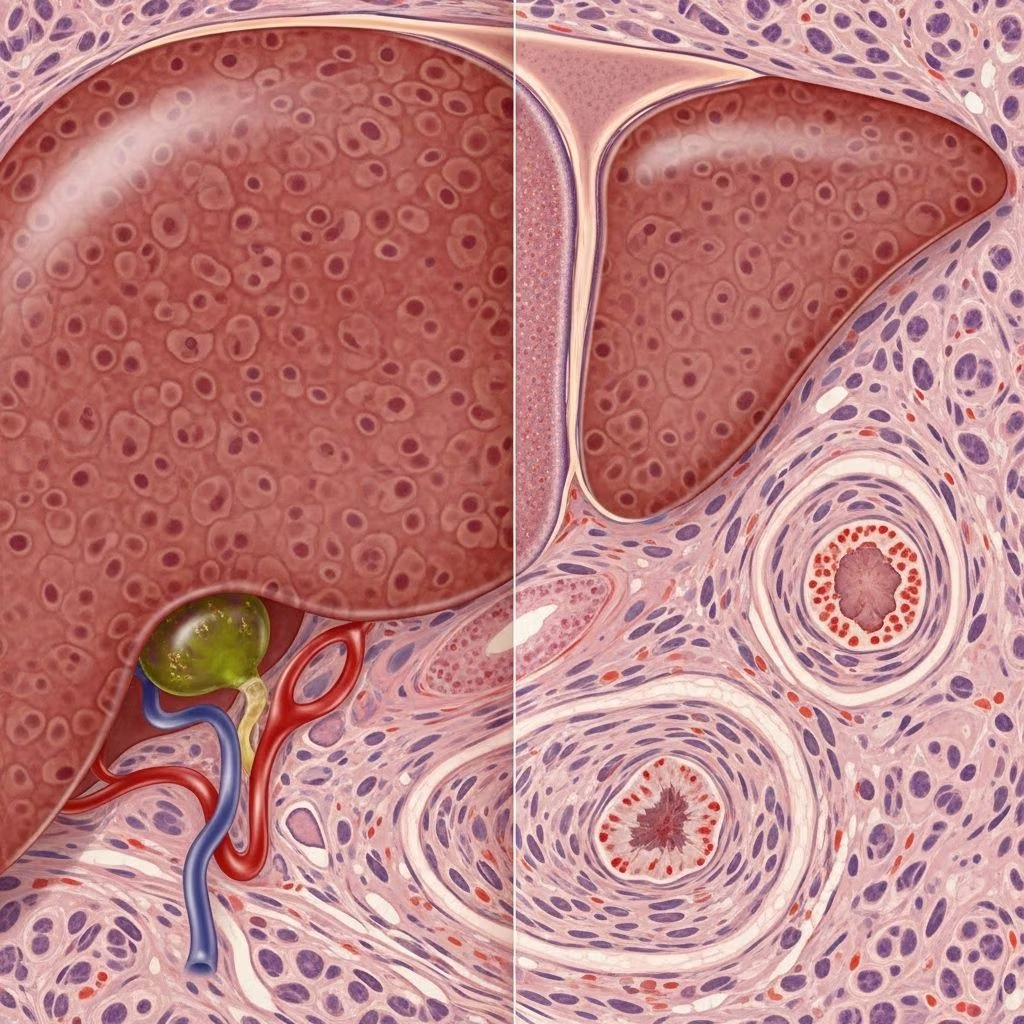
Liver disease is a significant health concern in dogs, affecting a vital organ responsible for many critical body functions. Early recognition and proper management of liver disorders greatly improve the chances of successful treatment, quality of life, and longevity for your dog. This guide covers causes, symptoms, diagnosis, treatment options, and prevention strategies for canine liver disease.
Overview of Liver Function in Dogs
The liver is one of the largest and most essential organs in a dog’s body. It performs numerous critical tasks, including:
- Filtering toxins from the blood
- Producing bile to aid digestion
- Metabolizing fats, proteins, and carbohydrates
- Storing vitamins and minerals
- Producing essential blood-clotting proteins
- Breaking down medications and hormones
Given its crucial role, any compromise in liver function can have widespread consequences on a dog’s overall health.
What Is Liver Disease in Dogs?
Liver disease in dogs describes any condition resulting in reduced liver function. This can range from mild inflammation to severe, irreversible damage (liver failure). Liver disease can be sudden (acute) or develop gradually (chronic). Early detection is critical, as the liver can sometimes regenerate and recover if caught soon enough.
Main Causes of Liver Disease in Dogs
Multiple factors may contribute to liver dysfunction in dogs, including:
- Infections — Bacterial (leptospirosis), viral (infectious canine hepatitis), parasitic, or fungal infections can cause inflammation of the liver (hepatitis).
- Toxins — Ingestion of certain plants (e.g., sago palm), chemicals, medications (acetaminophen, high-dose antibiotics, anti-epileptics), molds (aflatoxins), or human foods (xylitol, some mushrooms).
- Congenital Disorders — Dogs may be born with liver blood vessel abnormalities, such as portosystemic shunts, hindering proper liver function. Some breeds have a higher predisposition to inherited liver conditions.
- Cancer — Primary or metastatic tumors can compromise liver tissue, especially in older dogs.
- Chronic Inflammatory Disease — Conditions like chronic hepatitis can develop over time, often without a clear cause.
- Metabolic and Immune Disorders — Conditions like diabetes, pancreatitis, or autoimmune diseases may cause secondary damage to the liver.
- Heart Disease — Right-sided heart failure can cause blood backup and liver congestion.
- Trauma — Physical injury to the abdomen can harm the liver.
Risk Factors
- Aging — older dogs are at higher risk of liver dysfunction.
- Certain breeds — Bedlington Terriers, Doberman Pinschers, West Highland White Terriers, Labrador Retrievers, and others have a genetic predisposition to some liver diseases.
- Exposure to environmental toxins or harmful human foods
- Long-term medication use
- Underlying metabolic or infectious disease
Symptoms of Liver Disease in Dogs
Liver disease can manifest with a variety of symptoms, many of which are vague, especially in early stages. Common signs include:
- Lethargy or reduced activity
- Loss of appetite (anorexia)
- Weight loss
- Increased thirst and urination
- Vomiting and/or diarrhea
- Abdominal pain or swelling (ascites)
- Disorientation, circling, head pressing, or seizures (hepatic encephalopathy)
- Jaundice — yellow tinging of eyes, gums, skin, and inside the ears due to a buildup of bilirubin
- Dark or orange-tinged urine
- Pale gums
- Bleeding or bruising easily
- Behavioral changes (confusion, aggression, restlessness)
- Poor coat quality
Some dogs may experience only subtle changes, such as being less playful or eating less for several days before more pronounced symptoms appear.
Stages of Liver Disease in Dogs
| Stage | Description | Common Symptoms |
|---|---|---|
| Early/Mild | Liver function mildly reduced; liver can often repair itself if the underlying cause is treated promptly. | Lethargy, mild decrease in appetite, increased thirst, occasional vomiting |
| Moderate | Liver more significantly affected; some permanent loss of function possible. | Vomiting, diarrhea, weight loss, jaundice may begin to appear, abdominal swelling |
| Severe/Advanced | Irreversible liver failure; risk of secondary complications. | Severe jaundice, disorientation, seizures, collapse, bleeding disorders, marked abdominal distension |
Severity and progression depend on the underlying cause, age, and the dog’s general health.
Common Types of Liver Disease in Dogs
- Acute Hepatitis: Sudden inflammation and swelling of the liver, often from toxins or infections. Symptoms often develop quickly and may be severe.
- Chronic Hepatitis: Ongoing inflammation, often of unknown cause, that leads to slow and progressive liver damage.
- Liver Tumors: Can be benign (non-cancerous) or malignant (cancerous); more common in older dogs.
- Liver Shunts (Portosystemic Shunts): Abnormal blood vessels allowing blood to bypass the liver, leading to toxin buildup.
- Toxin-Induced Disease: Resulting from ingestion of harmful substances such as certain plants, medications, or spoiled food.
- Infectious Diseases: Bacterial, viral, parasitic, or fungal infections affecting liver tissue.
Diagnosing Liver Disease in Dogs
An accurate diagnosis is essential to determine the best course of treatment for liver disease. Diagnosis typically involves:
- Physical Exam: Vet checks for jaundice, abdominal swellings, and general condition.
- Blood Tests: Liver enzyme levels (ALT, AST, ALP), bile acids, bilirubin, and protein levels help assess liver performance.
- Urinalysis: Can show bilirubin presence or abnormal urine concentration.
- Imaging: X-rays or abdominal ultrasound to visualize liver size, structure, and to check for tumors or shunts.
- Liver Biopsy: Sampling a small piece of liver tissue for microscopic analysis; sometimes needed for definitive diagnosis.
- Infectious Disease Testing: As indicated, to check for leptospirosis, hepatitis, toxoplasmosis, and other potential causes from infectious agents.
Some tests may need to be repeated to track disease progression or response to treatment.
Treatment Options for Liver Disease in Dogs
Treatment varies depending on the underlying cause, severity, and how far the disease has progressed. The following approaches are frequently used:
- Supportive Care: IV fluids for dehydration, anti-nausea medications, and close monitoring.
- Special Diet: Diets designed for liver support (“hepatic diets”) are low in copper and high-quality proteins but restricted in sodium and certain amino acids. They are formulated to reduce the liver’s workload and support tissue repair.
- Medications:
- Antibiotics, if bacterial infection is present
- Anti-inflammatories or immunosuppressants for chronic hepatitis or immune-mediated disease
- Lactulose and other drugs for managing hepatic encephalopathy
- Medications to control seizures if present
- Hepatoprotective Supplements: S-adenosylmethionine (SAMe), milk thistle (silymarin), vitamin E, and zinc may help protect remaining liver tissue and aid regeneration.
- Surgery: In cases of tumors or certain congenital shunts, surgery may be indicated.
- Treating Underlying Conditions: Managing concurrent conditions (e.g., diabetes, infections, or heart disease) is vital for overall improvement.
- Managing Toxins: Immediate removal of toxin sources and aggressive supportive care for poisoning cases.
Diet and Nutrition for Liver Health
Proper nutrition is vital. Dogs with liver disease usually benefit from:
- Prescription hepatic diets formulated for sensitive livers
- Highly palatable foods to entice appetite
- Low copper content to prevent buildup (especially in breeds prone to copper storage disease)
- High-quality but moderate protein sources
- Increased calories for dogs with weight loss
Consult your veterinarian before making any diet changes, as each dog’s needs are unique based on disease type and progression.
Prognosis and Outlook
The prognosis for dogs with liver disease depends on:
- The underlying cause and how early it is identified
- The dog’s age and general health
- The degree of damage at diagnosis
- Response to treatment and management
If treated in early stages, many dogs can live long, comfortable lives. Advanced or rapidly progressing liver disease has a poorer prognosis but proper supportive care can still improve comfort and life quality in many cases.
Prevention and Supporting Liver Health
- Have routine wellness exams and screening bloodwork, especially for senior dogs
- Vaccinate against leptospirosis and infectious canine hepatitis where appropriate
- Keep dogs away from known toxins, dangerous plants, and harmful human foods
- Use medications only as directed by your veterinarian
- Promptly treat underlying diseases and infections
- Feed a high-quality, appropriate diet
- Ask your vet about genetic screening for at-risk breeds
Frequently Asked Questions (FAQs) about Liver Disease in Dogs
Q: What are the first signs of liver disease in dogs?
A: Early signs include loss of appetite, increased thirst and urination, mild vomiting or diarrhea, and lower energy levels. Jaundice may appear as the disease advances.
Q: Can liver disease in dogs be reversed?
A: Some types of liver disease, especially if diagnosed early, can be reversed or managed successfully with prompt treatment and dietary changes. Chronic liver damage may be permanent but can often be managed to improve quality of life.
Q: How is liver disease diagnosed in dogs?
A: Diagnosis involves a combination of physical exams, bloodwork (liver enzyme panels), imaging (ultrasound or X-ray), and sometimes liver biopsy or infectious disease testing.
Q: What foods should be avoided in dogs with liver disease?
A: Avoid foods high in copper, sodium, or low-quality proteins. Do not feed human foods like chocolate, xylitol, grapes, onions, macadamia nuts, and avoid medications or supplements unless prescribed.
Q: Will my dog need lifelong treatment?
A: Some dogs may require ongoing medications, special diets, or supplements for life, especially with chronic or genetic conditions. Close collaboration with your vet is essential for monitoring and care adjustments.
Q: What should I do if I suspect liver disease in my dog?
A: Arrange a veterinary appointment promptly, even for mild or intermittent symptoms. Early intervention can make a significant difference in the outcome.
Key Takeaways
- Liver disease in dogs can manifest with diverse symptoms; early detection is critical.
- There are many causes, with toxins, infections, genetic factors, cancer, and chronic inflammation being most common.
- Prompt diagnosis through bloodwork and imaging enables targeted treatment and improves the likelihood of recovery.
- Prescription diets, proper medications, and regular vet care are core components of managing liver conditions.
- Prevention and protection strategies can reduce risk, especially for breeds and dogs at higher risk of liver disease.
References
- https://www.goodrx.com/pet-health/dog/liver-disease-in-dogs
- https://www.poochandmutt.co.uk/blogs/health/liver-disease-in-dogs-symptoms-stages-treatment
- https://www.merckvetmanual.com/dog-owners/digestive-disorders-of-dogs/disorders-of-the-liver-and-gallbladder-in-dogs
- https://gsvs.org/blog/liver-failure-dogs-emergency-actions/
- https://www.pdsa.org.uk/pet-help-and-advice/pet-health-hub/conditions/liver-disease-in-dogs
- https://www.petmd.com/dog/conditions/digestive/liver-disease-dogs
- https://www.webmd.com/pets/dogs/liver-disease-liver-failure-dogs
- https://www.smalldoorvet.com/learning-center/medical/liver-disease-dogs
- https://www.veterinary-practice.com/article/what-to-do-if-you-suspect-liver-disease