The Lucky Cat: Unveiling the Mystique of Japan’s Maneki Neko
The Maneki Neko, or “beckoning cat,” stands as one of Japan’s most beloved and enduring icons of prosperity. Perched atop shop entrances or beside cash registers, these feline figurines are instantly recognizable by their raised paw that seems to summon fortune and friendship. But what is the real story behind this whimsical charm? Let’s journey through the centuries-old origins, evolving meanings, design symbolism, and global popularity of the Lucky Cat.
What Is the Maneki Neko?
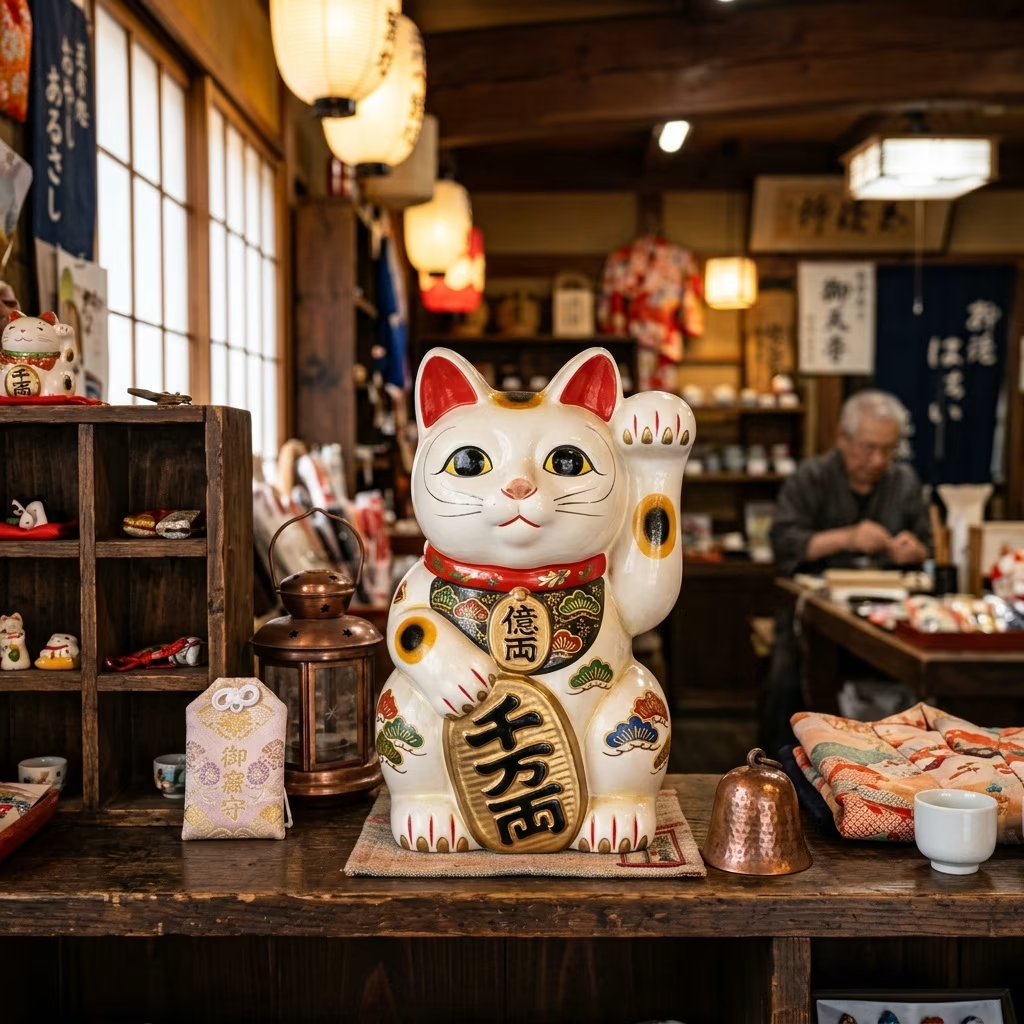
The Maneki Neko (招き猫) is a figurine, usually made from ceramic or plastic, depicting a cat with upraised paw, often adorned with a bib, bell, or coin. Although sometimes mistaken as a Chinese symbol, the Maneki Neko is undeniably Japanese in origin. Its inviting gesture is believed to beckon luck, prosperity, and protection for businesses and homes alike.
- Commonly placed at entrances to businesses and restaurants
- Associated with both material wealth and spiritual protection
- The term maneki means “to invite” or “to beckon”, while neko means “cat”
The Origins and Folklore of the Lucky Cat
Though shrouded in legend, the origins of the Maneki Neko trace back to Japan’s Edo Period (1603–1868). Over generations, several captivating folktales have arisen to explain how this lucky cat came to symbolize fortune.
The Monk and the Samurai: The Gotokuji Temple Legend
The most celebrated legend is set at Gotokuji Temple in Tokyo, where a poor monk lived with his cherished bobtail cat. One stormy day, a weary samurai lord, Ii Naotaka, sought shelter under a tree near the temple. As lightning threatened, the lord noticed the monk’s cat raising its paw as if to invite him inside. Heeding the unusual gesture, the lord left his shelter—and just then, lightning struck the very spot he’d abandoned. Grateful for the cat’s intervention, the samurai became the temple’s benefactor, restoring its fortunes and making it a site of pilgrimage. When the cat died, it was honored forever with an effigy: the very first Maneki Neko.
The Courtesan and the Heroic Cat
Another poignant tale centers on a famous courtesan named Usugumo in Edo-era Yoshiwara. Her loyal cat began acting erratically, tugging insistently at her kimono. Fearing the animal was possessed, her establishment’s owner beheaded the cat. To his horror, the cat’s head flew through the air and killed a venomous snake that had poised to strike Usugumo. Out of sorrow and gratitude, a customer crafted a wooden carving of the feline—becoming another inspiration for the Maneki Neko.
The Dream of Prosperity: The Imado Shrine Legend
Yet another version tells of an impoverished old woman living near Tokyo’s Imado Shrine. Forced by poverty to part with her beloved cat, she later dreamt the cat instructed her to make its likeness in clay and sell the figures. The figurines’ popularity brought her newfound fortune, further solidifying the cat’s connection to luck.
Symbolism and Meaning: Decoding the Maneki Neko
The Beckoning Paw: Left vs. Right
The most essential feature of every Maneki Neko is its raised paw, yet does it matter which one is up? Yes, and every gesture carries a specific wish:
- Left paw raised: Traditionally beckons customers into a business, inviting people (prosperity through footfall).
- Right paw raised: Associated with attracting wealth and overall good fortune.
- Both paws raised: Offers double protection, sometimes interpreted as safeguarding the premises and its occupants.
Color Symbolism
Maneki Neko figurines are available in a range of colors, each articulated to attract specific blessings:
- White: Purity and happiness
- Gold: Wealth, prospering business
- Black: Ward off evil spirits
- Red: Protection against illness
- Green: Academic success and good health
- Pink: Love and romance
Other Design Features
In addition to their beckoning paws and striking colors, Maneki Neko often sport accessories that signify further abundance:
- Koban Coin: Represents wealth; often inscribed with “10 million ryo,” an immense sum from the Edo era
- Bib and Bell: Echo traditional feline attire, referencing how cats were treasured as pets by merchants and symbolized prosperity
- Raised Tail: Thought to sweep in good luck, keeping evil at bay
Maneki Neko Around the World: From Local Charm to Global Icon
From humble Japanese origins, the Maneki Neko traversed regional boundaries, becoming a global emblem for luck and abundance. Today, it decorates not only sushi bars in Tokyo and tea shops in Taipei, but is a fixture in Chinatowns, businesses, and private homes across America, Europe, and beyond.
| Region | Typical Placement | Purpose |
|---|---|---|
| Japan | Shops, restaurants, homes | Inviting customers; bringing general good fortune |
| China | Businesses, especially near cash registers | Welcoming wealth and luck (often mistaken as Chinese in origin) |
| United States & Europe | Asian-themed businesses, pop culture items | Symbol of prosperity, often by the door or window |
Why Do Cats Symbolize Good Fortune in Japan?
Cats have long held a special place in Japanese folklore and rural life. Traditionally, they were seen as effective guardians against rodents, especially in homes, shops, and warehouses dealing in silk or grain—industries vital to Japan’s prosperity. Over generations, the cat’s presence in real life and folklore solidified its status as a harbinger of good luck, wealth, and even mystical protection.
Modern Variations and Contemporary Appearances
Though rooted in centuries-old tales, Maneki Neko has evolved and multiplied in countless new forms. Today’s Lucky Cats can be found:
- In a rainbow of colors, sometimes decorated with modern patterns
- Battery-powered, with mechanical waving paws
- On phone cases, plush toys, and fashion items
- As creative motifs in contemporary art
Despite their playful aesthetics, the heart of the Maneki Neko tradition—invoking luck, charm, and gratitude—remains unchanged.
How to Choose and Place Your Maneki Neko
While there is no singular rule to choosing a Maneki Neko, many people select one based on their goals or desires:
- For business growth: A cat with the left paw raised, often gold or white, is ideal for attracting customers
- For personal protection: A black or red Maneki Neko with a right paw raised is thought to guard against misfortune
- For luck in love or family: Pink or red Maneki Neko are used for happiness and harmony
Placement, too, is symbolic: Many owners situate their Maneki Neko near entrances or cash registers to maximize the figurine’s ability to ‘invite’ luck inside.
Frequently Asked Questions (FAQs) about Maneki Neko
Q: Is Maneki Neko Japanese or Chinese?
A: Maneki Neko’s origins are Japanese. Despite its popularity in Chinese communities, especially as a feng shui ornament, extensive legends and documentation point to Edo-period Japan as its homeland.
Q: What does the raised paw actually mean?
A: If the left paw is up, it’s believed to attract customers. If the right paw is up, it beckons wealth and broader fortune. Both paws up offer double blessings.
Q: Are there specific days or rituals for using Maneki Neko?
A: There’s no strict ritual; the figurine can be placed at any auspicious time. However, some Japanese temples, like Gotokuji, hold annual festivals dedicated to Lucky Cats.
Q: What’s the difference between classic and modern Maneki Neko?
A: Traditional Maneki Neko are handcrafted, usually porcelain or ceramic, painted with care and subtlety. Modern versions may use plastic, fat colors, or even feature movement and lights.
Q: Does the color of my Maneki Neko matter?
A: Yes. Gold and white are traditional for wealth and happiness. Black and red cats fend off negativity; green attracts success in study; and pink draws love.
Maneki Neko in Popular Culture
The Lucky Cat has found its way into movies, manga, anime, and even as a meme or digital sticker. Its iconic status underscores its cross-cultural resonance as a friendly symbol of optimism and abundance.
Final Thoughts: More Than Just a Cute Cat
Beyond its endearing appearance, the Maneki Neko is a living testament to the resilience, gratitude, and hope that animate Japanese folklore. Whether gracing a local sushi bar or starring in global pop icons, the beckoning cat continues to wave in a little luck for us all.
References
- https://omakase-forest.com/blogs/omakase-insights/lucky-cats-beckoning-cats-of-japan-guide-to-maneki-neko
- https://mymodernmet.com/maneki-neko-japanese-lucky-cat/
- https://www.bokksu.com/blogs/news/lucky-cats-of-japan-decoding-the-secrets-of-maneki-neko
- https://www.tokyo-smart.com/en/blog/news/maneki-neko
- https://en.wikipedia.org/wiki/Maneki-neko