Newfoundland Dog Breed Overview
Renowned for their immense size and sweet disposition, the Newfoundland is a giant working breed hailing from the rugged coasts of Newfoundland, Canada. These gentle giants are treasured for their intelligence, swimming ability, and famously docile nature—making them beloved family companions for those who have the space and dedication for such a substantial pet.
Breed History and Origins
The Newfoundland’s roots trace back to the chilly North Atlantic, where these dogs developed their strength and swimming prowess working alongside fishermen. Trusted for generations to haul nets, carry supplies, and—most famously—perform water rescues, Newfoundlands have earned a storied reputation as lifesavers and faithful working partners. Their webbed feet and water-resistant coats are direct results of their heritage, making them unmatched in aquatic environments. The breed’s image was immortalized in literature with “Nana,” the beloved dog from Peter Pan, inspired by author J.M. Barrie’s own Newfoundland .
Physical Appearance and Size
The Newfoundland is unmistakable for both its size and distinctive features. This breed stands among the largest in the canine world.
- Male Height/Weight: 28 inches tall, 130–150 pounds (59–68 kg)
- Female Height/Weight: 26 inches tall, 100–120 pounds (45–54 kg)
- Record-holders: Some Newfoundlands have reached over 200 pounds (90 kg), with reports of exceptional individuals more than 250 pounds (113 kg) and 6 feet (1.8 m) from nose to tail .
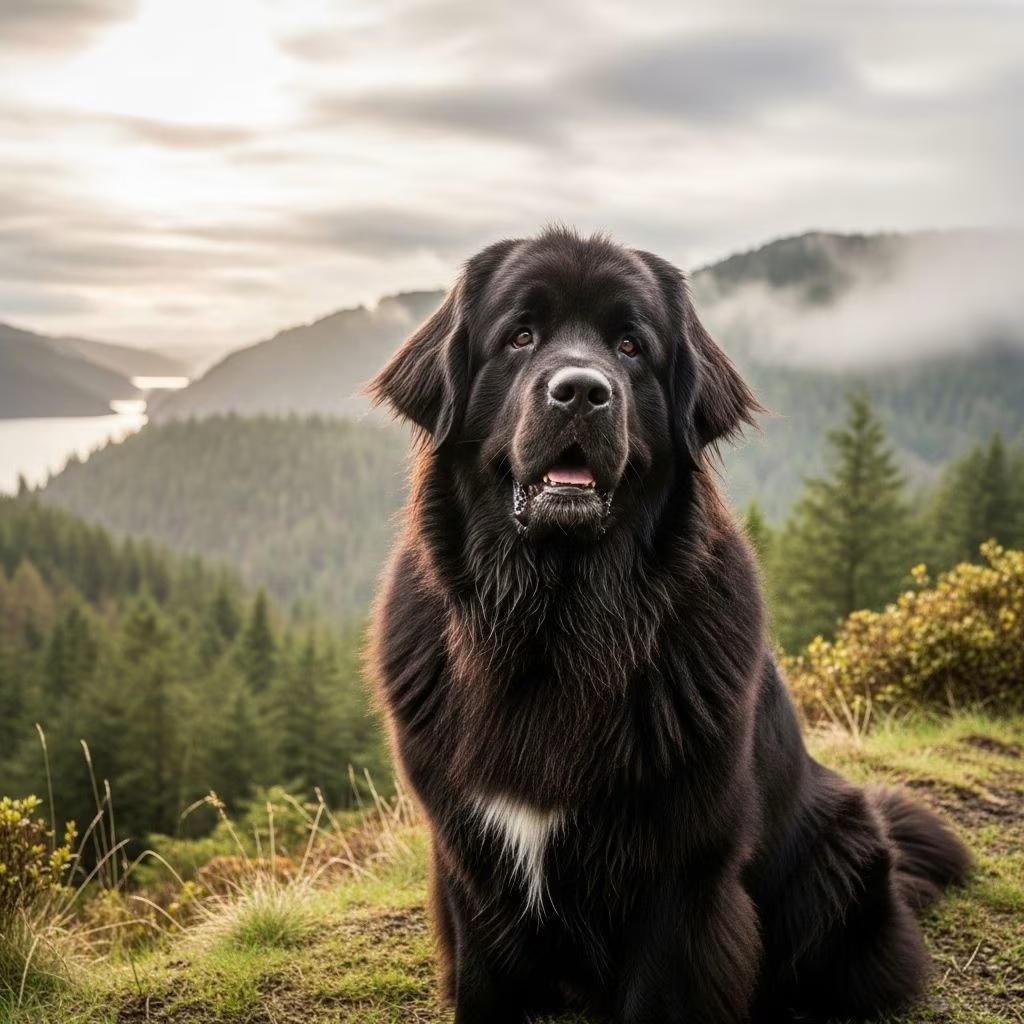
Newfoundlands have a broad, massive head with a sweet, intelligent expression. Their eyes are dark brown, ears small and close to the head, and feet large and webbed for swimming. The dense double coat consists of a coarse, flat outer layer and a soft, insulating undercoat; these features insulate them from freezing water and allow them to thrive in wet conditions. Their tails are thick and strong, acting as rudders while swimming .
Coat Color and Markings
- Common Colors: Black (most classic), brown, gray, and white-and-black (Landseer pattern)
- Markings: White splashes on chest and tail tip are typical. Landseer Newfoundlands are mostly white with black head, saddle, and rump.
- Recognition: Different kennel clubs may recognize a subset of these colors; for instance, the American Kennel Club allows all four, while the Canadian club prioritizes black and white-and-black .
Temperament and Personality
The Newfoundland’s greatest treasure is its legendary temperament. They are adored for being:
- Gentle and affectionate with children—often dubbed “nature’s babysitter”
- Intelligent, devoted, and eager to please
- Calm, laid-back, and adaptable
- Protective but not aggressive: Newfoundlands are watchful, sometimes positioning themselves between their family and strangers, but are not prone to unnecessary barking
- Friendly with other dogs and family pets
These traits make the Newfoundland a unique giant breed, as their calm demeanor and emotional intelligence allow them to fit into family life—provided their substantial needs can be met. Newfies are famous for their loyalty and will quickly alert their humans to danger, such as fire or strangers. Their history as working dogs gives them a strong desire to serve and participate in family activities .
Child and Pet Compatibility
Few breeds are better suited for families with children than the Newfoundland. Their patience and nurturing instincts make them exceptional companions for young children, though due to their size, supervision is always important. They also typically coexist peacefully with other dogs or household pets.
Working Abilities and Activity Level
Newfoundlands are famous for their swimming and lifesaving skills, thanks to their strong muscles, high lung capacity, and webbed feet. Originally bred to retrieve gear and people from treacherous waters, many Newfies still excel in dog sports such as water rescue trials, carting, and drafting.
- Swimming: Water rescue, lifesaving, retrieving
- Draft work: Pulling carts and sleds
- Therapy and assistance: Owing to their calm, loving nature
- Exercise: They have a medium energy level—need daily walks, play, and ideally access to safe water, but also enjoy couch time once tired out
Caring for a Newfoundland
Living with a Newfoundland is deeply rewarding but requires significant commitment. Their size, grooming demands, and need for companionship mean they are not suited for all households.
Grooming
- Double Coat Maintenance: Daily brushing is recommended to minimize tangles and control heavy year-round shedding.
- Bathing: Every 1–2 months or as needed.
- Drool Management: Newfoundlands are prodigious droolers—keep towels handy for furniture, floors, and clothing!
- Nail trimming, ear cleaning, and dental care should be part of routine maintenance.
Exercise and Space Needs
- Yard space: Best suited for homes with ample space and securely fenced yards; apartment living may be possible for highly dedicated owners, but outdoor access is preferable.
- Exercise: Moderate but consistent—long walks, play, swimming, and opportunities for mental stimulation are ideal.
- Water access: Newfoundlands thrive with safe places to swim, though this is not strictly essential if other exercise is provided .
Diet and Nutrition
- Calorie needs: Large size and steady metabolism require a high-quality diet, managed to prevent obesity and support joints.
- Feeding routine: Portion-controlled meals can help reduce the risk of bloat, a concern for giant breeds.
Training and Socialization
- Early socialization is crucial—expose Newfie puppies to diverse people, environments, and experiences.
- Puppy classes are highly recommended to establish obedience and confidence.
- Positive reinforcement methods (treats, praise) yield the best results thanks to the breed’s eager-to-please nature.
Health and Lifespan
Being a giant breed, Newfoundlands are prone to certain health issues and require vigilant care throughout their lives. Typical lifespan is 8–10 years, though some live longer with attentive care.
| Common Health Concerns | Description |
|---|---|
| Hip & Elbow Dysplasia | Developmental joint disorders that may require lifelong management or surgery. |
| Heart Disease (Subvalvular Aortic Stenosis) | A congenital heart defect more common in this breed. |
| Cystinuria | A genetic disorder leading to urinary stones. |
| Bloat (GDV) | Potentially life-threatening twisting of the stomach common in large, deep-chested dogs. |
| Obesity | Prone if overfed; related to joint, heart, and metabolic risks. |
Regular veterinary checkups, ethical breeding practices, and routine health testing (including hips, elbows, heart, and kidney function) help reduce these risks .
Living With a Newfoundland
Potential owners should be fully aware of the practical realities of sharing a home with such a sizable and messy, but endlessly loving, companion:
- Space requirements: Ample indoor and outdoor room is essential.
- Drool and shedding: Hair and drool will be a regular reality—consider your tolerance and cleaning routine before adopting.
- Travel and mobility: Arrangements for transportation, accommodation, and even vet visits must take their size into account.
- Commitment level: Newfoundlands thrive in close company; they should not be left alone for long periods or relegated outside.
In return for this commitment, Newfoundlands reward you with undying loyalty, affection, and joy. Many owners describe their Newfie as a gentle, furry shadow, always nearby, always ready to comfort and protect.
Adopting or Acquiring a Newfoundland
When bringing home a Newfoundland, consider both adoption and reputable breeders—ethical sourcing is key to the dog’s lifelong health and wellbeing.
Adoption Options
- Breed-specific rescues are common and often have adults or special needs dogs looking for loving homes.
- Local shelters and rescue groups may have Newfoundlands or similar mixes available.
Adopting gives a deserving dog a second chance and can be rewarding for experienced owners ready to accommodate the breed’s needs.
Choosing a Breeder
- Research thoroughly: Only work with breeders who prioritize health, temperament, and ethical treatment.
- Health screenings: Reputable breeders test for joint issues, heart conditions, and genetic diseases common to the breed.
- Visit in person if possible, ask questions about the puppies’ socialization, and review contracts and guarantees.
Frequently Asked Questions (FAQs)
Q: Are Newfoundlands good with children?
A: Yes, Newfoundlands are famously gentle and patient with children, often acting as protectors and playmates. Due to their size, supervision is essential to prevent accidental knocking over of smaller kids.
Q: Do Newfoundlands need a lot of exercise?
A: They require daily exercise such as walks, play, and ideally swimming, but are not as demanding as some high-energy breeds. Their activity levels suit families who enjoy moderate, consistent outdoor activity.
Q: Are Newfoundlands difficult to train?
A: No. They are intelligent and eager to please, responding well to positive reinforcement. Early socialization and training are recommended to shape a well-mannered adult dog.
Q: How much grooming do Newfoundlands need?
A: They require daily or frequent brushing due to heavy shedding, and regular maintenance for nails, ears, and teeth. Expect significant shedding and drool.
Q: What health problems are common in Newfoundlands?
A: Hip and elbow dysplasia, heart disease, cystinuria, and bloat are among the most common. Responsible breeding and regular veterinary care are essential.
Q: Do Newfoundlands make good apartment dogs?
A: Generally, no. Their size and exercise needs mean they are best suited to spacious homes with yards and, ideally, water access. Very dedicated owners in apartments may manage, but it’s challenging.
Q: Why are Newfoundlands called “gentle giants”?
A: This breed is known for their enormous size paired with a calmly affectionate, loving demeanor. They are rarely aggressive and deeply committed to their families.
Final Thoughts: Is the Newfoundland Right for You?
If you desire a gentle, protective, and social giant who thrives on companionship and has a heart as big as their paws, the Newfoundland could be your perfect match. Providing for a Newfie’s size, grooming, and care needs is a significant responsibility, but their loyalty, affection, and calm presence make them an unforgettable addition to any home.
References
- https://www.akc.org/dog-breeds/newfoundland/
- https://www.hillspet.com/dog-care/dog-breeds/newfoundland
- https://en.wikipedia.org/wiki/Newfoundland_dog
- https://www.petmd.com/dog/breeds/newfoundland
- https://dogtime.com/dog-breeds/newfoundland
- https://www.webmd.com/pets/dogs/what-to-know-about-newfoundlands