Pekingese Dog Breed: Regal Companions with Ancient Roots
The Pekingese breed is one of the world’s oldest and most distinguished dogs. With a storied past dating back over 2,000 years in imperial China, this toy breed epitomizes dignity, loyalty, and a unique beauty that has captivated generations. From royal courts in Beijing to homes worldwide, Pekingese have maintained their distinctive personality and status as cherished companions.
Breed Origins and History
The heritage of the Pekingese is irrevocably tied to the imperial palaces of ancient China where these dogs were bred exclusively for members of the royal family. In fact, only nobility could own these esteemed dogs, and commoners were forbidden to possess them, with theft punishable by death.
- The breed’s development is traced back to the Han dynasty, more than two thousand years ago.
- The Pekingese was known as the “ha pa dog” and eventually the “foo dog,” each title reflecting its symbolic importance as a Buddhist lion-dog.
- They were regarded as sacred companions, bred to embody the noble and lion-like virtues praised in Buddhist tradition.
Buddhist mythology is closely linked to their development, as lions symbolize courage and protection. Monks bred several toy breeds—including the Pekingese—to emulate the lion’s mane and regal bearing.
Distinctive legends surround the origins of the breed, including tales of a magical lion who was downsized for love but retained a large heart—a fitting metaphor for the Pekingese’s personality.
Arrival in the West
The breed’s transition to the West occurred after the Second Opium War (1860). British and French troops looted Beijing’s palaces, discovering five Pekingese among the remains of the imperial household. These dogs were subsequently transported to England and presented to nobility, including Queen Victoria. This marked the expansion of the breed’s global presence, transforming it from a symbol of Eastern royalty to coveted pets in European high society.
Pekingese Appearance and Unique Characteristics
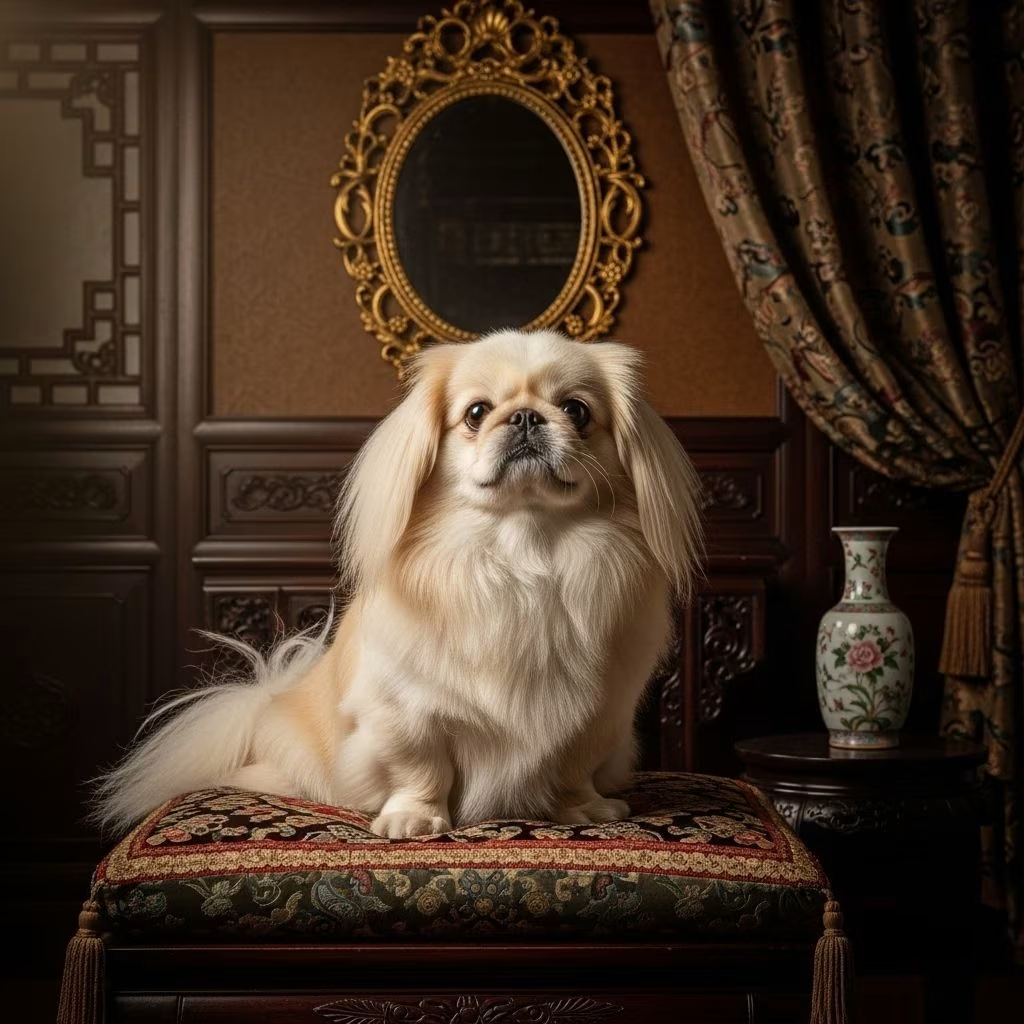
The Pekingese is instantly recognizable thanks to its lavish double coat, flat face, pear-shaped body, and confident, lion-like demeanor. This breed presents a distinguished silhouette, designed to impress.
- Size: A compact toy dog, generally weighing 7–14 pounds and standing 6–9 inches tall.
- Coat: Long, luxurious double coat with a thick mane encircling the shoulders—another nod to its lion-dog origins.
- Face: Brachycephalic (flat-faced) with a prominent black nose and expressive, wide-set eyes.
- Body: Pear-shaped, heavy-boned, and low to the ground.
- Colors: Many, including gold, red, sable, black, cream, and sometimes white.
The breed’s dramatic coat and proud stance underline its historical role as a “living treasure.” Distinct physical traits—such as shorter legs and a flatter face—resulted from centuries of selective breeding in palace kennels.
Temperament: Dignity, Loyalty, and Independence
The Pekingese remains a dignified, independent companion. Its personality still carries the aura of royal privilege and self-assurance.
- Affectionate but Discerning: Bonds closely with family yet retains an aloof attitude toward strangers.
- Confident and Assertive: Shows little fear and prefers to do things on its own terms.
- Alert: Functions well as a watchdog, quick to bark at unfamiliar sounds or visitors.
- Playful and Loyal: Enjoys companionship and gentle play but values its independence.
- Protective: Can be territorial, especially around favorite people and spots.
Despite their small stature, Pekingese are bold and may challenge much larger dogs. Early socialization is essential to cultivate positive behavior, as they can be stubborn and assertive if not trained patiently and consistently.
Health and Lifespan
Pekingese are relatively healthy, often living 12–15 years or more. Nevertheless, their unique anatomy creates certain vulnerabilities. Common health considerations include:
- Brachycephalic Syndrome: Their flat faces make them prone to respiratory difficulties and overheating.
- Eye Injuries: Prominent eyes are susceptible to injury and irritation—requires regular inspection.
- Spinal Issues: Their long backs and short legs can lead to disc problems, especially if overweight.
- Dental Concerns: Tight jaws may result in overcrowded teeth; routine dental care is vital.
- Skin Fold Problems: Deep skin folds around the face must be kept clean to avoid infection.
General Wellness
With attentive care, regular veterinary checks, and a stable living environment, the breed tends to stay robust. Breeders focus on maintaining ancient lineage while balancing modern welfare and health.
Living Needs and Care Requirements
Pekingese thrive in various living situations, from apartments to homes with yards—provided their exercise needs and comfort are met.
- Exercise: Needs daily walks and opportunities for gentle play but is not overly energetic.
- Grooming: Demands regular brushing (several times a week) to prevent matting and manage shedding.
- Climate Sensitivity: Susceptible to heat stroke due to their facial structure—keep cool and avoid overheating.
- Feeding: Requires portion-controlled feeding to prevent obesity, which can exacerbate health problems.
- Training: Responds best to positive reinforcement and patience; avoid harsh discipline.
Because of their dignified nature, Pekingese may be less tolerant of rough play from children or aggressive interactions with other pets. Early training and socialization are crucial for peaceful integration.
Ideal Home and Family Compatibility
The Pekingese excels in attentive, moderately quiet households where respect for its boundaries is the norm. It is suitable for:
- Singles or seniors seeking gentle companionship.
- Families with older, considerate children.
- Homes where pet safety and hygiene are priorities.
As a toy breed, the Pekingese is best protected indoors. It may be cautious or aloof around lively children and prefers stable routines. Potential adopters should be prepared for grooming and health management needs.
Pekingese in Culture and Art
The Pekingese’s impact extends well beyond the home, shaping art, literature, and folklore across centuries.
- Chinese Art: Revered in sculptures, paintings, and symbolic depictions as guardians and treasures.
- Western Literature: Inspired poetry, stories, and even etiquette standards in Victorian era England.
- Cultural Icon: Embodied Buddhist virtues, such as courage, loyalty, and serenity—a living link to ancient traditions.
The breed’s transition from exclusivity in the Forbidden City to global popularity reflects its ability to adapt while maintaining its aristocratic mystique.
Pekingese Adoption and Rescue
Adopting a Pekingese can be an immensely rewarding experience for those ready to honor their regal bearing and unique requirements.
- Rescue organizations and breed clubs offer guidance and support for prospective owners.
- Many shelters and foster centers help match Pekingese with compatible families.
- Responsible breeders and rescue groups prioritize not only breed standards but also the welfare and long-term health of each dog.
Before adopting, research and meet potential Pekingese to ensure the breed aligns with your lifestyle, care skills, and expectations.
Frequently Asked Questions (FAQs)
Q: Are Pekingese good with children?
A: Pekingese are affectionate but tend to be best with older children who understand and respect their boundaries. They may not tolerate rough play or unpredictable behavior from younger kids.
Q: How much grooming do Pekingese need?
A: Regular brushing several times a week is essential, and some owners prefer professional grooming. Pay special attention to the mane and undercoat to avoid matting.
Q: Can Pekingese live in apartments?
A: Yes, Pekingese are well-suited for apartment living as long as their exercise and climate needs are met. They appreciate a safe, comfortable setting.
Q: Are Pekingese easy to train?
A: The breed is intelligent but can be stubborn. Positive reinforcement, patience, and consistency are key. They respond poorly to harsh discipline.
Q: Do Pekingese get along with other pets?
A: Pekingese can coexist peacefully with other pets, especially if socialized early. Supervision is advised around larger dogs due to their size and boldness.
Summary Table: Quick Pekingese Breed Facts
| Breed Group | Toy |
|---|---|
| Origin | Ancient China |
| Lifespan | 12–15 years |
| Typical Weight | 7–14 lbs |
| Height | 6–9 inches |
| Main Traits | Dignified, loyal, independent, affectionate, alert |
| Colors | Gold, sable, black, cream, white, red |
| Good with Kids | Older children preferred |
| Exercise Needs | Low to moderate |
| Grooming Needs | High |
Is the Pekingese Right for You?
If you seek a loyal companion with a regal past, poised demeanor, and a touch of drama, the Pekingese makes an excellent choice. With patience in training, commitment to grooming, and an appreciation for its independent spirit, owners are rewarded with a steadfast friend whose noble heritage endures in every aspect of its character.
References
- https://pekingesepixels.com/pekingese-history/
- https://dogtime.com/feature/133260-history-of-pekingese-dog-breed
- https://www.wisdompanel.com/en-us/dog-breeds/pekingese
- https://en.wikipedia.org/wiki/Pekingese
- https://www.akc.org/expert-advice/dog-breeds/pekingese-history/
- https://www.britannica.com/animal/Pekingese
- https://pekingeseclubofamerica.com/pekingese-history/