With their enchanting butterfly-like ears and sparkling personalities, Papillons have graced the laps of royalty and captured the hearts of dog lovers worldwide for centuries. This comprehensive guide covers the Papillon breed’s fascinating history, appearance, temperament, living needs, health and care essentials, grooming tips, training insights, and frequently asked questions.
Papillon Dog Breed Overview
- Breed Group: Toy
- Height: 8–11 inches at the shoulder
- Weight: 5–10 pounds
- Lifespan: 13–16 years (often longer with good care)
- Temperament: Energetic, intelligent, affectionate
- Coat: Long, silky, straight, single-layer; most often white with patches of color
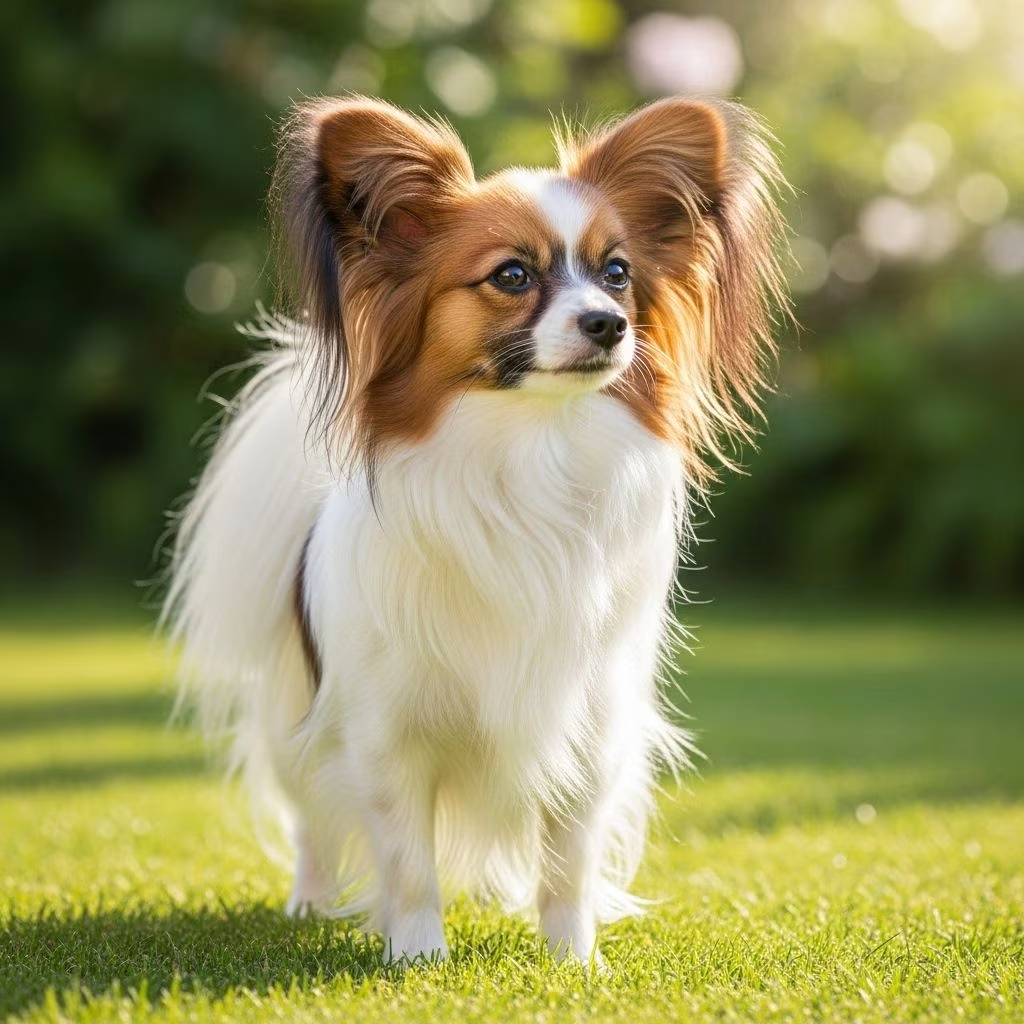
- Distinctive Feature: Large, fringed, butterfly-shaped ears
History and Origin of the Papillon
The Papillon is one of the most ancient toy spaniels, with roots stretching back at least 500 years in Europe. The name Papillon—French for “butterfly”—aptly describes the breed’s dramatic, wing-shaped ears. Early versions of the breed, known as the Phalène (from the French for “moth”), had drop or folded ears, while the upright-eared type that characterizes today’s Papillon gained popularity in the late 19th century. Both ear types can still occur in modern litters and are equally accepted by breed standards.
Royal Companions and Artistic Legacy
Papillons have long been associated with European royalty and nobility, serving as cherished lapdogs and companions. Historical paintings from the 16th century on—by artists like Titian—depict small spaniel dogs resembling Papillons nestled among elegant ladies. The breed has been seen alongside royal children and noblewomen at court, particularly in Italy and France.
- The exact origin of the Papillon is debated: some sources suggest Italian, Spanish, Belgian, or French beginnings.
- They were favorites among aristocrats, often valued as lap and foot warmers.
- According to legend, Marie Antoinette treasured her Papillon named Coco, who outlived her during the French Revolution.
- They were once called Squirrel Spaniels for their squirrel-like, plumed tails.
The Papillon’s evolution from drooping-eared to upright “butterfly” ears became officially recognized in the 19th century. The breed was further refined in France and Belgium, leading to recognition by kennel clubs around the world.
Papillon Today
Recognized by the American Kennel Club and United Kennel Club, Papillons remain popular finalists in dog competitions and loving family members. Their intelligence and agility have made them champions in sports, obedience, and performance tasks, all while retaining their role as affectionate companions.
Physical Characteristics
The Papillon is renowned for its distinctively elegant yet sturdy frame, delicate features, and unique ears. Here are the physical attributes that define the Papillon:
- Size: Small, weighing 5–10 pounds and standing 8–11 inches at the shoulder; compact yet athletic.
- Head: Small, proportionate; slightly rounded skull.
- Ears: Large, upright, well-fringed with long, flowing hair—resembling the spread wings of a butterfly. The Phalène variety features drop ears, still elegant and fringed.
- Eyes: Dark, medium-sized, expressive, with an alert, friendly gaze.
- Coat: Single-layered, long, fine, and silky; often white with patches of color, commonly including shades of black, red, sable, or lemon.
- Tail: Plumed, curves gracefully over the back like a squirrel’s brush.
| Trait | Description |
|---|---|
| Height | 8–11 inches |
| Weight | 5–10 pounds |
| Ear Types | Erect (Papillon) or dropped (Phalène) |
| Coat Colors | White base with colored patches (often black, red, lemon, sable) |
| Life Expectancy | 13–16 years |
Personality and Temperament
Despite their diminutive size, Papillons are renowned for being bold, alert, and lively. Their intelligence and adaptability make them both entertaining and responsive companions. Key personality traits include:
- Highly Intelligent: Papillons are quick learners, ranking among the brightest dog breeds. They excel in learning tricks and mastering new tasks.
- Alert and Inquisitive: Naturally curious, they love exploring their surroundings and observing activity around the home.
- Affectionate and Loyal: Papillons bond closely with their families, showing affection through cuddling, play, and seeking attention.
- Social: Most Papillons get along well with other pets and children, provided they are treated with respect.
- Energetic: Always ready for a brisk walk or a spirited game, Papillons are more active than many toy breeds.
- Confident: They may be small but rarely act timid; some even have watchdog tendencies, alerting their owners to new people and sounds.
Tip: Early socialization is recommended to ensure they are well-adjusted in various social settings and not overly timid or yappy.
Living Needs: Is a Papillon Right for You?
Papillons adapt well to a range of living arrangements, from city apartments to spacious country homes. Consider the following when evaluating if a Papillon is the right fit:
- Space: Their size makes them suitable for apartment living, but they require daily play and activity to burn energy.
- Companionship: Papillons thrive with close human interaction. They dislike being left alone for long periods and may develop separation anxiety.
- Activity: They need regular walks, interactive games, or agility training to satisfy their intellect and physical needs.
- Children & Pets: Generally get along with respectful children and pets; always supervise interactions due to their small stature.
- Travel: Their portable size and outgoing nature make them good travel companions.
Papillon Care
Grooming Needs
Papillons have flattering, flowing, single-layered coats that are relatively easy to manage and do not shed excessively. Regular grooming is important:
- Brushing: Comb at least two to three times per week to prevent tangles and mats, especially behind the ears and on the tail.
- Bathing: Bathe every few months or as needed to keep the coat gleaming. Overbathing can dry the coat and skin.
- Ears: Inspect and clean ears weekly to avoid wax buildup, debris, and infections—particularly important due to their ear shape and hair.
- Nails: Trim regularly to prevent overgrowth and discomfort.
- Teeth: Brush frequently; Papillons are prone to dental issues common among small breeds.
Exercise Requirements
- Daily Walks: Short, brisk walks or play sessions in a fenced yard or indoors are ideal.
- Interactive Play: Games of fetch, puzzle toys, and agility drills help keep the mind and body fit.
- Supervised Outdoor Time: Always supervise outdoor activities; Papillons are small and may be at risk from larger animals or escape opportunities.
Diet and Nutrition
- Quality Food: Provide complete, balanced meals formulated for small-breed dogs; portion control is vital to prevent weight gain.
- Fresh Water: Ensure access to clean drinking water at all times.
- Treats: Use treats for training and enrichment, but keep within daily caloric needs.
Health and Lifespan
With attentive care, Papillons often live long, robust lives. However, like all breeds, they do have some health risks to monitor:
- Patellar Luxation: Dislocation of the kneecap, a common issue in small breeds.
- Dental Disease: Regular dental hygiene is crucial to prevent tartar buildup and periodontal disease.
- Progressive Retinal Atrophy (PRA): An inherited condition causing gradual vision loss.
- Collapsed Trachea: Avoid exerting pressure on the neck during walks; use a harness for leash attachment.
- Hypoglycemia: In rare cases, young puppies can experience low blood sugar.
Regular veterinary check-ups, a proper diet, and a healthy lifestyle help ensure Papillons reach and often surpass the average lifespan of 13–16 years.
Training Your Papillon
Papillons are considered one of the smartest dog breeds, making them quick to learn obedience and tricks when positive reinforcement is used. Suggested training tips:
- Consistency: Keep sessions short, fun, and consistent for best results.
- Early Socialization: Expose your Papillon to various people, pets, and environments from a young age.
- Gentle Methods: Responds best to praise and treats; harsh discipline is unnecessary and counterproductive.
- Challenge Their Minds: Try agility courses, competitive obedience, and puzzle games to keep them mentally engaged.
Papillon vs. Other Toy Breeds
| Trait | Papillon | Pomeranian | Chihuahua |
|---|---|---|---|
| Intelligence | Very High | Moderate | Moderate |
| Exercise Needs | High for size | Moderate | Moderate |
| Ease of Training | Excellent | Good | Good |
| Sociability | High | Moderate | Low–Moderate |
| Shed Level | Low–Moderate | Moderate | Low |
Buying or Adopting a Papillon
If you are considering a Papillon, always seek out ethical breeders or rescue organizations with a reputation for healthy, well-socialized puppies or adult dogs. Here’s what to keep in mind:
- Screen Breeders: Insist on health clearances for common hereditary issues and meet the puppy’s parents if possible.
- Consider Adoption: Rescue groups sometimes have Papillons waiting for loving homes.
Fun Facts About the Papillon
- Papillon means “butterfly” in French, referring to their ear shape.
- The drop-eared variety is called the “Phalène,” meaning “moth.”
- Papillons have appeared in famous works of art dating back to the Renaissance.
- They excel at agility, obedience, and even therapy work.
- Despite their dainty look, Papillons are remarkably robust and energetic.
Frequently Asked Questions (FAQs)
Q: Is the Papillon a good family dog?
A: Yes, Papillons make excellent family pets when socialized early. They are affectionate and playful but may be better suited to families with older children who understand how to gently handle small breeds.
Q: Do Papillons get along well with other pets?
A: Papillons are usually sociable with other dogs and can coexist peacefully with cats and other animals, especially when introduced thoughtfully during puppyhood.
Q: How much exercise does a Papillon need?
A: While they are small, Papillons are quite active and require daily walks plus playtime or agility training to remain happy and healthy.
Q: Is the Papillon easy to train?
A: Absolutely. The Papillon is among the most intelligent and trainable of all toy breeds. They thrive on mental stimulation and positive reinforcement.
Q: Do Papillons shed a lot?
A: Papillons have moderate shedding and require regular brushing, but their single coats are relatively easy to manage.
Q: How long do Papillons live?
A: With good care, most Papillons live 13–16 years, and some reach ages of 17 or 18 years or more.
Papillon Breed Summary
- Ancient lineage and royal connections set the Papillon apart among toy breeds.
- Butterfly-shaped ears and lively spirit make them uniquely charming.
- Best for those seeking an active, affectionate, and intelligent companion.
- Easy to train, fun to live with, and suited to varied lifestyles—but happiest with plenty of interaction and play.
References
- https://www.dogster.com/lifestyle/what-were-papillons-bred-for-history
- https://mywoof.com/blogs/articles/dog-breed-profile-papillon
- https://www.playtyme.us/papillon-breed-info/papillon-history/
- https://papillonclub.org/articles-a-brief-history-of-the-papillon/
- https://en.wikipedia.org/wiki/Papillon_dog
- https://www.wisdompanel.com/en-us/dog-breeds/papillon
- https://www.akc.org/dog-breeds/papillon/
- https://www.petmd.com/dog/breeds/papillon