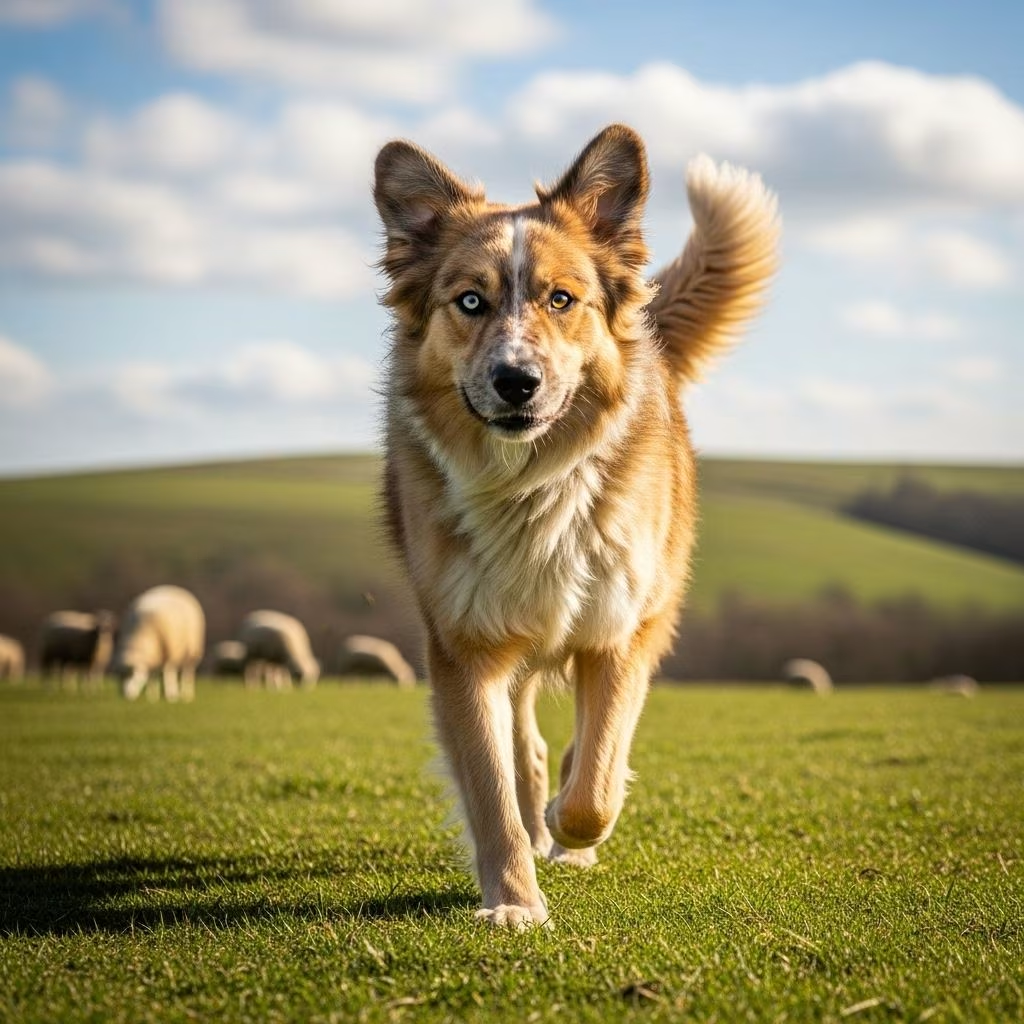
The Pyrenean Shepherd, often affectionately known as the ‘Pyr Shep,’ is a small, agile herding breed descended from the ancient sheepdogs of the Pyrenees Mountains along the French and Spanish border. Celebrated for their unflagging energy, intelligence, and adaptability, Pyrenean Shepherds have earned respect both as working dogs and loving companions. This guide explores their history, appearance, temperament, and care, designed for prospective owners and dog enthusiasts alike.
Overview
Breed Name: Pyrenean Shepherd (Berger des Pyrénées)
Group: Herding
Origin: Pyrenees Mountains, France
Height: 15.5–21 inches (depending on type and sex)
Weight: 15–30 pounds
Life Expectancy: 17–19 years
AKC Recognition: Fully recognized since 2009
History & Origins
The Pyrenean Shepherd stands as one of Europe’s oldest herding breeds, with roots possibly stretching back over 6,000 years. Developed through centuries of working livestock in the harsh Pyrenees Mountains, these dogs were selectively bred for stamina, intelligence, and agility. Their story is deeply entwined with that of the region’s shepherds who valued their small size for nimble movement across rocky terrain while guarding and directing vast flocks of sheep and goats.
- Ancient Heritage: Evidence suggests sheep and goat herding was well-established in the Pyrenees by 4000 BCE, hinting at the breed’s ancient presence.
- Art and Culture: The Pyr Shep has appeared in French art since the Renaissance, notably featuring in “Costumes des Pyrenees” and Descamps’ “Le Retour du Berger.”
- World War I Roles: The breed’s skill, stamina, and bravery ensured their deployment as couriers and search-and-rescue dogs during World War I, gaining international recognition among military personnel.
Breed Standard & Physical Appearance
Pyrenean Shepherds are sinewy, athletic, and distinctly small for a working sheepdog. The breed is recognized in two coat varieties:
- Rough-Faced: Features long, tousled hair on the face giving a shaggy appearance.
- Smooth-Faced: Has shorter, finer hair on the face, tail, and legs. This variety is also usually slightly taller.
Key Physical Traits:
- Height: 15.5–18.5 inches for rough-faced males, up to 21 inches for smooth-faced males. Females are typically smaller.
- Weight: 15–30 pounds; light boned and lean.
- Expression: Alert, intelligent, and lively with an intense gaze.
- Eyes: Usually brown; blue eyes occur in merle-coated dogs.
- Ears: Semi-erect, folding forward at the tips. Traditionally cropped in some regions, but both cropped and natural are acceptable. Cropping is now discouraged and often illegal.
- Tail: May be natural or docked.
- Gait: Known for a fluid, effortless movement that gives the impression of skimming above the ground.
Color and Coat Varieties
- Coats range from fawn, merle, brindle, to black or black with white markings.
- The rough-faced variety has a longer, more tousled coat; the smooth-faced type is shorter-haired and generally sleeker.
- Maintenance for both types requires regular brushing but is less demanding than many long-haired breeds.
Personality & Temperament
- Intelligent and Trainable: These dogs are whip-smart, eager to learn, and responsive to consistent, positive reinforcement.
- Active and Energetic: Pyrenean Shepherds thrive on physical activity and mental stimulation, with the endurance to easily run a marathon’s distance daily in their herding prime.
- Mischievous and Playful: Their spirited natures make them entertaining but also a handful for under-prepared owners.
- Devoted Companions: Form strong bonds with their people, often becoming deeply loyal and affectionate family members.
- Sensitivity: They are known for attuning closely to their handler’s moods and routines, sometimes appearing “one-person dogs.” However, with proper socialization, they are friendly with family and respectful of strangers.
Living With a Pyrenean Shepherd
Exercise Needs
- Pyr Sheps possess tremendous athleticism and require daily, vigorous exercise—think long walks, hikes, running, agility, or herding games.
- Without a challenging job or stimulating activities, they may invent their own amusements, which can include herding children or other pets, or becoming mischievous.
Home Environment
- Best suited for active households, preferably with access to a secure yard for free play and training.
- Can adapt to various living situations provided exercise and stimulation needs are met.
- May be reserved or aloof with strangers, but not aggressive. Early socialization is key for confident behavior.
Compatibility
- Excellent with respectful children and typically get along well with other dogs, especially when introduced early.
- May try to herd small animals; supervision around non-canine pets is recommended.
Training and Activities
- Obedience: Start early and use positive reinforcement. They respond well to consistency and clear cues.
- Cognitive Challenges: Enjoy agility, herding, obedience, rally, and even advanced tricks to channel their intellect.
- Performance Sports: The breed excels at dog sports that test speed, agility, and responsiveness.
- Work and Task: They are happiest when provided with a job, whether it’s traditional herding, participating in canine events, or regular obedience work at home.
Health & Lifespan
Pyrenean Shepherds are long-lived and generally robust, often reaching 17–19 years.
Recommended Health Testing:
- Hip Dysplasia: Screen with OFA, PennHip, or OVC.
- Heritable Eye Defects: Check through CERF or CAER exams.
- Patellar Luxation: OFA evaluation recommended.
- Cardiac Issues: OFA cardiac testing preferred.
Puppies should be vet-checked and cleared for eye health before joining new homes. Responsible breeders will provide testing documentation, which is essential in maintaining breed health and longevity.
General Care
- Feed a balanced, age-appropriate diet—your veterinarian can provide guidance based on energy expenditure and body condition.
- Keep the coat tangle-free with weekly brushing; rough-faced types may need more frequent grooming if not clipped.
- Routine nail trimming, ear checks (especially for those with natural ears), and dental hygiene are necessary.
Grooming
- Minimal coat maintenance: Brush weekly to remove debris and prevent mats.
- Bath as needed, especially after outdoor adventures.
- Rough-faced coats may need trimming around the face and feet if hair begins to impede vision or movement.
- Check for ticks, especially after walks in brushy or wooded areas.
Fun Facts About the Pyrenean Shepherd
- Endurance Athletes: A working Pyr Shep can cover up to 25 miles per day herding sheep.
- Small But Mighty: Only two Pyr Sheps are typically needed to manage a flock of 1,000 sheep.
- Global Fame: Their contributions in World War I as couriers and rescue dogs earned them respect beyond France.
- Artisans’ Muse: Featured in French art and culture over many centuries, symbolizing their regional importance.
Is the Pyrenean Shepherd Right for You?
If you are seeking a devoted, intelligent, and energetic companion with a flair for activity and a long, storied heritage, the Pyrenean Shepherd could be an ideal fit. However, expect to spend significant time on exercise, training, and providing stimulating challenges. They thrive with confident, active owners who can channel their energy and intelligence into positive outlets.
Finding a Pyrenean Shepherd
- Choose a breeder who is transparent about health screenings and follows ethical breeding practices.
- Ask about the parents’ temperaments, health clearances, and see if you can meet them.
- Consider adoption or breed-specific rescues as well—these dogs can make wonderful additions to experienced homes.
- Review available puppies raised in home environments with proper socialization.
Pyrenean Shepherd Quick Facts Table
| Characteristic | Description |
|---|---|
| Group | Herding |
| Origin | Pyrenees Mountains, France |
| Size | Small to medium (15–30 lbs) |
| Coat Types | Rough-faced, Smooth-faced |
| Colors | Fawn, Merle, Brindle, Black, Black with white |
| Life Span | 17–19 years |
| Known For | Intelligence, agility, loyalty |
Frequently Asked Questions (FAQs)
Q: Are Pyrenean Shepherds good with children?
A: Yes, Pyrenean Shepherds are generally affectionate, devoted, and playful with children, especially if raised with them and given early socialization. Supervision is advised with very young children due to the breed’s herding instincts.
Q: How much exercise does a Pyrenean Shepherd need?
A: Pyr Sheps need vigorous, daily exercise—preferably at least one hour of active play, running, or herding-like activities. They excel in agility, obedience, and dog sports that allow them to expend their energy constructively.
Q: Are Pyrenean Shepherds easy to train?
A: This breed is highly intelligent and quick to learn, but their energetic and mischievous nature means they benefit from patient, consistent, and positive-reinforcement-based training.
Q: Do Pyrenean Shepherds shed a lot?
A: They are moderate shedders, and regular weekly brushing helps manage loose hair, prevent matting, and keep their coats healthy.
Q: What health problems are common in the breed?
A: While generally robust, the breed should be screened for hip dysplasia, patellar luxation, hereditary eye defects, and cardiac issues. Choosing a responsible breeder who tests for these is crucial.
Resources for Further Information
- The American Kennel Club — Breed standard, puppy listings, and care advice
- Pyrenean Shepherd Club of America — Breed education, events, and health resources
- Consult with veterinarians and breed experts for personalized guidance
References
- https://www.akc.org/dog-breeds/pyrenean-shepherd/
- https://www.akc.org/expert-advice/lifestyle/6-fun-facts-about-the-pyrenean-shepherd/
- http://cdn.akc.org/Pyrenean_Shepherd-club-flyer.pdf
- https://www.webmd.com/pets/dogs/what-to-know-about-pyrenean-shepherds
- https://www.pyrshepclub.org/meet-the-pyr-shep