The Shiba Inu is an ancient and beloved breed from Japan, cherished for its spirited personality, fox-like appearance, and loyal nature. In this comprehensive guide, we’ll cover everything potential and current owners should know about this unique dog—from its history and characteristics to daily care, training challenges, and common health concerns.
Breed Overview
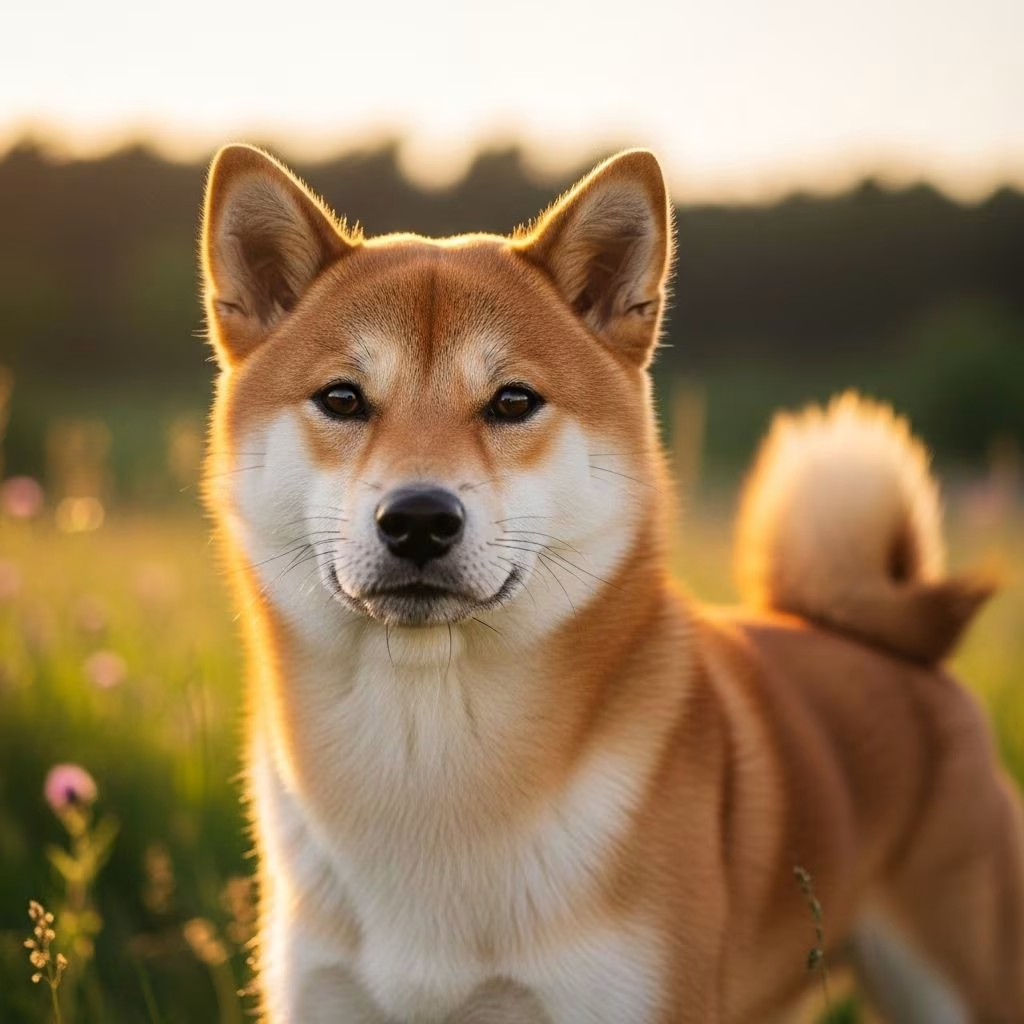
The Shiba Inu is a small-to-medium-sized dog, well-muscled and compact, with a distinctive curled tail, pricked ears, and a thick double coat that comes in colors such as red, cream, black and tan, and sesame. Originally bred for hunting in the mountainous regions of Japan, Shibas are agile, alert, and independent, traits that still define the breed today.
History and Origin
The Shiba Inu is one of the oldest dog breeds in the world, with roots tracing back to ancient Japan, where it was used to hunt small game and birds. The breed’s name, “Shiba,” translates to “brushwood,” referring to the brushy terrain these dogs once hunted in, and “Inu” means dog. While historically valued for hunting, today’s Shibas are more likely to be found lounging at home as cherished companions.
Breed Characteristics
Known as the smallest of the six original Japanese breeds, the Shiba Inu exhibits unique characteristics that set it apart:
- Size: Typically weighs 17–23 lbs (7.7–10.4 kg) and stands about 13.5–16.5 inches (34–42 cm) tall at the shoulder.
- Coat: Double-coated, with a soft undercoat and a stiff outer coat up to 2 inches long; colors include red, cream, black and tan, and sesame.
- Appearance: Fox-like features, upright ears, curled tail, and “Urajiro” markings—cream to white markings on the underside, cheeks, and tail.
- Lifespan: Generally 12–15 years with proper care.
Personality and Temperament
Shiba Inus are intelligent, bold, and independent dogs. They often display a “cat-like” aloofness, being reserved with strangers while forming strong bonds with their families. They are affectionate and loyal with their owners but can be stubborn and require consistent training.
- Alertness and Prey Drive: Shibas have a strong hunting instinct and may chase small animals, so leash walks are recommended.
- Social Behavior: They can be reserved or aggressive with unfamiliar dogs and may not tolerate small pets due to their prey drive.
- Vocalization: Notorious for the “Shiba scream”—a loud, high-pitched vocalization when stressed, anxious, or displeased.
- Cleanliness: Shibas are known for their cleanliness and are relatively easy to housebreak.
Caring for a Shiba Inu
Diet and Nutrition
Shiba Inus do well on high-quality commercial dog food formulated for their age, size, and activity level. Since they are prone to obesity, portion control and regular exercise are important.
| Life Stage | Diet Recommendation |
|---|---|
| Puppy | High-quality puppy food, split into 3–4 daily meals |
| Adult | Adult formula, feed twice daily |
| Senior | Senior diet, monitor weight and adjust portions |
Exercise Needs
Shibas are energetic and require regular physical activity. Incorporate daily walks, play sessions, and mentally stimulating games to prevent boredom and destructive behavior.
- Daily Walks: At least two walks daily, ideally totaling 1–2 hours.
- Playtime: Interactive toys and games to challenge their intelligence.
- Off-Leash Risks: Due to their strong prey drive, Shibas should be leashed in unsecured areas.
Grooming Requirements
Shiba Inus are clean dogs that groom themselves much like cats, but their thick double coat still requires regular maintenance:
- Brushing: Brush at least a few times a week to manage shedding; daily during seasonal shedding (“blowing coat” periods).
- Bathing: Bathe as needed, typically every few months, unless they get especially dirty.
- Nail Trimming: Trim nails monthly if they do not wear down naturally.
- Ear and Dental Care: Check ears weekly for dirt or redness; brush teeth several times a week.
Training and Socialization
Shibas are intelligent but can be stubborn and independent. Early socialization and positive, consistent training are crucial:
- Start Early: Begin training and socialization as a puppy to foster good habits.
- Positive Reinforcement: Use treats, praise, and patience—never harsh methods.
- Socialization: Expose your Shiba to different people, animals, and environments to reduce aloofness and aggression.
- Housetraining: Generally easy due to the breed’s cleanliness, but consistency is key.
Common Health Concerns
Shiba Inus are generally healthy, but like all breeds, they can be predisposed to certain conditions:
| Health Issue | Description | Prevention |
|---|---|---|
| Patellar Luxation | Kneecap dislocation | Maintain healthy weight, avoid excessive jumping |
| Hip Dysplasia | Abnormal hip joint development | Responsible breeding, regular vet checks |
| Allergies | Skin and food allergies | Good diet, regular grooming, monitor for symptoms |
| Dental Issues | Periodontal disease | Regular tooth brushing, dental treats |
| Obesity | Excessive weight gain | Balanced diet, regular exercise |
Finding a Shiba Inu
When choosing a Shiba Inu, consider adoption from shelters or rescue groups. If buying from a breeder, research thoroughly to ensure ethical practices and healthy breeding standards.
- Adoption: Check local shelters and Shiba-specific rescues.
- Reputable Breeders: Look for breeders who perform health screenings and socialize puppies.
- Cost: Shiba Inu puppies from reputable breeders can be expensive; factor in lifelong care costs.
Living with a Shiba Inu
Shibas adapt well to various living situations, including apartments, as long as their exercise needs are met. They are clean and generally quiet, but their independence means they may not be the ideal first dog for inexperienced owners.
- Family Compatibility: Best for families with older children who understand dog boundaries.
- Multi-Pet Households: May coexist with other pets if socialized early, but caution is needed with small animals.
- Alone Time: Shibas can be left alone for moderate periods if properly trained and exercised, but they thrive on companionship.
Frequently Asked Questions (FAQs)
Q: Are Shiba Inus good family dogs?
A: Shiba Inus can be good family dogs for experienced owners with older children. They are loyal and affectionate with their families but may be reserved or aloof with strangers and young children.
Q: How much exercise does a Shiba Inu need each day?
A: Shiba Inus need 1–2 hours of exercise daily, including walks, playtime, and mental stimulation. Without enough activity, they may become destructive or anxious.
Q: Do Shiba Inus shed a lot?
A: Yes, Shibas have a thick double coat that sheds moderately year-round and heavily during seasonal changes (spring and fall). Regular brushing helps manage shedding.
Q: Are Shiba Inus easy to train?
A: Shibas are intelligent but can be stubborn and independent, making training a challenge. Consistent, positive reinforcement methods work best, and early socialization is crucial.
Q: What is the “Shiba scream”?
A: The “Shiba scream” is a loud, high-pitched vocalization Shibas make when stressed, anxious, or unhappy. It’s a distinctive trait of the breed.
Q: Can Shiba Inus live in apartments?
A: Yes, Shiba Inus can adapt to apartment living if they receive sufficient daily exercise and mental stimulation.
Fun Facts
- The Shiba Inu is one of Japan’s six native breeds and the smallest.
- Shiba Inus are sometimes called “cat-like” due to their clean, independent nature.
- The breed nearly became extinct during World War II but was revived by dedicated breeders.
- Shiba Inus have a strong sense of self and are known for “Shiba side-eye,” a skeptical or judgmental gaze.
Final Thoughts
The Shiba Inu is a captivating breed with a unique blend of independence, intelligence, and charm. While they can be challenging for first-time owners, their loyalty, cleanliness, and spirited personality make them a rewarding companion for those prepared for their needs. With proper care, training, and socialization, a Shiba Inu can be a delightful addition to the right home.