Staffordshire Bull Terrier: Comprehensive Breed Guide
The Staffordshire Bull Terrier stands out as a courageous, muscular, and loving dog breed well-known for its loyalty and affectionate nature. Prized as a family companion and historically nicknamed the ‘Nanny Dog’, Staffies charm owners with their energy, intelligence, and strong bond with children. This guide covers all aspects of the Staffordshire Bull Terrier—from its origins and personality traits, to essential care, health, and frequently asked questions.
Staffordshire Bull Terrier Overview
- Breed Group: Terrier
- Height: 14–16 inches (male & female)
- Weight: 24–38 pounds (male); 24–34 pounds (female)
- Life Expectancy: 12–14 years
- Coat: Short, smooth, low-maintenance
- Temperament: Energetic, affectionate, tenacious, loyal
Breed Highlights
- Loving and Affectionate: Deeply bonded with family, gentle with children.
- Muscular Build: Compact yet powerful, famed for impressive strength.
- Active and Playful: Enjoy vigorous exercise, games, and outdoor adventures.
- Highly Intelligent: Quick learners but need consistent training due to stubborn streak.
- Loyal Guardians: Protective, alert to their surroundings, often serve as deterrents by appearance alone.
- Low Grooming Needs: Requires minimal coat care, occasional bathing and brushing.
- Good With Children: Renowned as a ‘Nanny Dog’ for their gentle and patient disposition.
History of the Staffordshire Bull Terrier
The Staffordshire Bull Terrier traces its roots to 19th-century England. Bred by crossing the Bulldog with terrier breeds—most notably the ancestor of the Manchester Terrier—the goal was to create a smaller, agile, and courageous dog for use in fighting rings. Their temperament was selectively nurtured to be friendly and gentle with humans, even as fighting tasks required aggression toward other dogs.
The breed’s transformation from fighting dog to family companion began in the 19th century, with the formation of the first Staffordshire Bull Terrier Club in 1835, which set standards for breeding and temperament. In America, Staffords built a reputation for loyalty and companionship, ultimately gaining American Kennel Club recognition in 1975, with Tinkinswood Imperial being the first registered dog.
Despite their tough appearance and working origins, modern Staffordshire Bull Terriers are cherished for their good-natured personalities, energy, and adaptability to various roles—from sports to therapy work.
Physical Appearance
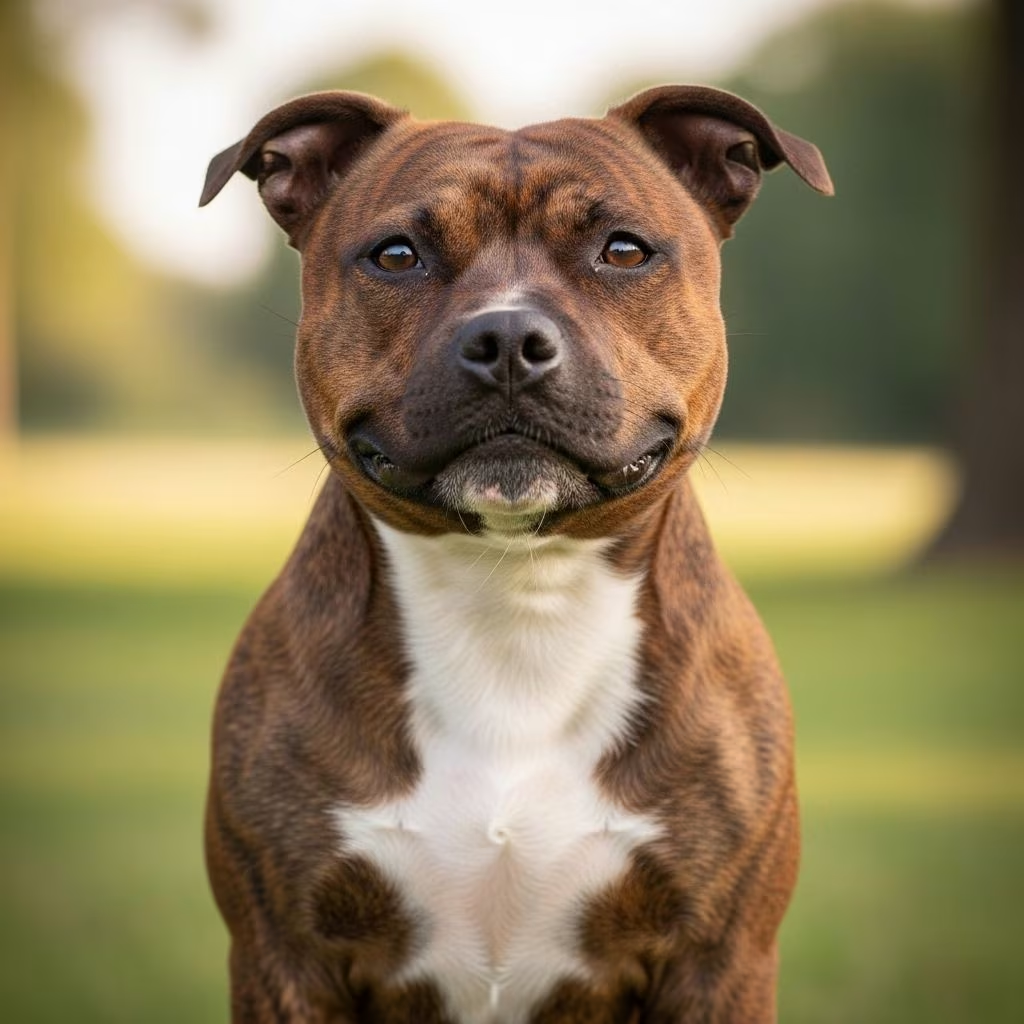
- Build: Sturdy, muscular, yet compact; stands square and balanced.
- Head: Short, broad skull, pronounced cheek muscles, distinct stop.
- Muzzle: Short, strong jaws, tight lips.
- Eyes: Round, medium-sized, set directly forward; dark eyes preferred.
- Nose: Always black.
- Ears: Rose or half-pricked; full drop or full prick ears are faults.
- Neck & Shoulders: Muscular, slightly short neck, broadening toward well-laid back shoulders.
- Legs & Feet: Forelegs: straight, well-boned, set apart at shoulders; strong pasterns, feet turn out slightly.
- Coat Colors: Red, fawn, white, black, blue, brindle, and any of these with white.
Temperament and Personality
Staffordshire Bull Terriers are famed for their loyal, affectionate, and exuberant personalities. Despite their strength and courage, they are also remarkably sensitive and people-oriented. Key personality traits:
- Courageous and bold in spirit.
- Affectionate towards family members, particularly gentle with children.
- Tenacious and determined.
- Intelligent and quick to learn, though can be stubborn if not given stimulating tasks.
- Playful, active and loves interactive games like tug-of-war and fetch.
- Protective of people; appearance may deter intruders.
- Social and comfort-loving, thrive best with regular human companionship.
Staffords are happiest when involved with family life—whether lounging, traveling, hiking, or simply sharing in daily activities. They are generally good watchdogs but should not be relied upon for guard or attack duties due to their natural gentleness.
Living Needs
Exercise
- High energy: Needs at least one vigorous walk per day and plenty of playtime.
- Activities: Enjoys agility, flyball, obedience, and other dog sports.
Companionship
Staffordshire Bull Terriers do not do well when left alone for long periods. They crave close contact and should be part of the family’s daily routine. Prolonged isolation can lead to behavioral issues and anxiety.
Space Requirements
- Adaptable to apartments provided they receive sufficient exercise.
- Prefer homes where they can be indoors with the family.
Training & Socialization
Staffordshire Bull Terriers are highly trainable thanks to their intelligence, but training should begin early and remain consistent. Positive reinforcement methods work best, as harsh corrections can damage trust due to their sensitive nature.
- Early socialization helps prevent aggression toward unfamiliar dogs.
- Obedience training is essential to channel energy and curiosity into constructive behavior.
- Stubborn streak requires patient teaching and engaging activities.
Staffords respond well in dog sports and are known to excel at agility, flyball, and therapy work. Owners must always be the calm, assertive leader to maintain a well-adjusted and happy staffie.
Grooming and Maintenance
- Coat Care: Short, smooth coat; weekly brushing and occasional baths are sufficient.
- Nail Care: Nails should be trimmed regularly to avoid overgrowth.
- Dental Care: Regular brushing to maintain oral health.
- Ear Cleaning: Check and clean ears weekly to prevent infection.
The breed’s minimal grooming requirements make them well-suited for owners who prefer low-maintenance routines.
Health and Wellness
| Common Health Concerns | Description |
|---|---|
| Hereditary Cataracts | Can cause vision loss; screening recommended. |
| Hip Dysplasia | Malformation of the hip joint, may lead to lameness. |
| Elbow Dysplasia | Affects the elbow joint, causing discomfort or arthritis. |
| Patellar Luxation | Kneecap displacement; common in active breeds. |
| Skin Allergies | May develop allergies or irritations; regular checks advised. |
| Demodectic Mange | Skin mite infection, treatable with medication. |
| L-2-Hydroxyglutaric Aciduria | Genetic metabolic disorder; breeders should screen for it. |
Routine veterinary visits, screenings for inherited diseases, and maintaining a healthy diet and exercise regimen can prolong and enhance the Stafford’s quality of life. Responsible breeders always test for common hereditary conditions.
Diet and Nutrition
- High-quality dog food: It is crucial to feed well-balanced, age-appropriate meals.
- Portion control: Staffords may be prone to obesity if food intake is not managed.
- Supplements: Consult with a veterinarian before introducing supplements for joint health or coat condition.
- Water: Ensure access to fresh water at all times.
Diet should be tailored to the dog’s age, activity level, and any special medical concerns.
Living With Staffordshire Bull Terriers
- Family Life: Staffies excel as loving pets in homes with children and adults alike.
- Other Pets: May show aggression toward unfamiliar dogs; early socialization mitigates behavioral risks.
- Travel: Enjoy car rides and trips, as long as they are with their family.
- Crate Training: Useful for boundaries and safety, especially in multi-pet households.
Staffordshire Bull Terriers are best suited for owners who embrace an active, involved lifestyle and prioritize companionship and positive training methods.
Frequently Asked Questions (FAQs)
Q: Are Staffordshire Bull Terriers good with children?
A: Yes, Staffords are famous for their affectionate, patient nature around children and have earned the nickname ‘Nanny Dog’. Supervision is essential, as with any breed.
Q: Do Staffordshire Bull Terriers get along with other dogs?
A: While Staffords are very friendly with people, some may be aggressive towards unfamiliar dogs, especially of the same sex. Early training and socialization are key.
Q: How much exercise do Staffordshire Bull Terriers need?
A: Staffords require at least one vigorous walk per day, plus active playtime and mental stimulation to stay happy and fit.
Q: Are Staffordshire Bull Terriers easy to train?
A: They are intelligent and learn quickly but require patient, consistent, positive training. Their stubbornness may surface without engagement.
Q: Do Staffordshire Bull Terriers have any breed-specific health issues?
A: Yes, they are prone to hereditary cataracts, hip and elbow dysplasia, mange, and genetic metabolic disorders. Regular screening and vet visits are recommended.
Breed Pros and Cons Table
| Pros | Cons |
|---|---|
| Affectionate, loyal family dogs | May be aggressive with unfamiliar dogs |
| Low grooming needs | High-energy, needs ample exercise |
| Protective and alert | Prone to separation anxiety if left alone |
| Quick learners | Stubborn streak if not engaged in training |
Is the Staffordshire Bull Terrier Right for You?
If you seek a loving, active companion who thrives on togetherness and fun, the Staffordshire Bull Terrier rewards owners with years of loyal friendship. They flourish in homes where affection, exercise, and inclusion are priorities. However, prospective owners should be ready for the energy, need for socialization, and consistent positive guidance Staffords require to be their best selves.
References
- https://www.akc.org/dog-breeds/staffordshire-bull-terrier/
- https://www.purina.co.uk/find-a-pet/dog-breeds/staffordshire-bull-terrier
- https://www.petmd.com/dog/breeds/staffordshire-bull-terrier
- https://www.barkingmad.uk.com/blog/dog-ownership/owning-a-staffordshire-bull-terrier-guide/
- https://www.ukcdogs.com/staffordshire-bull-terrier
- https://dogtime.com/dog-breeds/staffordshire-bull-terrier
- https://sbtca.com/the-breed/nature-of-the-beast/
- https://en.wikipedia.org/wiki/Staffordshire_Bull_Terrier