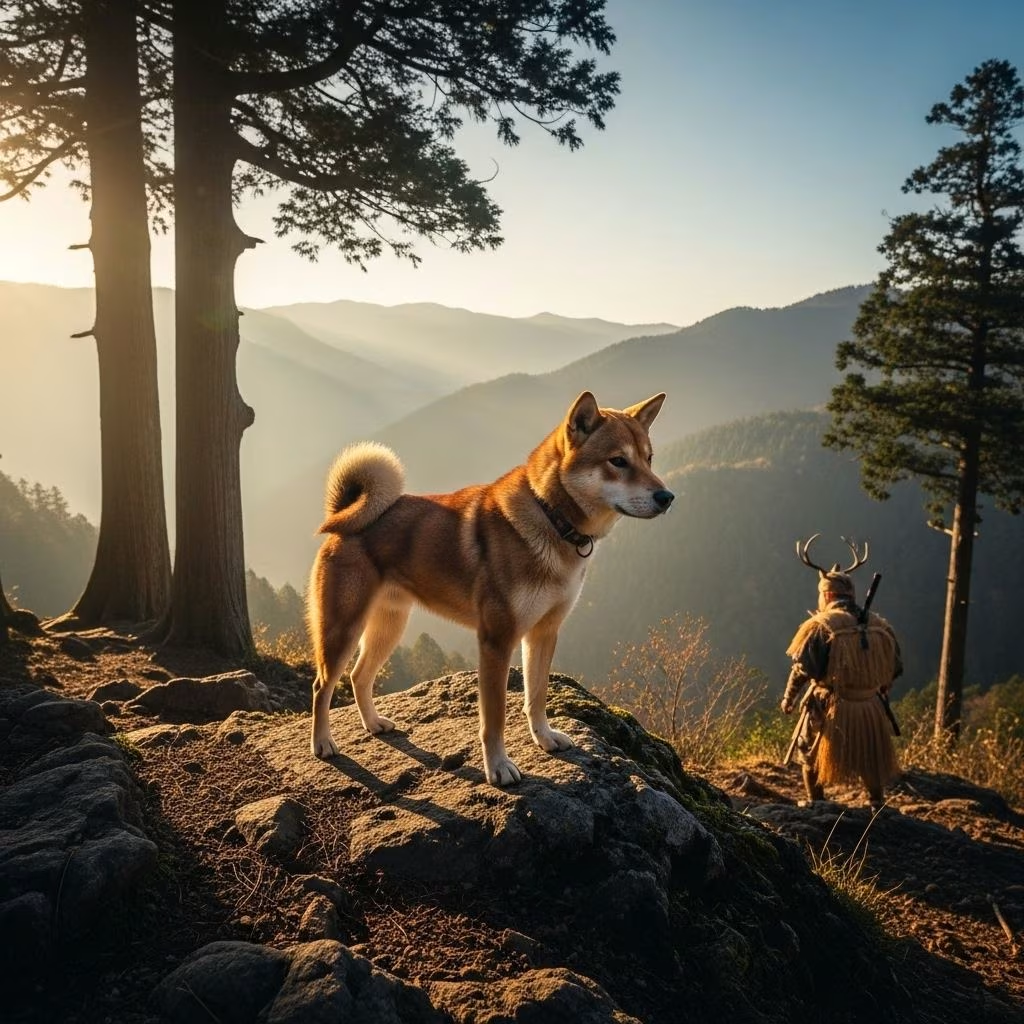
The Shikoku is a captivating Japanese breed that embodies the spirit of ancient hunting traditions and unwavering loyalty. This medium-sized spitz-type dog, originating from the mountainous regions of Shikoku Island, represents one of Japan’s most treasured canine breeds. With its distinctive appearance, primitive nature, and remarkable hunting abilities, the Shikoku has earned recognition as a Living National Monument in Japan and continues to fascinate dog enthusiasts worldwide.
This comprehensive guide explores everything you need to know about the Shikoku breed, from its ancient origins as a boar hunter to its role as a devoted family companion. Whether you’re considering adding a Shikoku to your family or simply want to learn more about this rare breed, understanding its unique characteristics, care requirements, and temperament is essential.
Origins and Historical Background
The Shikoku’s history is deeply rooted in Japan’s mountainous terrain and hunting traditions. This breed dates back to ancient times when medium-sized dogs were essential companions for hunters navigating the challenging landscape of Shikoku Island. The breed was primarily developed in the Kochi Prefecture, where the mountainous environment shaped its remarkable climbing abilities and endurance.
Originally known as Kochi Inu or Tosa Inu, the breed was designated as a Living National Monument of Japan in 1937 by the Nihon Ken Hozonkai, the Japanese Dog Preservation Society. To avoid confusion with the Tosa Fighting Dog, the breed was officially renamed Shikoku Ken after 1932. The isolated mountain ranges where these dogs were bred allowed them to maintain a high degree of genetic purity, as limited crossbreeding occurred between different strains.
The breed’s development can be traced to five distinct strains, divided into two main groups: the Eastern Shikoku and the Western Shikoku. The Eastern varieties included the Tokushima strain and the Kochi-Aki strain, found at the northwestern and southeastern foothills of Mount Tsurugi respectively. The Western varieties consisted of three strains: Hata Uwahara from the southwest, Honkawa from the south, and Ehime-ken Shuso-gun from the north. Each strain developed unique physical characteristics based on their specific environments and the breeding preferences of local hunters.
The modern Shikoku has received the most influence from the Western bloodlines, particularly the Honkawa and Hata strains. The Honkawa line is characterized by its slender build, exceptional stamina, and agile movement, with lighter bone structure and typically lacking an undercoat. Japanese breeders particularly value this line for its excellent ear shape and dark eyes. Before World War II, more than 80% of Honkawa Shikoku dogs displayed the black sesame coloration. Influential dogs like Choshun-go, who won Best of Breed at the Nippo National Show in 1938, have left an indelible mark on the modern breed, with nearly all contemporary Shikoku dogs carrying his bloodline.
Physical Characteristics and Appearance
The Shikoku is a striking example of Japanese spitz-type dogs, with a compact and muscular build that reflects its heritage as a mountain hunter. Standard height for males is approximately 52 centimeters (20 inches), while females typically stand at 49 centimeters (19 inches), with a tolerance of plus or minus 3 centimeters. Sexual dimorphism is clearly evident in both body type and facial expression, with males displaying a more robust and masculine appearance.
The body is strong and muscular, always maintained in excellent working condition without excess weight. The body proportions are slightly longer than tall, with an ideal ratio of 11:10. This balanced structure contributes to the breed’s remarkable agility and endurance in challenging terrain. The breed features a thick, powerful neck that supports a wedge-shaped head, erect ears that stand alert, and a distinctive tail that curls over the back—all hallmarks of the spitz family.
Coat Colors and Patterns
The Shikoku displays three primary coat colors that are recognized in the breed standard: sesame, red sesame, and black sesame. Each of these colors showcases the breed’s beautiful double coat, which consists of a harsh outer layer and a soft, dense undercoat designed to protect against harsh mountain weather. An additional cream-colored coat pattern called pinto exists but is rare and not considered acceptable for the breed standard.
A distinctive feature of all acceptable coat colors is the presence of urajiro markings. These pale markings appear on the ventral portions of the dog and must be visible according to breed standards. The urajiro pattern follows a specific distribution: around the eyebrows, on the sides of the muzzle, on the cheeks, on the underside of the jaw, on the paws and inside of the legs, and under the tail. This marking pattern is similar to tan points found on black dogs and is an essential characteristic of the breed.
Temperament and Personality Traits
The Shikoku is best described as a dog of marked endurance, keen senses, and a naive or primitive feeling that reflects its ancient heritage. These dogs are energetic, highly alert, and possess an enthusiastic nature that makes them exceptional hunters and devoted companions. Their personality combines the independent spirit of a primitive breed with fierce loyalty to their owners.
These nimble and spirited dogs possess sharp senses and keen intuition, making them capable of becoming ardent hunters, effective watchdogs, or loving companions depending on their training and socialization. Fiercely loyal and docile to their owners, Shikoku dogs are enthusiastic in demeanor and maintain an eagerness that historically made them valuable hunting partners. However, this primitive nature requires an experienced dog owner who understands how to work with independent-minded breeds.
The breed tends to be reserved and aloof, especially around strangers. This cautious nature is typical of spitz breeds and reflects their historical role as both hunters and guardians. Early socialization is crucial to help Shikoku dogs develop appropriate responses to new people, animals, and situations. Without proper socialization, their natural wariness can develop into excessive shyness or defensive behavior.
Shikoku dogs form incredibly strong attachments to their families and can become very devoted to experienced owners who respect their independent nature while providing clear, consistent leadership. They have brave and loyal hearts and will protect their family when necessary, making them excellent watchdogs despite their medium size. Their intelligence and eagerness to work make them responsive to training, though their stubbornness means they require patient, positive reinforcement methods.
Hunting Heritage and Working Ability
The Shikoku was bred specifically as a hunting dog for tracking and pursuing wild boar in the mountainous districts of Japan. This challenging work required dogs with exceptional endurance, agility, and courage—qualities that remain deeply embedded in the breed today. The Matagi, traditional Japanese hunters, trained Shikoku dogs using two primary hunting techniques that showcase the breed’s versatility and intelligence.
The first technique, known as Hoeru-dome, translates to “barking to detain.” In this method, the dog would locate and corner the prey, then bark continuously to hold the animal’s attention and alert the hunter to its location. This technique was preferred by most hunters because it kept the dog at a safer distance from dangerous game like wild boar, reducing the risk of serious injury.
The second technique, Kami-dome, means “biting to detain.” This more aggressive approach involved the dog physically engaging with the prey to hold it in place until the hunter arrived. While effective, this method posed significantly greater risks to the dog, especially when dealing with large, aggressive boar.
The breed’s development in rough mountain terrain has made Shikoku dogs excellent hiking companions and remarkably adept climbers. Their ability to navigate steep, rocky surfaces and dense forest undergrowth remains one of their most impressive physical abilities. Even Shikoku dogs kept as companions today retain these natural abilities and typically excel at activities that challenge their physical prowess and mental acuity.
Training and Socialization Requirements
Training a Shikoku requires understanding the breed’s primitive nature and independent temperament. These dogs are intelligent and capable learners, but they possess a notable stubborn streak that can challenge inexperienced owners. Early socialization and consistent training from puppyhood are absolutely essential for developing a well-adjusted adult dog.
Positive reinforcement methods work best with this breed. Harsh corrections or punishment-based training can damage the trust between dog and owner, leading to defensive behaviors or increased stubbornness. Instead, reward-based training that makes use of treats, praise, and play creates a willing partner who is eager to work with their handler.
Socialization should begin as early as possible and continue throughout the dog’s life. Exposure to various people, animals, environments, sounds, and experiences helps Shikoku dogs develop confidence and appropriate responses to novelty. Without adequate socialization, their natural wariness of strangers can become problematic, and their high prey drive may make them reactive to other animals.
Mental stimulation is just as important as physical exercise for this intelligent breed. Puzzle toys, scent work, and training sessions that challenge their problem-solving abilities help keep their minds engaged and prevent boredom-related behavioral issues. Many Shikoku dogs excel in dog sports such as agility, nosework, and tracking, which provide both physical exercise and mental challenges.
Exercise and Activity Needs
The Shikoku is an energetic and athletic breed that requires substantial daily exercise to remain physically and mentally healthy. Their heritage as mountain hunters means they possess remarkable stamina and a strong drive to be active. Prospective owners must be prepared to provide adequate outlets for this energy throughout the dog’s life.
Daily exercise should include long walks, hiking opportunities, and chances for free running in safely enclosed areas. The breed’s climbing abilities and love of exploration make them excellent hiking companions, particularly on challenging trails that would tire out many other breeds. However, their strong prey drive means they should never be allowed off-leash in unfenced areas, as they may give chase to wildlife and ignore recall commands.
In addition to physical exercise, Shikoku dogs benefit greatly from activities that engage their hunting instincts and intelligence. Games that involve searching, tracking, or problem-solving tap into their natural abilities and provide satisfying mental challenges. Without adequate physical and mental stimulation, Shikoku dogs may develop destructive behaviors or become difficult to manage.
Health Considerations and Lifespan
The Shikoku is generally a healthy breed with relatively few genetic health issues compared to many modern dog breeds. Their development in isolation and the focus on working ability rather than extreme physical traits has helped preserve overall genetic health. However, prospective owners should be aware of certain health considerations specific to the breed.
The breed has one known major health issue: a predisposition to epilepsy. This neurological condition can cause seizures of varying severity and frequency. While not all Shikoku dogs will develop epilepsy, it occurs with enough frequency in the breed that responsible breeders screen for it and make breeding decisions accordingly. Two other conditions, canine focal metatarsal fistulation and neuronal ceroid lipofuscinosis, have been reported seldom in Japan, specifically within the Shikoku region, but remain extremely rare.
Regular veterinary care, including annual check-ups, vaccinations, and preventive treatments for parasites, helps maintain the Shikoku’s health throughout their life. Dental care is also important, as with all breeds, to prevent periodontal disease. With proper care, Shikoku dogs typically enjoy good health and can live active lives well into their senior years.
Grooming and Maintenance
The Shikoku’s double coat requires regular maintenance to keep it healthy and looking its best. The harsh outer coat and dense undercoat work together to provide protection against weather and environmental hazards, but they also mean the breed experiences seasonal shedding that owners must manage.
During most of the year, weekly brushing is typically sufficient to remove loose hair and keep the coat in good condition. However, during seasonal shedding periods, which typically occur twice yearly, more frequent brushing becomes necessary. Daily brushing during these times helps remove the large amounts of loose undercoat and prevents it from accumulating around the home.
Bathing should be done as needed, typically every few months or when the dog becomes particularly dirty. The natural oils in the Shikoku’s coat help repel dirt and water, so over-bathing can strip these protective oils and potentially cause skin issues. Other routine grooming tasks include nail trimming, ear cleaning, and dental care to maintain overall health and hygiene.
Living with a Shikoku: Is This Breed Right for You?
The Shikoku is not a breed for everyone. Their primitive nature, high energy levels, and need for experienced handling make them best suited to specific types of owners and living situations. Understanding whether this breed matches your lifestyle and capabilities is crucial before making the commitment to bring one home.
Ideal owners for Shikoku dogs have experience with independent or primitive breeds and understand the unique challenges they present. They should be prepared to invest significant time in training, socialization, and daily exercise. Active individuals or families who enjoy outdoor activities and can include their dog in hiking, running, or other adventures often find the Shikoku to be an excellent match.
The breed’s reserved nature around strangers and potential dog aggression means they may not thrive in homes with frequent visitors or where they must regularly interact with unfamiliar dogs. Their strong prey drive also makes them unsuitable for households with small pets like cats, rabbits, or rodents unless raised with them from puppyhood—and even then, caution is necessary.
Living arrangements should ideally include a securely fenced yard where the dog can safely explore and play. While Shikoku dogs can adapt to various housing situations if their exercise needs are met, they are generally happiest with space to move and explore. Apartment living is possible but challenging, requiring owners who are committed to providing extensive daily exercise regardless of weather or personal convenience.
Rarity and Availability
The Shikoku remains a rare breed, even in its native Japan, where numbers are in gradual decline. Finding a Shikoku outside of Japan presents significant challenges, as Japanese breeders rarely place puppies internationally. In the United States, the breed was recognized by the American Kennel Club (AKC) in 2010 and is listed as a Foundation Stock Service breed. The United Kennel Club also fully recognizes the Shikoku.
Prospective owners interested in this breed should expect to join waiting lists and potentially wait extended periods for a puppy. Working with reputable breeders who prioritize health, temperament, and breed preservation is essential. Due to the breed’s rarity, purchasing a Shikoku typically involves significant expense and possibly travel to meet breeders and select a puppy.
Frequently Asked Questions
Q: Are Shikoku dogs good with children?
A: Shikoku dogs can be good with children in their own family when properly socialized from puppyhood. However, their energetic nature and medium size mean supervision is necessary, especially with younger children. They may be reserved or aloof with children outside the family due to their naturally cautious temperament.
Q: How much exercise does a Shikoku need daily?
A: Shikoku dogs require substantial daily exercise, typically at least 60-90 minutes of vigorous activity. This should include long walks, hiking, or opportunities for free running in securely fenced areas, along with mental stimulation through training and interactive games.
Q: Can Shikoku dogs live with other pets?
A: Shikoku dogs have a strong prey drive and may be aggressive toward other dogs, particularly those of the same sex. They can potentially live with other pets if raised together from puppyhood and properly socialized, but caution is always necessary. Small pets like cats or rabbits are at risk due to the breed’s hunting instincts.
Q: Are Shikoku dogs easy to train?
A: Shikoku dogs are intelligent but possess an independent, stubborn streak that can make training challenging. They require experienced owners who use positive reinforcement methods and maintain consistent, patient training throughout the dog’s life. They are not recommended for first-time dog owners.
Q: Do Shikoku dogs bark a lot?
A: Shikoku dogs were bred to bark when hunting to alert hunters to prey location. While not excessive barkers in typical situations, they are alert watchdogs who will bark to announce visitors or unusual occurrences. Proper training can help manage barking behavior.
Q: What is the lifespan of a Shikoku dog?
A: With proper care, Shikoku dogs typically live 10-12 years. Their relatively good health and lack of extreme physical traits contribute to a decent lifespan for a medium-sized breed.
Q: How rare is the Shikoku breed?
A: The Shikoku is extremely rare, even in Japan where the breed originated. Numbers are declining gradually, and finding Shikoku puppies outside Japan is particularly challenging. In the United States, only a small number of breeders work with the breed.
Q: What makes the Shikoku different from other Japanese breeds like the Shiba Inu?
A: While the Shikoku shares the spitz-type appearance with breeds like the Shiba Inu and Akita, it is larger than the Shiba but smaller than the Akita. The Shikoku was specifically bred for hunting large game in mountains and tends to have stronger hunting instincts and higher energy levels than the Shiba Inu.