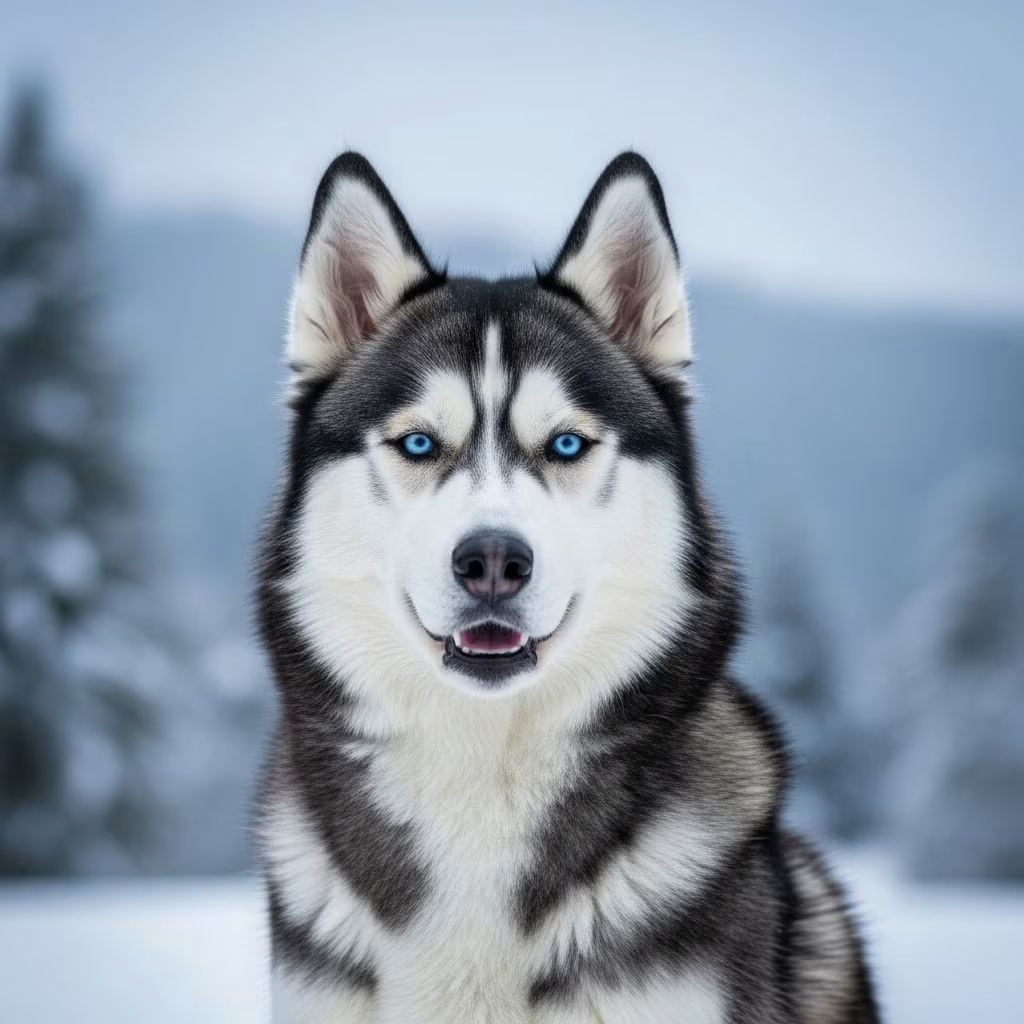
The Siberian Husky stands out among dog breeds for its mesmerizing eyes, striking appearance, and legendary endurance. Originally bred to pull sleds over vast distances in the frigid landscapes of Siberia, these dogs have become celebrated companions worldwide. This in-depth guide explores the Siberian Husky’s history, physical and behavioral traits, health considerations, and practical advice for anyone considering sharing their life with this remarkable canine.
Breed Overview
- Group: Working
- Height: 20–23.5 inches (male), 19–22 inches (female)
- Weight: 45–60 lbs (male), 35–50 lbs (female)
- Lifespan: 12–15 years
- Coat: Dense double coat; medium length
- Colors: Black, gray, red, sable, white, agouti, and combinations; often with distinctive facial markings
- Eyes: Blue, brown, amber, or heterochromia (two different colored eyes)
- Temperament: Energetic, intelligent, independent, social, vocal
History and Origin of the Siberian Husky
The Siberian Husky traces its lineage back thousands of years to the Chukchi people of northeastern Siberia. Bred as sled dogs, these canines were selected for their ability to endure Arctic conditions, efficiently pull loads across snow, and integrate harmoniously within a family or pack. Their endurance and stamina became legendary, and in the early 20th century, Huskies were imported to Alaska, where they contributed to the region’s storied sled dog races and even played a heroic role during the 1925 Serum Run to Nome.
Physical Characteristics
Stature and Build
Siberian Huskies are medium-sized and notably athletic, combining compact strength with surprising agility and grace. Their physique is optimized for both speed and endurance: a slightly longer-than-tall body, deep chest, and strong, well-developed legs.
Coat and Coloration
The breed sports a double coat composed of a soft, insulating undercoat and a longer, weather-resistant outer coat. This adaptation enables them to retain warmth in frigid climates, while the plush texture gives them a signature wolf-like appearance.
- Common Coat Colors: Black, white, gray, red, sable, agouti, all-white, and mixes
- Typical Markings: White chest and legs, facial masks, spectacles, and capped heads
Distinctive Features
- Eyes: Almond-shaped and set slightly obliquely, in blue, brown, amber, or both (heterochromia)
- Ears: Medium-sized, triangular, and set high on the head
- Tail: Well-furred and often carried in a sickle curve, providing additional warmth when curled over the nose during sleep
Personality and Temperament
The Siberian Husky’s temperament is one of the breed’s most distinguishing traits. These dogs are renowned for their playful, friendly, and social nature, yet retain a notable streak of independence.
- Social and Friendly: Highly sociable and generally good-natured with people and other dogs. Not inclined towards aggression or suspicion, making them ineffective as guard dogs.
- Intelligent but Independent: Huskies are quick learners but can be stubborn; training them requires patience and positive reinforcement.
- Vocal Communicators: Known more for howling or “talking” than barking, with a wide range of vocalizations that add to their charm.
- Energetic and Playful: They thrive on physical activity, play, and mental stimulation, often displaying a boundless zest for life.
- Strong Prey Drive: Their historic role as working sled dogs is paired with a keen prey drive, so off-leash outings and smaller household pets require vigilance.
Living with a Siberian Husky
Home Environment
Due to their intelligence and problem-solving skills, Siberian Huskies have a reputation as “escape artists.” Secure fencing is essential—Huskies are adept at digging, climbing, or otherwise finding their way out of enclosures. They need to be part of an active household with ample space for exercise and play.
Exercise Needs
- Require at least 1-2 hours of exercise daily
- Ideal activities: running, hiking, pulling carts or sleds, agility sports
- Without sufficient activity, they can become bored and develop destructive behaviors
Grooming Requirements
- Shedding: Extensive, especially during seasonal coat blows in spring and fall
- Brush: Weekly brushing year-round; daily during heavy shedding periods
- Bathing: Infrequent, as the coat naturally repels dirt
- Other Care: Routine nail trims, ear cleaning, and dental hygiene recommended
Health and Lifespan
| Health Concern | Description |
|---|---|
| Hip Dysplasia | Genetic joint condition affecting mobility |
| Eye Issues | Cataracts, progressive retinal atrophy (PRA), and corneal dystrophy are possible |
| Autoimmune Disorders | Some Huskies may develop autoimmune skin and blood conditions |
| Hypothyroidism | Occurs occasionally, causing metabolic and health problems |
With proper care, regular veterinary checkups, and a well-balanced diet, Siberian Huskies usually enjoy a long life span of 12–15 years.
Nutrition and Feeding
Siberian Huskies are efficient metabolizers, requiring a balanced diet to fuel their active lifestyle. Select high-quality dog food appropriate for their age, size, and activity level. Be mindful of portion control, as Huskies can gain weight if overfed—an active Husky requires more calories than a sedentary one, but always discuss specifics with your veterinarian.
Training Siberian Huskies
- Start Early: Socialize and begin obedience training in puppyhood
- Positive Reinforcement: Use treats, praise, and consistency to encourage desired behaviors
- Avoid Negative Methods: Harsh corrections often backfire, given this breed’s independent streak
- Mental Stimulation: Provide puzzle toys, new commands, and advanced activities to keep their mind engaged
Consistency is key—Siberian Huskies are smart but may become easily bored or distractible during repetitive sessions. They may test boundaries, so patience is essential.
Husky in a Family Setting
Huskies adapt well to families, including those with children and other dogs. Their playful demeanor and sturdy physique can make them excellent playmates. Supervision is always advised, especially with young children, due to the Husky’s exuberant nature. It’s important to note that, despite their friendly personality, their strong prey drive may make interactions with smaller pets (like cats or rabbits) challenging.
Adoption and Ethical Sourcing
- Consider Adoption: Many Siberian Huskies are surrendered each year due to their high energy and intelligence; rescues and shelters are excellent sources
- If Choosing a Breeder: Seek out reputable breeders prioritizing the health and wellbeing of their dogs, providing health screenings and a nurturing environment
- Avoid Puppy Mills: Unethical breeders contribute to health and behavior problems—research, visit facilities, and ask questions
Highlights of the Siberian Husky
- Energetic and hardworking – orginally bred for pulling sleds over long distances
- Distinctive appearance – thick coat, striking markings, expressive eyes
- Sociable and friendly – enjoys the company of people and dogs
- Independent thinkers – highly intelligent yet often strong-willed
- Vocal and expressive – communicates with howls and “talking”
- Cold-resistant – thrives in colder climates due to the double coat
- Regular grooming needs – heavy seasonal shedding requires maintenance
- Potential for escape – known to climb or dig under fences; secure enclosures are vital
Is the Siberian Husky Right for You?
The Siberian Husky is an ideal companion for those seeking an active, intelligent, and striking pet who thrives on engagement and purpose. However, their high energy, independence, and grooming needs mean they are not suited for everyone. Prospective owners should be prepared for a dynamic lifestyle and invest time in training, exercise, and proper care.
Frequently Asked Questions (FAQs)
Q: Are Siberian Huskies good family dogs?
A: Yes, they are known for their friendly and playful temperament. Siberian Huskies generally get along well with children and other dogs, especially if socialized from a young age. However, supervision is recommended, particularly around smaller pets due to their prey drive.
Q: Do Huskies require a lot of exercise?
A: Absolutely. Huskies are an energetic breed bred for endurance activities. They require regular, vigorous exercise—ideally at least 1–2 hours daily—to stay happy and healthy.
Q: How much do Siberian Huskies shed?
A: Huskies shed continuously throughout the year and “blow” their coat heavily in spring and fall. Weekly brushing is recommended year-round, with daily grooming during the shedding seasons to manage loose fur.
Q: Are Siberian Huskies easy to train?
A: They are intelligent but independent and sometimes stubborn, which can present challenges during training. Positive reinforcement and consistent routines yield the best results.
Q: Can Siberian Huskies live in warm climates?
A: While their coat is adapted for cold, Huskies can acclimate to warmer environments if provided shade, water, and limited exercise during the hottest hours. They should never be shaved, as their double coat helps moderate body temperature.
Q: Are Siberian Huskies good guard dogs?
A: Huskies are friendly with strangers and generally lack strong protective instincts, making them poor choices for guard dog duties.
Conclusion
The Siberian Husky is a captivating breed that enchants with its intelligence, athleticism, and beauty. For the right owner, willing to meet their exercise, grooming, and training needs, Huskies offer unwavering companionship, boundless energy, and unforgettable moments. If you’re up for an adventure and ready for a challenge, you may just find the perfect partner in this legendary breed.
References
- https://dogtime.com/dog-breeds/siberian-husky
- https://www.hillspet.com/dog-care/dog-breeds/siberian-husky
- https://www.pawlicy.com/blog/siberian-husky-dog-breed/
- https://www.britannica.com/animal/Siberian-husky
- https://www.akc.org/dog-breeds/siberian-husky/
- https://en.wikipedia.org/wiki/Siberian_Husky
- https://www.petplan.co.uk/dog-insurance/dog-breeds/husky.html
- https://shibashake.com/dog/the-siberian-husky-breed-good-bad/