Introduction to the World’s Smallest Dog Breeds
Small dog breeds have captivated human hearts for centuries. Their diminutive size, expressive personalities, and adaptability to various living environments make them a top choice for pet lovers. Recognized by the American Kennel Club (AKC), these breeds often weigh under 15 pounds and stand less than a foot tall. This guide introduces you to the world’s smallest, cutest, and most popular small dog breeds, shedding light on their history, breed characteristics, and what truly makes them special.
Defining “Small” in Dog Breeds
“Small” is a relative term when it comes to dog breeds. While there is no universal definition, AKC categorizes Toy Breeds (dogs weighing up to about 10 pounds) and many small Terriers, Spaniels, and Companion Breeds as small dogs. However, popular perceptions of “small” can extend up to 25 pounds, depending on perspective and context. For the purposes of this guide, we focus on breeds consistently recognized as the smallest by breed standards and kennel clubs.
Popular Small Dog Breeds Recognized by the AKC
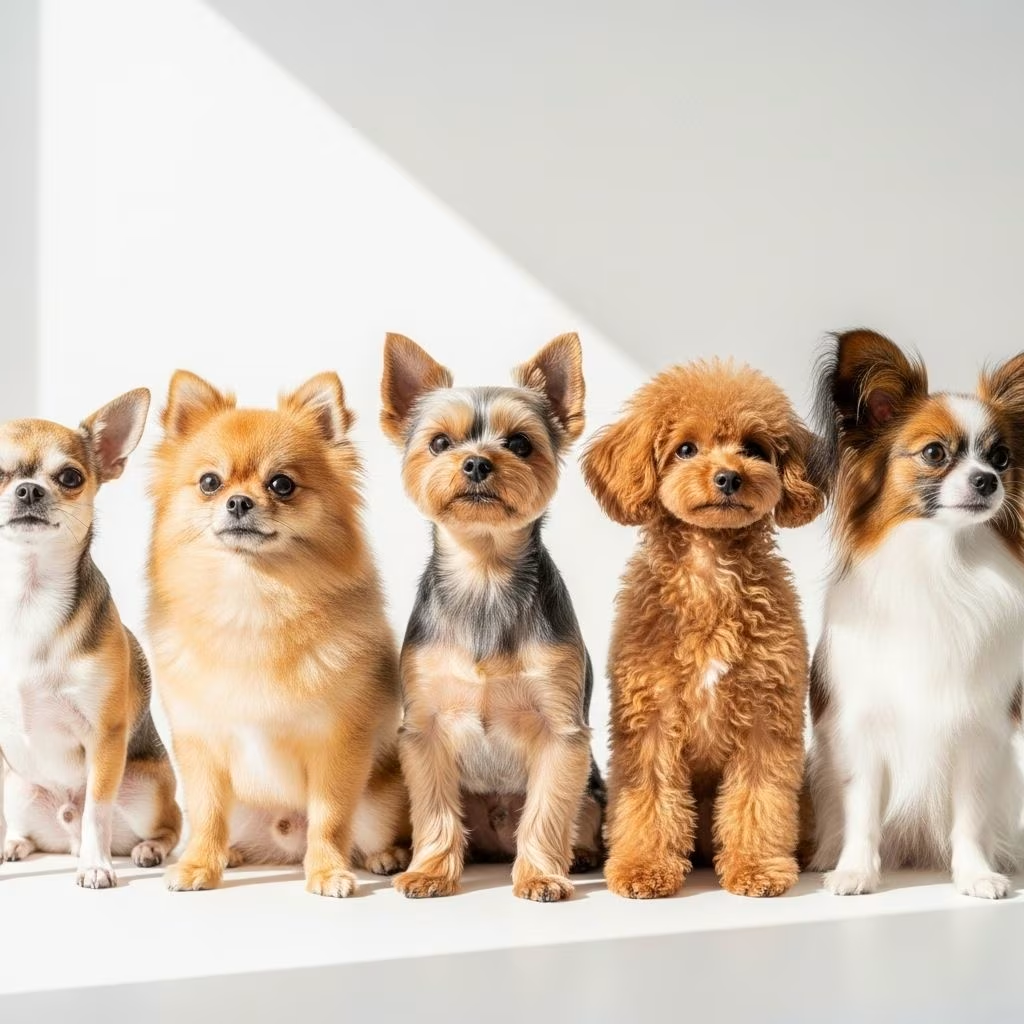
The AKC recognizes dozens of small dog breeds, from the tiny Chihuahua to the spunky Yorkshire Terrier. Here’s a detailed overview of some of the most popular small breeds, based on AKC registrations and breed popularity rankings:
| Breed | Average Weight | Temperament | Distinctive Features |
|---|---|---|---|
| Chihuahua | 2–6 lbs | Alert, Lively, Sassy | Tiny size, apple-shaped head, expressive eyes |
| Yorkshire Terrier | 4–7 lbs | Affectionate, Energetic, Inquisitive | Silky, floor-length coat, bold personality |
| Pomeranian | 3–7 lbs | Extroverted, Bold, Lively | Fluffy double coat, fox-like expression |
| French Bulldog | 16–28 lbs | Playful, Affectionate, Adaptable | Bat ears, compact body, clownish personality |
| Maltese | 4–7 lbs | Gentle, Playful, Charming | Long, silky white coat, lively gait |
| Pug | 14–18 lbs | Charming, Mischievous, Loving | Wrinkled face, curly tail, sturdy build |
| Papillon | 5–10 lbs | Intelligent, Energetic, Friendly | Butterfly-like ears, elegant build |
| Toy Poodle | 4–6 lbs | Intelligent, Alert, Trainable | Curly coat, intelligent expression |
Key Characteristics of Small Dog Breeds
Despite their diversity, small dog breeds share some common traits and behaviors:
- Portable Size: Their compact stature makes them ideal for apartment living and travel.
- Long Lifespan: Many small breeds live longer than larger dogs, often reaching 12–16 years.
- Big Personalities: Small dogs are often energetic, outgoing, and intelligent.
- Grooming Needs: Some, such as the Yorkshire Terrier and Maltese, have high-maintenance coats, while others like the Chihuahua require minimal grooming.
- Temperament: Breed temperament can range from feisty and independent (e.g., Chihuahua, Pomeranian) to gentle and affectionate (e.g., Maltese, Cavalier King Charles Spaniel).
Caring for Small Dog Breeds
While small dogs are easier to manage in many ways, they have specific care needs. Here are some essential considerations for potential owners:
- Nutrition: Feed a diet specifically formulated for small breeds, which often have higher metabolisms.
- Exercise: Regular, daily exercise is important, though walks and indoor play are usually sufficient.
- Health Monitoring: Small dogs are prone to certain health issues, including dental problems, luxating patellas, and hypoglycemia. Regular veterinary check-ups are crucial.
- Training and Socialization: Start training early to prevent small dog syndrome (excessive barking, dominance behaviors).
- Safety: Small size makes them vulnerable to injury, so supervise interactions with children and larger pets.
Top Small Dog Breeds for Different Lifestyles
Not all small breeds are suitable for every home. Here’s a breakdown of some of the best small breeds for various lifestyles:
Best for Apartment Living
- French Bulldog: Adaptable, low-energy, and quiet, making them a top pick for city life.
- Chihuahua: Tiny and portable, perfect for small spaces.
Best for Families with Children
- Cavalier King Charles Spaniel: Gentle, affectionate, and good with kids.
- Havanese: Playful, sturdy, and naturally sociable.
Best for Active Owners
- Boston Terrier: Energetic and intelligent, enjoys interactive play.
- Shiba Inu: Independent, agile, and up for adventures.
Unusual and Less Common Small Breeds
Beyond the popular breeds, there are several less common small dogs recognized by the AKC:
- Chinese Crested: Known for their hairless variety and playful, affectionate nature.
- Lancashire Heeler: A rare working dog, energetic and intelligent.
- American Hairless Terrier: Hypoallergenic, lively, and unique in appearance.
Pros and Cons of Owning a Small Dog
While small dogs make excellent companions, there are both advantages and drawbacks to consider:
| Pros | Cons |
|---|---|
| Portable and easy to transport | Can be fragile and more prone to injury |
| Lower food and grooming costs | May be prone to “small dog syndrome” issues |
| Longer lifespans generally | Some breeds have high maintenance coats |
| Ideal for apartment living | Can be barkers if not well-trained |
Finding the Right Small Dog Breed for You
Selecting the right small breed requires careful consideration of your lifestyle, family situation, and expectations. Here are some steps to guide your choice:
- Research: Learn about breeds’ temperaments, exercise needs, and grooming requirements.
- Meet the Breed: Spend time with breeds you’re interested in to see if their personality is a good match.
- Talk to Breeders and Rescues: Reputable breeders and rescue organizations can provide valuable insights.
- Consider Adoption: Many small dogs need homes through rescue organizations.
Frequently Asked Questions (FAQs)
What is the smallest dog breed in the world?
The Chihuahua is widely recognized as the smallest dog breed in the world, typically weighing between 2 and 6 pounds.
Are small dogs good with children?
Many small breeds, such as the Cavalier King Charles Spaniel and Havanese, are known for being gentle and good with kids, but supervision is always recommended due to their fragile size.
How much exercise do small dogs need?
Most small breeds require daily walks and playtime, but their exercise needs are generally less than larger breeds. Breeds vary, so check specific recommendations for your chosen breed.
What are the grooming needs of small dogs?
Grooming varies widely—breeds like the Yorkshire Terrier and Maltese require regular brushing and grooming, while short-haired breeds like the Chihuahua need much less maintenance.
Are small dogs hypoallergenic?
Some small breeds, such as the Maltese and Bichon Frise, are considered hypoallergenic because they shed less, but no dog is completely allergen-free.
Conclusion
Small dog breeds offer a world of companionship, charm, and convenience in a compact package. Whether you’re drawn to the Chihuahua’s sass, the Pomeranian’s plush coat, or the Cavalier King Charles Spaniel’s gentle nature, there’s a small breed to suit nearly every lifestyle. By understanding their unique needs and personalities, you can enjoy the full benefits—and pleasures—of sharing your life with a tiny, four-legged friend.
References
- https://www.akc.org/dog-breeds/smallest-dog-breeds/
- https://www.akc.org/expert-advice/lifestyle/12-cute-small-breeds/
- https://www.akc.org/dog-breeds/toy/
- https://www.akc.org/dog-breeds/
- https://www.dinkydogclub.com/blogs/small-dog-news/americas-59-most-popular-small-breed-dogs
- https://www.akc.org/dog-breeds/smallest-dog-breeds-best-family-dogs-best-dog-breeds-for-kids-smartest-breeds-of-dogs-hypoallergenic-dogs-best-dogs-for-apartment-dwellers/
- https://www.akc.org/dog-breeds/medium-dog-breeds/