Introduction to Staffordshire Bull Terriers
Staffordshire Bull Terriers, affectionately known as Staffies, are renowned for their loving and loyal nature. Despite their historical origins as fighting dogs, they have evolved into one of the most family-friendly breeds, earning them the nickname ‘nanny dogs’ due to their patience and gentleness with children.
Origin and History
The Staffordshire Bull Terrier was developed in the early 19th century in Staffordshire, England. Originally bred from the Bulldog and an ancestor of the Manchester Terrier, these dogs were designed to be smaller and more agile than their predecessors, performing well in the fighting pits but remaining gentle and affectionate towards people.
Physical Characteristics
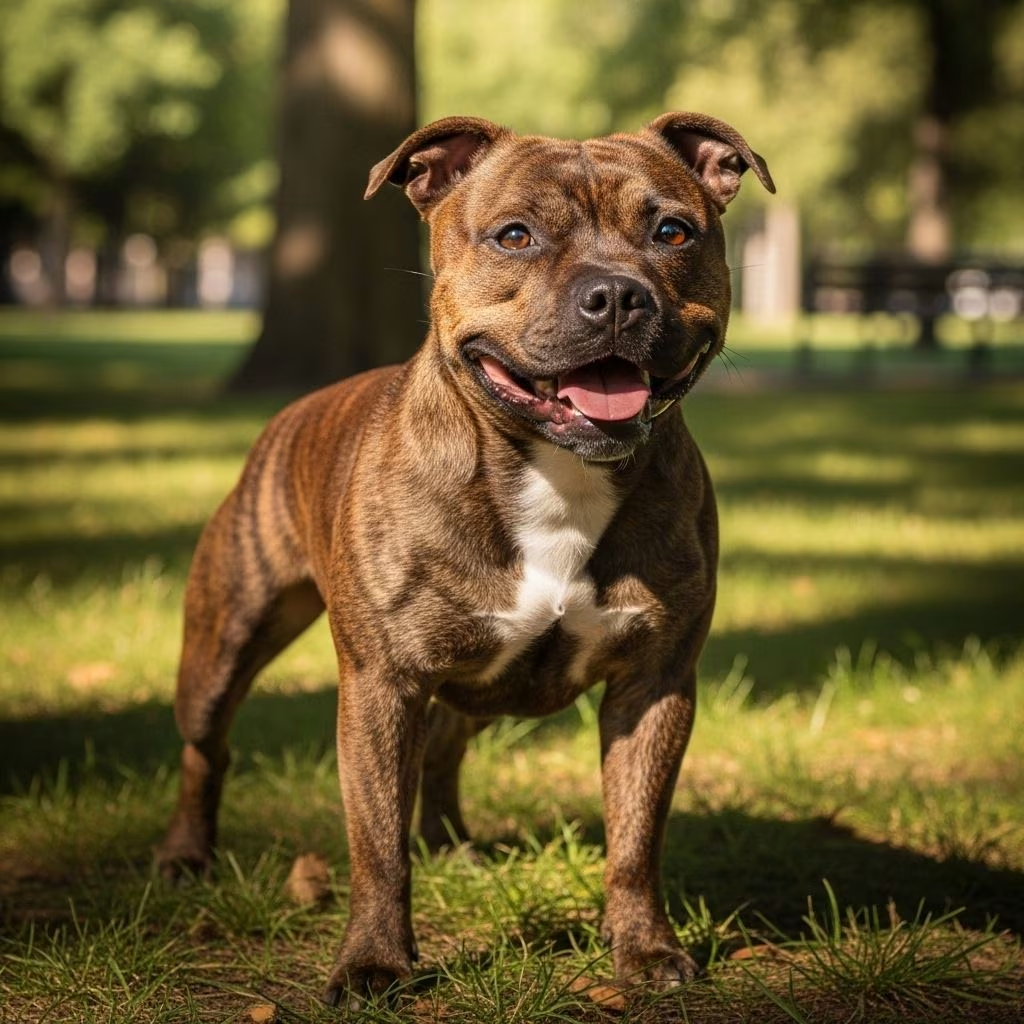
Staffordshire Bull Terriers are medium-sized dogs with a muscular build, broad chest, and strong shoulders. They typically stand between 13 and 16 inches tall and weigh between 24 and 37 pounds. Their coat is short, smooth, and comes in a variety of colors including red, fawn, black, white, blue, and brindle.
Distinctive Features
- Head Shape: Broad with distinct cheek muscles.
- Ears: Fold over at the tips.
- Body: Muscular with a wide chest.
- Coat: Short, smooth, and close to the body.
Temperament and Personality
Staffordshire Bull Terriers are known for their loving and affectionate nature. They are playful, energetic, and enjoy spending time with their family. However, they can be wary of other dogs if not socialized properly, a trait that stems from their historical use in dog fighting.
Key Temperament Traits:
- Affectionate: They form strong bonds with family members.
- Intelligent: Can be trained with consistent effort.
- Stubborn: May require patient training.
- Playful: Loves activities like agility and flyball.
Health and Wellness
Staffordshire Bull Terriers generally have a lifespan of 12 to 15 years. They are prone to certain health issues such as juvenile onset demodicosis, neurological disorders, and hereditary cataracts. Regular veterinary check-ups are crucial to monitor their health.
Common Health Issues:
- Demodicosis: A skin condition affecting young dogs.
- Cerebellar Abiotrophy: A neurological disorder.
- Hereditary Cataracts: A condition affecting vision.
Care and Maintenance
Staffordshire Bull Terriers require regular exercise to keep them happy and healthy. Daily walks and playtime are essential, and they thrive on attention from their owners. Their short coat requires minimal grooming, making them a low-maintenance choice for many families.
Care Tips:
- Exercise: Requires daily vigorous walks and play.
- Grooming: Minimal due to their short coat.
- Training: Consistent training is necessary to address stubbornness.
- Socialization: Important to get along with other dogs and pets.
Staffordshire Bull Terriers as Family Pets
Staffordshire Bull Terriers are ideal for active families who can provide the necessary attention and exercise. They are generally good with children but, like any dog, should be supervised to ensure safety. Their loyalty and affection make them excellent companions.
Frequently Asked Questions (FAQs)
Q: Are Staffordshire Bull Terriers good with children?
A: Yes, Staffordshire Bull Terriers are known for being gentle and patient with children, making them an excellent choice for families.
Q: Do Staffordshire Bull Terriers get along with other dogs?
A: They can be wary of other dogs if not properly socialized. Early socialization is crucial to ensure they get along well with other pets.
Q: What kind of exercise do Staffordshire Bull Terriers need?
A: Staffordshire Bull Terriers require regular, vigorous exercise, such as long walks and playtime, to keep them happy and healthy.
Q: How often should Staffordshire Bull Terriers be groomed?
A: Due to their short coat, Staffordshire Bull Terriers require minimal grooming, making them a low-maintenance choice for many families.
Q: Are Staffordshire Bull Terriers intelligent?
A: Yes, Staffordshire Bull Terriers are intelligent but can be stubborn at times, requiring consistent and patient training.
References
- https://www.wisdompanel.com/en-us/dog-breeds/staffordshire-bull-terrier
- https://dogtime.com/dog-breeds/staffordshire-bull-terrier
- https://en.wikipedia.org/wiki/Staffordshire_Bull_Terrier
- https://www.purina.co.uk/find-a-pet/dog-breeds/staffordshire-bull-terrier
- https://www.akc.org/dog-breeds/staffordshire-bull-terrier/
- https://www.petmd.com/dog/breeds/staffordshire-bull-terrier
- https://www.akc.org/dog-breeds/american-staffordshire-terrier/