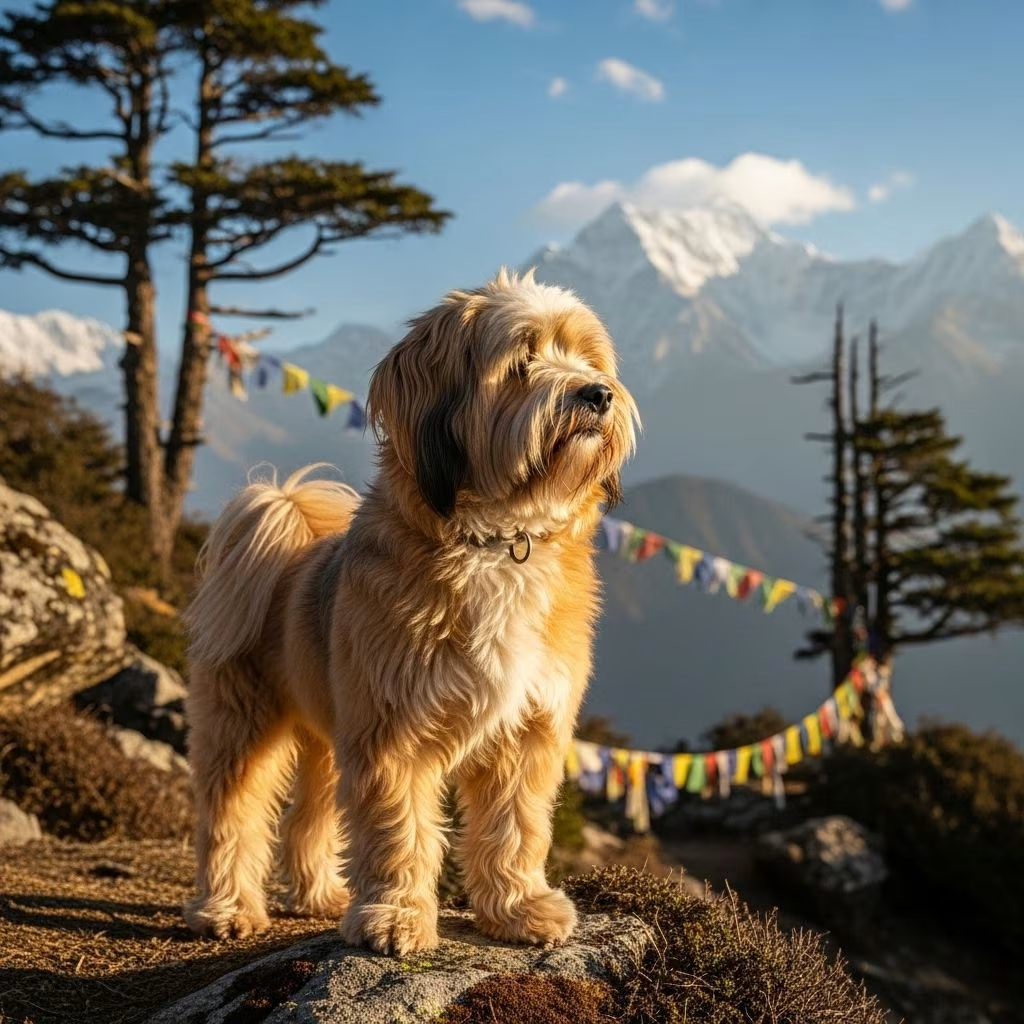
The Tibetan Terrier, renowned for its devotion, agility, and shaggy good looks, has captivated dog lovers around the world. With roots deep in the spiritual culture of the Himalayas, this breed combines the hardiness of mountain survivors with the affectionate temperament of a cherished companion. Discover everything about these unique dogs—from their colorful history and striking appearance to their care, temperament, and what it means to share your life with one.
Breed Overview
| Origin | Tibet |
|---|---|
| Group | Non-Sporting (AKC) |
| Height | 14–17 inches at the shoulder |
| Weight | 18–30 pounds |
| Lifespan | 15–16 years |
| Coat | Long double coat (outer straight or wavy, undercoat wooly) |
| Colors | Any color or combination, often multi-colored |
History and Origins
The name ‘Tibetan Terrier’ is actually a misnomer. Despite sharing its name with terrier breeds, Tibetan Terriers are not related to traditional terriers bred to hunt vermin. Instead, they were developed as companions and watchdogs in Tibetan monasteries and homes.
These dogs have roots stretching back more than 2,000 years, emerging from the mystical ‘Lost Valley’ of Tibet. Buddhist monks, or ‘Lamas’, raised and cherished these dogs as sacred animals. They served not only as companions and sentinels, alerting to strangers, but also as good luck charms—gifts to bring fortune and safety to travelers navigating perilous mountain routes.
- Bred in Tibetan monasteries—believed to bring good luck
- Rarely sold, often given as gifts to friends or visitors
- Natural survivors of harsh Himalayan terrain (snow, rocks, cold)
Physical Characteristics
The Tibetan Terrier is a visually striking, square-shaped, small-to-medium sized dog distinguished by its copious coat, expressive eyes, and snowshoe-like feet.
Size and Proportions
- Height: 14–17 inches at the shoulder (average 15–16 inches)
- Weight: 18–30 pounds (males slightly heavier than females)
- Build: Sturdy, compact, balanced; height about equal to length, creating a square outline
Distinctive Features
- Head: Moderate length with a marked stop; heavy fall of hair over eyes
- Eyes: Large, dark brown or nearly black, set wide apart
- Ears: Pendant, heavily feathered, ‘V’ shaped
- Feet: Large, flat, round ‘snowshoe’ feet for grip in snow and rough terrain
- Tail: High-set, plumed, and gracefully carried over the back
Coat and Colors
- Double coat:
- Undercoat: Fine, wooly, cashmere-like; excellent insulator
- Outer coat: Abundant, long, profuse; can be straight or wavy but not curly or silky
- Colors: Almost any color or combination:
- Black
- White
- Fawn
- Gold
- Grey
- Brindle, and more
- Markings: May include black masks, white markings, or black points
Personality and Temperament
Loyal, affectionate, and intelligent—these qualities define the Tibetan Terrier’s demeanor. They are deeply attached to their families, often forming intense bonds with their humans and becoming real ‘velcro dogs’ with those they trust.
- Playful and lively—enjoy games and activities with their family
- Sensitive and perceptive—quick to pick up on the mood of their household
- Alert and watchful—alert owners to new visitors but not aggressive
- Reserved with strangers—may be shy or cautious until properly introduced
- Adapts well to various living environments—apartment or house, as long as daily exercise and attention needs are met
Early socialization is important to nurture their confidence, reduce shyness, and help them enjoy meeting new people and pets.
Living with a Tibetan Terrier
Whether in the heart of a bustling city or the quiet of the countryside, Tibetan Terriers thrive as house dogs deeply integrated into family life. They welcome engaging activities and daily companionship.
Exercise Requirements
- At least one hour of physical activity per day—walks, playtime, or agility exercises
- Enjoy hikes, moderate runs, and interactive play
- Mentally stimulating games help burn energy and prevent boredom
Environment
- Well-suited to apartment or home with a fenced yard
- Should not be left alone for long periods—can develop separation anxiety
- Enjoys being part of family routines and activities
Grooming and Care
The striking coat of the Tibetan Terrier is both beautiful and functional—but it does require regular grooming to stay in top condition. Proper coat care helps prevent matting and maintains the breed’s distinctive appearance.
Coat Care
- Regular brushing: At least once or twice a week; more during seasonal shedding
- Bathing: Monthly or as needed to keep the coat clean; use a dog-specific shampoo
- Check for matting: Focus on problem areas (behind ears, under legs, around tail)
Additional Grooming Needs
- Nail trimming: Every 3–4 weeks to prevent discomfort and injury
- Ear cleaning: Regular checks to reduce risk of infections common in drop-eared breeds
- Dental routine: Weekly brushing and dental chews to support oral health
- Eye care: Maintain a clean area around the eyes—hair may be trimmed if it impedes vision
Health and Wellness
Tibetan Terriers are generally a healthy, robust breed. Their isolated development in the Himalayas helped promote genetic vigor, but there are a few conditions to be aware of.
| Common Health Considerations | Description / Notes |
|---|---|
| Hip Dysplasia | Some lines may suffer from congenital hip problems; buyers should look for health-tested parents |
| Progressive Retinal Atrophy (PRA) | A hereditary eye disease that can lead to vision loss |
| Lens Luxation | Abnormal lens displacement in the eye; reputable breeders screen for this |
| Hypothyroidism | Possible in older individuals; managed with veterinary care |
- Average lifespan: 15–16 years (some live up to 18+ with proper care)
- Regular vet wellness exams and preventive care are crucial
- Consult breeders about health clearances (hips, eyes, thyroid, etc.)
Training and Socialization
Tibetan Terriers are highly intelligent, eager to please, and quick learners, making them responsive to positive, consistent training.
- Early socialization: Expose puppies to varied people, pets, and settings
- Obedience training: Use gentle encouragement and treats; avoid harsh corrections
- Mental stimulation: Incorporate puzzle toys and new skills to prevent boredom
- They thrive with routines, clear rules, and patient handling
Is a Tibetan Terrier Right for You?
The Tibetan Terrier can be an ideal pet for various families. They adapt well to both single owners and larger households, provided their social and exercise needs are met. However, as with all breeds, they are not a perfect match for everyone.
Ideal Owner Traits
- Desire for a loyal, spirited, medium-sized companion
- Willingness to commit to routine grooming
- Ability to provide consistent exercise and social interaction
- Patience for a dog that may be reserved with new people
Things to Consider
- Can be aloof with strangers. Early socialization helps reduce shyness.
- Not ideal for families looking for a hypoallergenic breed. Despite low shed, their coat may trigger allergies in sensitive people.
- May not get along with very boisterous young children or dominant dogs unless socialized early and supervised.
- Enjoy being part of daily life, so frequent companionship is essential.
Fun Facts About Tibetan Terriers
- Despite their name, they are not related to terriers—the ‘terrier’ label was given solely due to their size.
- Flat, round feet act as natural snowshoes, designed for traction in snowy settings.
- Considered sacred and lucky in Tibetan culture—often called “the holy dogs of Tibet.”
- Unique voice: Some Tibetan Terriers are known for their ‘singing’ or melodic howls.
Frequently Asked Questions (FAQ)
Q: Why is the Tibetan Terrier called a ‘Terrier’?
A: The breed carries the ‘terrier’ name solely because of its size; genetically and functionally, it is unrelated to true terrier breeds, which are vermin hunters. Tibetan Terriers were developed as companions and watchdogs—not for burrowing or chasing small animals.
Q: Are Tibetan Terriers good family dogs?
A: Yes, they are loyal, affectionate, and thrive on human companionship. They generally do well with children and other pets when socialized early. Supervision is recommended with very young kids and unfamiliar animals.
Q: Do they require a lot of grooming?
A: Their double coats demand routine brushing (at least weekly) and regular maintenance to prevent tangles and mats. If you prefer a neater, low-maintenance look, professional grooming can help keep their coats manageable.
Q: What are their exercise needs?
A: Tibetan Terriers need a minimum of one hour of activity a day. They enjoy walks, play sessions, agility, and interactive mental challenges.
Q: Are they prone to many health issues?
A: They are generally healthy, especially when bred by responsible breeders who screen for known genetic conditions such as hip dysplasia, PRA, and lens luxation. With good care, these dogs often enjoy long, active lives.
Q: Are Tibetan Terriers hypoallergenic?
A: While their long coat reduces loose hair, they are not truly hypoallergenic. Individuals with strong allergies may still react to the breed.
Conclusion
The Tibetan Terrier stands out for its unique blend of independence, affection, and historical depth. Combining robust health, wit, playful spirit, and devotion, the Tibetan Terrier makes an extraordinary family member—one whose watchful gaze and ‘good luck’ charm can enrich your life for years to come. With attentive care, socialization, and love, this ancient breed continues to fulfill its centuries-old role as a loyal companion in modern homes worldwide.
References
- https://www.akc.org/expert-advice/lifestyle/7-facts-tibetan-terrier/
- http://cdn.akc.org/TibetanTerrier-club-flier.pdf
- https://www.akc.org/expert-advice/dog-breeds/akc-breeder-spotlight-susan-carr-salishan-tibetan-terriers/
- https://www.akc.org/dog-breeds/tibetan-terrier/pictures/
- https://www.webmd.com/pets/dogs/what-to-know-tibetan-terriers
- https://www.youtube.com/watch?v=kq0qxHPJw6U
- https://www.petmd.com/dog/breeds/tibetan-terrier