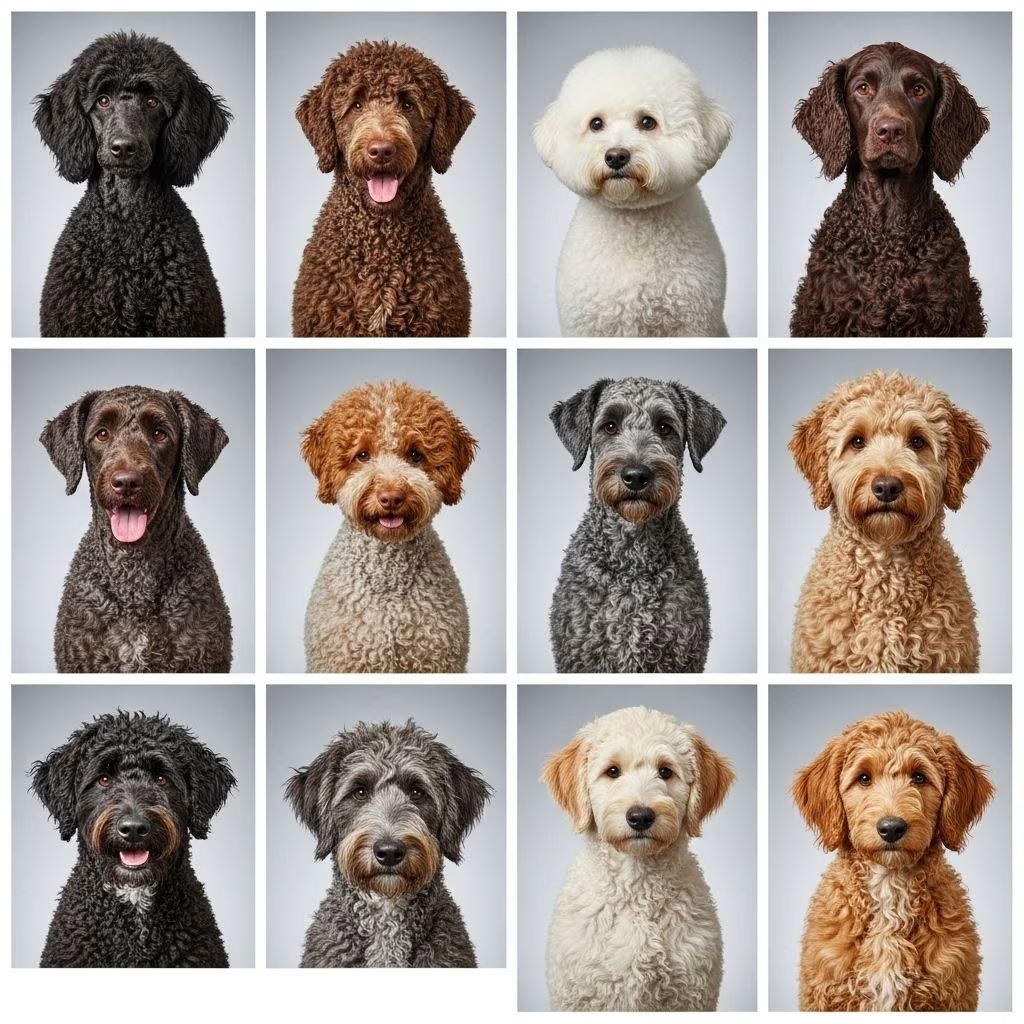
Introduction to the Working Kelpie
The Working Kelpie is a highly skilled and energetic Australian herding dog, renowned for its exceptional herding abilities and strong work ethic. While less common as a household pet, especially in the United States, this breed is highly valued by ranchers and farmers for its intelligence, agility, and loyalty. The American Kennel Club (AKC) recognizes the Working Kelpie as a distinct breed, separate from the Australian Kelpie, highlighting its unique lineage and characteristics.
History and Origins
The Working Kelpie has a rich history rooted in the vast outback of Australia. Developed in the 1870s, the breed was purposefully bred to shepherd sheep across expansive and often harsh environments, where traditional methods were no longer feasible due to the rapid expansion of the sheep and wool industry. Early breeders used working Collies as the foundation for the breed; one of the first dogs of this type was named Kelpie by a breeder named J.D. Jack Gleeso.
Their ability to work tirelessly in Australia’s hot, dry, and rugged conditions quickly made the Kelpie indispensable to the nation’s agricultural success. Today, the Working Kelpie remains a cornerstone of livestock management in Australia, and its reputation as an elite herding dog has spread internationally.
General Appearance and Temperament
The Working Kelpie is a medium-sized, lithe, and strongly muscled dog, with a well-balanced and agile body built for endurance and speed. Its coat is moderately short, flat, and straight, designed to provide protection against the elements without impeding movement. The breed comes in a variety of colors, including black, chocolate, red, smoky blue, fawn, or black and tan, with ear shape being less important than in the closely related Australian Kelpie.
| Characteristic | Description |
|---|---|
| Size | Medium |
| Height | 9:10 ratio (height to length) |
| Weight | 35-45 pounds (16-20 kg) |
| Coat | Moderately short, flat, straight |
| Colors | Varied (black, chocolate, red, smoky blue, fawn, black and tan) |
| Life Span | 10-14 years |
The Working Kelpie’s temperament is marked by high intelligence, alertness, and eagerness. These dogs possess an open, friendly, active, and yet placid disposition, striking a balance between keenness to work and the ability to relax when off-duty. Nervousness, excitability, or aggressiveness are considered highly undesirable traits in the breed.
Working Instinct and Energy
Bred for work, the Working Kelpie is a tireless handler of livestock, capable of managing sheep, cattle, and other animals in both open fields and confined spaces. Their almost inexhaustible energy, combined with a strong loyalty to their owners and a deeply ingrained herding instinct, makes them invaluable on farms and ranches.
Grooming and General Care
Thanks to their short, weather-resistant coat, Working Kelpies are relatively low-maintenance when it comes to grooming. Regular brushing will suffice to keep their coat healthy and reduce shedding. Bathing is rarely necessary unless the dog gets especially dirty during farm work.
As highly active dogs, Working Kelpies require daily vigorous exercise. A walk or casual play session is not enough—they thrive on purposeful activity, whether herding livestock, participating in dog sports, or engaging in structured training sessions.
Nutrition and Feeding
Working Kelpies benefit from a high-quality diet formulated for active, medium-sized dogs. The exact amount and type of food will depend on the dog’s age, weight, and activity level. Fresh water should always be available, especially after strenuous work or play.
Health and Lifespan
Overall, the Working Kelpie is a healthy breed with a life expectancy of 10-14 years. However, like all breeds, they are prone to certain health conditions, including hip dysplasia, elbow dysplasia, and eye problems. Regular veterinary check-ups, a balanced diet, and proper exercise are key to maintaining their health and longevity.
Exercise and Mental Stimulation
Daily exercise is essential for the Working Kelpie. These dogs are not suited for sedentary lifestyles or apartment living; they require open spaces and active families who appreciate their boundless energy and intelligence.
- Herding: The ideal activity for a Working Kelpie, providing both physical exertion and mental challenge.
- Dog Sports: Agility, obedience, and rally are excellent alternatives that engage their minds and bodies.
- Interactive Play: Puzzle toys and games that require problem-solving help prevent boredom and destructive behavior.
Training and Obedience
Working Kelpies are highly trainable, thanks to their intelligence and eagerness to please. They respond best to positive reinforcement methods and consistent, engaging training sessions. Obedience training is both a necessity and a joy with this breed, as they are quick learners and enjoy the challenge of mastering new commands.
Suitability as a Family Pet
While primarily a working dog, the Working Kelpie can also be a loyal and affectionate family companion—provided its exercise and mental stimulation needs are met. However, this breed is best suited to homes with experienced owners, access to open space, and a willingness to provide daily, purposeful activity. Unsuitable for urban or apartment living, the Working Kelpie thrives in environments where it can perform the work it was bred to do.
Differences Between Working Kelpie and Australian Kelpie
The Working Kelpie and Australian Kelpie are closely related, but there are important differences. The AKC recognizes them as separate breeds, while some organizations do not. Key differences include:
- Coat Colors: Working Kelpies have a wider variety of colors; Australian Kelpies are limited to a narrower range.
- Ear Shape: Pricked ears are required in Australian Kelpies; ear shape is not a focus in Working Kelpies.
- Purpose: Both excel at herding, but Working Kelpies are often bred for practical farm work, while Australian Kelpies may also be shown in conformation events.
Breed Popularity and Recognition
The Working Kelpie is well known in Australia for its herding prowess but remains less common in the United States. The AKC’s recognition of the breed has helped raise its profile, but it is still primarily a working dog rather than a family pet.
Working Kelpie in Popular Culture
While not as widely featured in pop culture as some breeds, Working Kelpies have made their mark. A standout example is Hero, the Australian Kelpie (a close relative) who starred alongside Dylan O’Brien in the 2020 movie “Love and Monsters,” showcasing the breed’s intelligence and character on the big screen.
Adoption and Breeder Considerations
If you are considering a Working Kelpie, choose a responsible breeder who prioritizes health, temperament, and working ability. Rescue organizations occasionally have purebred Kelpies available for adoption, though they are uncommon outside of Australia. Ensure the dog’s lineage and health clearances are transparent before committing.
Quick Reference Table
| Attribute | Detail |
|---|---|
| Breed Group | Herding |
| Origin | Australia |
| Size | Medium |
| Coat | Short, flat, straight |
| Temperament | Intelligent, alert, eager, loyal |
| Exercise Needs | Very high |
| Trainability | Very high |
| Lifespan | 10-14 years |
Frequently Asked Questions (FAQs)
Q: Are Working Kelpies good family pets?
A: Working Kelpies can be loyal, affectionate companions, but they are best suited for active families with space and a willingness to meet their high exercise and mental stimulation needs. They are not ideal for apartment living or sedentary households.
Q: How much exercise does a Working Kelpie need?
A: Working Kelpies require several hours of vigorous physical activity each day, ideally combined with mental challenges like obedience training or herding tasks. Without sufficient exercise, they may become bored and destructive.
Q: Is the Working Kelpie easy to train?
A: Yes, Working Kelpies are highly intelligent and eager to please, making them relatively easy to train. They respond best to positive reinforcement and consistent, engaging sessions.
Q: What are common health issues in Working Kelpies?
A: While generally healthy, Working Kelpies may be prone to hip dysplasia, elbow dysplasia, and certain eye conditions. Regular veterinary care and a healthy lifestyle are important.
Q: How does the Working Kelpie differ from the Australian Kelpie?
A: The main differences are in coat color variety and ear shape: Working Kelpies have more color options and no strict ear requirements, while Australian Kelpies are limited in color and must have pricked ears. Both are excellent herding dogs, but the Working Kelpie is primarily bred for farm work, while the Australian Kelpie may be shown in conformation events.
Q: Can Working Kelpies live in apartments?
A: Working Kelpies are not recommended for apartment living due to their high energy and need for space. They need a home with access to a yard or open area where they can run and work.
Conclusion
The Working Kelpie is an exceptional herding dog, prized for its intelligence, energy, and loyalty. While not for every household, this breed is a perfect match for active individuals or families who can provide the physical and mental engagement it requires. With proper care, training, and purpose, the Working Kelpie can be both a devoted working partner and a loving family member.
References
- https://www.akc.org/dog-breeds/australian-kelpie/
- https://www.akc.org/dog-breeds/working-kelpie/pictures/
- https://www.akc.org/expert-advice/lifestyle/fun-facts-australian-kelpie/
- http://www.wkc.org.au/About-Kelpies/Charateristics-and-Confirmation.php
- https://www.mrowl.com/user/vanessasaprincess/dogbreeds/foundationstoc/workingkelpie
- https://dogtime.com/dog-breeds/working-kelpie