Introduction to the Yorkshire Terrier
The Yorkshire Terrier, affectionately known as the Yorkie, is a small but spirited breed that has captured the hearts of dog lovers for over a century. With their silky coats, perky personalities, and lively demeanor, Yorkies are more than just lapdogs—they are confident, intelligent companions suited for a variety of living situations, from apartments to family homes.
History of the Yorkshire Terrier
Yorkshire Terriers originated in northern England during the 19th century. They were initially bred as working dogs to hunt rats and other vermin in textile mills and mines—a far cry from their current status as glamorous companion animals. Their compact size, agility, and fearless nature made them excellent at their job.
By the late Victorian era, Yorkies had become fashionable pets among European high society, frequently appearing in portraits and at dog shows. Their popularity quickly spread to America, with the breed making its debut across the Atlantic as early as 1872. The American Kennel Club (AKC) recognized the Yorkshire Terrier in 1885, and the breed has remained a top ten favorite in the U.S. since at least 2013.
Physical Characteristics
Size and Build
- Weight: 4–7 pounds (1.8–3.2 kg)
- Height: 7–9 inches (18–23 cm) at the shoulder
- Body: Compact, well-proportioned, and finely boned
| Feature | Description |
|---|---|
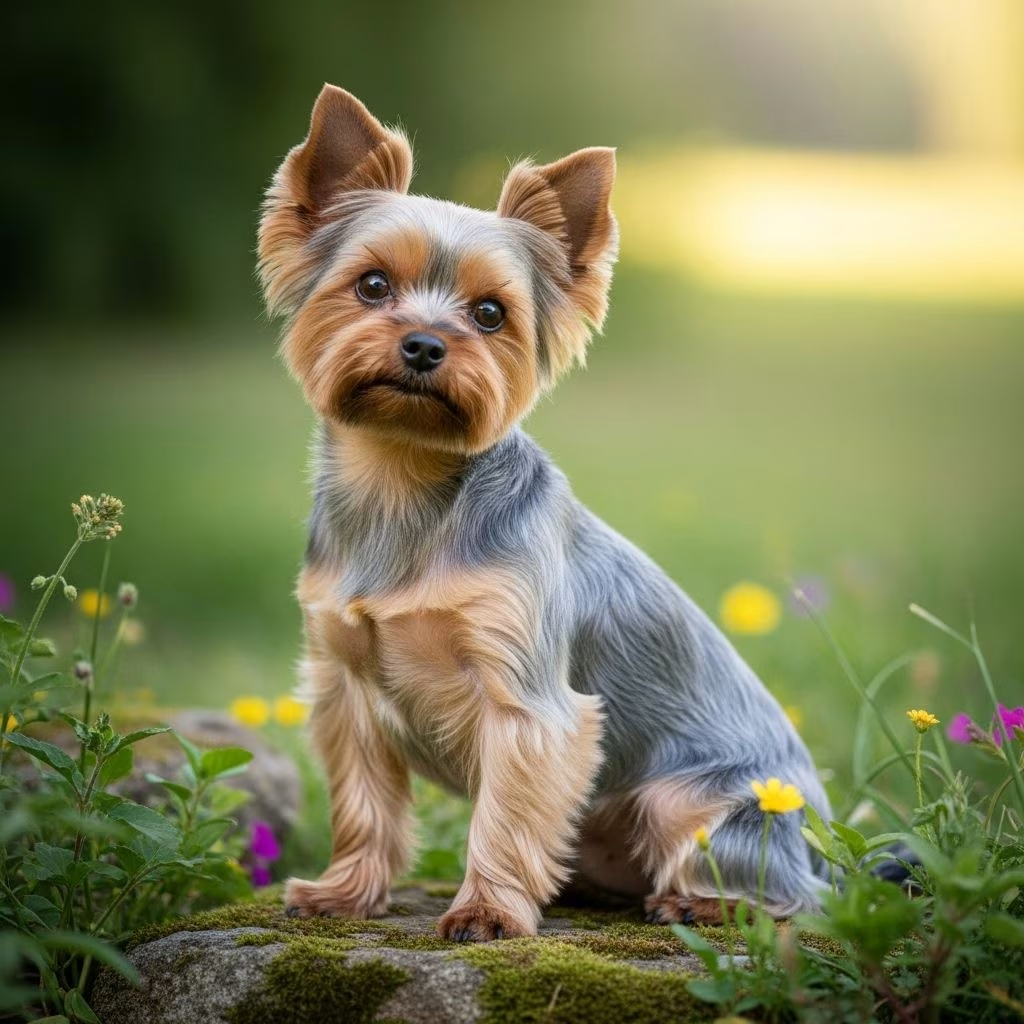
| Coat | Long, silky, straight, and glossy; blue and tan in adults, black and tan in puppies |
| Eyes | Dark, sparkling, and medium in size |
| Ears | Small, V-shaped, carried erect |
| Tail | Docked to medium length, carried slightly higher than the back |
Yorkies are instantly recognizable by their luxurious, flowing coats, which require regular grooming to maintain their beauty and prevent matting. Despite their glamorous appearance, these dogs are sturdy and athletic, reflecting their working-class origins.
Temperament and Personality
Don’t let their small size fool you—Yorkies are bold, lively, and full of personality. They are known for being:
- Loyal and affectionate: Yorkies form strong bonds with their families and thrive on attention and companionship.
- Intelligent and trainable: Their above-average intelligence makes them quick learners, though their stubborn streak can require patience and consistency in training.
- Confident and courageous: Yorkies are fearless, often unaware of their diminutive stature, and will stand their ground against much larger dogs.
- Alert and vocal: They make excellent watchdogs, quick to bark at unfamiliar sounds or visitors.
While Yorkies are loving with their families, they can be wary of strangers and benefit from early socialization to people and other pets. They generally do best with older children who understand how to handle small dogs gently.
Living with a Yorkshire Terrier
Yorkies adapt well to various living environments. While some owners prefer homes with yards, many Yorkies are perfectly content in apartments, provided they receive daily walks and playtime. They are energetic but don’t require extensive exercise—short walks and indoor play sessions are usually sufficient.
These dogs dislike being left alone for long periods and may develop separation anxiety if neglected. They crave human interaction and enjoy accompanying their owners on errands, outings, and even travel.
Health and Lifespan
Yorkshire Terriers are generally healthy, with a lifespan of 11–16 years, making them one of the longer-lived small dog breeds. However, they are prone to certain health issues, including:
- Progressive Retinal Atrophy (PRA): A genetic condition leading to blindness
- Legg-Calve-Perthes Disease: Degeneration of the thigh bone
- Luxating Patella: Dislocation of the kneecap
- Collapsed Trachea: A respiratory issue common in small breeds
- Portosystemic Shunt: A liver condition affecting blood flow
Regular veterinary check-ups, a balanced diet, and preventive care can help manage these risks and ensure a long, healthy life for your Yorkie.
Grooming and Care
The Yorkie’s beautiful coat is its hallmark but also requires significant maintenance:
- Brushing: Daily brushing is recommended to prevent tangles and mats.
- Bathing: Bathe every three weeks using a gentle dog shampoo.
- Trimming: Many owners opt for a “puppy cut” to reduce grooming time, though show dogs require a full-length coat.
- Other Care: Regularly trim nails, clean ears, and brush teeth to maintain overall health.
Despite their long hair, Yorkies shed very little and are considered a good choice for people with mild pet allergies. However, no dog is truly hypoallergenic.
Training and Socialization
Yorkies are intelligent and eager to please, but their independent nature means training should start early and be consistent. Positive reinforcement techniques work best, and early socialization with people, pets, and new environments is crucial for a well-adjusted adult dog.
Due to their small size and bold personality, Yorkies can develop “small dog syndrome” if not properly trained. Establishing clear boundaries and providing mental stimulation will help prevent behavioral issues.
Nutrition and Diet
Yorkies have high metabolisms and require nutrient-dense, high-quality food formulated for small breeds. Feed measured portions to prevent obesity, a common issue in small dogs. Consult your veterinarian for personalized dietary recommendations, especially for puppies, seniors, or dogs with health conditions.
Exercise Needs
Despite their energy, Yorkies don’t need extensive exercise. Daily walks, play sessions, and interactive toys are sufficient to keep them physically and mentally stimulated. They enjoy agility training and learning new tricks, which also strengthens the bond between pet and owner.
Common Misconceptions
- “Yorkies are just lapdogs.” While they love to cuddle, they are also active, curious, and adventurous.
- “They are hypoallergenic.” They shed less than many breeds but no dog is completely hypoallergenic.
- “They are fragile.” Yorkies are sturdy, but their small size does mean they can be injured more easily than larger dogs, especially around young children.
Choosing a Yorkshire Terrier
If you’re considering adding a Yorkie to your family, adopt from a reputable breeder or rescue organization. Responsible breeders screen for genetic health issues and prioritize temperament. Rescue Yorkies can also make wonderful companions and often come house-trained.
FAQs
Are Yorkies good with children?
Yorkies can be good with older, gentle children. Due to their small size, they are best suited for homes with older kids who understand how to interact with small dogs safely.
Do Yorkies bark a lot?
Yes, Yorkies are known for their alertness and tendency to bark at unfamiliar sounds or visitors. Early training can help manage excessive barking.
How long do Yorkies live?
The average lifespan is 11–16 years, making them one of the longer-lived small breeds.
Are Yorkies easy to train?
Yorkies are intelligent and can be trained with patience and consistency. Positive reinforcement works best.
Do Yorkies shed?
Yorkies shed minimally, making them a good choice for people with mild allergies, though no dog is completely hypoallergenic.
How much exercise do Yorkies need?
Daily walks and playtime are sufficient. They adapt well to apartment living as long as they get regular activity.
What health problems are common in Yorkies?
Common issues include PRA, Legg-Calve-Perthes, luxating patella, collapsed trachea, and portosystemic shunt. Regular vet visits help catch problems early.
How often should I groom my Yorkie?
Daily brushing is recommended. Bathe every three weeks, and trim nails and clean ears regularly.
Conclusion
The Yorkshire Terrier is a delightful blend of spunk, loyalty, and elegance. Whether you’re drawn to their glamorous appearance or their larger-than-life personality, Yorkies make devoted companions for the right owner. With proper care, training, and socialization, a Yorkie can bring years of joy and companionship to your life.
References
- https://yourpetandyou.elanco.com/us/new-pets/dog-breed-profile-yorkshire-terrier
- https://embarkvet.com/resources/yorkshire-terriers-guide/
- https://bark.co/blogs/breeds/yorkshire-terrier-guide
- https://www.sniffspot.com/blog/dog-breeds/meet-the-yorkshire-terrier-genuine-tips-from-real-owners
- https://www.petmd.com/dog/general-health/terrier-dog-breeds
- https://www.petmd.com/dog/general-health/small-dog-breeds
- https://www.petmd.com/dog/general-health/hypoallergenic-dogs
- https://pawsitiveguide.com/the-yorkshire-terrier-the-tiny-yet-mighty-breed/