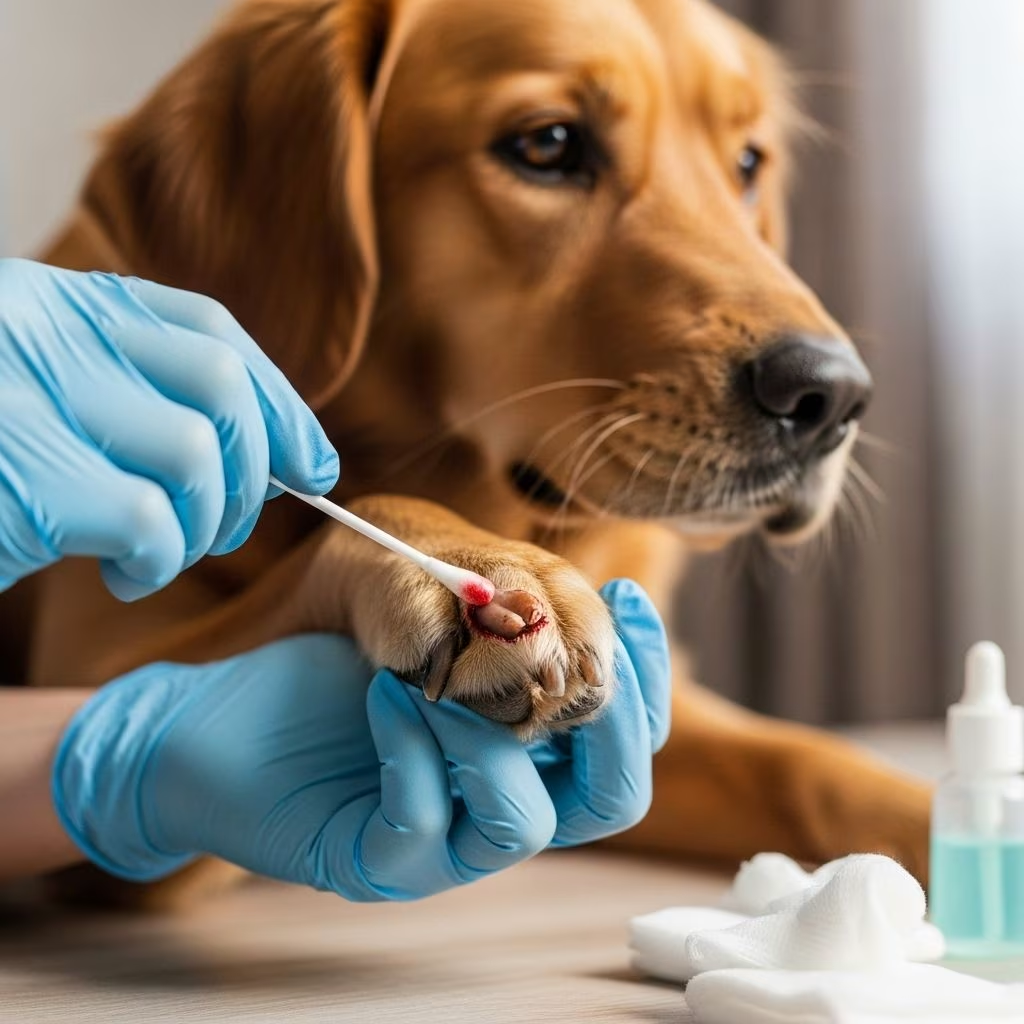
First Aid and Care for Broken Dog Nails: What Every Owner Should Know
A broken nail might seem minor, but for dogs it can lead to significant pain, bleeding, and even infection. Being prepared as a pet owner is crucial—knowing how to manage the injury promptly not only improves your dog’s comfort, but can often prevent further complications. This guide describes the causes, symptoms, home care steps, prevention tips, and signs you should not ignore when your canine companion breaks a nail.
Why Broken Dog Nails Matter
Dog nails aren’t just decorative—their structure includes a sensitive blood supply known as the quick, embedded inside a tough, keratinous shell. When a nail is torn or broken, especially if the quick is exposed, your pet feels pain similar to ours when we break a nail close to the skin. More severe injuries can lead to infection, persistent bleeding, or limping, so learning first aid is essential.
Common Causes of Broken Dog Nails
- Trauma: Running, playing, or catching a nail on rough surfaces like pavement, carpets, or fencing.
- Overgrown or brittle nails: Less frequent trimming causes nails to grow longer or curve, making them more likely to snag and break.
- Genetic factors: Some breeds have fragile nails, while older dogs may have weakened nail structure due to aging or chronic health conditions.
- Improper nail trimming: Cutting nails too short exposes the quick, risking bleeding or infection.
Symptoms: Recognizing a Broken Nail
- Sudden yelping or signs of pain
- Limping, holding the paw off the ground, or reluctance to walk
- Visible blood on the paw, bedding, or floor
- Exposed nail quick or separation of nail layers
- Licking or chewing the affected foot
Step-By-Step First Aid for Broken Dog Nails
Responding quickly can minimize discomfort and prevent complications. Use the following first aid protocol:
1. Safely Restrain Your Dog
An injured dog is scared and in pain—be cautious. Ask another person to help hold your pet securely, or gently wrap your dog in a towel. Use a muzzle if your dog may bite when stressed (never leave a muzzled dog unattended).
2. Control the Bleeding
- Gently wrap the affected paw with gauze, clean cloth, or a towel and apply light pressure for 5–10 minutes.
- If blood continues, apply a styptic pencil, cauterizing powder, or silver nitrate stick.
- In emergencies, use cornstarch, flour, baking soda, or press the nail tip into a bar of soap to help clot the blood.
- If bleeding does not stop after 10–15 minutes, seek immediate veterinary care.
3. Remove Loose Pieces of Nail
- If a fragment is hanging and easily trimmed, use disinfected, sharp pet nail clippers to remove it.
- If trim causes pain or the break is severe, wrap the paw and go to your veterinarian for proper removal—sedation or pain management may be necessary.
4. Clean the Wound and Prevent Infection
- Rinse the paw in warm water to wash away dirt and debris.
- Apply an antiseptic spray or ointment suitable for dogs, avoiding hydrogen peroxide or alcohol which can irritate tissues.
- Pat the area dry with a clean towel.
5. Protect the Paw
- Lightly wrap the paw with a clean bandage to keep the wound clean and discourage licking or biting. Ensure the bandage is not too tight to avoid restricting blood flow.
- Change the bandage daily or whenever it becomes wet or dirty.
6. Monitor and Seek Vet Care When Needed
- Observe the paw over several days. Look for swelling, redness, persistent bleeding, limping, or discharge—these may signal infection or deeper injury.
- If your dog continues to favor the injured paw, or if you notice worsening symptoms, schedule an exam with your veterinarian within 12–24 hours.
When Is a Broken Nail an Emergency?
| Situation | Immediate Action |
|---|---|
| Bleeding persists after 15 minutes of pressure | Visit an emergency vet—could indicate major vessel injury or uncontrolled bleeding |
| Quick is exposed or nail bed is seen | Clean and bandage, then seek vet advice (risk of infection increases) |
| Obvious pain and refusal to bear weight | Vet assessment needed to check for deeper injury |
| Swelling, redness, discharge, or foul odor | Signals infection—prompt veterinary care required |
| Unable to restrain/examine dog safely | Bring to vet for professional handling |
Home Care vs. Veterinary Treatment: Understanding the Difference
- Minor injuries with superficial cracks, little bleeding, and no exposure of the quick may be addressed at home with first aid, close monitoring, and regular cleaning.
- Major injuries, persistent bleeding, deep splits, or visible quick should always be seen by a veterinarian for advanced care, pain management, possible antibiotics, and surgical removal if needed.
Symptoms That Warrant a Vet Visit
- Bleeding that cannot be stopped at home
- Severe pain, limping, or not using the paw
- Swelling, redness, pus, or other signs of infection
- Repeated licking, chewing, or self-mutilation of the paw
- Broken nail with exposed quick
Complications to Watch For
- Infection: Exposed quick is vulnerable; untreated infection can travel into the toe bone.
- Persistent lameness: Chronic pain may develop if fragments remain or infection sets in.
- Recurrent bleeding: If your pet disrupts the healing clot, more severe bleeding can occur.
- Chewing or licking: Obsessive behavior increases risk for further damage and infection.
Preventing Broken Dog Nails
- Trim your dog’s nails regularly—short nails are less likely to split or tear.
- Use sharp, high-quality dog nail clippers and avoid trimming too close to the quick.
- Keep play areas hazard-free to reduce risk of snags and traumas.
- Feed a balanced diet for strong nails (consult your vet about supplements if your dog has brittle nails).
Recovery and Aftercare
- Keep the wound clean and dry—avoid submerging the paw or letting your dog walk on rough terrain until healed.
- Monitor for infection daily—look for redness, swelling, or discharge.
- Limit activity during recovery, especially avoiding excessive running or jumping.
- Follow your vet’s instructions if antibiotics or pain medication have been prescribed.
- Remove the protective bandage as directed and allow paw exposure to air (if the environment is clean) during final healing.
Frequently Asked Questions (FAQs)
Q: Can I treat a broken dog nail at home, or do I need a vet?
A: Minor surface cracks without bleeding or quick exposure can often be handled with home first aid. For severe pain, persistent bleeding, or visible quick, seek veterinary care promptly.
Q: What can I use to stop my dog’s nail from bleeding in an emergency?
A: Styptic powder, silver nitrate sticks, cornstarch, flour, baking soda, or pressing the nail into a bar of soap are effective emergency clotting methods.
Q: How long does it take for a broken dog nail to heal?
A: Healing time varies depending on severity. Minor injuries heal within a few days, while more serious wounds may take 1–2 weeks and require vet follow-up.
Q: Is infection a common complication after a broken nail?
A: Yes; infection risk rises if the quick is exposed or the nail bed is injured. Always keep the wound clean and monitor for swelling, discharge, or redness.
Q: Can broken nails be prevented?
A: Regular nail trims, safe play spaces, proper nutrition, and use of quality nail clippers dramatically reduce the risk of nail injuries.
Quick Reference: Do’s and Don’ts for Broken Dog Nails
| Do | Don’t |
|---|---|
| Restrain your dog calmly and ask for help | Panic or shout, which may stress your dog further |
| Apply gentle pressure to stop bleeding | Wrap bandages too tightly, risking circulation loss |
| Remove loose nail fragments only if painless | Force removal—may worsen injury or pain |
| Monitor paw for several days post-injury | Ignore swelling, persistent bleeding, or changes in gait |
| Call your veterinarian for severe injuries | Delay professional care if symptoms worsen |
Summary: Key Takeaways for Every Dog Owner
- Quick action, calm handling, and cleanliness are vital for nail injuries.
- Monitor healing closely—look for infection and persistent pain.
- Early veterinary intervention prevents complications.
- Prevention is always better than cure—keep nails trimmed and play areas safe.
When in Doubt, Ask Your Veterinarian
If you’re ever uncertain about treating a broken nail, or if your dog is in significant pain, err on the side of caution and call your veterinary clinic. A single nail injury might seem minor, but prompt, proper care ensures your pet returns to playful comfort—with paws ready for more adventures.
References
- https://vcahospitals.com/know-your-pet/first-aid-for-broken-nails-in-dogs
- https://www.allcarepetclinic.com/site/blog/2024/05/15/dog-has-broken-nail
- https://www.youtube.com/watch?v=ynlG-qSDFt8
- https://www.woofdoctor.vet/broken-bleeding-nail/
- https://www.medvet.com/what-to-dog-if-your-dog-breaks-or-tears-a-nail/
- https://firstvet.com/us/articles/broken-nails-in-dogs-causes-symptoms-and-treatment
- https://www.metlifepetinsurance.com/blog/pet-health/dog-broken-nail/
- https://www.pumpkin.care/post/broken-dog-nail
- https://gsvs.org/blog/dog-split-nail-urgent-care/