


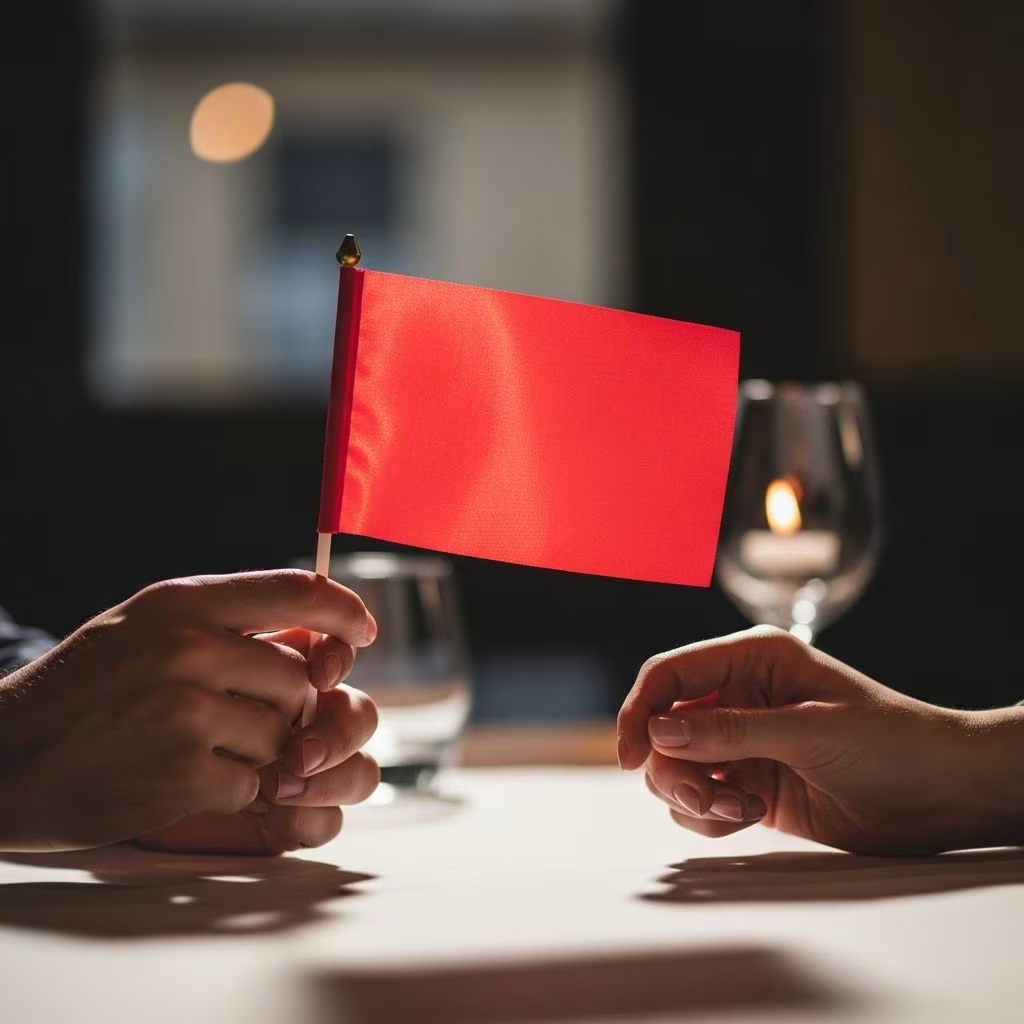
12 Relationship Red Flags to Watch For on a First Date
Navigating first dates can feel like walking through a minefield—excitement and nerves collide as you hope for a genuine connection while worrying about potential misunderstandings or red flags. Experts and dating veterans alike agree: the first date often reveals subtle (and sometimes not-so-subtle) signs of future complications. This article will walk you through twelve classic relationship red flags you should never ignore on a first date—because what you see in those early hours can shape your dating future.
Why First Dates Matter
Most of us approach first dates with a mix of optimism and skepticism. We put our best foot forward and hope our date does the same. But amid the butterflies, it’s crucial to stay aware of how your date behaves—because early patterns often intensify over time. Dismissing small warning signs can lead to real trouble down the road, especially as relationships deepen and stakes get higher.
It’s not about being cynical. It’s about dating smartly, knowing your worth, and refusing to settle for less than you deserve.
Common Red Flags to Recognize
- He Violates Your Sense of Security: Trust and respect are crucial from day one. If a date makes you feel unsafe by disregarding your boundaries, invading your personal space, or pressuring you into uncomfortable situations, these are major red flags. A healthy relationship is built on mutual security, not fear.
- He’s a Pro at the Backpedal: Beware the “Nice Guy Syndrome”—someone who initially presents as respectful and charming, only to slip into dismissive, flaky, or even manipulative behavior over time. If you notice your date seems to be putting on an act, you might be looking at someone who isn’t genuine.
- He’s Still Hung Up on His Ex: If your date can’t stop talking about their ex—whether with resentment, longing, or excessive detail—it’s a clear sign they’re not emotionally available. Someone ready for a new relationship should be able to discuss their past without dwelling on it.
- He Only Talks About Himself: A date who monopolizes conversation, never asks about you, or subtly belittles your interests is showing classic narcissistic tendencies. A healthy conversation involves mutual interest and engagement.
- He Dismisses Your Interests: If your passions and hobbies are met with indifference, mockery, or outright disregard, this signals a lack of respect. You want someone who celebrates your individuality, not diminishes it.
- He Tests Your Boundaries: Watch for attempts to push past your stated limits, whether with humor, charm, or persistence. Someone who respects you will not try to manipulate you into doing things you’re not comfortable with.
- He’s Overly Critical or Judgmental: Constructive feedback is one thing, but constant negativity—about your appearance, beliefs, or life choices—is a red flag for controlling or emotionally abusive behavior.
- He’s Inconsistent with Communication: If your date is hot-and-cold with texting, cancels plans last minute, or disappears without explanation, they’re signaling unreliability. Frequent flakiness is a predictor of future issues in the relationship.
- He’s More Focused on Sex Than Connection: Pressure for physical intimacy before you feel ready, or overtly sexual comments early on, can indicate a lack of interest in building a real relationship.
- He’s Vague About His Intentions: If your date avoids answering questions about their dating goals or gives you mixed signals, they may be uncertain about what they want—or just want something casual without saying so.
- He’s Emotionally Unavailable: Emotional maturity is essential. If your date avoids deep conversation, deflects personal questions, or struggles to express feelings, they might not be ready for a meaningful relationship.
- He’s Either Too Fast or Too Slow: Relationships that move too quickly—or too slowly—can both signal trouble. Rushing can be about control or infatuation, while avoidance can mean lack of genuine interest.
Remember, while no one is perfect, these red flags can help you spot patterns of behavior that could cause trouble down the road. If you notice several of these signs, it may be wise to reconsider pursuing a relationship with this person.
Understanding and Responding to Red Flags
Being aware of red flags is only half the battle; knowing how to respond is equally important. It’s easy to rationalize small warning signs when you’re infatuated, but over time, these behaviors can escalate into bigger issues. Here are some actionable steps to help you navigate dating more confidently.
Trust Your Instincts
Instincts are your built-in warning system. If something feels “off” on a first date, it’s worth exploring—either by asking follow-up questions or, if necessary, by ending the date early. Don’t dismiss your discomfort.
Set Clear Boundaries
Early on, communicate your expectations and boundaries. A partner who respects you will not try to pressure you into changing your boundaries. If they do, consider it a major red flag.
Talk About What You’re Looking For
Honesty about your relationship goals—whether you want something casual, open, or serious—can prevent misunderstandings and heartbreak. Ask your date directly about their intentions if they’re unclear.
End Things Early if Needed
Don’t be afraid to walk away from a date—or a dating situation—that isn’t right for you. Early rejection is better than prolonged discomfort or emotional pain.
Red Flags: What to Do Next
| Red Flag | Why It Matters | What to Do |
|---|---|---|
| Disrespectful behavior | Shows lack of respect and empathy | End the date or clearly communicate your concerns |
| Hot-and-cold communication | Signals flakiness and possible disinterest | Seek clarity or move on |
| Overly sexual advances | May indicate lack of genuine interest in you | Set clear boundaries or walk away |
| Vague intentions | Leads to confusion and mixed signals | Ask direct questions |
| Criticism or judgment | Can lead to emotional abuse | End the relationship early |
Frequently Asked Questions (FAQs)
What should I do if I notice a red flag on a first date?
Assess whether the behavior is a dealbreaker. If it makes you uncomfortable or goes against your values, consider ending things early—your well-being comes first.
Should I give someone a second chance if I see red flags?
Some isolated incidents (e.g., one bad joke, nervousness) can be overlooked, but repeated patterns—disrespect, flakiness, aggression—should be treated seriously.
How can I talk about red flags with someone I’m dating?
Be honest and direct. Share your concerns calmly and see how they respond. Their reaction often tells you a lot about their character.
Is it possible to change someone who shows red flags?
Unlikely. People only change if they want to, and expecting someone to change their fundamental behaviors is usually a recipe for disappointment.
Should I tell a friend if I see red flags in their new relationship?
Express your concerns sensitively, but remember the decision is ultimately theirs. Offer support, not pressure.
Final Thoughts
Dating is about finding someone who respects, supports, and genuinely cares for you—not someone who makes you question your worth or feel unsafe. By learning to recognize and respond to red flags early, you empower yourself to pursue healthier, happier relationships. No matter how fabulous or flawed your date seems, always trust your instincts, set firm boundaries, and remember: you deserve the best.
Don’t ignore the warning signs—spot them, acknowledge them, and act accordingly. The right person will value you for who you are, quirks and all.
References
- https://www.elitedaily.com/p/4-red-flags-before-the-first-date-that-you-should-be-looking-out-for-7612979
- https://www.elitedaily.com/dating/relationship-red-flags-first-date/1381784
- https://www.elitedaily.com/p/5-red-flags-at-the-beginning-of-a-relationship-you-should-look-out-for-2794915
- https://www.elitedaily.com/p/6-red-flags-they-just-want-to-hook-up-that-you-can-spot-on-the-first-date-9991747
- https://www.elitedaily.com/dating/red-flags-first-date/1360119
- https://www.elitedaily.com/p/5-big-first-date-red-flags-according-to-queer-eyes-jonathan-van-ness-exclusive-8610272
- https://www.elitedaily.com/dating/signs-your-first-date-went-well/2067730
- https://www.elitedaily.com/p/5-red-flags-the-timing-of-your-relationship-isnt-right-so-take-a-step-back-9806716


