


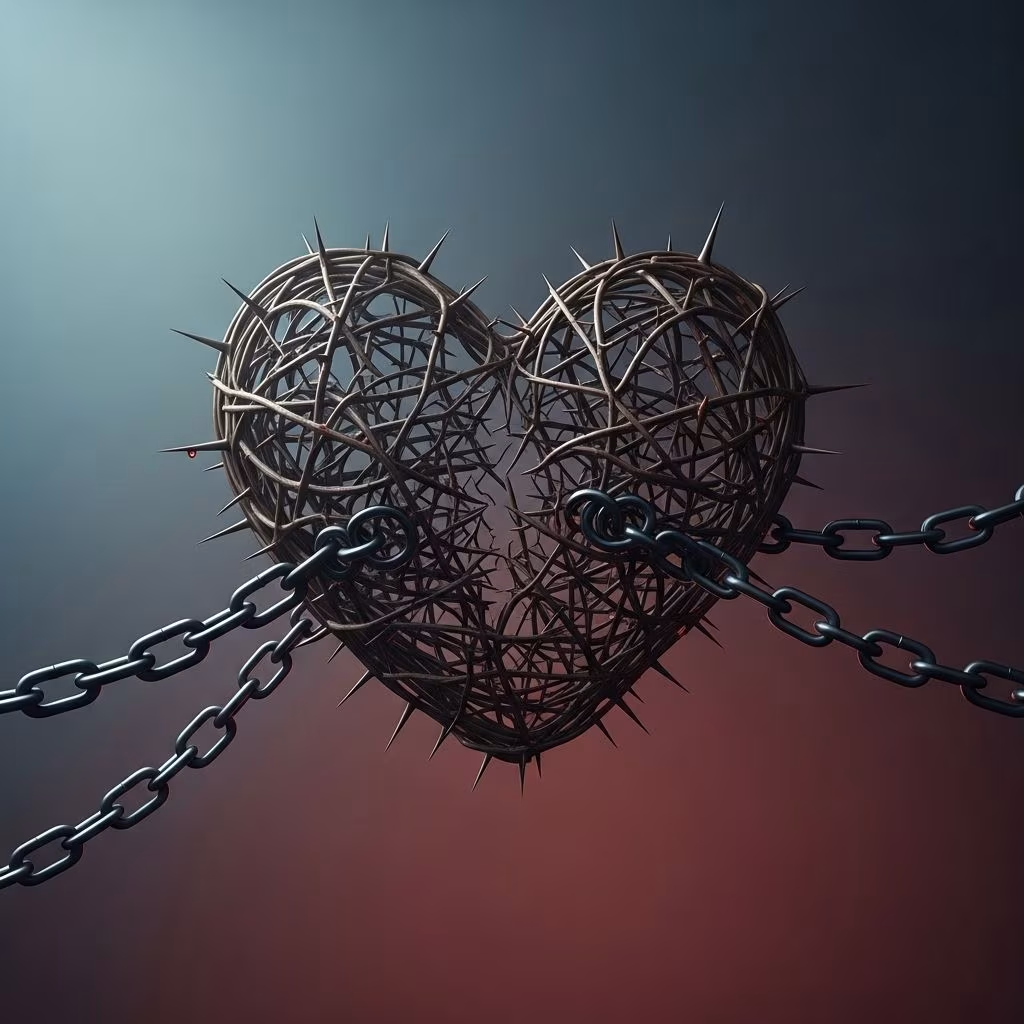
Love is supposed to be one of life’s greatest gifts, yet for many people, it becomes a source of profound pain and confusion. We find ourselves trapped in relationships that drain us emotionally, physically, and spiritually, yet we keep returning for more. This isn’t just about making poor choices or lacking willpower—it’s about understanding the deeper psychological mechanisms that drive us toward destructive relationship patterns.
The phenomenon of love addiction shares striking similarities with substance addiction. When we become dependent on a partner for our sense of well-being and self-worth, we create a cycle that mirrors the behavior of someone hooked on drugs or alcohol. The highs feel euphoric, the lows devastating, and the withdrawal unbearable. Understanding this pattern is the first step toward breaking free and building healthier connections.
The Psychology Behind Love Addiction
At its core, love addiction operates on the same neurological principles as any other addiction. Our brains are hardwired to seek pleasure through the release of dopamine and other feel-good chemicals. When a relationship begins to provide consistent dopamine releases, it activates our brain’s reward system in powerful ways. This neurochemical response can quickly become as irresistible and all-consuming as any chemical substance.
The initial attraction and promise of emotional fulfillment make it incredibly challenging to break free from this cycle, especially when other areas of life have never truly activated our internal reward systems. Just as someone suffering from substance dependence experiences withdrawal symptoms and will go to great lengths to obtain their next fix, a love addict feels an overwhelming need for their partner’s presence. This dependency leads to a cycle where rationalizations are made to justify behavior that seems uncharacteristic or even self-destructive.
What makes love addiction particularly insidious is that it often masquerades as passion, devotion, or deep connection. Society romanticizes intense, all-consuming love, making it difficult to distinguish between healthy attachment and destructive dependency. We’re taught through movies, songs, and cultural narratives that love should feel overwhelming, that we should be willing to sacrifice everything for it, and that jealousy and intensity are signs of true passion.
The Role of Codependency in Toxic Relationships
When someone is addicted to toxic relationships, codependency is often present as a fundamental component. In interpersonal relationships, codependency exists when there is a power imbalance between two partners, with one or both partners being reliant on each other to fulfill mental, emotional, physical, or spiritual needs.
This reliance leads to dysfunctional relationship patterns, as a codependent person will make unhealthy personal sacrifices in an effort to feel loved, cared for, and most importantly, needed by their partner. The codependent individual often derives their sense of self-worth entirely from their ability to meet their partner’s needs, no matter how unreasonable or damaging those demands may be.
Trauma bonds further exacerbate this cycle of addiction by creating relationships where individuals are trapped in a pattern of neglecting their own needs to receive love. These bonds often mirror the dynamics experienced with primary caregivers during childhood, creating familiar yet toxic patterns that feel comfortable despite being harmful.
Our unmet needs and unaddressed emotional voids often pave the way for unhealthy attachments. When we become overly dependent on someone for our sense of well-being, we inadvertently set the stage for manipulative dynamics. The underlying issue is frequently an addiction to the feeling of being needed or loved, creating a behavioral addiction where the partner’s presence acts as a reward that reinforces our attachment, even when it leads to personal decay.
The Dangerous Cycle of Love Junkies
Love addiction creates a destructive cycle that mirrors the pattern of substance abuse. People caught in this pattern chase the initial high of new love, mistaking intensity for intimacy and passion for compatibility. When the relationship inevitably fails to live up to the unrealistic expectations fueled by this addictive pattern, they rationalize their exit and immediately begin seeking the next fix.
These individuals look to inspirational quotes and external validation to rationalize their decisions, convincing themselves that if love doesn’t feel a certain way, it must not be real. They tell themselves, “Love doesn’t feel like this. Gotta go, bye,” without recognizing that they’re chasing a neurochemical high rather than genuine connection.
Then they look for more human drugs to take away their pain, repeating the same cycle indefinitely, or at least until they learn the logic of healthy love. But we aren’t drugs, and when we are used as such, the abuse echoes into the future and programs innocent human beings to feel unworthy of unconditional love.
While love makes a down payment to secure the good life, lust gets everything on credit with big promises for the future. But until people make sacrifices and brave the growing pains of loving responsibly, they’ll never have enough emotional resources to sustain lasting relationships. Their feelings of love get repossessed, along with their sex lives, marriages, and families. Just like drug addicts lose their health and purpose, love junkies lose all the good things money can’t buy.
The Illusion of Victimhood and Manipulation
It’s tempting to label a partner as a manipulator or narcissist when things go wrong, but such labels can oversimplify the complex interplay of personal vulnerabilities and relationship dynamics. Many people find it safer to believe that someone else is solely to blame rather than look inward and acknowledge their own vulnerabilities.
When someone is deeply invested in a relationship that undermines their self-worth, it’s not solely the partner’s actions that are to blame. Instead, the relationship itself becomes a battleground where both parties’ needs, insecurities, and unmet desires clash. The narrative of victimhood serves as a protective mechanism—a way to externalize blame and avoid the difficult work of self-reflection.
However, this externalization only reinforces the cycle of dependency. Without acknowledging the role our internal voids play in fostering unhealthy attachments, we continue to invite behaviors that diminish our personal growth and resilience. We hear phrases like “That person is no good” or “Watch out, you’re dealing with a classic manipulator,” which provide temporary relief but mask deeper truths about our own unmet emotional needs.
The Devastating Consequences of Toxic Relationships
In addition to increased risks of substance abuse and addiction, toxic relationships can have an array of problematic consequences, especially if left unmanaged or unresolved. Research has found that victims of toxic relationships report a variety of abusive experiences and various negative symptomatology involving emotional, biological, behavioral, cognitive, and interpersonal consequences.
Mental Health Consequences:
The psychological toll of toxic relationships manifests in several mental health disorders, including depression, post-traumatic stress disorder (PTSD), and various anxiety disorders. The constant stress and emotional turmoil create lasting impacts on mental well-being that can persist long after the relationship ends.
Physical Health Consequences:
The body keeps score of emotional trauma, manifesting in chronic physical symptoms such as headaches and migraines, drained energy levels, chronic exhaustion, weakened immune system, increased risk of cardiovascular complications, body aches, hormonal changes, and digestive issues.
Behavioral and Lifestyle Consequences:
Beyond mental and physical health, toxic relationships create ripple effects throughout every aspect of life, including decline in self-esteem and reduced confidence, paranoia and trust issues, avoidance of intimacy in future relationships, sacrifice of activities once enjoyed, interference with work or school performance, lack of self-care and poor dieting habits, reduced quality of sleep and insomnia, feelings of persistent insecurity, decline in overall happiness, and increased suicidal ideation.
The Link Between Codependency and Substance Abuse
Not only do codependent relationships lead to unhealthy and often toxic interpersonal interactions, but they also make individuals vulnerable to substance abuse, addiction, and other maladaptive behaviors. Personality traits associated with codependency, such as low self-worth, affect how people perceive, evaluate, cope with, and react to stressors, increasing the risk of turning to alcohol, drugs, and other problematic behaviors as self-medication.
Co-occurring codependency and substance addiction may surface in various ways. Those who are codependent in toxic relationships may be introduced to alcohol and drug use by their partner and continue to engage in substance use alongside them. Some individuals may also use alcohol and other drugs independently from their partner. Conversely, substance abuse can also inform codependent behaviors and increase an individual’s risk of becoming addicted to toxic relationships in the future.
Substance abuse isn’t the only maladaptive behavior that commonly occurs alongside codependency. Process and other behavioral addictions also frequently develop, posing ongoing concerns for health and well-being. Examples include gambling addiction, gaming addiction, internet addiction, and shopping addiction.
Breaking Free from the Cycle
Whether an individual is addicted to toxic relationships or continues to experience the consequences of one toxic relationship from their past, there are valuable ways to work toward healing and recovery. Recovery is a journey that will likely require professional guidance, support, and treatment to instill lasting healing and positive change.
The first crucial step is recognizing that we have agency in our relationship patterns. This means acknowledging our own vulnerabilities and unmet needs rather than simply casting partners as villains. It requires honest self-reflection about what we’re seeking in relationships and why we continue to accept treatment that diminishes our well-being.
Learning the logic of love means understanding that healthy relationships require patience, sacrifice, and the willingness to work through difficult emotions without seeking an immediate dopamine fix. It means distinguishing between the chemical rush of new attraction and the deeper, more sustainable connection that develops through shared experiences, mutual respect, and emotional intimacy.
Professional therapy, particularly approaches that address both relationship patterns and any co-occurring addictions or mental health issues, can be invaluable. Cognitive-behavioral therapy, trauma-focused therapy, and support groups specifically designed for love addiction and codependency can provide the tools and support needed to break destructive patterns.
Building Healthier Relationship Patterns
Creating healthier relationship patterns starts with developing a stronger sense of self outside of romantic relationships. This means cultivating interests, friendships, and activities that provide fulfillment and activate our internal reward systems independently of a romantic partner. When we derive our sense of worth and happiness from multiple sources rather than placing all our emotional eggs in one basket, we become less vulnerable to the addictive pull of toxic relationships.
It also requires setting and maintaining firm boundaries. This means identifying our non-negotiables in relationships and having the courage to walk away when those boundaries are repeatedly violated, even when our addiction tells us to stay. It means choosing partners based on compatibility, shared values, and mutual respect rather than the intensity of the initial chemical attraction.
Healthy love requires making a down payment on the good life through consistent, responsible actions rather than getting everything on credit with big promises. It means being willing to brave the growing pains of loving responsibly, investing time and emotional energy into building something sustainable rather than chasing the next high.
Frequently Asked Questions
Q: What are the signs that I’m addicted to toxic relationships?
A: Signs include repeatedly entering similar dysfunctional relationships, feeling unable to leave despite recognizing harm, experiencing intense highs and lows, neglecting other areas of life for the relationship, making excuses for unacceptable behavior, and feeling empty or anxious when alone.
Q: How is love addiction different from healthy attachment?
A: Healthy attachment involves mutual respect, maintained individuality, and balanced interdependence. Love addiction involves overwhelming dependency, loss of self, tolerance for abusive behavior, and using the relationship to fill emotional voids rather than complementing an already fulfilled life.
Q: Can love addiction be treated?
A: Yes, love addiction can be treated through professional therapy, support groups, and personal development work. Treatment often addresses underlying trauma, builds self-esteem, teaches healthy relationship skills, and helps individuals develop fulfillment outside romantic relationships.
Q: Why do I keep attracting the same type of toxic partner?
A: This pattern often stems from unresolved childhood trauma, learned relationship models, and unconscious attempts to heal old wounds. We’re drawn to what feels familiar, even when it’s unhealthy, and may unconsciously seek partners who confirm our existing beliefs about ourselves and relationships.
Q: How long does it take to break free from love addiction patterns?
A: Recovery is a personal journey that varies for each individual. While some people notice improvements within months of therapy and self-work, developing truly healthy relationship patterns often takes years of consistent effort, self-reflection, and sometimes setbacks that become learning opportunities.
References
- https://www.rehabtoday.com/addicted-to-toxic-relationships/
- https://mentalzon.com/en/post/3517/the-hidden-danger-of-love-addiction-recognizing-vulnerabilities-and-manipulative-relationships
- https://www.elitedaily.com/dating/addicted-love-destructive-relationships/1341467
- https://www.elitedaily.com/wellness/binge-drinking-turned-alcoholic/1841935
- https://sunshinebehavioralhealth.com/family-friends/survival-tips-for-loving-an-addict/
- https://www.psychologytoday.com/us/blog/compassion-matters/201201/are-you-addicted-to-doomed-relationships
- https://www.youtube.com/watch?v=r1RWhA1LpFQ
- https://health.clevelandclinic.org/addicted-to-love


