


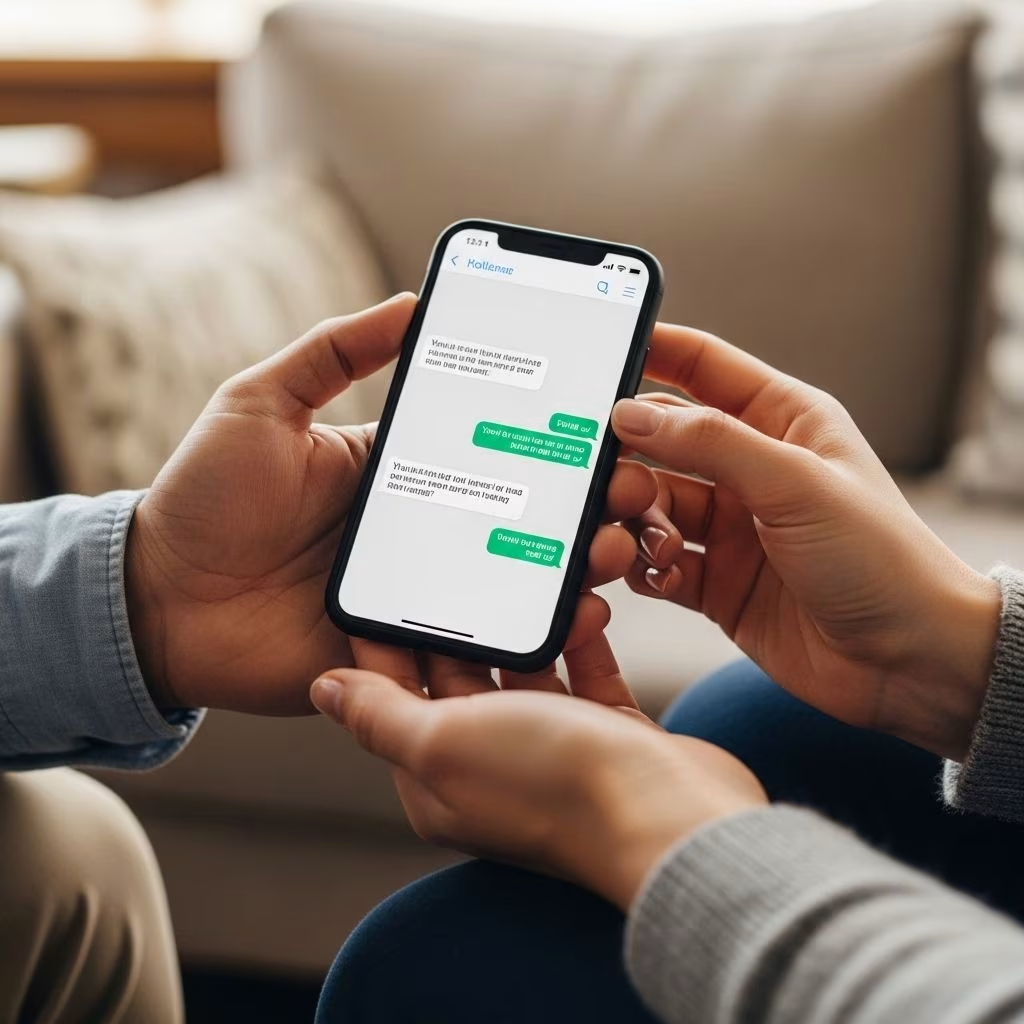
Effective compromise is the heart of every thriving relationship. Whether you’re addressing big differences or gently working through the everyday give-and-take, the first step is often starting an honest conversation. But if sitting down together feels daunting, sometimes a well-crafted text is the perfect low-pressure way to open up, clarify your feelings, and spark mutual understanding. Here are nine practical texts you can send to initiate those vital discussions—and expert-backed insights on how these texts lay groundwork for better compromise, trust, and connection.
Why Compromise Is Essential in Relationships
Every couple, no matter how compatible, has differences. Conflicting perspectives, needs, and habits are inevitable. Healthy relationships thrive not because partners never disagree, but because they find ways to meet in the middle—balancing self-respect with generosity and keeping lines of communication open.
Compromising doesn’t equal sacrificing your core values or giving in to keep the peace. Instead, it’s about identifying what matters most to you, listening thoughtfully to what matters to your partner, and working together to shape solutions that nourish both of you.
But how do you actually start these conversations, especially if you’re worried about sounding confrontational? Here’s where thoughtful texting can bridge the gap.
Benefits of Using Texts to Begin Compromise
- Texting provides space: It gives both partners time to process messages without the pressure of an immediate face-to-face response.
- Opens the door gently: A well-worded text can set a positive, non-accusatory tone that encourages dialogue instead of defensiveness.
- Facilitates vulnerability: For people who find direct verbal conflict challenging, texting can feel safer for expressing honest feelings and needs.
- Establishes clarity: Writing helps you clarify what you truly want to say before hitting send, minimizing misunderstandings.
9 Texts to Start Compromise Conversations
Each of these messages is designed to open communication without blame and invite your partner to collaborate with you. Adapt them to fit your situation and your personality.
1. “I want to talk about something that’s been on my mind. Can we find a good time to discuss it together?”
This text signals that you value the relationship enough to address issues directly, but you also care about your partner’s comfort and schedule.
2. “I care about how we both feel—would it be OK to share what I’ve been thinking, and hear your thoughts too?”
Framing the conversation around mutual care fosters teamwork and shows you’re invested in both perspectives.
3. “I realize we’ve been seeing this differently. Instead of trying to be ‘right,’ I’m hoping we can meet halfway. Can we brainstorm together?”
This approach immediately lowers the stakes. It’s not about winning or losing, but collaborating on solutions.
4. “I want our relationship to feel good for both of us. Is there something you’d like to change or try so we’re both happier?”
Inviting your partner’s input helps them feel heard and central to the outcome, not sidelined.
5. “Thank you for telling me how you feel. I’m thinking about what you said—I really want to understand and work this out together.”
Gratitude goes a long way. This text can be used after a tough conversation, showing you value vulnerability and continued dialogue.
6. “If I’ve been stubborn or not listening, I’m sorry. Can we figure this out as a team?”
Taking responsibility for your part and inviting partnership models humility and openness.
7. “What’s most important to you in this situation? I want to make sure we include that as we talk.”
Showing curiosity about your partner’s priorities signals respect and a willingness to build solutions that serve you both.
8. “I love how we usually support each other. Let’s keep that going even when things get tricky—want to take a walk and talk it out?”
Reminding each other of shared strengths can soften tense topics and reinforce your bond.
9. “Can you tell me how you see this from your perspective? I want to make sure I ‘get’ where you’re coming from before we decide anything.”
Actively seeking your partner’s perspective diffuses assumptions and paves the way for more balanced, informed compromise.
How to Use These Texts Effectively
- Personalize your language: Adapt these scripts to use words and expressions that feel natural between you and your partner.
- Follow up in person when possible: Texts are great openers, but complex emotions are usually worked out best face-to-face or on a call.
- Listen actively: After sending a text, be ready to actively hear your partner’s response—without interrupting, defending, or dismissing.
- Avoid sarcasm or blame: Nuance can be lost over text; keep your words clear, kind, and focused on resolving rather than escalating issues.
Principles for Fair and Healthy Compromise
- Be honest about your needs: Don’t minimize your feelings just to keep the peace. Healthy compromise respects each partner’s voice.
- Stay open-minded: Sometimes the best solution is different from what either of you first imagined. Creative problem-solving is key.
- Recognize feelings as valid: Even if you disagree on facts, validate emotions on both sides. Understanding is more important than agreement.
- Seek win-win, not win-lose: The goal isn’t for one of you to yield entirely, but to find a path that supports both.
- Apologize sincerely when needed: Owning mistakes builds trust and paves the way for smoother compromise.
Table: Effective vs. Ineffective Compromise Texts
| Effective Compromise Text | Ineffective Compromise Text |
|---|---|
| “Can we talk about how we’re both feeling and figure out what might work for us?” | “You never listen to me and I’m done talking about this.” |
| “What’s most important to you in this?” | “Why do you always make things so complicated?” |
| “I really want to understand your side.” | “You just don’t get it.” |
| “Let’s work together on a solution.” | “Do whatever you want.” |
Common Challenges When Compromising by Text
- Misinterpretation: Tone can be hard to read, so avoid sarcasm or ambiguous wording, especially in sensitive situations.
- Emotional escalation: If things get heated, pause the conversation and suggest continuing later, ideally in person.
- Overuse of texting for tough talks: Use these texts to open dialogue—not to hash out every detail of a major disagreement.
- Lack of closure: Follow up after your partner responds to ensure you both feel heard and the conversation isn’t left hanging.
Tips for Making Compromise Conversations Smoother
- Set the right mood: Suggest discussing important topics when you’re both calm and not distracted or tired.
- Check in regularly: Compromise should be a habit, not a one-time fix. Regularly checking in maintains a healthy, communicative dynamic.
- Affirm your commitment: Express that your goal is a strong, connected relationship, not to “win” or “get your way.”
- Celebrate progress: When you successfully compromise, acknowledge your teamwork and growth. This reinforces positive change.
What to Avoid When Seeking Compromise Over Text
- Avoid the silent treatment: Ignoring your partner’s attempts to compromise only breeds resentment and distance.
- Don’t use compromise as a bargaining chip: “If you do X, I’ll do Y” can come off as transactional and erode trust.
- Don’t minimize your partner’s feelings: Instead of dismissing their concerns, invite them to elaborate.
- Don’t escalate via text: If you feel emotions rising, ask if you can pause and continue the discussion in person.
Frequently Asked Questions About Compromising by Text
Q: Is it healthy to resolve big issues over text?
A: It’s usually best to reserve major topics for in-person conversations. Use texts to open the dialogue, clarify your intentions, and schedule a deeper talk.
Q: How do I avoid sounding blameful in my texts?
A: Use “I statements” (like “I feel” or “I’d like”) rather than “You always/never.” Focus on how you feel and what you need instead of your partner’s faults.
Q: What if my partner doesn’t respond to my attempt at compromise?
A: Give them space and time to process. If they still don’t engage, gently check in by asking if they’ve had a chance to think about your message and remind them you care about working through it together.
Q: Can compromise feel one-sided?
A: Compromise should require effort from both sides. If you consistently feel like you’re giving more than you receive, communicate your feelings openly and revisit boundaries as a couple.
Q: Are some areas off-limits for compromise?
A: Non-negotiables—like your core values or essential needs—are valid. The healthiest compromise happens when you’re both honest about where you can and can’t flex, and work to respect those limits.
Final Thoughts: Lead With Empathy, Not Ego
Learning to compromise with care and vulnerability is a lifelong relationship skill. Each text you send can lay another brick in the foundation of shared trust and respect. Start small, speak from your heart, and remember: Building a relationship where you both feel heard, valued, and supported is always worth the effort.
References
- https://www.elitedaily.com/p/how-to-be-a-better-texter-in-your-relationship-not-create-anxiety-for-your-partner-18002916
- https://www.elitedaily.com/p/if-your-boyfriend-girlfriend-texts-back-right-away-heres-what-it-means-17012908
- https://www.elitedaily.com/dating/tinx-texting-guide
- https://www.elitedaily.com/p/how-fighting-over-text-can-actually-be-productive-because-its-inevitable-that-youll-do-it-3254315
- https://www.elitedaily.com/p/wondering-how-to-compromise-in-a-relationship-send-your-partner-these-9-texts-15952626
- https://www.elitedaily.com/p/heres-what-to-do-if-you-wish-your-partner-would-text-you-more-often-so-you-feel-heard-12801591
- https://www.elitedaily.com/p/how-does-texting-change-throughout-a-relationship-a-linguist-explains-18013178
- https://www.elitedaily.com/dating/less-judgemental-online-dating/1598527


