


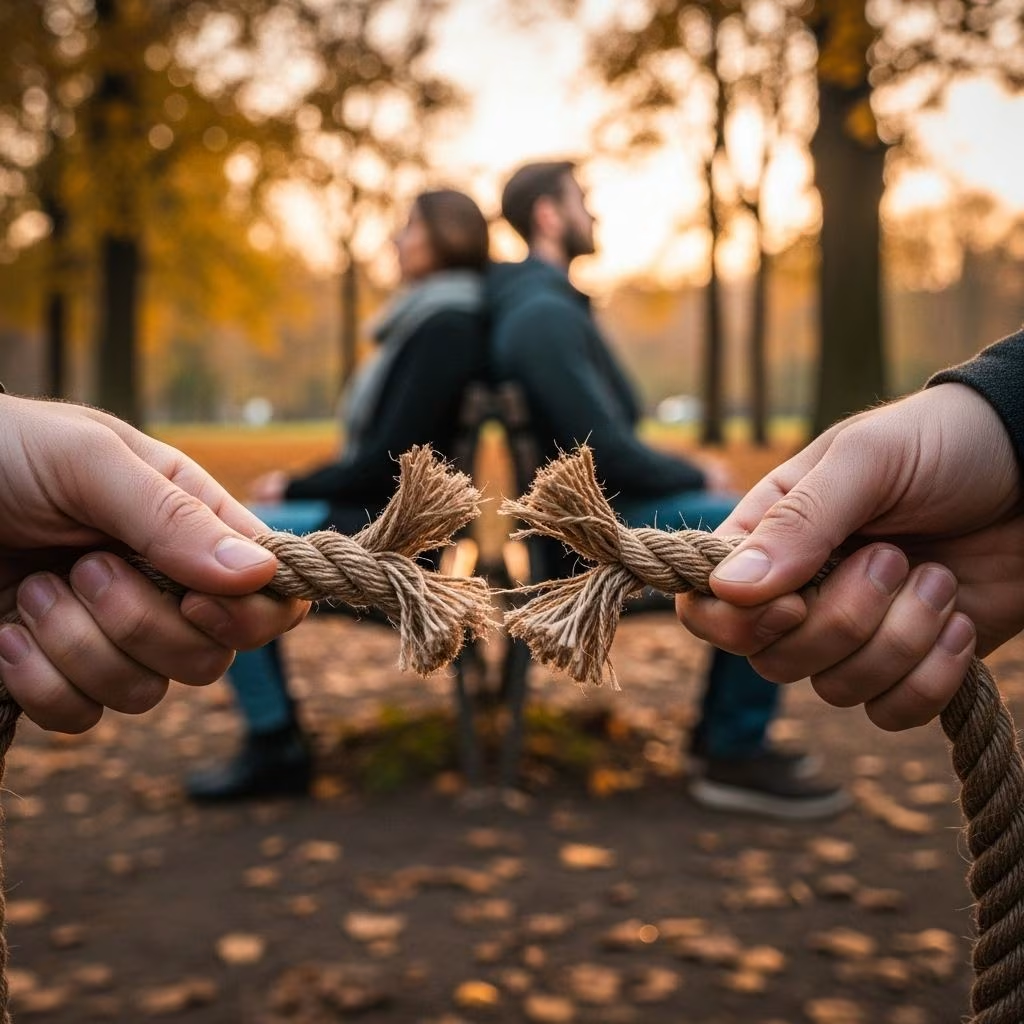
Are You Sabotaging Your Own Relationships?
We’ve all been there—things are going well with someone new, or maybe even not so new, and suddenly, you find yourself picking fights, withdrawing emotionally, or getting overly critical for no clear reason. If you’ve ever found yourself wondering why your relationships seem to fail, you might actually be self-sabotaging.
What Is Relationship Self-Sabotage?
Relationship self-sabotage refers to patterns of behavior—often unconscious—that undermine or derail romantic connections. It can look like picking unnecessary fights, shutting down emotionally, avoiding intimacy, or expecting the worst before things even go wrong.
These behaviors are often driven by past hurt, unresolved trauma, or a fear of vulnerability.
Signs You Might Be a Relationship Saboteur
- Overanalyzing and Catastrophizing: You find yourself looking for problems when none exist, constantly expecting the relationship to end badly.
- Withholding Communication: Instead of expressing your needs, you withdraw or give the silent treatment, hoping your partner will “just know” what’s wrong.
- Being Overly Critical: You focus on minor flaws in your partner, blowing them out of proportion, or compare them unfavorably to others.
- Fear of Intimacy: As things get deeper, you pull away or avoid commitment, even if you genuinely like the person.
- Defensive or Dismissive: You become defensive when your partner wants to address issues or dismiss feelings as “overreacting.”
- Prioritizing Other Commitments Over Your Relationship: Work, friendships, or even your phone consistently take precedence over quality time with your partner.
Why Do People Self-Sabotage Their Relationships?
Self-sabotage is often a defense mechanism. Here are some common reasons:
- Fear of Rejection: Better to sabotage things yourself than risk being hurt by someone else.
- Protecting Emotional Vulnerability: If you’ve been hurt in the past, it’s easier to keep walls up than risk getting hurt again.
- Low Self-Esteem: Doubting your worthiness of love can lead to behaviors that “prove” your negative beliefs.
- Control Over Outcome: If you’re the one to end things, it can feel like you’re on top of the situation, even when you’re not.
How to Stop Self-Sabotaging Your Relationships
1. Become Self-Aware
Recognizing your patterns is the first step. Reflect on past relationships—do you see recurring themes? Journaling or talking with a therapist can help uncover subconscious motives.
2. Communicate Openly
Avoid bottling up concerns or fears. Healthy relationships require honest communication, even when it feels uncomfortable.
3. Practice Self-Compassion
Avoid harsh self-criticism. Recognizing your worth makes it easier to believe someone else could value you, too.
4. Set Boundaries, Not Walls
Healthy boundaries protect you without shutting others out. Learn to distinguish between protecting yourself and isolating yourself.
5. Prioritize Quality Time
Make real, meaningful time for your partner—away from phones and work distractions. Value the connection as much as you would other important areas of your life.
6. Address Past Trauma
If past relationships have left deep wounds, consider therapy. Unresolved trauma can replay in new relationships unless consciously addressed.
Building Healthier Relationship Habits
| Unhealthy Habit | Healthier Alternative |
|---|---|
| Withholding Communication | Expressing needs and feelings honestly |
| Expecting the Worst | Giving the relationship a fair chance |
| Constantly Criticizing Partner | Appreciating your partner’s strengths and expressing gratitude |
| Fear of Vulnerability | Allowing yourself to be seen and open to love |
Conclusion
Self-sabotage in relationships is common, but it’s not inevitable. With self-awareness, honest communication, and a willingness to address past pain, you can break the cycle and build fulfilling, lasting connections.
Frequently Asked Questions (FAQs)
Q: Why do I sabotage my relationships even when I want them to work?
A: Self-sabotage often stems from fear—fear of rejection, vulnerability, or being hurt again. It’s a subconscious attempt to control the outcome and protect yourself, even if it prevents healthy love.
Q: How can I tell if I’m self-sabotaging?
A: Look for patterns of withdrawing, over-criticism, or creating conflict when things are going well. If you often end relationships for vague reasons or feel undeserving of love, these are red flags.
Q: Can therapy help with relationship self-sabotage?
A: Yes, therapy can help you uncover and address the root causes of self-sabotage, develop healthier coping strategies, and build self-esteem.
Q: How do I stop picking fights with my partner?
A: Pause before reacting. Ask yourself what’s really bothering you—chances are, it’s not your partner’s socks on the floor. Communicate your feelings calmly instead of starting a battle.
Q: Is it ever too late to change self-sabotaging patterns?
A: Never. With awareness and effort, you can change even deeply ingrained behaviors and build healthier, happier relationships.
References
- https://www.elitedaily.com/dating/things-mean-youre-problem-in-relationship/1841661
- https://www.elitedaily.com/dating/sabotage-potential-relationships/1713050
- https://timesofindia.indiatimes.com/city/aurangabad/some-leaders-in-mahayuti-trying-to-sabotage-alliance-says-shirsat/articleshow/124486784.cms


