


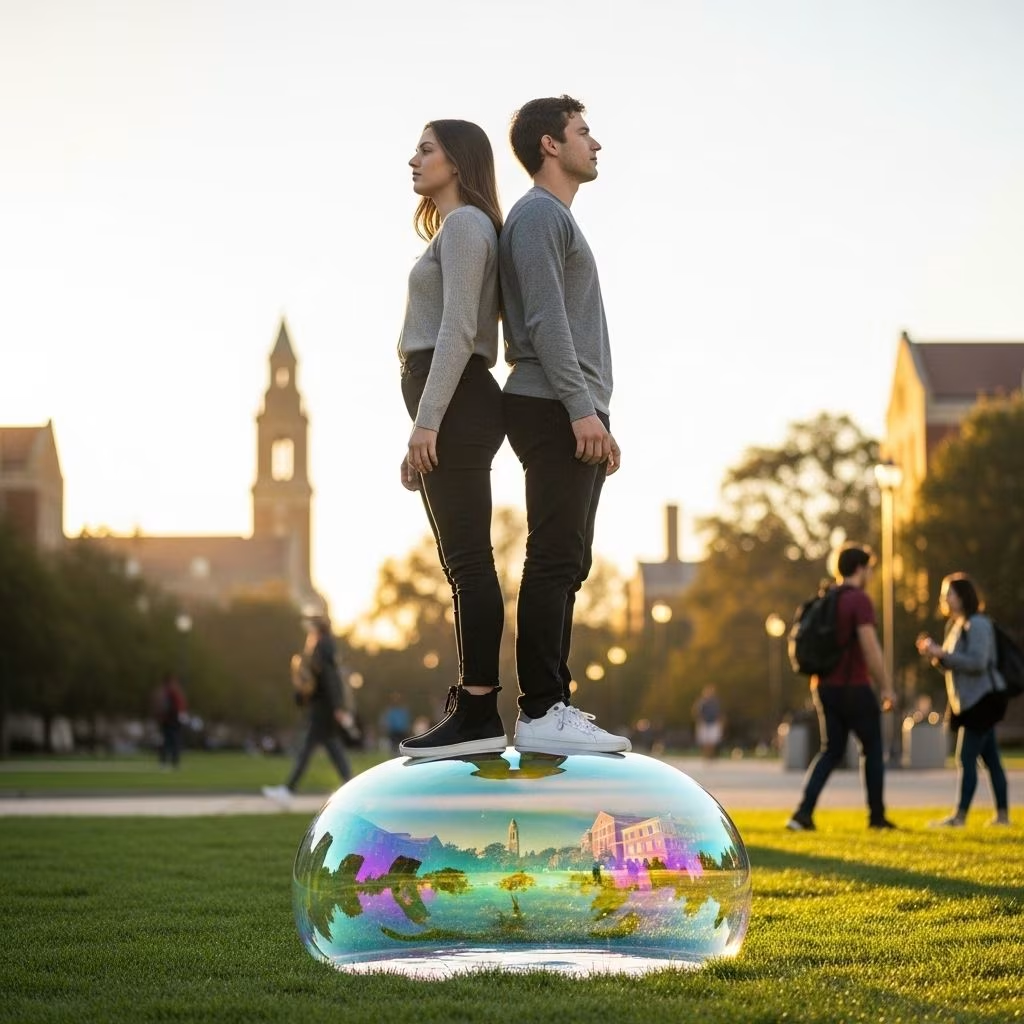
Why College Relationships Rarely Last: Lessons from the College Bubble
For many, college is a time of self-discovery, late-night conversations, and, often, first loves. But as graduation looms, many students find themselves asking: Can this relationship survive outside the classroom, the dorms, and the campus parties? The reality is, most college relationships don’t make it past the graduation cap toss—and there are real, profound reasons why.
The College Relationship Experience
College is a unique period in life. You’re living independently for the first time, making new friends, and perhaps even falling in love. For some, this relationship feels like the real deal—something that transcends the casual romances of high school. You share classes, meals, and late-night talks, and it’s easy to imagine a future together.
But while these relationships can be intense and formative, they’re often shaped by the environment—the “college bubble”—in ways that make them fragile when faced with the real world.
The College Bubble: A World of Its Own
The “college bubble” refers to the insular, often idealized environment of campus life. You’re surrounded by peers, classes, and social events, all within a few square miles. In this bubble, it’s easy to believe that your connection is unbreakable—that you and your partner are growing together in the same direction. But the truth is, your experiences are largely shared and somewhat scripted: midterms, parties, and the same group of friends are constants that glue you together.
- Shared Routine Creates False Stability: Your lives are highly structured around academic schedules, social events, and mutual friends. This routine can create a sense of stability that isn’t always present in the wider world.
- Limited Perspective on Change: In college, you often don’t have to think about life’s bigger questions—career, family, and independence are still abstract. This lack of perspective can make it hard to imagine your relationship evolving in the face of real-world pressures.
- Emotional Growth Happens Rapidly: College is a period of rapid personal transformation. The person you are at the start of college is often very different from the person you become by graduation. Sometimes, you and your partner grow together; often, you grow apart.
The Naivety of “Forever” in College Love
It’s common to believe, during these years, that your relationship is destined to last. You see each other at your best and your worst, and you dream of a future together. But this optimism often ignores the reality of adult life outside college. Conversations about the future—where you’ll live, work, and grow—are often postponed or avoided, as if the magic of campus life will somehow protect you from change.
| Expectation | Reality |
|---|---|
| Love will conquer all obstacles | Love alone isn’t enough when faced with practical challenges like distance, career, and self-discovery |
| We’ll always be this happy and connected | Routines and closeness fade as life demands more of your time and attention |
| We’ll adapt seamlessly to the real world together | Personal growth and new priorities often pull partners in different directions |
Why Conversations About the Future Matter
One of the biggest pitfalls in college relationships is avoiding serious conversations about what comes next. Many couples assume things will “just work out” if they love each other enough. But as graduation approaches, the reality of different career paths, cities, and life goals sets in. Without open, honest discussions, the relationship is often unprepared for the changes that college life shielded you from.
- Communication Gaps: Avoiding difficult topics doesn’t make them go away; it just delays the inevitable reckoning.
- Fear of Change: Change can be scary, especially when it threatens the comfort of a beloved relationship. But ignoring change doesn’t stop it from happening.
- Growth Is Inevitable: The only constant in life is change, and college is a time of rapid personal growth. This can mean growing together—or growing apart.
The Transition: From Campus to the Real World
After graduation, the world expands beyond the campus gates. Suddenly, you’re faced with financial independence, career challenges, and, often, geographic separation. The routines and shared experiences that held you together begin to disappear, and the cracks in your relationship may become visible for the first time.
- Loss of Routine: No more shared classes, dining halls, or late-night library sessions. Your daily interactions become less frequent, and the glue that held you together weakens.
- Different Priorities: Career, family, and independence take center stage. The things that matter most to you and your partner may no longer align.
- Geographic Separation: It’s common for couples to move to different cities after graduation. Long-distance relationships can work, but they require a level of commitment and communication that many young couples haven’t developed.
Is It Always a Breakup? Not Necessarily
Certainly, some college relationships do survive and even thrive after graduation. But for the majority, the end of college marks the end of a chapter, both individually and as a couple. Even healthy relationships can struggle in the face of such dramatic change.
Why College Heartbreak Can Be a Blessing in Disguise
If your college relationship ends after graduation, it can be painful—but it can also be a significant period of growth. Relationships that start and end in college often play a vital role in shaping who you are and what you value in love and life.
Personal Growth Through Relationship Experiences
College relationships, even those that don’t last, often teach you what you need (and don’t need) in a partner. They help you understand your boundaries, your expectations, and your emotional patterns. This knowledge is invaluable as you move forward and navigate new relationships.
- Learning About Love and Loss: Experiencing heartbreak in a safe environment can prepare you for more complex adult relationships.
- Understanding Your Needs: Knowing what you need—emotionally, intellectually, and practically—helps you recognize healthier, more compatible relationships in the future.
- Building Resilience: Surviving a breakup, especially after investing so much time and emotion, builds emotional resilience that serves you well in life.
Avoiding the “One That Got Away” Mentality
Sometimes, people who break up after college look back with regret, wondering “what if.” But the reality is, your college relationship might have thrived because of its context, not despite it. The closeness you shared was enabled by your environment—an environment that doesn’t exist in the real world.
Practical Advice for College Couples
If you’re in a college relationship and want it to have a future beyond graduation, be proactive. Don’t assume things will work out on their own. Have the difficult conversations, and be honest about your hopes, fears, and plans.
- Talk About the Future Early and Often: Don’t wait until graduation to discuss jobs, cities, and goals. Start early and revisit the conversation as things change.
- Prepare for Change: Accept that your lives will change. Plan for it. Be flexible and supportive of each other’s growth.
- Prioritize Communication: The best predictor of a relationship’s success is honest, open communication—about the good and the bad.
- Consider All Options: If you’re both moving to different cities, decide together if long-distance is realistic, or if it’s healthier to part ways.
Frequently Asked Questions (FAQs)
Is it common for college relationships to end after graduation?
Yes, it’s very common. Many college relationships are shaped by the unique environment of campus life, which can make them difficult to sustain in the real world.
Do any college relationships make it and get married?
Some do, but they are the exception rather than the rule. Most college relationships end when the partners face the challenges and changes of post-college life.
What are the signs that a college relationship won’t last after graduation?
Key signs include avoiding conversations about the future, having very different career or city plans, and relying too much on the college bubble for emotional closeness.
How can I make my college relationship last after graduation?
Prioritize communication, plan for change, and be honest about your goals and expectations. If you’re both committed, it’s possible—but it requires work and flexibility.
Is it a bad sign if my relationship was mostly within the college bubble?
Not necessarily. The bubble can be a great foundation, but as you both grow, you’ll need a deeper foundation built on open communication and shared goals.
Conclusion
College relationships are transformative, emotionally charged, and often unforgettable. For many, they’re also temporary, ending when faced with the realities of adult life. That doesn’t mean they’re failures—far from it. These relationships often reveal your needs, your resilience, and your capacity for growth. Whether your college love story ends with a breakup or a new beginning, it’s an experience that shapes who you are and sets the stage for the relationships that follow.
References
- https://www.elitedaily.com/dating/college-relationship-ended/1140427
- https://www.elitedaily.com/p/should-you-break-up-before-graduation-how-to-know-if-your-relationship-is-destined-to-last-8567826
- https://www.aubreenichols.com/published-article/2018/9/26/my-past-abusive-relationship-makes-it-hard-for-me-to-say-no-to-men
- https://www.asanet.org/wp-content/uploads/attach/journals/feb5sociusfeature.pdf
- https://dailycollegian.com/2017/10/its-time-to-break-the-mold-on-breaking-up/
- https://damonahoffman.com/tag/toxic-relationships/
- https://pmc.ncbi.nlm.nih.gov/articles/PMC6112797/


