


What Are Parasocial Celebrity Relationships?
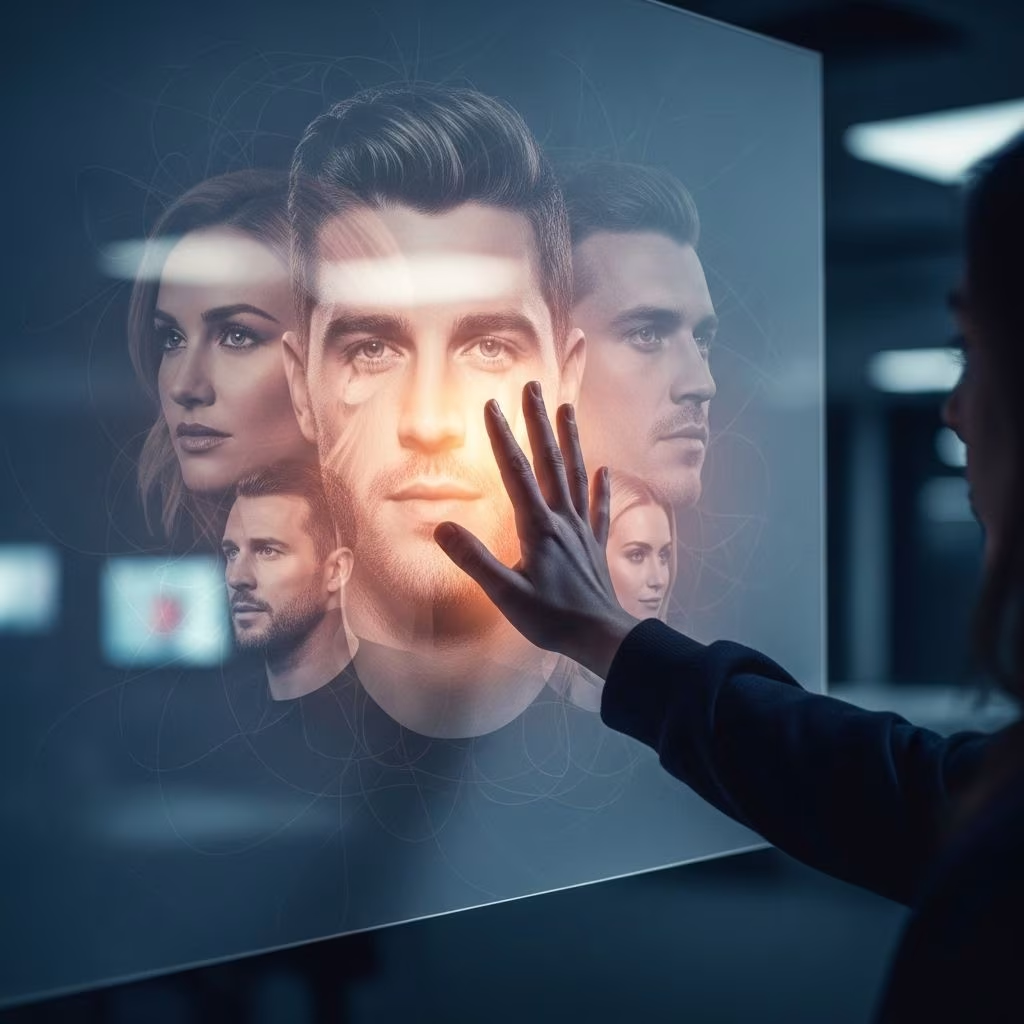
Parasocial relationships refer to the one-sided, emotionally invested bonds that individuals form with public figures, typically celebrities, influencers, and fictional characters via media platforms. Unlike real-life relationships, these connections are non-reciprocal: a person feels deeply connected to the celebrity, but the celebrity is completely unaware of their existence. The term was first introduced by psychologists Donald Horton and Richard Wohl in 1956 to describe the illusion of face-to-face intimacy created by mass media such as radio and television.
- Definition: A one-way relationship characterized by emotional energy, interest, and time invested in a persona who is unaware of the fan’s existence.
- Common Forms: Celebrities (actors, musicians), influencers, fictional characters, media hosts, and even organizations or sports teams.
- Key Feature: The fan experiences feelings of intimacy, loyalty, and understanding that mirror real friendships or even romantic partnerships.
Although parasocial relationships have always existed to some extent, the scale and intensity of these bonds have accelerated in the modern age, fueled by interactive digital media and 24/7 access to celebrity lives.
How Do Parasocial Relationships Develop?
The formation of a parasocial relationship usually starts with repeated exposure to a media persona. As fans engage with a celebrity’s work, social presence, or personal revelations, their interest intensifies and a sense of personal connection or friendship emerges. Over time, this can develop into:
- Illusions of Intimacy: Fans begin to feel they know the celebrity personally, often referring to them on a first-name basis or feeling emotionally involved in their well-being.
- Identification: Fans may adopt mannerisms, opinions, or life goals similar to the persona.
- Shared Experiences: Through media, fans participate in significant moments of the celebrity’s life (successes, struggles, relationships), reinforcing the feeling of genuine friendship.
The relationship is further intensified by direct or indirect interactions enabled by social media—such as comments, likes, or personalized messages—even when these are not actual two-way conversations.
The Psychology Behind Parasocial Bonds
Psychologists recognize parasocial relationships as using similar thought mechanisms as real-life social attachments. The illusion of reciprocity, central to these bonds, allows individuals to fulfill social needs such as companionship, admiration, and even protection, all without the risks and complexities of actual relationships. Several psychological drivers include:
- Human Need for Social Connection: Parasocial relationships can provide comfort to those experiencing loneliness or social anxiety, acting as a substitute or supplement to real-world connections.
- Attachment Styles: Studies show people with certain attachment tendencies (e.g., anxious or avoidant) are more likely to develop and invest in parasocial bonds.
- Blurring Fantasy and Reality: Media’s portrayal of celebrities’ lives can create a distorted sense of closeness and accessibility, further facilitating emotional attachment.
These psychological effects often mirror those seen in actual relationship dynamics, including feelings of heartbreak or loss if a celebrity encounters difficulties or a public downfall.
The Influence of Social Media: Intensifying the Parasocial Paradox
Social media has redefined the landscape of parasocial relationships by introducing direct channels for fans to interact with stars and influencers. Platforms such as Instagram, Twitter, TikTok, and YouTube allow for a feeling of immediate proximity, as celebrities share personal updates, respond to fans, or appear to engage in one-on-one communication.
- Greater Accessibility: Frequent updates, live streams, “Stories,” and behind-the-scenes glimpses increase the illusion of friendship.
- Reciprocity Illusion: Occasional responses or acknowledgments from celebrities amplify feelings of unique connection, even if they are part of mass-produced fan engagement strategies.
- Interactive Fandoms: The emergence of virtual fan communities fosters collective identification with the celebrity and can amplify the strength and influence of parasocial bonds.
As social media lowers the barriers between public figures and their audience, the intimacy and sometimes intensity of these one-way connections can rival, or even surpass, real relationships in significance for some individuals.
Examples of Parasocial Celebrity Relationships
Parasocial connections can be found throughout popular culture and across generations, from television stars and musicians to modern digital influencers. Notable examples include:
- The Royal Family: Global fascination, particularly with figures such as the late Queen Elizabeth II and Princess Diana, involves fans following their lives, adopting traditions, and experiencing collective joy or grief around major events.
- YouTubers and Streamers: Online personalities like MrBeast, PewDiePie, and Technoblade inspire strong one-sided bonds—fans identify with their creators, participate in online communities, and express deep care for their well-being, especially during publicized life events.
- Talk Show Hosts: Longstanding staples such as Oprah Winfrey and Joe Rogan are perceived by many fans as trusted friends and confidants, influencing opinions and consumption choices through their platforms.
- Fictional Characters: Audiences may develop bonds with characters from TV series, movies, or video games—experiencing their joys and sorrows as if they were real acquaintances.
Potential Benefits of Parasocial Relationships
While easily dismissed as superficial, parasocial relationships can have positive social and psychological outcomes for many:
- Companionship and Comfort: For those facing isolation or loneliness, these one-sided bonds can provide a sense of belonging and emotional support.
- Inspiration and Motivation: If fans look up to ethical, resilient celebrities, their parasocial bonds can motivate personal growth, healthier lifestyles, or educational aspirations.
- Safe Exploration of Identity: Adolescents and young adults may use these relationships as a mechanism to safely model and experiment with different social roles or identities.
- Fandom and Community: Shared admiration for a celebrity can foster real-life friendships and social belonging within fan communities.
The Dark Side: Risks and Negative Impacts
Despite their potential benefits, there are important downsides and controversies associated with parasocial relationships:
- Unrealistic Expectations: Fans may compare their lives to the idealized, filtered lifestyles of celebrities, risking feelings of inadequacy or reduced self-esteem.
- Obsessiveness and Boundary Issues: The intensity of attachment may lead to stalking, intrusive behaviors, or a blurring of acceptable boundaries between fan and celebrity.
- Vicarious Trauma: When a celebrity suffers a tragedy or scandal, emotionally invested fans may experience loss, distress, or confusion similar to personal heartbreak.
- Needing for Reciprocation: Excessive investment in a one-sided relationship can sometimes come at the expense of developing and nurturing real-life connections.
- Aggressive or Toxic Fan Behavior: In rare but serious cases, fans can turn aggressive when they feel betrayed or snubbed by a celebrity.
Research also suggests a link between following certain aggressive media figures and increased aggression in fans, particularly those predisposed to such traits.
Why Do We Care So Much? The Appeal of the Parasocial
The enduring appeal of parasocial relationships lies in their unique capacity to furnish deep emotional satisfaction with relatively low social risk. At their core, these relationships allow us to:
| Need | Parasocial Fulfillment | Typical Risk |
|---|---|---|
| Companionship | Ongoing sense of connection and friendship | Low |
| Inspiration | Role models for self-improvement or success | Low |
| Belonging | Shared fandom, community, and identity | Low |
| Emotional Release | Vicarious drama, joy, and catharsis | Minimal embarrassment compared to real-life |
These advantages help explain the unwavering passion seen in modern fandoms, from sporting heroes to TikTok influencers.
Celebrity Perspectives: Redefining Boundaries
With the growing power of parasocial bonds, many celebrities increasingly confront the challenges of blurred public/private boundaries:
- Some stars express concern over “superfan” or intrusive behaviors, emphasizing the need for mutual respect and boundaries online.
- Direct interactions, such as DMs or live responses, create excitement but can inadvertently reinforce the notion of a personal connection, raising ethical and privacy considerations for celebrities.
- As celebrities speak out about the importance of boundaries, there is heightened public debate around what constitutes fandom versus inappropriate obsession.
This new awareness is contributing to the development of etiquette and best practices around healthy online communities and responsible fan engagement.
Parasocial Relationships in the Digital Age: Changing Media, Changing Bonds
The rise of digital media platforms has permanently transformed the scope and nature of parasocial relationships:
- From TV to TikTok: Where once parasocial bonds were limited to TV, radio, or print, today’s technology creates continuous, interactive access to celebrities, radically expanding fan immersion.
- Influencer Economy: The line between fan and consumer is increasingly blurred, as influencers leverage personal connection for marketing and monetization.
- Viral Moments: Intimate or relatable viral content deepens emotional connections, catapulting ordinary people into celebrity status and extending the reach of parasocial relationships.
This shift increases both the opportunity for genuine social connection and the risks of comparison, alienation, or unhealthy fixation, depending on the individual and their circumstances.
Frequently Asked Questions (FAQs)
What makes parasocial relationships different from real friendships?
Parasocial relationships are strictly one-sided; only the fan feels emotional closeness, while the celebrity is completely unaware. Real friendships involve mutual recognition, interaction, and emotional exchange.
Can parasocial relationships be harmful?
In moderation, they provide comfort and inspiration, but excessive reliance can lead to emotional distress, unrealistic life comparisons, or neglect of real-life relationships. Boundary violations are rare but possible, particularly in cases of extreme fan behavior.
How do social media platforms enhance parasocial bonds?
They enable direct interaction, personalized content, and regular updates, all of which deepen perceived intimacy and give fans the illusion of personal connection. Occasional direct replies from a celebrity may further intensify attachment.
Is it normal to feel upset when something bad happens to a favorite celebrity?
Yes, since the psychological processes involved mirror real-life social attachment, fans often experience genuine sorrow, grief, or disappointment during a celebrity’s setbacks or scandals.
Are parasocial relationships a new phenomenon?
No, but the scope and intensity have grown dramatically with modern media—especially social media platforms allowing for constant, intimate access to celebrities and influencers.
Fostering Healthy Parasocial Engagement
- Recognize the Illusion: Regularly remind yourself that, while emotionally gratifying, the connection is not reciprocal.
- Balance Media and Real Life: Nurture real-world friendships and activities alongside media consumption.
- Be Critical of Social Media: Understand that much content is curated to present idealized lifestyles and does not fully reflect reality.
- Respect Boundaries: Engage respectfully with celebrities and fellow fans, avoiding behaviors that cross personal or ethical lines.
Parasocial relationships are a natural byproduct of our media-driven world, reflecting both the human drive for connection and the challenges of navigating authenticity in digital spaces. As technology continues to evolve, so too must our awareness of the dynamics shaping modern fandom and emotional attachment.
References
- https://www.findapsychologist.org/parasocial-relationships-the-nature-of-celebrity-fascinations/
- https://helpfulprofessor.com/parasocial-relationships-examples/
- https://en.wikipedia.org/wiki/Parasocial_interaction
- https://oracle.newpaltz.edu/parasocial-relationships/
- https://www.psychologytoday.com/us/basics/parasocial-relationships
- https://www.marriage.com/advice/relationship/all-you-need-to-know-about-parasocial-relationships/


