


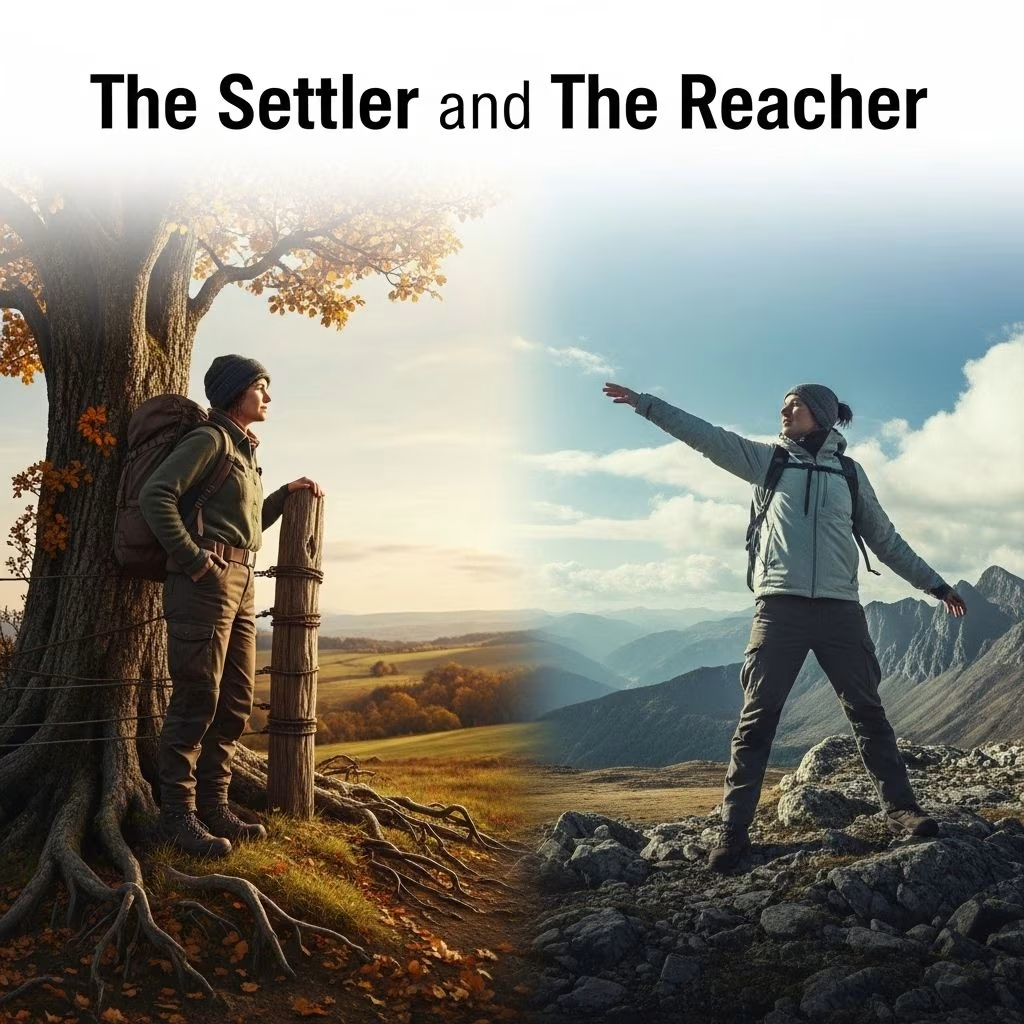
The Settler and The Reacher: Understanding Power Dynamics in Relationships
Every relationship, whether casual, exclusive, or even in a long-term commitment like an engagement, involves roles that can be described as the settler and the reacher. This concept, popularized by shows like How I Met Your Mother, suggests that one partner is often settling for someone perceived as below their standards, while the other is the reacher, striving to live up to the other’s expectations or affection.
What is a Settler in a Relationship?
A settler is generally the person who could arguably do better but chooses to be in the relationship. This doesn’t necessarily mean they are dissatisfied, but rather, they might not have to work as hard to maintain the relationship since they are often seen as the more desirable or sought-after partner. The settler may be content with the relationship but might also harbor feelings of superiority, whether acknowledged or not.
What is a Reacher in a Relationship?
On the other hand, a reacher is the one who is often seen as striving to keep the relationship alive or to meet the other person’s standards. This role typically involves more effort, such as showering the other with attention and gifts to maintain the relationship’s stability. The reacher is often aware they are with someone who might be out of their league, prompting them to work harder to prove themselves worthy.
Power Dynamics Between the Settler and the Reacher
The dynamic between these roles can lead to an imbalance in power within the relationship. The settler typically holds more power because they are not as invested in maintaining the relationship. This imbalance can result in feelings of insecurity or dissatisfaction for the reacher, who may constantly seek validation or reassurance.
Applying the Concept Beyond Romantic Relationships
The settler and reacher dynamic isn’t limited to romantic relationships. It can be observed in friendships, family dynamics, or even professional interactions. Understanding these roles can help individuals navigate relationships more effectively by recognizing when they are settling or reaching.
Can Both Partners be Reachers?
Interestingly, some argue that a relationship where both partners feel they are reaching for each other can lead to a more balanced and happy partnership. This is because both individuals are invested in pleasing and maintaining the relationship, which can eliminate feelings of superiority or inferiority.
Importance of Awareness and Communication
Recognizing whether you are a settler or a reacher can be crucial for maintaining a healthy relationship. Awareness of these roles allows for more effective communication and can help prevent misunderstandings or resentment. It’s important to understand that both roles have their drawbacks and advantages:- Settler: Holds more power but might feel superior or unchallenged.- Reacher: May feel more invested but could be insecure or overly dependent.
Playing It Cool: The Art of Balance
One of the key takeaways from understanding the settler and reacher dynamics is the importance of balance. Knowing when to push and when to relax is crucial. Over-effort can sometimes be seen as needy, while under-effort might be perceived as indifference. Finding the right balance can lead to a more fulfilling relationship.
Consequences of Settling
While settling might seem like an easy way out, it can lead to long-term dissatisfaction. Marrying or committing to someone with the feeling of settling can have negative consequences, including feelings of regret or unhappiness later in life.
Frequently Asked Questions (FAQs)
Q: Is It Okay to Be the Settler in a Relationship?
A: Being a settler isn’t inherently bad, but it can lead to feelings of dissatisfaction if the relationship doesn’t align with your true desires or expectations.
Q: How Can I Balance Being a Reacher Without Coming Across as Needy?
A: Communication is key. Be open about your feelings and needs, but also respect the other person’s boundaries and desires.
Q: Can a Relationship Thrive with Both Partners Feeling Like Reachers?
A: Yes, if both partners feel they are reaching for each other, it can lead to a more balanced and fulfilling relationship.
Conclusion
Understanding the settler and reacher roles can be a powerful tool for navigating relationships. By recognizing these dynamics and striving for balance, individuals can build more satisfying and equitable partnerships. Remember, the goal is not to label yourself strictly as one or the other but to cultivate awareness and communication within your relationships.


