


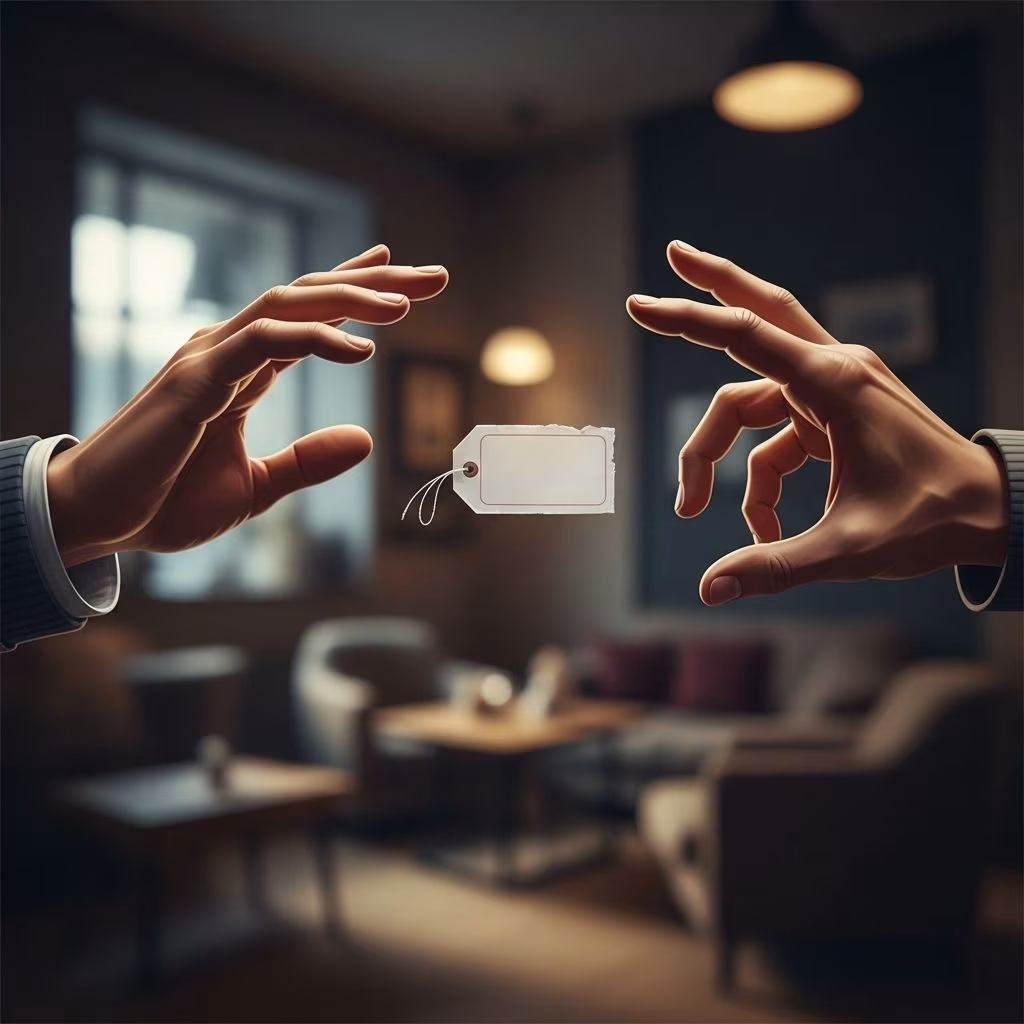
If Your Relationship Stays Label-Less For Too Long, It’ll Never Get Serious
Modern romance often skips labels—instead of defining relationships, many of us inhabit a gray area known as the “label-less phase.” For some, this feels liberating, but for others, it can become a trap that prevents genuine commitment and growth. Despite all the late-night texts, spontaneous hangouts, and whispered secrets, if your relationship remains label-less for too long, you may be denying yourself the satisfaction—and clarity—that comes with a real, serious connection.
The Label-Less Phase: When Dating Refuses Definition
In today’s dating landscape, many relationships begin with excitement and potential but quickly fall into ambiguity. Two people meet, chemistry crackles, and before you know it, you’re spending more and more time together. Mornings start with sweet messages, evenings with shared laughter, and weekends melt together in a haze of fun and romance. Yet, after months of growing closeness, neither party dares to call it what it is.
The initial comfort of going label-less can feel refreshing, especially for those just out of a serious relationship or wary of making the same mistakes again. It’s easy to convince yourself, “Labels don’t matter; it’s the connection that counts.” But as time drags on with neither person stepping up to put a name on the relationship, doubts inevitably creep in.
Why Do Couples Avoid Labels?
- Fear of Commitment: Labels are often viewed as the first step toward exclusivity and long-term expectations. Avoiding them can help delay scary conversations about the future.
- Past Heartbreak: Recent breakups can leave people understandably cautious, leading them to avoid formalizing new connections too soon.
- Desire for Freedom: For some, the absence of labels means the freedom to keep options open and avoid feeling ‘tied down.’
- Cultural Influences: Modern dating norms have shifted, with apps and technology facilitating a buffet of options and encouraging less-committed interactions.
The Pitfalls of Staying Label-Less
While it might seem like avoiding labels keeps things light and stress-free, the reality is often quite different. Over time, the uncertainty can breed anxiety, insecurity, and a lack of genuine intimacy. Here’s why a relationship left undefined can rarely progress to something deeper:
1. It Prevents Real Emotional Investment
Without a defined relationship, both parties can be hesitant to fully express their feelings or make themselves vulnerable. The fear of being “more invested” than the other lingers perpetually, making it nearly impossible to build authentic trust. This lack of vulnerability can stunt the potential for intimacy, resulting in a relationship that remains surface-level, even after months have passed.
2. You Sacrifice Your Needs
Remaining label-less often means suppressing your true desires. You might rationalize away your need for commitment, pretending that you’re perfectly content with things as they are. Deep down, though, you may wish for security, consistency, or greater emotional depth, but hesitate to voice those needs for fear of “ruining” the casual dynamic.
3. Communication Becomes Ambiguous
Without clear definitions, partners can develop entirely different expectations of what the relationship means. Is it exclusive? Are you free to see other people? Are you working toward a future together, or just enjoying the moment? Misunderstandings and hurt feelings often arise when each person is secretly holding onto a different vision of where things are headed.
4. The Illusion of Progress
Label-less relationships can easily feel like they’re heading somewhere—especially once routines develop and friends or families become aware of the pairing. But without a mutual agreement or acknowledgment of status, there is nothing truly binding you together. This lack of clarity makes it difficult to address problems or make plans, leaving the relationship emotionally stagnant.
Why Labels Still Matter
Long before the days of swiping right, relationships were more straightforward—people didn’t debate the merits of exclusivity or question what each others’ intentions were. In the age of serial dating and limitless options, the act of defining a relationship with a label has become somewhat revolutionary. Here’s why giving your relationship a label can be both important and liberating:
- Fosters Trust: Placing a label on your relationship sends a clear signal that you’re both committed and invested, which naturally builds trust.
- Provides Clarity: Once you define your relationship, both parties understand the rules, boundaries, and expectations, reducing miscommunication.
- Creates Security: Labels give both individuals a sense of stability and belonging, allowing them to be more emotionally vulnerable and honest.
- Strengthens Connection: Defining your union is an act of mutual recognition. It’s a shared understanding of what you mean to each other.
Signs You’re Ready For a Relationship Label
Sometimes it’s hard to tell if your relationship is ready for a label, or if you’re just clinging to an undefined connection in hopes it will become more. Watch for these signs:
- Regular Communication: You talk daily and are familiar with each other’s routines and lives.
- Meaningful Time Together: Your hangouts extend beyond the bedroom; you spend quality time with one another’s friends and family.
- Emotional Intimacy: You share secrets, hopes, and fears—not just surface-level conversation or sexual chemistry.
- Exclusivity: There’s an unspoken (or spoken) understanding that neither of you is seeing other people, even if no label has been applied.
- Feeling Jealous: You feel uneasy thinking about your partner with someone else, suggesting you’re invested beyond casual status.
The Psychology Behind Label-Less Relationships
Research indicates that relationship labels impact the way partners treat each other and the level of intimacy they experience. For example, studies have shown that couples who adopt serious-sounding labels (like boyfriend/girlfriend) often practice more public displays of affection, express deeper forms of commitment, and feel more secure than those who remain in “hookup” or “seeing each other” stages.
The longer a relationship remains ambiguous, the less likely either partner is to demonstrate serious commitment or engage in the kinds of behaviors associated with a fully-formed partnership (like saying “I love you” or planning for the future).
| Relationship Label | Common Behaviors | Level of Commitment |
|---|---|---|
| Label-less | Frequent communication, casual hangouts, sexual intimacy, little planning | Low to moderate |
| “Seeing Each Other” | Mutual friends introduced, emotions involved, no explicit exclusivity | Moderate |
| Boyfriend/Girlfriend | Public displays of affection, shared plans, future-oriented discussions | High |
Red Flags: When Your Label-Less Phase Has Lasted Too Long
- No Change Over Months: If you’ve been together several months (or longer) and still don’t have clarity, it’s likely nothing will change without a conversation.
- Repeated Avoidance: Attempts to clarify or talk about the relationship are met with deflection or discomfort.
- Unequal Investment: One partner is more eager to progress the relationship, while the other benefits from the ambiguity.
- Stagnant Emotional Growth: You feel like your relationship has “plateaued”—still together, but not progressing toward anything deeper.
How to Move from Label-Less to Labeled
Turning a label-less relationship into something more, or deciding to walk away, requires honesty and courage. Here are some strategies for navigating the transition:
- Reflect on Your Needs: Truly examine what you want out of this connection. Are you looking for commitment or just comfort?
- Initiate the Conversation: Calmly bring up your feelings and desire for clarity. Avoid ultimatums—focus on sharing your emotions.
- Set Boundaries: Know your dealbreakers. If your partner can’t—or won’t—offer what you need, don’t be afraid to walk away.
- Be Patient But Decisive: It’s OK to give things a little time, but don’t wait forever. Relationships thrive on communication and mutual commitment.
What If You’re Happy Label-Less?
Some people genuinely prefer keeping things undefined. If both partners are truly content with the arrangement, and there aren’t lingering expectations for more, it’s possible to enjoy a fulfilling, non-traditional connection. The danger comes when one or both partners use the lack of a label to avoid honest discussion or delay making a difficult decision. Always check in with yourself—and your partner—to ensure your arrangement reflects your true desires.
Potential Consequences of Staying Ambiguous
- Missed Opportunities: You might overlook or lose out on someone who is ready for a deeper relationship because you’re “on hold” with someone who isn’t.
- Unnecessary Heartache: Lingering in uncertainty can prolong pain, especially if feelings aren’t reciprocated to the same degree.
- Personal Growth Stagnates: Sometimes, staying ambiguous is a way of hiding from personal fears or wounds rather than truly embracing life’s next adventure.
Frequently Asked Questions
Q: Are all label-less relationships doomed to fail?
A: Not necessarily. Some people find happiness and fulfillment in relationships without labels, as long as expectations align and both individuals communicate openly. Problems arise when partners want different things, or when the absence of a label is masking deeper issues.
Q: How long should I wait before having ‘the talk’?
A: While every relationship is different, if things haven’t become more defined after two to three months of regular seeing each other, it’s reasonable to start a conversation to clarify where you both stand.
Q: What’s the biggest risk of staying label-less too long?
A: The biggest risk is investing a significant amount of time and emotional energy in someone who isn’t on the same page or willing to offer commitment. This can delay your personal happiness and keep you from pursuing relationships that might better align with your needs.
Q: Can a label-less phase be healthy?
A: It can be healthy in the early stages or after a recent breakup, giving both people time to adjust and build trust without pressure. However, when the ambiguity persists for months without progress, it often prevents real connection and emotional growth.
Conclusion: Don’t Be Afraid of Clarity
Modern dating may encourage ambiguous situationships, but the healthiest, most fulfilling relationships are built on communication, trust, and shared expectations. Labels, for all their perceived limitations, can actually be the key to unlocking deeper intimacy and real partnership. If you find yourself growing restless, confused, or unsatisfied in a label-less situation, remember: it’s not just okay to ask for what you need—it’s crucial. The right person won’t be afraid to call you what you are.
References
- https://digitalcommons.bucknell.edu/cgi/viewcontent.cgi?article=1132&context=honors_theses
- https://www.elitedaily.com/dating/label-less-limbo-label-popular-relationship-label-generation/685283
- https://www.elitedaily.com/dating/relationship-label-less-serious/1365908
- https://www.marriage.com/advice/relationship/no-labels-relationship/
- https://www.lemon8-app.com/@melaniesmelody4/7543307949012271671?region=us


