Croatia: Adriatic Delights, Timeless Charm, and Living History
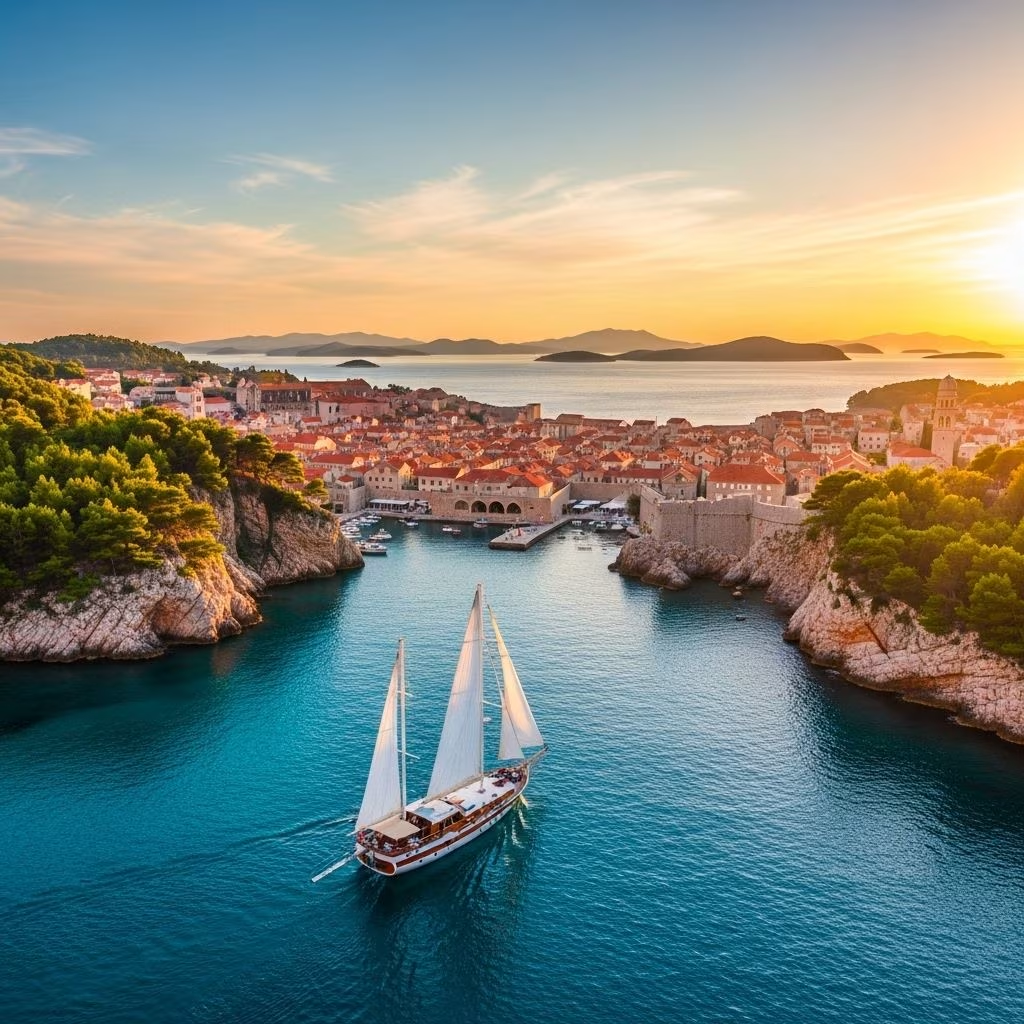
Croatia has emerged as one of Europe’s most captivating destinations, offering travelers a mesmerizing blend of spectacular coastline, ancient cities, vibrant culture, and dramatic history. From the red-roofed ramparts of Dubrovnik—the “Pearl of the Adriatic”—to the enchanting islands that dot the Dalmatian coast, every corner of Croatia invites exploration and wonder.
Why Croatia?
- Stunning coastlines along the Adriatic Sea
- Historic towns with Roman, Venetian, and Slavic influences
- Diverse landscapes from alpine peaks to waterfall-filled forests
- Delicious Mediterranean cuisine and local wines
- A complex, fascinating history woven into every stone street
Overview: Croatia’s Geographic and Cultural Landscape
Set in southeastern Europe, Croatia wraps itself around the Adriatic’s deep blue waters with an unmatched coastline. The country’s landscape ranges from the rugged Dinaric Alps to serene olive groves, and its culture is shaped by centuries of interaction between East and West. The country’s breakup from Yugoslavia in the 1990s left Croatia with most of the region’s coveted coastline, opening it up to tourism.
| Region | Main Highlights |
|---|---|
| Istria | Italian-style coastal towns, Roman ruins, hilltop villages |
| Dalmatia | Dubrovnik, Split, island hopping, warm Mediterranean climate |
| Zagreb & Interior | Vibrant capital, Plitvice Lakes National Park |
| Balkan Neighbors | Day trips to Montenegro, Bosnia-Herzegovina |
Top Destinations and Attractions
Dubrovnik: Gem of the Adriatic
Dubrovnik, encircled by mighty medieval walls overlooking turquoise waters, is Croatia’s showcase city. Walk atop its ramparts for panoramic views, meander through limestone alleys, and absorb history at every turn.
- Walk the city walls for breathtaking vistas
- Visit the Old Town’s Onofrio’s Fountain and Stradun (main street)
- Explore Fort Lovrijenac and Sponza Palace
- Sample fresh seafood and local wines at harborside restaurants
Split: Ancient and Cosmopolitan
Split centers around the astonishing Diocletian’s Palace, a sprawling Roman villa that now buzzes with shops, squares, and lively markets. The city’s seafront promenade, the Riva, is perfect for evening strolls.
- Tour Diocletian’s underground halls and cellars
- Climb Marjan Hill for city and sea views
- Relax at Bacvice Beach
- Catch ferries to islands like Hvar and Brač for day trips
Plitvice Lakes National Park: Watery Wonderland
One of Croatia’s natural jewels, Plitvice offers a dazzling series of 16 interconnected lakes and hundreds of waterfalls, all framed by dense woodlands. Walk elevated wooden paths and take in the serene fairy-tale landscape.
- Enjoy scenic hikes among vibrant turquoise lakes
- Photograph reflective waters and misty cascades
- Spot local wildlife including birds and deer
Island Escapes: Korčula, Hvar, and More
The islands off Croatia’s coast offer a retreat into laid-back Mediterranean living, with pebble beaches, olive groves, historic villages, and lively nightlife.
- Korčula: Alleged birthplace of Marco Polo, charming old town, local wine
- Hvar: Glitzy harbor, lavender fields, vibrant nightlife
- Brač: Golden Horn beach (Zlatni Rat), ideal for windsurfing
Rovinj and Istria: Venetian Flavor
On the Istrian Peninsula, Rovinj’s colorful buildings and fishing boats evoke Italy’s coast. Nearby hill towns and Roman ruins, including the notable Pula amphitheater, reveal centuries of cross-cultural exchange.
- Wander Rovinj’s winding lanes for scenic photography
- Visit Pula’s Roman amphitheater for gladiator tales
- Sample local olive oils and Istrian wines
Zagreb: Croatia’s Cultural Heart
The capital is a blend of old-world charm and vibrant urban energy. Its historic Upper Town boasts medieval towers, while lively squares and open-air markets reflect Central European influences.
- Explore the St. Mark’s Church and Zagreb Cathedral
- Shop at Dolac Market
- Relax in city parks and sidewalk cafes
Travel Tips for Visiting Croatia
- Language: Croatian (English widely spoken in tourist areas)
- Currency: Euro (EUR)
- Transportation: Scenic coastal buses, ferries between islands, and regional trains
- Best time to visit: May–June and September for pleasant weather and fewer crowds
- Customs: Dress modestly in religious sites, respect local traditions, tip for good service
- Safety: Croatia is considered safe; take normal precautions in crowded tourist sites
Sample Itinerary: Best of the Adriatic in 14 Days
| Day | Destination | Main Activities |
|---|---|---|
| 1–2 | Ljubljana, Slovenia | Guided walking tour, sample Slovenian wines |
| 3 | Lake Bled | Visit the castle, scenic boat ride |
| 4 | Kobarid | Museum visit, explore WWI sites |
| 5–6 | Istria (Pula, Rovinj, Opatija) | Amphitheater, charming towns, olive oil tasting |
| 7 | Plitvice Lakes | National Park hike, waterfalls |
| 8–9 | Split | Diocletian’s Palace, city tour |
| 10–11 | Mostar (Bosnia-Herzegovina) | Old Bridge, mosque visit, cultural immersion |
| 12 | Korčula | Island tour, local farm visit |
| 13–14 | Dubrovnik | Old Town walls, boat cruise, city tour |
This classic itinerary highlights the seamless blend of cultures, dazzling natural sites, and historic towns that make Croatia an unforgettable destination.
Culture, Cuisine, and Local Experiences
Rich Cultural Heritage
Croatia’s plate is full of influences—Roman, Venetian, Ottoman, Austrian—visible in its architecture, dialects, folklore, and festivals. Adventurous travelers will revel in folk music, traditional costumes, and lively urban celebrations, especially summer festivals along the coast.
Foods to Try
- Peka: Meat and vegetables slow-cooked under a bell-shaped lid
- Seafood risotto and grilled fish along the coast
- Ćevapi: Savory Balkan meat sausages
- Pag cheese: Unique, flavorful sheep cheese
- High-quality olive oils and locally produced wines, especially in Istria
Day Trips and Balkan Connections
Croatia is perfectly situated for exploring nearby countries:
- Visit Montenegro for dramatic fjords and medieval Kotor
- Discover Mostar in Bosnia-Herzegovina with its iconic stone bridge and Ottoman bazaar
- Tour Serbian Orthodox monasteries and historic towns
Finding Accommodation and Tours
- Central hotels are popular for easy access to main sights
- Small group tours—typically 24–28 people—offer an intimate way to learn history and culture
- Local expert guides add color and context throughout the journey
- Many tours include transport, meals, walking tours, and entrance fees, minimizing logistical worries
What Travelers Say
- “Swimming in the Adriatic in Korčula, hiking in Plitvice National Park, and exploring Dubrovnik’s walls were incredible highlights.”
- “Lake Bled, the hospitality of guides, and Plitvice’s waterfalls were top experiences.”
- “Guided tours offered the right balance of education and fun.”
Frequently Asked Questions (FAQs) About Traveling to Croatia
Q: What is the best time to visit Croatia?
A: Late spring (May–June) and early fall (September) offer mild weather and manageable crowds, especially along the coast.
Q: Is Croatia expensive?
A: Major coastal hubs like Dubrovnik and Split are pricier than inland cities, but Croatia remains more affordable than Western European countries. Shop locally and use public transport for savings.
Q: Can you travel between the islands easily?
A: Yes. Ferries run regularly to most popular islands. Book tickets in advance, especially in peak season.
Q: Are day trips to neighboring countries recommended?
A: Absolutely. Montenegro and Bosnia-Herzegovina are easy to visit from southern Croatia, with unique sights and cultures to experience.
Q: Is English widely spoken?
A: In main tourist areas, most Croatians speak English; in smaller villages, some basic Croatian or German may help.
Essential Packing List for Croatia
- Comfortable walking shoes (cobblestone cities and parks)
- Swimwear for Adriatic beaches
- Sun protection: hat, sunscreen, sunglasses
- Light layers for variable weather
- Travel adapter (Europe plug type C/E/F)
- Guidebook and personal moneybelt for valuables
Making the Most of Your Croatian Adventure
Embrace the diversity of experiences Croatia offers: vibrant city life, tranquil island retreats, exhilarating hikes, and echoes of ancient history. Whether sailing the sapphire waters of the Adriatic or savoring Istrian culinary delights, every moment is infused with the spirit of discovery.
Tips for Travelers
- Consider small group tours for deeper cultural insight and stress-free logistics
- Take walking tours for insider history and hidden gems
- Sample local wines and olive oils—especially in Istria and on Korčula
- Respect local customs and religious practices
- Travel flexibly; ferry schedules and weather may sometimes shift plans
Frequently Asked Questions: Croatia Adventure
Q: How many days are ideal for visiting Croatia?
A: 10–14 days allows you to explore key coastal cities, islands, and a few inland gems at a comfortable pace.
Q: Does Croatia have good public transport?
A: Major hubs are well connected by bus and ferry. Trains service inland but not all coastal routes.
Q: What are “can’t miss” activities?
A: Walking Dubrovnik’s walls, hiking Plitvice Lakes, visiting Diocletian’s Palace, island hopping, and sampling seafood and local wines.
Q: Do I need a visa for Croatia?
A: EU, US, Canadian, Australian, and most European passport holders can enter Croatia visa-free for short stays. Check latest requirements before travel.
Q: What currency is used?
A: Croatia adopted the euro (EUR); credit cards are widely accepted but cash is recommended in remote areas.
Q: Is tap water safe to drink?
A: Yes, tap water throughout Croatia is safe and high-quality.
Final Thoughts: Croatia, Where Every Journey Stirs the Soul
From Roman ruins to shimmering archipelagos, Croatia presents travelers with an irresistible blend of beauty, adventure, and cultural fascination. With careful planning and an open mind, your journey here promises lifelong memories and new perspectives.
References
- https://www.ricksteves.com/tours/croatia/adriatic-tour
- https://www.ricksteves.com/watch-read-listen/video/travel-talks/croatia-slovenia
- https://www.ricksteves.com/watch-read-listen/video/tv-show/croatia-adriatic-delights
- https://www.ricksteves.com/watch-read-listen/video/tv-show/dubrovnik-and-balkan-sidetrips
- https://www.ricksteves.com/tours/croatia
- https://www.ricksteves.com/europe/croatia
- https://community.ricksteves.com/travel-forum/croatia/advice-on-croatia-itinerary
- https://www.youtube.com/watch?v=RiEJJxJLr-o
- https://www.tripadvisor.com/ShowTopic-g294454-i3821-k10151510-o10-Is_Rick_Steves_really_the_best_guide_book-Zagreb_Central_Croatia.html