Montenegro’s Bay of Kotor: Untamed Adriatic Beauty and Ancient Charm
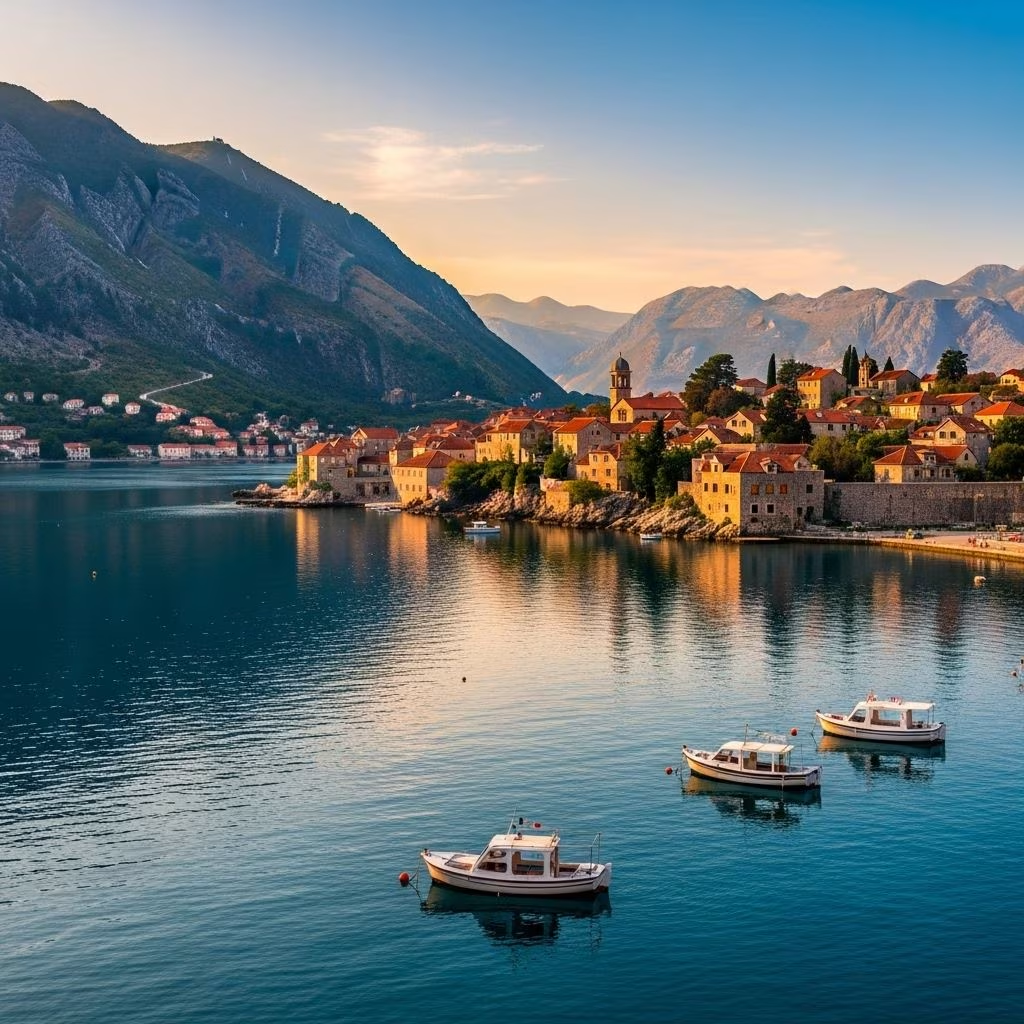
Just an hour’s drive south of Dubrovnik lies the dramatic Bay of Kotor, the crown jewel of Montenegro’s coastline. This bay, with its steep, mountainside walls and sparkling deep-blue waters, offers visitors an intoxicating blend of wild nature, small-town hospitality, and centuries-old cultural heritage. Rick Steves famously dubbed this region an ‘untamed Adriatic,’ capturing its essence perfectly — unpolished, authentic, and overwhelmingly beautiful.
The Road to Montenegro: Crossing Borders and Entering a New World
Travelers coming from Croatia will find the transition into Montenegro both swift and striking. Within a short journey, bustling resorts give way to quiet villages and rugged scenery, while winding roads hug the bay’s edge, revealing hidden gems along every curve. The proximity to Dubrovnik makes Montenegro an accessible side trip as well as a worthy main destination.
- Border crossing: Usually straightforward, with main routes directly connecting Dubrovnik with Montenegro’s coast.
- Instant immersion: The landscape rapidly shifts from Mediterranean bustle to tranquil, fjord-like vistas.
Perast: Gateway to the Bay’s Legends
One of the first noteworthy towns along the Bay’s shores is Perast. This tiny, picturesque settlement is famous for its waterfront charm and its strategic position facing two small islets in the middle of the bay. The town’s faded grandeur hints at a prosperous past, yet today Perast’s greatest treasures are its legends and serene beauty.
- Town population: Perast remains small and tranquil, ideal for peaceful exploration.
- Main draw: The iconic boat rides departing from Perast to the islands visible in the bay.
Our Lady of the Rocks: Destiny Built from Devotion
Of the two islets facing Perast, the more storied is Our Lady of the Rocks (Gospa od Škrpjela), a man-made island created by centuries of local tradition. According to legend, fishermen witnessed the Virgin Mary on the reef and began a ritual of dropping stones on the site every time they passed, slowly raising an artificial island from the water.
On this remarkable spot, the townspeople constructed a fine little church, Our Lady of the Rocks, alongside an adjoining museum. The church is not only a symbol of collective faith but also a repository of extraordinary art and local lore.
- Legend: The ritual of stone laying persists to this day, commemorating the devotion and effort of generations.
- Museum treasures:
- Embroidery made by a local woman over 25 years, using silk and her own hair for the angels’ borders.
- Visibly, the hair colors change, tracking her aging process as the angels’ hair turns from dark brown to white.
- Artifacts celebrating local faith, artistry, and anonymous yet enduring love.
- Tour experience: English-speaking guides provide rich stories with minimal language barriers for visitors.
The Boat Ride Experience
Hiring a boat in Perast is an essential ritual for visitors. Young locals, wearing swim trunks, offer dinghy rides to the islet, combining entrepreneurial spirit with genuine hospitality. The short ride across the calm waters is both scenic and evocative, setting the perfect tone for the rest of the Bay’s adventures.
Kotor: Fortress City in a Fjord
Past Perast lies Kotor, dramatically wedged between vertical cliffs and the water’s edge. The city’s unique position at the end of the bay afforded it natural protection throughout history, but Kotor’s resilience is epitomized by its formidable town wall — a zigzagging, stone-built barrier snaking dramatically up the mountain behind the city.
- Population: 3,000 inhabitants, fostering an intimate, village-like atmosphere within the Old Town walls.
- Town wall: A staggering feat of medieval engineering, climbing steeply above the city and offering panoramic views for ambitious hikers.
- Natural shelter: Kotor’s deep-in-the-bay location made it a crucial defensive stronghold and safe harbor.
The Old Town: Timeless Strolls and Hidden Corners
Kotor’s Old Town is a labyrinth of narrow, sometimes seedy streets and charming squares, inviting visitors to wander aimlessly and soak up the authentic atmosphere. The town is often compared to Dubrovnik but remains decidedly more low-key, less polished, and removed from the crowds, ideal for travelers seeking a more genuine Adriatic experience.
- Orthodox churches: Beautiful churches anchor the spiritual and cultural landscape, each with ornate icons and centuries of history.
- Cafés: Outdoor cafés serve local coffee and pastries, offering scenic places to relax and put the world on pause.
- Atmosphere: Kotor’s streets — rambling, maze-like, and sometimes quietly dilapidated — add to the city’s magnetic charm.
Comparing Kotor and Dubrovnik
| Feature | Kotor | Dubrovnik |
|---|---|---|
| Size | Small, intimate | Large, bustling |
| Ambition | Low-key, relaxed | Historic and cosmopolitan |
| Atmosphere | Untamed, authentic | Polished, tourist-heavy |
| Population | ~3,000 | ~42,000+ |
Fortifications: Climbing Kotor’s City Walls
One of Kotor’s most compelling activities is a climb up its fortress walls. The trail zigzags steeply behind the city, revealing spectacular views of the bay and a deeper appreciation for the town’s historical defenses. Adventurous travelers can ascend at their own pace, resting at scenic overlooks, imagining centuries of resilient Montenegrins defending their home.
- Scenic vista: The higher you climb, the broader your perspective on the bay’s unique, fjord-like topography.
- Historical insight: The wall offers tangible evidence of Kotor’s strategic importance and the ingenuity of its people.
- Accessible adventure: The hike is suitable for all — energetic travelers can reach the summit, while others can admire the view from below.
The Untamed Adriatic: Montenegro’s Natural Allure
Beyond towns and monuments, the Bay of Kotor captivates with its wild landscapes. Steep mountains plunge into deep blue waters, forests blanket hillsides, and the serenity of the bay’s back roads enhance the feeling of discovery and escape.
- Mountains: Towering above the bay, their drama and scale rival Norway’s famous fjords.
- Bays and forests: Quiet coves and dense woods frame the water, creating opportunities for swimming, hiking, and contemplation.
- Photographic opportunities: Each turn of the road and each climb up the fortifications reveals panoramas deserving of a postcard.
Local Culture: Pride, Devotion, and English Hospitality
Montenegro’s people exude a quiet pride in their heritage and surroundings. Visitors find locals warm, helpful, and eager to share stories. English is taught from first grade in Montenegrin schools, making communication refreshingly easy for travelers.
- Devotion: Local stories, traditions, and crafts (from the hair-embroidered angel border to ongoing festivals) reflect deep faith and a dedication to community.
- Welcoming guides: Local tour experts and boat captains make every visit personal and memorable.
- Living traditions: Legends, rituals, and artworks connect today’s Montenegro with its centuries of history.
Practical Travel Tips for Visiting the Bay of Kotor
- Best season: Late spring to early autumn offers ideal weather and fewer crowds.
- Transport: Rent a car for maximum flexibility along the scenic coastal roads, or take public buses connecting major towns.
- Accommodations: Options range from waterfront guesthouses to historical hotels inside Kotor’s Old Town.
- Boat rides: Budget for a dinghy excursion to Our Lady of the Rocks — it’s well worth it.
- Clothing: Bring layers for mountain air and comfortable shoes for cobbled streets and fortress climbs.
Frequently Asked Questions (FAQs)
Q: How do I reach the Bay of Kotor from Dubrovnik?
A: The Bay of Kotor is about an hour’s drive from Dubrovnik by car, crossing the Montenegro-Croatia border. Bus services are also available.
Q: Is English widely spoken in Montenegro?
A: Yes, English is taught from first grade in Montenegrin schools, so most locals, especially those working in tourism, speak English well.
Q: What is the legend behind Our Lady of the Rocks?
A: Legend says that fisherman saw the Virgin Mary on a reef, leading locals to drop stones there on every voyage. Over centuries, they created the islet where they built the church.
Q: Is the Bay of Kotor similar to Norwegian fjords?
A: Yes, the bay’s steep mountains and deep waters resemble fjords, earning it the nickname ‘the fjord of the Adriatic.’
Q: What makes Kotor different from Dubrovnik?
A: Kotor is much smaller, more low-key, and less tourist-oriented than Dubrovnik. Its charm lies in its unpolished atmosphere and rich local history.
Highlights and Must-See Experiences
- Take a scenic drive or boat ride along the Bay of Kotor’s fjord-like waters.
- Visit Perast and tour Our Lady of the Rocks, exploring the unique embroidery and museum collections.
- Stroll through Kotor’s Old Town, savoring local coffee at alfresco cafés and visiting ornate Orthodox churches.
- Climb Kotor’s city walls for spectacular views and a lesson in medieval fortification.
- Engage with local legends and artistry, from traditional stories to crafts embodying centuries of devotion.
- Immerse yourself in Montenegro’s wild natural landscape, from dramatic mountains to tranquil forested bays.
Why Venture to the Bay of Kotor?
If you seek a destination where nature remains untamed, culture is alive, and history is tangible at every turn, Montenegro’s Bay of Kotor is an essential journey. Visitors leave with memories of stone walls, shimmering waters, welcoming locals, and a sense of having truly experienced the Adriatic’s wild heart.
References
- https://www.ricksteves.com/watch-read-listen/read/tms/montenegros-bay-of-kotor
- https://www.ricksteves.com/watch-read-listen/read/articles/the-high-life-and-humble-devotion-on-montenegros-bay-of-kotor
- https://blog.ricksteves.com/blog/montenegros-bay-of-kotor/
- https://www.ricksteves.com/watch-read-listen/read/tms/intriguing-montenegro
- https://community.ricksteves.com/travel-forum/croatia/which-to-visit-kotor-montenegro-or-mostar-bosnia
- https://www.sfgate.com/travel/article/RICK-STEVES-EUROPE-Montenegro-Croatia-s-2586373.php
- https://community.ricksteves.com/travel-forum/montenegro/one-day-in-kotor-budva-worth-visiting