Berlin: Germany’s Capital of Contrasts and Creativity
Berlin stands as Europe’s vibrant testament to resilience, reinvention, and creativity. The city’s history—marked by war, division, and reunification—has shaped a remarkable metropolis where old monuments and new spirit exist side by side. Today, visitors can explore poignant reminders of Berlin’s troubled past, marvel at its architectural rebirth, immerse themselves in contemporary culture, and relax in lively cafes along the Spree River. This guide covers Berlin’s most iconic sights, local experiences, practical travel advice, and essential day trips to help you make the most of your journey.
Why Visit Berlin?
- Rich History: From Prussian kings, through World Wars, the Cold War, and reunification, Berlin’s stories are visible everywhere—from the Reichstag to remnants of the Berlin Wall.
- Youthful Energy: A hub for creativity, nightlife, and innovation, Berlin’s districts pulse with diverse music, art, food, and fashion.
- Global Culture: Berliners hail from all corners of the world, reflected in the city’s cuisine, language, and atmosphere.
- Contrasts: Gritty and graceful, historic and hip, Berlin’s charm lies in its ability to embrace contradictions.
Essential Planning: Practicalities, Tips, and Tools
- Maps & Navigation: Berlin is large but manageable; use color-coded transit maps and GPS apps for seamless travel.
- When to Visit: May to October offers mild weather and vibrant outdoor activities. Winters are cold but museums and cozy cafes abound.
- Getting Around: The city boasts an excellent public transportation network (U-Bahn, S-Bahn, trams, buses). Multi-day passes save money and time.
- Money & Communication: Credit cards are increasingly accepted, but cash (euros) is still king in local shops. English is widely spoken; basic German phrases are appreciated.
- Accommodation: From luxury hotels to creative hostels, choices cluster around Mitte, Prenzlauer Berg, and Kreuzberg.
- Emergencies & Safety: Berlin is generally safe; usual precautions suffice. For medical assistance, pharmacies display a green cross.
Iconic Sights: Landmarks of Berlin’s Past and Present
- Reichstag and Brandenburg Gate
- Reichstag Dome: Climb the glass dome for panoramic city views and a symbol of modern democracy.
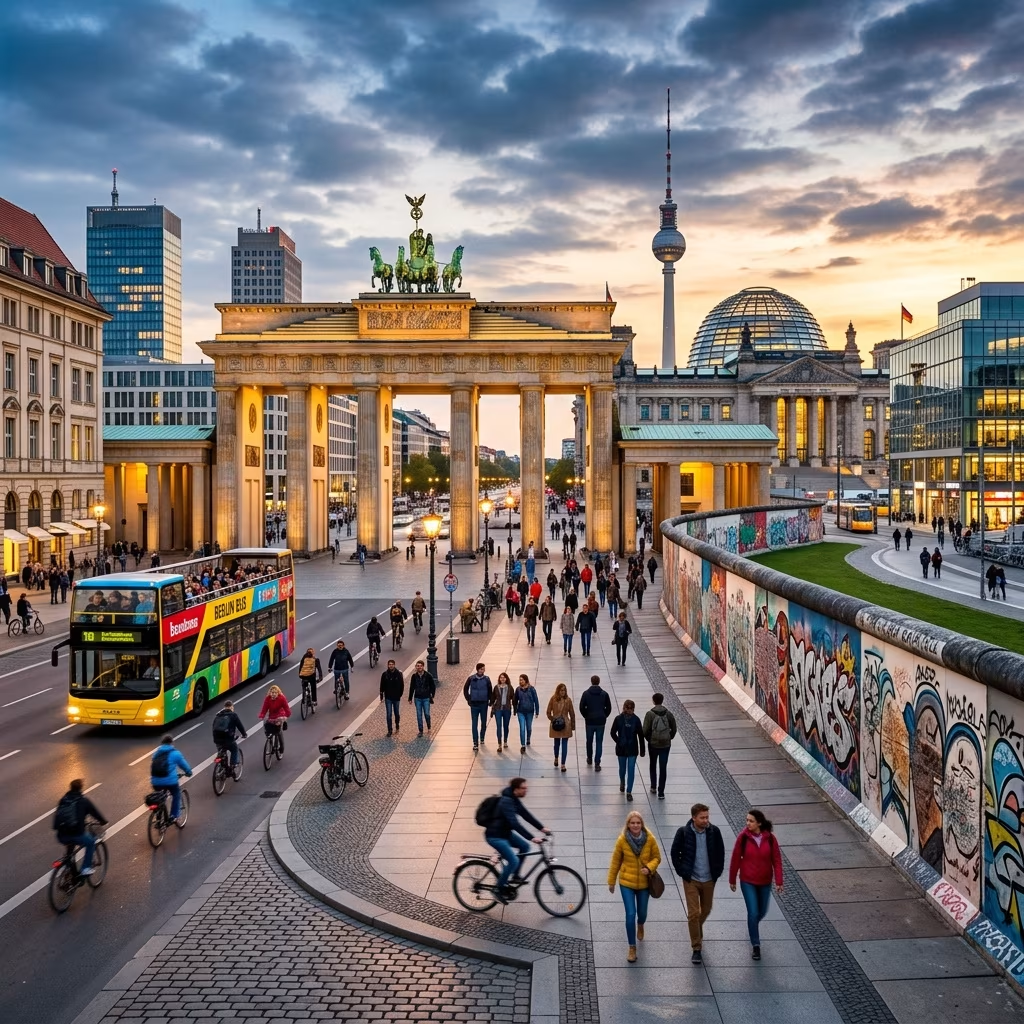
- Brandenburg Gate: The city’s most famous monument—a must-see historic arch flanked by Pariser Platz.
- Potsdamer Platz and Alexanderplatz: Formerly wastelands, now bustling hubs for shopping, entertainment, and urban life.
- Unter den Linden: Berlin’s grand boulevard—walk from Museum Island to Brandenburg Gate, passing stately buildings and leafy squares.
- Memorials & Museums
- Holocaust Memorial (Memorial to the Murdered Jews of Europe): A maze of concrete slabs, inviting reflection and remembrance.
- Museum Island: Five world-class museums, including Pergamon (currently under renovation), Neues Museum, and Alte Nationalgalerie—essential for art lovers.
- Berlin Wall Memorial: A preserved stretch of the Wall and open-air exhibits explain its history and impact.
- Gemäldegalerie: An outstanding collection of European paintings; don’t miss the adjacent music museum for a unique, interactive experience.
- Tempelhof Airport: Site of the dramatic Berlin Airlift—now a vast public park for cycling and picnics.
Self-Guided Walks: Explore Berlin Your Way
Berlin is a walkable city with neighborhoods rich in personality. Try these routes to experience local life and history up close:
- Reichstag to Brandenburg Gate: A classic walk past pivotal government buildings and memorials.
- Unter den Linden: Stroll Berlin’s historic boulevard, lined with museums, embassies, and stately architecture.
- Old Jewish Quarter: Discover poignant memorials, restored synagogues, and vibrant street art.
- Prenzlauer Berg: This former working-class area now hosts artisanal cafes, indie boutiques, and leafy streets—perfect for morning strolls.
- Kreuzberg: Once a squatters’ haven, now a melting pot of cultures, street food, and nightlife.
Berlin’s Living History: A Table of Key Moments
| Era | Key Event | Sites to Visit |
|---|---|---|
| Prussian Berlin | The city’s rise as a royal capital | Unter den Linden, Charlottenburg Palace |
| World War II | Devastation and reconstruction | Reichstag, Topography of Terror |
| Cold War Division | Berlin Wall, Checkpoint Charlie | Berlin Wall Memorial, East Side Gallery |
| Reunification | 1990: City becomes whole again | Brandenburg Gate, Potsdamer Platz |
| Modern Berlin | Urban renewal, creative scene | Prenzlauer Berg, Kreuzberg |
Neighborhood Highlights
Prenzlauer Berg
Once marked by squats and grimy facades, Prenzlauer Berg now thrives with vibrant cafes, boutique shops, creative galleries, and leafy squares. Young families gather at farmers’ markets, while art lovers admire restored apartments and innovative street art.
Kreuzberg
A symbol of Berlin’s multiculturalism and creativity, Kreuzberg buzzes with energy day and night. Try Turkish street food, browse vintage shops, and soak up the music in underground clubs. The area’s squatter history is visible in its quirky housing and resourceful community spirit.
Mitte
The city’s historic core, Mitte houses Berlin’s top museums, government buildings, luxury stores, and ample hotels. It’s ideal for first-time visitors wanting to be close to major sights and transport options.
The Spree River: Past Divisions, Present Harmony
Running through central Berlin, the Spree River once symbolized separation. Today, a river cruise provides scenic views of landmark buildings, bridges reconnecting East and West, and lively riverside cafes. Walk or bike along its banks to discover how Berliners have reclaimed this waterway as a place for leisure and community.
Museums and Art in Berlin
- Museum Island: Five museums offer treasures from ancient civilizations to 19th-century art (Note: Pergamon is temporarily closed for renovation).
- Gemäldegalerie: One of Europe’s top collections of classical painting. The adjacent music museum is a hidden gem, especially for musicians.
- Topography of Terror: Haunting documentation of Nazism’s impact, located on the former Gestapo headquarters site.
- Berlin Wall Memorial: Outdoor exhibits, preserved sections of wall, and multimedia installations help visitors understand the daily life in a divided city.
Dining, Shopping, and Entertainment
- Dining: Berlin’s food scene reflects its diversity—from currywurst stands and Turkish kebabs to elegant international cuisine. Vegan and vegetarian options are abundant.
- Shopping: Trendy boutiques in Prenzlauer Berg and Kreuzberg, major department stores on Kurfürstendamm, flea markets in Mauerpark.
- Nightlife: Clubs, bars, and music venues thrive throughout the city. Karaoke parties, open-air dance floors, and jazz basements fill the nights.
Day Trips from Berlin
- Potsdam: A royal retreat just outside Berlin, known for its opulent palaces (Sanssouci), landscaped gardens, and charming old town.
- Sachsenhausen Memorial & Museum: A sobering site northwest of Berlin, this former concentration camp is now a memorial to Nazi atrocities.
- Wittenberg: Birthplace of the Protestant Reformation, Martin Luther’s legacy lives on at historic churches and museums.
Transportation Tips
- Berlin Hauptbahnhof: Europe’s largest train station features open architecture, clear signage, and an array of dining and shopping options.
- From Airport to Downtown: Always check current transit schedules and disruptions via Google Maps or DB Navigator to avoid delays. Temporary closures can require bus connections. Normally, the trip from the airport to the city center takes less than an hour via S-Bahn or regional trains.
- Tickets and Passes: Opt for unlimited day or multi-day transit passes for flexibility and savings.
Berlin Travel FAQ
Q: How many days should I spend in Berlin?
A: Spend at least three full days to see core sights; four days or more enables relaxed strolls, museum visits, and day trips.
Q: What is the best way to get around Berlin?
A: Use public transport—U-Bahn, S-Bahn, trams, and buses—combined with walking. City maps and apps keep you on track.
Q: What are Berlin’s most moving historical sites?
A: The Holocaust Memorial, Berlin Wall Memorial, and Tempelhof Park offer deep insight and stirring experiences.
Q: Is Berlin expensive?
A: Berlin balances affordability and luxury; public transit, museums, and street food are budget-friendly.
Q: What German phrases are useful for travelers?
- Guten Tag – Good day
- Bitte – Please
- Danke – Thank you
- Sprechen Sie Englisch? – Do you speak English?
- Wo ist…? – Where is…?
Summary Table: Top Berlin Experiences
| Experience | Location | Tip |
|---|---|---|
| Climb Reichstag Dome | Reichstag Building | Reserve timed entry in advance |
| Walk the East Side Gallery | Friedrichshain | See contemporary murals on historic wall |
| Visit Museum Island | Mitte | Buy combined ticket for multiple museums |
| Explore Prenzlauer Berg | Prenzlauer Berg | Try organic brunch at the local cafes |
| Cruise the Spree River | Various | Audio tours provide historical context |
| Day-trip to Potsdam | Southwest of Berlin | Allow half a day for palaces and gardens |
Final Tips for the Perfect Berlin Visit
- Open your mind to Berlin’s past—its museums and memorials provide context for the city’s modern dynamism.
- Embrace local life in neighborhoods beyond tourist hotspots—cafes, parks, and markets reveal Berlin’s soul.
- Plan ahead for museum closures or transit changes; flexibility leads to rewarding surprises.
- Try something new: a river boat tour, karaoke in a public square, or local street art tour.
- Keep exploring—Berlin’s energy and diversity make every visit unforgettable.
References
- https://store.ricksteves.com/shop/p/berlin-guidebook
- https://www.ricksteves.com/watch-read-listen/video/tv-show/berlin
- https://community.ricksteves.com/travel-forum/trip-reports/thoughts-from-a-week-in-berlin
- https://www.ricksteves.com/europe/germany/berlin
- https://community.ricksteves.com/travel-forum/day-tours/tour-on-foot-of-berlin
- https://community.ricksteves.com/travel-forum/germany/four-days-in-berlin-what-must-you-book-in-advance