Best Time to Visit Britain: A Seasonal and Practical Guide
Britain, with its rich history, vibrant cities, rolling countryside, and diverse festivals, offers an array of experiences year-round. Deciding when to visit Britain depends on your travel goals—whether you’re seeking lively festivals, peaceful landscapes, pleasant weather, or fewer crowds. This comprehensive guide explores each season’s character, compares crowd levels, key events, and climate considerations, and offers tips for making the most of your visit to the UK.
Britain’s Travel Seasons: What to Expect
The British travel calendar is generally divided into three periods:
- Peak Season (May–September): Warmer weather, longer days, and the highest tourist crowds especially during school holidays.
- Shoulder Season (April, October): Milder weather, manageable crowds, and generally lower prices.
- Off-Season (November–March): Short days, chilly weather, quieter towns and attractions, and better deals, but some rural sights and smaller accommodations may close.
Travel Seasons Comparison Table
| Season | Weather | Daylight | Crowds | Highlights |
|---|---|---|---|---|
| Spring (March–May) | Mild, changeable | Increasing | Moderate | Blooming gardens, lively cities, Easter events |
| Summer (June–August) | Warm, occasional rain | Longest | High | Festivals, country walks, coastal visits |
| Autumn (September–October) | Cool, crisp, damp later | Decreasing | Low–moderate | Harvest time, foliage, fewer crowds |
| Winter (November–February) | Cold, wet, dark | Shortest | Lowest (except Christmas) | City breaks, Christmas markets, museum visits |
Peak Season: May to September
Peak season brings the brightest weather, the lushest gardens, and the liveliest local festivals. Expect long days (up to 17 hours of daylight in midsummer), which provide ample time for sightseeing and countryside walks. Major attractions are open with full services, and both cities and villages host events. However, this period also brings bigger crowds, especially in tourist hotspots such as London, Bath, Edinburgh, and the Cotswolds. Hotel rates are at their highest and popular sites can feel bustling—particularly during school holidays (late July through August).
- Best for: Festival-goers, families, countryside walkers, first-time visitors seeking the full range of British experiences
- Downsides: High prices, crowded attractions, required advance booking for accommodations
- Wildlife: Birdwatching and nature walks especially rewarding in spring and early summer
- Top events: Edinburgh Festival Fringe, Wimbledon, Royal Ascot, Glastonbury Festival
Shoulder Season: April and October
The shoulder seasons in Britain are often considered the sweet spot between crowds and comfort. The weather is still pleasant but more unpredictable. Gardens and parks burst with spring color in April and May, while October brings crisp air and colorful foliage—ideal for scenic drives and walks. Lower crowds mean more availability in accommodations and often lower prices. Some attractions may reduce hours or close by late October, so plan ahead if venturing into rural areas.
- Best for: Flexibility, lower costs, photography, atmospheric city breaks
- Downsides: Variable weather, some smaller attractions may close earlier in the evenings or for the season
- Festivals: Spring garden shows, autumn harvest festivals, literary festivals
Off-Season: November to March
Off-season travel offers the quietest experience and the best bargains. Expect short daylight hours (as little as 7 hours at the winter solstice), chilly, damp weather, and limited countryside services. Popular museums, historic houses, theaters, and city attractions remain open—London in winter still dazzles with West End theater, shopping, and cozy pubs. Rural hotels and many attractions (especially in areas like the Lake District and Scottish Highlands) often close, and local transport options may be reduced. Christmas markets and festive events light up cities in December, providing a unique and magical atmosphere for those who don’t mind the cold.
- Best for: Bargain hunters, city breaks, Christmas festivities, off-the-beaten-path explorers
- Downsides: Short days, colder and wetter weather, closures in smaller towns and villages
- Top events: Christmas markets, Hogmanay (New Year in Scotland)
Understanding British Weather
Britain is known for its changeable and unpredictable weather. Even in the height of summer, rain can appear—so pack a light waterproof jacket or umbrella. While southern England tends to be warmer and drier, the north and west (including Wales and Scotland) are cooler and see more rainfall. In general:
- Spring: Temperatures usually range from 8–15°C (46–59°F), with brisk mornings and a mix of sunshine and showers.
- Summer: Daytime highs can reach 25°C (77°F), but averages usually stay around 18–22°C (64–72°F). Humidity is generally low, but brief heatwaves do occur.
- Autumn: Days grow cooler and damper; temperatures often 10–18°C (50–64°F). Rural areas glow with autumn color by October.
- Winter: Daytime temperatures rarely fall below freezing, but linger around 4–8°C (39–46°F). The dark comes early and damp conditions often lead to chilly evenings. Snow is rare but possible, especially in Scotland.
Packing tip: The key is to dress in layers and bring a versatile waterproof outer layer, regardless of season.
Avoiding Crowds: Tips and Insights
The largest crowds in Britain follow school holidays and major events:
- Summer school break: Late July through August sees domestic and international travelers filling resorts and cultural attractions.
- Public and bank holidays: Expect increased visitors during Easter (March or April), May bank holiday weekends, and Christmas/New Year.
- Festival periods: The Edinburgh Fringe (August) and the Glastonbury Festival (late June) can cause widespread shortages in accommodation nearby.
If you prefer quieter conditions:
- Plan trips in late April to June or September to October.
- Midweek visits are often less busy than weekends, especially in London and other major cities.
- Seek out less-visited areas: Northern England, rural Wales, and Scotland’s far north offer space and tranquility even in summer.
Festivals and Special Events
Britain’s calendar overflows with unique festivals and events. Here are some highlights by season:
- Spring
- Chelsea Flower Show (May, London)
- St. George’s Day (April, England)
- Summer
- Glastonbury Festival (late June)
- Wimbledon Tennis Championships (late June/early July)
- Edinburgh Festival & Fringe (August, Edinburgh)
- Pride festivals across major cities
- Autumn
- Harvest festivals in rural communities
- Bonfire Night/Guy Fawkes Night (November 5)
- Literary festivals (Cheltenham, Wigtown, more)
- Winter
- Christmas markets (late November–December)
- Hogmanay (January 1, Scotland)
- New Year’s Day parades (London, other major cities)
Note: Some events require tickets or advanced planning, especially during peak season.
Recommended Itineraries and Regional Tips
The best time to visit a particular region of Britain can vary based on local events, landscapes, and accessibility. Here are some ideas:
- London: Year-round destination. Best for theater, museums, shopping, and sightseeing. Winter is quietest except around Christmas.
- Bath, York, Oxford, Cambridge: Spring and autumn bring manageable crowds and beautiful scenery around historic towns and universities.
- Scottish Highlands and Lake District: June–September offers the best weather for hiking and lake cruises, but autumn’s colors are spectacular and crowds are smaller.
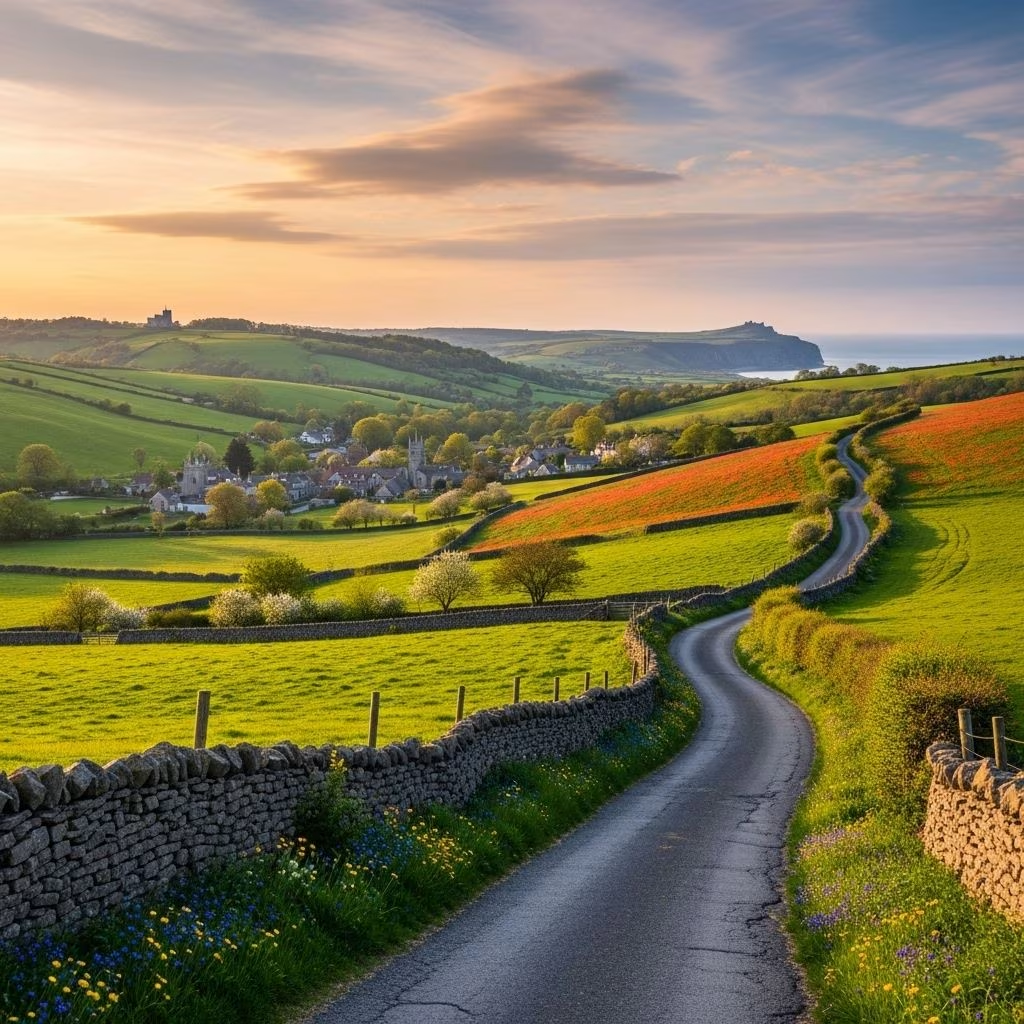
- Wales and West Country: Spring is perfect for coastal walks and wildflowers, while summer brings family holidays and coastal festivals.
- Cotswolds and countryside villages: Visit outside of peak summer for tranquil walks and access to local pubs and tearooms without the rush.
Smart Strategies for Planning Your Trip
- Book accommodations early for visits during summer, festivals, or near major attractions.
- Consider small towns or villages at the beginning of your trip to adjust to jet lag, especially Bath or York; save London for later, when you’re rested and ready for big-city excitement.
- Use public transport: Trains and buses connect key sights efficiently but check schedules if visiting outside peak season.
- Pack for all conditions: A raincoat, umbrella, and layers are essential year-round.
- Embrace British weather: Rain is a possibility at any time, but locals rarely let it dampen their plans. Many museums and pubs make perfect alternatives on a dreary day.
Frequently Asked Questions (FAQs)
Q: What is the absolute best month to visit Britain?
A: There is no single best month, but June and September are often recommended. These months combine good weather, long days, and fewer crowds compared to high summer.
Q: Is winter a bad time to visit the UK?
A: Not necessarily. While days are short and outdoor options are limited, cities remain lively with theater, museums, and markets. The festive period offers unique experiences, though rural areas are quieter.
Q: How crowded are top attractions during summer?
A: Very crowded, especially in London, the Cotswolds, Edinburgh, and major historic sites. Book tickets well ahead and consider visiting early or late in the day.
Q: Will everything be open if I visit off-season?
A: Major urban attractions remain open year-round but many rural attractions, country estates, and some hotels or B&Bs may close from November to March. Always check opening times before traveling.
Q: What should I pack for a British vacation?
A: No matter the season, bring comfortable walking shoes, layers for warmth, and a rainproof jacket. Even summer may bring showers.
Q: Are festivals worth planning around?
A: Many are! Festivals bring a festive local atmosphere, special performances, and markets. However, expect bigger crowds and higher costs for accommodation—book early.
References
- https://www.ricksteves.com/europe/britain-itinerary
- https://community.ricksteves.com/travel-forum/general-europe/when-to-travel-england-scotland-ireland
- https://www.ricksteves.com/travel-tips/trip-planning/timing-your-trip
- https://www.ricksteves.com/watch-read-listen/video/tv-show/heart-of-england
- https://www.ricksteves.com/watch-read-listen/video/travel-talks/england-wales
- https://www.ricksteves.com/watch-read-listen/read/articles/winter-in-london
- https://www.tripadvisor.com/ShowTopic-g186338-i17-k6064289-o10-What_s_wrong_with_Rick_Steves-London_England.html