Scotland: Legendary Lands of Heritage, Highlands, and Hospitality
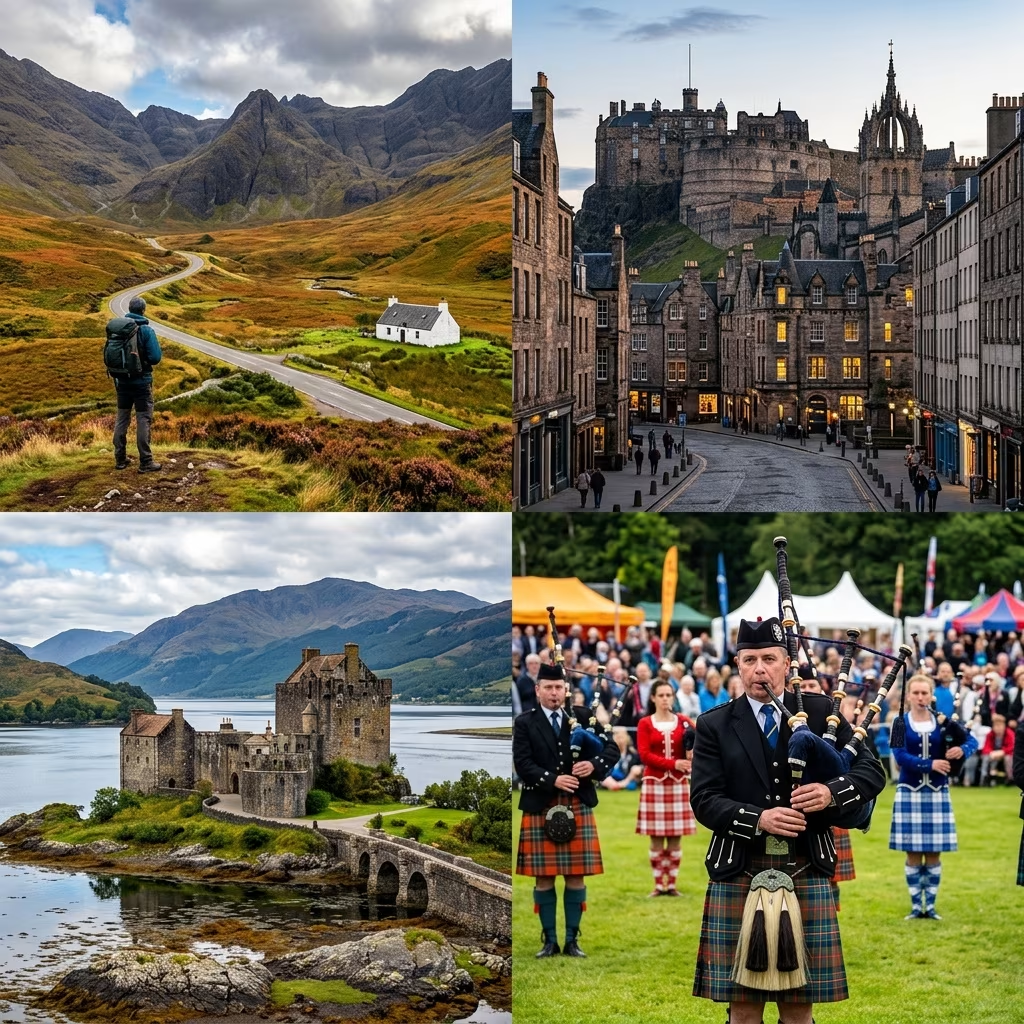
From the charming cobblestone streets of Edinburgh to the wild, misty glens of the Highlands, Scotland is a mosaic of ancient castles, vibrant urban culture, and majestic natural beauty. Whether you long to stand atop Stirling Castle, trace literary footsteps through St. Andrews, or lose your heart to the green isles of the Hebrides, this guide unlocks Scotland’s most memorable experiences, rich traditions, and practical travel advice to help you get the most out of every day in this magical country.
Contents
- Edinburgh: The Capital of Culture and History
- Creative Glasgow
- Stirling and Central Scotland
- St. Andrews and the Kingdom of Fife
- Oban and the Inner Hebrides
- Glencoe: Valleys of History and Tragedy
- Fort William and the Great Glen
- The Isle of Skye
- Inverness, Loch Ness, and Beyond
- Pitlochry, Balmoral, and Eastern Scotland
- Wester Ross, The North Coast, and Orkney
- Travel Practicalities
- Scottish Culture and History
- Frequently Asked Questions
Edinburgh: The Capital of Culture and History
Edinburgh effortlessly blends the old and the new, bringing together medieval alleyways, grand Georgian streets, and a buzzing contemporary arts scene. It’s a city where tradition and modernity thrive side by side.
- Royal Mile: This ancient street cascades from the majestic Edinburgh Castle to the Palace of Holyroodhouse. Along the way, discover hidden closes, atmospheric churches, and the rebuilt St. Giles’ Cathedral.
- Edinburgh Castle: Scotland’s most famous fortress houses the crown jewels and offers sweeping views over the city.
- Old Town & New Town: The Old Town’s winding alleys evoke centuries past, while the stately New Town represents Enlightenment elegance.
- Festivals: Plan your visit during August to witness the world-renowned Edinburgh Festival Fringe or the military spectacle of the Tattoo.
- Museums & Galleries: Don’t miss the National Museum of Scotland and the Scottish National Gallery for a deep dive into art and history.
- Neighborhood Strolls: Take a self-guided walk along Victoria Street, through Dean Village, or up Calton Hill at sunset.
- Pubs & Eateries: Sample Scottish classics and local ales in historic pubs, many with fascinating stories to tell.
Creative Glasgow
Glasgow is a vibrant, creative city with its own rough-edged charm. Once famous for its shipbuilding, today it’s known for striking Victorian architecture, cutting-edge design, and a dynamic live music scene.
- Cultural Quarter: The area around Kelvingrove Art Gallery and the University hums with activity.
- West End: Chill in bohemian coffee shops, explore vintage stores, and wander through the Botanic Gardens.
- Glasgow Cathedral & Necropolis: Experience over 800 years of religious history and panoramic city views.
- Self-Guided Walking Tours: Rick Steves’ recommended routes include architectural marvels, galleries, and bustling neighborhoods.
- Nightlife: Glasgow’s live music and pub scene are legendary—expect friendly crowds and great bands in venues like King Tut’s Wah Wah Hut.
Stirling and Central Scotland
Stirling, the ‘Gateway to the Highlands’, has played a pivotal role in Scottish history. It’s here that kings were crowned, and the fates of nations decided.
- Stirling Castle: An imposing fortress with grand halls and sweeping views of the Ochil Hills; don’t miss the interactive exhibits for families.
- Nearby Historic Sites: Take day trips to the Falkirk Wheel (an engineering marvel), the perfectly preserved village of Culross, and Doune Castle (of “Monty Python” fame).
- Loch Lomond: Britain’s largest lake is renowned for boat cruises, tranquil walking trails, and classic Scottish scenery right on the city’s doorstep.
St. Andrews and the Kingdom of Fife
Ancient ecclesiastical legends and modern academic prestige coexist in St. Andrews. As the birthplace of golf and home to a 600-year-old university, it’s one of Scotland’s most iconic towns.
- St. Andrews Cathedral Ruins: Once one of the largest buildings in medieval Europe.
- St. Andrews Links: Experience golfing heritage on the world-famous Old Course.
- Nearby: Dundee—Scotland’s evolving cultural city, Glamis Castle—childhood home of the Queen Mother, and the fishing villages of the East Neuk.
Oban and the Inner Hebrides
Oban is the main gateway to Scotland’s Hebridean islands, famed for seafood and seaside strolls.
- Oban Distillery: Sample peaty whisky within minutes of the harbor.
- Isle of Mull: Discover colorful Tobermory, peaceful beaches, and ancient castles.
- Iona: Pilgrimage to Iona Abbey, centre of early Scottish Christianity.
- Staffa: Sail to Staffa to witness the wonders of Fingal’s Cave and its wildlife, including puffins.
- Kilmartin Glen: Marvel at prehistoric standing stones and mysterious rock carvings.
Glencoe: Valleys of History and Tragedy
Glencoe is Scotland’s most dramatic valley, marked by brooding peaks and the legacy of the 1692 massacre. Hikers and photographers alike are drawn to its haunting beauty.
- Start at the Glencoe Visitor Centre for background on the history and landscape.
- Short and long hiking trails abound—seek out the Three Sisters viewpoints.
- Learn the history of the clans and the infamous Glencoe Massacre.
Fort William and the Great Glen
Fort William is the self-styled “Outdoor Capital of the UK,” the starting point for Ben Nevis ascents and the iconic West Highland Line train journey (featuring the Harry Potter “Hogwarts Express” route).
- Ben Nevis: The UK’s highest peak, with trails for all abilities.
- Road to the Isles: Scenic drive or train ride, passing lochs, glens, and the Glenfinnan Viaduct.
- Sample local ales and seafood after your outdoor adventure.
The Isle of Skye
Few places stir the imagination like the Isle of Skye: a land of jagged mountains, dramatic seascapes, and mystical ruins.
- Portree: The island’s picturesque harbor town, a perfect base for exploring.
- Trotternish Peninsula: Visit the Old Man of Storr and the Quiraing’s otherworldly rock formations.
- Dunvegan Castle: The seat of Clan MacLeod for 800 years.
- Boat trips: To see seals, sea eagles, and sometimes whales.
- Discover Skye’s art galleries, craft studios, and cozy teahouses.
Inverness, Loch Ness, and Beyond
Inverness is known as the ‘Capital of the Highlands’, a vibrant city on the River Ness with easy access to stunning natural and historic sights.
- Loch Ness: Cruise the famous loch; visit Urquhart Castle, perched dramatically on its banks.
- Culloden Battlefield: Walk the solemn site of the 1746 Jacobite battle.
- Clava Cairns: Bronze Age burial mounds older than Stonehenge.
- Cawdor Castle: With its Shakespearean connections and flower-filled gardens.
- Inverness’s riverside cafés and traditional music pubs offer a warm Highland welcome.
Pitlochry, Balmoral, and Eastern Scotland
Pitlochry is a charming Victorian town famed for its theatre, dam salmon ladder, and scenic railway station. The region offers a quintessential Scottish experience.
- Speyside Whisky Trail: Visit celebrated distilleries for tastings and tours.
- Balmoral Castle and Royal Deeside: Summer holiday home of the Royal Family, with beautiful hiking in Cairngorms National Park.
- Aberdeenshire Coast: Dramatic cliffs, lighthouse walks, and fishing villages like Stonehaven.
- Don’t miss Dunkeld Cathedral and the vivid autumn foliage of the Hermitage forest.
Wester Ross, The North Coast, and Orkney
The North is Scotland at its most rugged and remote. Head to Wester Ross for vast landscapes and tranquil lochs.
- Wester Ross: Explore cozy villages such as Applecross and Torridon, with world-class hiking and seafood.
- North Coast 500: Scotland’s great coastal road trip, winding through wind-lashed cliffs, white beaches, and ancient ruins.
- Orkney Islands: Sail across the Pentland Firth to discover Neolithic burial chambers (such as Maeshowe), brochs, and stone circles older than the pyramids.
- Wildlife: Spot seals, puffins, and—if you’re lucky—whales in these unspoiled northern isles.
Travel Practicalities
- Trip Timing: Late spring through early autumn offers the best mix of mild weather and festivals. Book ahead during summer and for Hogmanay celebrations.
- Itineraries: A classic two-week circuit includes city days in Edinburgh and Glasgow, the scenic Highlands, at least one island, and the whisky country; shorter stays focus on the must-sees.
- Transportation: Scotland’s trains serve cities and larger towns; buses and ferries connect remote areas. Car hire is ideal for exploring the islands and Highlands at your own pace.
- Driving: Remember, Scottish roads can be narrow and winding. Always drive on the left!
- Accommodations: Pick from elegant B&Bs, boutique hotels, farm stays, and hostels. Reserve ahead for summer travel and festivals.
- Money and Communication: The UK’s currency is the British Pound (GBP). Credit cards are widely accepted; ATMs are plentiful in towns and cities.
- Safety: Scotland is very safe. Use common sense in cities, and take care when hiking in remote areas.
- Languages: English is universal. You’ll also hear Scots and, especially in the Highlands and islands, Scottish Gaelic.
Scottish Culture and History
- History: Scotland’s story is one of clans, monarchs, religious upheaval, inventors, and poets. Explore myriad castles, abbeys, and museums to trace its legacy.
- Highland Games: Eccentric and full of heart, these summer events feature kilted athletes, bagpipes, and traditions unique to each region.
- Whisky: The “water of life” is a Scottish birthright. Tour distilleries from Speyside to Islay and learn the distinctions between single-malt and blended varieties.
- Food: Try local specialties such as haggis, shortbread, salmon, and world-class cheeses. Seafood is a highlight, particularly on the west coast.
- Pubs: Community hubs where you’re likely to hear live music sessions, exchange stories with locals, and immerse yourself in Scottish conviviality.
- Literature: The land of Robert Burns, Sir Walter Scott, and contemporary writers like Ian Rankin—explore bookshops and literary walking tours in all major towns.
- Language: Scottish slang adds local color—see if you recognize classics like “wee” (small), “bairn” (child), or “outwith” (outside).
Sample Two-Week Scotland Itinerary
| Day | Highlights |
|---|---|
| 1–3 | Edinburgh: Castle, Royal Mile, museums, Arthur’s Seat hike |
| 4–5 | Glasgow: Kelvingrove Gallery, city walks, music night |
| 6 | Stirling Castle, Doune Castle, Loch Lomond |
| 7 | Oban: seafood, ferry to Mull |
| 8 | Mull & Iona: Abbey, wild beaches |
| 9 | Glencoe: hiking, visitor centre |
| 10–11 | Fort William, Ben Nevis, Road to the Isles |
| 12–13 | Isle of Skye: Portree, Quiraing, castles |
| 14 | Inverness & Loch Ness: castles, Culloden |
Frequently Asked Questions (FAQs)
Q: What is the best time to visit Scotland?
A: Late spring (May–June) and early autumn (September) offer mild weather, fewer crowds, and vibrant landscapes. July and August are peak for festivals but also busy and pricier.
Q: How many days do I need for a Scotland trip?
A: Ten to fourteen days lets you enjoy both city and Highland experiences, as well as a few islands. Shorter trips should focus on Edinburgh plus either the Highlands or islands.
Q: Is it necessary to rent a car?
A: While Scotland’s major destinations are accessible by train and bus, a car allows flexibility for the countryside, remote villages, and island hopping.
Q: What should I pack for Scotland?
- Layered clothing for changeable weather
- Waterproof jacket and sturdy walking shoes
- Travel adaptor (UK plug)
- Packed itinerary or guidebook
Q: Is tipping customary?
A: Tipping 10% is appreciated in restaurants; round up for taxi fares and cafés. It’s polite, but not obligatory.
Q: Can I use my mobile phone in Scotland?
A: Yes, but check roaming charges. Local SIM cards are available at airports and major stores. Wi-Fi is widely available in urban areas.
Q: What’s a classic Scottish food I should try?
A: Haggis (with neeps and tatties), Cullen skink (smoky fish soup), Scotch pies, oatcakes, and any fresh-caught seafood especially on the west coast.
Useful Travel Resources
- Official VisitScotland website for events and local tips
- Train and ferry timetables: ScotRail and Caledonian MacBrayne (CalMac)
- City travel passes for saving on public transit and attractions
- Recommended Scottish reading: “Kidnapped” by Robert Louis Stevenson, poetry of Robert Burns
References
- https://store.ricksteves.com/shop/p/scotland-guidebook
- https://www.barnesandnoble.com/w/rick-steves-scotland-rick-steves/1122432074
- https://store.ricksteves.com/shop/p/best-scotland-guidebook
- https://www.ricksteves.com/tours/scotland/best-scotland-tour
- https://www.ricksteves.com/europe/scotland
- https://www.ricksteves.com/watch-read-listen/video/travel-talks/scotland-guide
- https://www.ricksteves.com/tours/scotland
- https://www.ricksteves.com/watch-read-listen/video/tv-show/scotland-highlands
- https://www.youtube.com/watch?v=90e9UmB1ucY