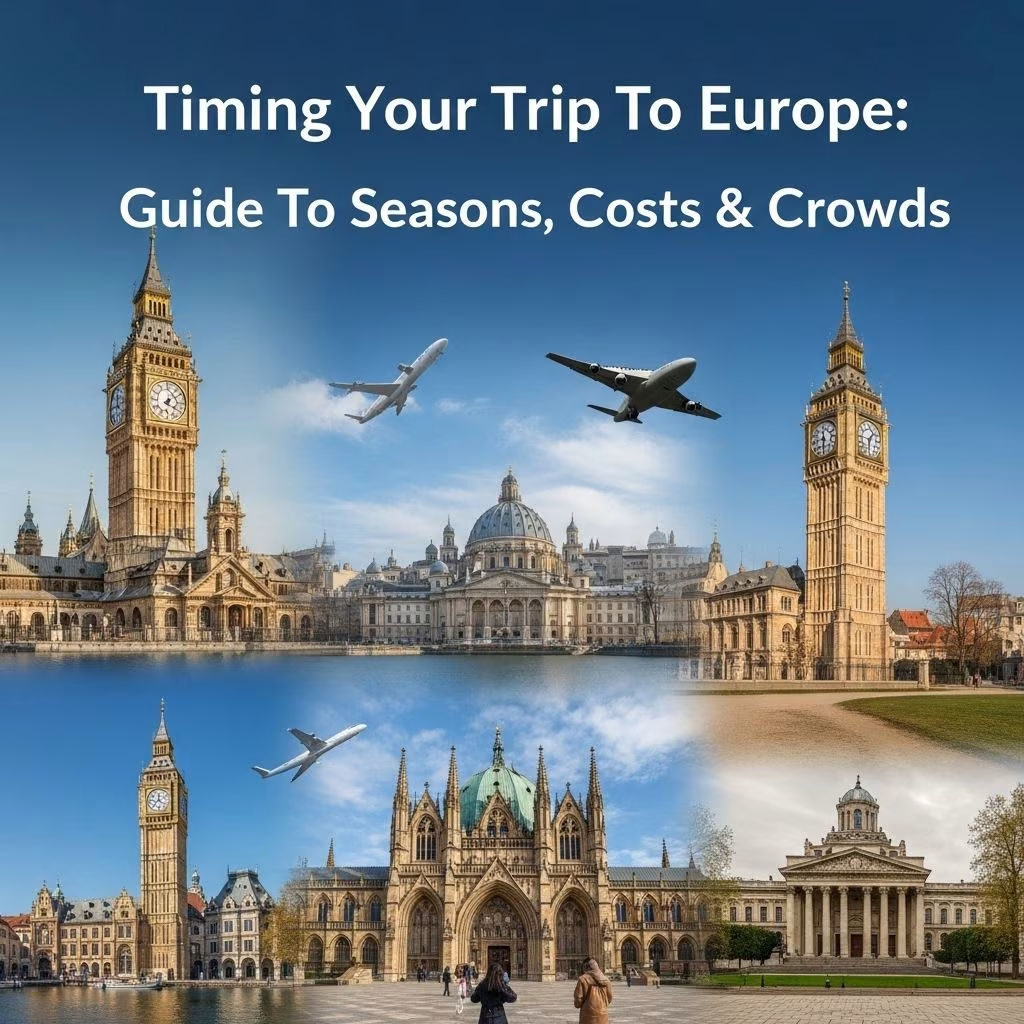
Timing Your Trip to Europe: A Comprehensive Guide
Europe offers enchanting travel experiences all year round, but selecting the optimal time to visit can dramatically influence your enjoyment, costs, and the authenticity of your encounter with local cultures. In this guide, we examine how trip timing impacts everything from crowds and expenses to weather and local flavor, providing strategic advice for a rewarding European journey.
Understanding Europe’s Travel Seasons
The travel industry typically divides the year into three major seasons:
- Peak season: May through September
- Shoulder season: April and October
- Off-season: November through March
Each period brings distinct advantages and drawbacks in terms of crowd sizes, costs, weather, and the type of traveler experience you can expect.
Peak Season: Summer’s Allure and Challenges
Summer is Europe’s busiest travel period, famed for:
- Warm, sunny weather and extended daylight
- Bustling nightlife and lively festivals
- Major attractions fully open, with expanded hours
Drawbacks: Peak season brings throngs of visitors, elevated prices, and high temperatures, particularly in southern regions. Families are often limited to traveling during these months due to school schedules.
Strategies for Beating Summer Crowds
- Visit popular sites early in the morning or late in the evening to avoid peak congestion.
- Book tickets and reservations in advance for major attractions and restaurants.
- Consider traveling at the beginning or end of peak season for milder crowds and weather.
- Opt for destinations just outside major tourist centers for genuine local life at a slower pace.
Travelers who thrive on vibrant street life and festivals will relish Europe’s summer energy. However, those seeking tranquility or bargain pricing may want to reconsider peak season travel.
| Factor | Peak Season |
|---|---|
| Weather | Sunny, warm, long days |
| Crowds | Heavy at top destinations |
| Cost | Most expensive |
| Events | Festivals and nightlife |
Shoulder Season: A Balanced Alternative
The shoulder months of April and October offer a sweet spot for travelers:
- Moderate weather—cooler than summer, generally mild
- Smaller crowds at popular attractions
- Lower prices on accommodations and travel
- Many sites and events still accessible
This period is ideal for those who prefer a less frenetic pace and want to stretch their budget, while still enjoying numerous open attractions and pleasant weather for sightseeing and outdoor activities.
In some regions, certain museums may have reduced hours, and some resort communities may begin to close after peak season. Nonetheless, shoulder season is widely considered the most strategic time for balanced travel.
Off-Season: Europe’s Quiet, Authentic Side
From November through March, Europe enters the off-season—a time of:
- Noticeably fewer tourists, leading to a peaceful atmosphere
- Substantial discounts on flights, hotels, and some sightseeing
- Milder winter in southern Europe; colder, wetter weather in the north
While some attractions and accommodations close for the season, urban centers remain alive with local life, and you’ll find more opportunities for genuine cultural encounters.
Winter travel is best suited for slow-paced, urban explorations, museum visits, and enjoying local eateries and cafés. Catching seasonal festivities—such as Christmas markets in Germany or Carnival in Venice—can add unforgettable highlights.
| Factor | Off-Season |
|---|---|
| Weather | Variable; cold/wet in north, mild in south |
| Crowds | Lowest |
| Cost | Lowest |
| Events | Local festivals, Christmas markets |
Weighing Weather vs. Crowds: Making Your Decision
For many, the tradeoff between weather and crowds is central to trip planning. South European destinations like Greece, Spain, and Italy can be uncomfortably hot—and overwhelmingly busy—in midsummer, while northern capitals like London, Paris, and Berlin remain bustling even in the cooler months.
To maximize comfort and minimize hassle:
- Research destination-specific climates and festivals.
- Adjust plans to avoid extreme temperatures or major event surges if desired.
- Be flexible with travel dates to fine-tune your experience.
Cost Considerations: Saving Money by Timing
Trip costs—including airfare, accommodations, and many tours—are heavily influenced by the season. Peak season brings the highest prices, while off-season means discounts almost everywhere.
- Book flights and hotels early for peak dates or holidays.
- Consider traveling before or after school or holiday breaks for reduced rates.
- Off-season travelers can take advantage of package deals and extended stays.
Shoulder season is often the best compromise between price and experience; most destinations balance affordability with access to attractions and services.
Popular Events and Holidays: Planning Around the Calendar
Europe’s vibrant calendar includes countless festivals and holidays, which can both enhance and complicate travel:
- Local festivals can enrich your experience, but may also raise prices and crowd sizes.
- Holidays (such as Easter, Christmas, or national days) bring closures and packed transport; plan accordingly.
Check event calendars for your chosen destinations and factor these into your planning. Arriving just before, during, or after major events can color your experience in unexpected ways.
Trip Length and Routing: Making the Most of Your Time
Longer trips afford flexibility to adapt to peak-crowded destinations by adjusting timing and routes. Consider these tips:
- Visit busy cities or attractions at the very start or end of their peak season.
- Integrate off-the-beaten-path villages and rural regions during crowded weeks.
- Stagger visits to major sites within each destination (early morning, late day, midday break).
Tips for All Seasons: Maximizing Your Travel
Regardless of when you travel:
- Embrace local culture—stay in family-run hotels, eat at local restaurants, and visit markets.
- Plan ahead for logistics such as museum tickets, car rentals, and accommodations.
- Be adaptive; flexibility can lead to serendipitous discoveries.
- Balance your desire to see top sights with time to relax and observe local life.
Frequently Asked Questions (FAQs)
Q: Is there a “best” time of year to visit Europe?
A: There is no universal best time. Shoulder season (April and October) often brings comfortable weather, affordable prices, and fewer crowds, making it a popular choice for many travelers. Personal preferences, desired events, and tolerance for crowds or weather extremes should guide your decision.
Q: How do I avoid crowds at top European attractions?
A: Visit major sights early in the morning or late in the evening. Advance booking of tickets is essential at popular sites. Consider off-peak months or lesser-known destinations for a more tranquil experience.
Q: Will sites and services be open during off-season?
A: While some coastal resorts and rural attractions close from November to March, most cities maintain regular operations, including museums, restaurants, and public transport. Always verify specific opening times before traveling.
Q: Are prices really much lower in the off-season?
A: Yes, flights and hotels are typically discounted, and you may find package deals targeted for winter travelers. Be flexible with your travel dates to capture the best bargains.
Q: What should I pack for shoulder or off-season visits?
A: Weather varies greatly; pack layers, a waterproof jacket, and versatile footwear. Always check destination forecasts just before departure.
Summary Table: Comparing Travel Seasons in Europe
| Feature | Peak (May–Sep) | Shoulder (Apr, Oct) | Off-Season (Nov–Mar) |
|---|---|---|---|
| Weather | Warmest; long days | Mild/cool | Cold/mild, short days |
| Crowds | Highest | Moderate | Lowest |
| Cost | Highest | Moderate | Lowest |
| Events | Many festivals | Some festivals | Local only; holiday markets |
| Availability | All open | Mostly open | Some closures |
| Best for | Nightlife, culture | Balanced travel | Slow travel, local life |
Actionable Travel Planning Tips
- Plan early for peak season; book accommodations and transport ahead.
- Explore local calendars for festivals and closures.
- Mix major destinations with rural and small-town stays.
- Adopt a “temporary local” mindset for deeper cultural immersion.
- Pack for variable conditions, especially in shoulder and off-season.
- Leave room for spontaneity—some of Europe’s best experiences are found off itinerary.
Frequently Asked Questions (FAQs)
Q: Can I travel Europe comfortably in winter?
A: Urban travel is pleasant year-round, and southern Europe is mild in winter. Many cultural attractions remain open, but some coastal and rural sites close for the season.
Q: Are shoulder season flights less expensive?
A: Generally, fares and accommodation rates are lower just before and after the summer surge, but booking ahead is still wise for popular cities.
Q: What if I have only a short time to travel?
A: Focus your itinerary on one or two regions to minimize travel fatigue and maximize local experience. Consider shoulder season for more relaxed sightseeing.
Q: How can I eat like a local and avoid tourist traps?
A: Seek out handwritten menus, dine outside tourist zones, and try family-run establishments. Early or late meals may offer quieter settings and better value.
Timing your European trip strategically enhances every aspect of your journey—from cost and convenience to memorable moments with locals. Each season offers unique rewards; with thoughtful planning, you’re sure to find your ideal window for adventure.
References
- https://www.islands.com/1498214/best-travel-tips-learned-rick-steves/
- https://www.ricksteves.com/travel-tips/health/jet-lag
- https://www.ricksteves.com/watch-read-listen/video/tv-show/european-travel-skills-part-1
- https://www.ricksteves.com/travel-tips/trip-planning/timing-your-trip
- https://www.ricksteves.com/travel-tips
- https://community.ricksteves.com/travel-forum/general-europe/one-thing-first-time-travelers-need-to-know
- https://www.ricksteves.com/travel-tips/trip-planning/making-the-most-of-your-trip
- https://hbr.org/2025/01/lifes-work-an-interview-with-rick-steves