The Best Time to Visit Ireland
Deciding when to visit Ireland can greatly affect your experience. Ireland’s picturesque landscapes, rich culture, and legendary hospitality await you year-round, but knowing how weather, crowds, and costs vary through the seasons will help you make the most of your journey. This guide explores the nuances of Ireland’s seasons, highlighting the pros and cons of each, as well as cultural events, daylight hours, and insider tips to help travelers plan their ideal Irish adventure.
Overview: Understanding Ireland’s Seasons
Ireland’s climate is classified as temperate maritime, so you’ll rarely find extremes in heat or cold. Instead, expect weather that’s often mild, changeable, and prone to a mix of sun and showers—all year round. Let’s break down what each season offers travelers:
| Season | Months | Weather | Crowds | Key Considerations |
|---|---|---|---|---|
| Spring | April–May | Cool, drier, blossoming landscapes | Low to moderate | Best for gardens, fewer tourists, variable weather |
| Summer | June–August | Mild, longest daylight, frequent showers | High (peak season) | Festivals, lively cities, highest prices, crowds |
| Autumn | September–October | Mildly cool, colorful, occasional rain | Low to moderate | Vivid scenery, local festivals, quieter travel |
| Winter | November–March | Chilly, often wet, short days | Low | Best rates, limited daylight, closures |
Spring in Ireland (April–May)
Spring is often a favorite among regular visitors and locals alike. April and May are especially popular for their mix of longer days, blooming landscapes, and lighter tourist crowds.
- Weather: Typically cool but noticeably drier compared to the rest of the year. Sudden rain showers are common, but often brief and followed by sunshine.
Expect average highs of 10–15°C (50–59°F). - Scenery: Gardens, hedgerows, and fields burst into bloom. The countryside becomes vibrantly green, and lambs dot the hills.
It’s ideal for photography, hiking, and exploring gardens. - Crowds: Far fewer visitors than in summer; you’ll enjoy easier access to attractions, local hospitality, and in many cases, better prices on accommodation and flights.
- Daylight: Up to 16 hours of daylight in May.
This means maximizing sightseeing time, whether you’re exploring ancient ruins or winding coastal roads. - Events: Easter celebrations and numerous spring festivals, especially in May, such as the Bealtaine Fire Festival.
Some rural sites may have limited hours at the very start of the season, so check in advance for small museums or attractions in less-visited areas.
Summer in Ireland (June–August)
Summer represents peak travel season in Ireland, attracting the highest number of tourists and the liveliest atmosphere in towns and cities.
- Weather: The weather is at its warmest, but still mild by continental standards. Average daytime highs reach 18–20°C (64–68°F). Frequent but brief rain showers are common, so pack accordingly.
- Daylight: The days are long—sunrise can be as early as 4:30 a.m. and sunset as late as 10:30 p.m. in June. Ample daylight lets you pack your itinerary full of sights and activities.
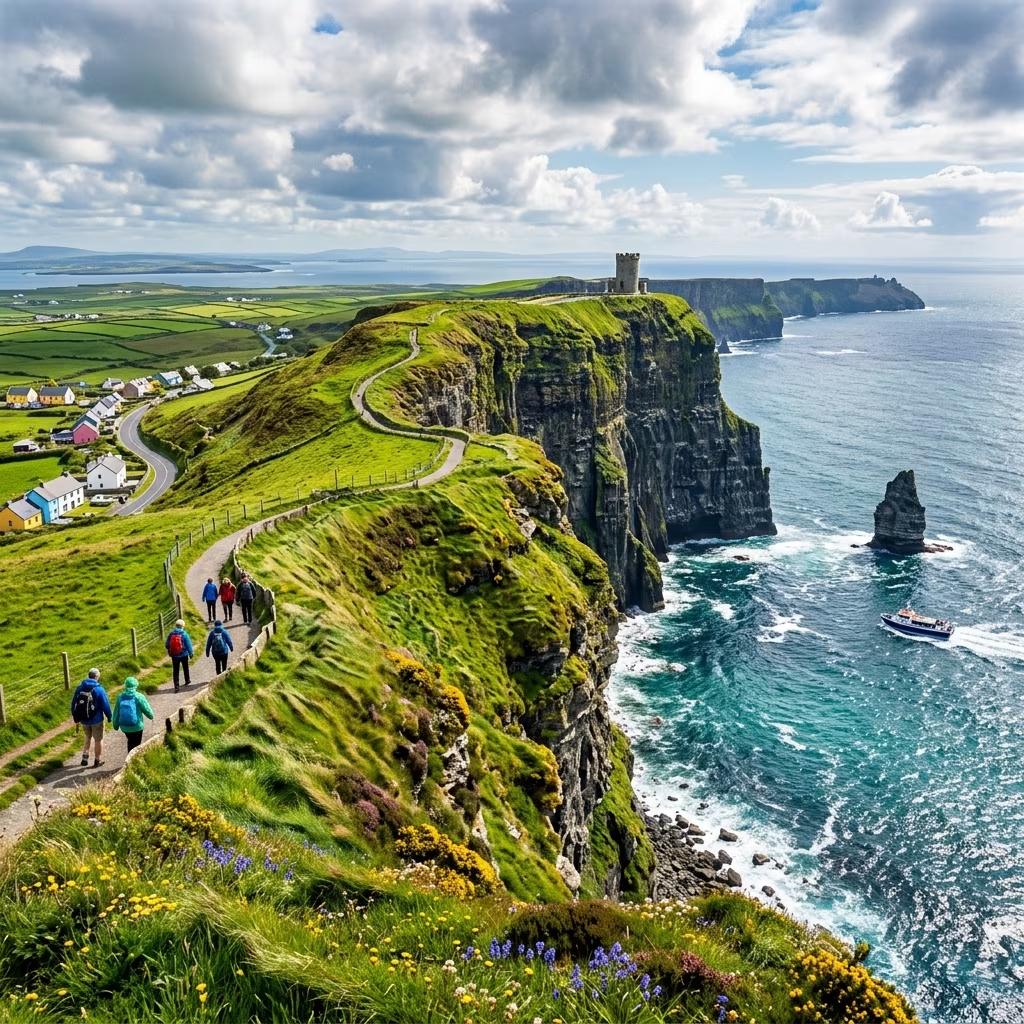
- Crowds: Expect the country’s most popular attractions (like the Cliffs of Moher, Dublin, and Galway) to be busy. Accommodations, restaurants, and car rentals can book far in advance, particularly in July and August.
- Cost: This is the most expensive time to visit. Hotel prices and airfares are at their peak due to demand, and reservations are essential.
- Events: Cities are alive with culture: think Dublin Pride Parade, Galway Arts Festival, Cork Midsummer Festival, as well as traditional music sessions in many towns.
- Cruise Ships: Cruise traffic increases in port cities (Dublin, Cork, Belfast), bringing occasional surges in visitor numbers on certain days.
Summer is the ideal choice for those seeking vibrant urban life, longest daylight hours, and a festival-rich atmosphere—but book early and prepare for crowds at key sights.
The Shoulder Seasons: Spring & Fall
If you want to avoid the thickest crowds but still enjoy decent weather, the shoulder seasons—mid-April through May and late September through October—are your sweet spot. These months combine the following:
- Weather: Generally mild; May is among the sunniest months, while September often brings beautiful, mellow days.
- Smaller Crowds: Attractions are open, but there are fewer visitors compared to summer. In cities, most sites operate year-round, while some rural attractions may have reduced hours.
- Cost: Lower accommodation and flight prices compared to peak summer.
- Local Life: You’ll mingle more with locals and less with groups of tourists. Travel is generally more relaxed.
- Sightseeing: Ideal for hitting the highways, coastal drives (like the Ring of Kerry or Wild Atlantic Way), and exploring the scenery before or after the bustle of summer.
Do check ahead for small-town and rural attractions, as operating hours can be reduced at the shoulders of these seasons. However, all major museums, castles, and top-rated sites in cities should be open as usual.
Autumn in Ireland (September–October)
Visiting Ireland in the fall means experiencing the landscape in a new palette. The country transitions from lush summer green to golden and russet tones, particularly in wooded valleys and around lakes.
- Weather: September often retains a summery feel, with mild temperatures and reasonable weather. October becomes cooler and wetter, but can be spectacularly beautiful when the leaves change color.
- Crowds: Numbers decrease after the first week of September, providing a more tranquil experience at major sights and along scenic routes.
- Events: Autumn harvest festivals and the lively Galway Oyster Festival bring unique local flavors. October also marks Halloween—a holiday with ancient Celtic roots in Ireland—celebrated with plenty of rural pageantry.
- Daylight: Daylight decreases steadily; expect 10–13 hours depending on the month.
Autumn is recommended for travelers interested in culture, food festivals, and a quieter pace while still having many attractions and accommodations available.
Winter in Ireland (November–March)
While Ireland’s climate rarely brings snow, the winter months are cool, often wet, and marked by short days. For travelers who don’t mind braving less predictable weather, Ireland’s off-season reveals different charms.
- Weather: Daily highs rarely exceed 8–10°C (46–50°F). Rain is frequent, and winds can be bracing, especially along the western coast.
- Daylight: Days are short, with as little as 7–8 hours of light in December and January, limiting daytime sightseeing.
- Crowds: Virtually no crowds at major attractions, and accommodation rates are at their lowest. Some rural hotels, B&Bs, and seasonal attractions close from November through February.
- Events: Festive city decorations, Christmas markets in Dublin, Cork, and Galway, and New Year’s Eve celebrations light up the darker days. Indoor attractions (museums, theaters, pubs with live music) remain lively.
While smaller sights, especially in countryside and villages, may close in winter, cities like Dublin and Belfast keep buzzing. Off-season is best for travelers on a budget or those who want an insider’s look at local life.
Planning Tips: Booking, Packing, and Getting Around
- Book Early in Summer: For peak travel months (June to early September, and around St. Patrick’s Day in March), book accommodations, rental cars, and tours well in advance—especially in cities or major destinations.
- Packing Advice: The weather is famously changeable. Always bring a rain jacket, layers, and waterproof shoes or boots. Sunblock is useful in late spring and summer. An umbrella is handy, but wind along the coasts can be strong enough to turn it inside-out—so opt for a hooded jacket as your main protection.
- Car Rentals: Many top rural sites are best reached by car. Book ahead in peak season, and remember to drive on the left!
- Opening Hours: While city museums are open year-round, verify opening times for rural sights or small attractions, particularly in shoulder and winter seasons.
- Daylight Considerations: Check sunrise and sunset times during your planned visit to maximize your sightseeing window.
- Local Festivals: Consider timing your trip with festivals for a deeper immersion in Irish life.
Best Months for Specific Travelers
| Traveler Type | Optimal Months | Why |
|---|---|---|
| Nature Lovers | April–May, September | Wildflowers, green hills, mild weather, less crowded |
| Festival Seekers | June–August; Late September/October | Traditional music, art, harvest festivals, lively towns |
| Budget Travelers | November–March | Lowest prices, quiet cities, easy hotel bookings |
| City Explorers | Year-round | Cities like Dublin, Belfast, Galway have busy cultural calendars in any season |
| Hikers & Road-Trippers | Late April–June, September | Long daylight, ideal weather, clear views in the countryside |
Frequently Asked Questions (FAQs)
Is there a truly ‘bad’ time to visit Ireland?
Not really. Each season has appealing aspects. Winter is the least popular due to rain and shorter days, but you can enjoy the lowest prices and uncrowded city attractions.
How rainy is it, really, and does it spoil the trip?
Ireland’s weather is famously unpredictable, with light showers possible any time. However, heavy, all-day rain is uncommon—most showers pass quickly. Be flexible with outdoor plans and always carry a rainproof layer.
What about daylight in summer versus winter?
In June, you’ll enjoy over 17 hours of light each day. In December, that falls to barely 7–8 hours. Early risers and late-night sunset chasers will appreciate the extra sun in summer, but winter’s shorter days still offer cozy pub evenings and vibrant city life.
Is St. Patrick’s Day (March) a good time to go?
St. Patrick’s Day brings lively celebrations, parades, and green everywhere—especially in Dublin. However, it’s also very busy and can be more expensive. Expect packed hotels and crowded streets in tourist areas during the festival week.
Are major indoor sights open year-round?
Yes, major museums, cathedrals like St. Patrick’s in Dublin, the Guinness Storehouse, and attractions such as Titanic Belfast generally stay open year-round, though hours may be reduced in winter. Rural attractions and scenic tours may observe shorter hours or close for the low season.
Sample Itinerary by Season
- Spring: Start in Dublin to enjoy vibrant parks, then the south for gardens and castles, followed by the wild western peninsulas as flowers bloom. Don’t miss villages like Dingle for a quieter yet colorful experience.
- Summer: Join the energy of Galway’s festival scene, explore the Dingle Peninsula, see the Cliffs of Moher in extended daylight, and catch coastal boat trips.
- Fall: Taste local oysters in Galway, photograph the Wicklow Mountains’ golden hues, participate in local harvest fairs, and walk city streets free of peak summer crowds.
- Winter: Warm up by a fireside in a traditional pub, enjoy lively Christmas markets in city centers, and pop into museums or indoor historic attractions for shelter from the wet weather.
Packing Essentials for Ireland
- Lightweight, waterproof jacket
- Comfortable walking shoes or boots (water-resistant)
- Layers (evenings can be cool, regardless of season)
- Umbrella (wind-resistant preferred or opt for a hood)
- Sunblock and sunglasses (for unexpectedly sunny days)
- Travel adapter (Ireland uses UK-style plugs)
- Small backpack for day trips and layering changes
Insider Advice: Making the Most of Your Trip
- Embrace the unpredictability—locals will tell you, “If you don’t like the weather, wait five minutes!”
- Interact with residents: the Irish are renowned for warmth and storytelling. Off-peak seasons offer the best chances for meaningful chats and unhurried service.
- For lovers of live music and cultural activity, summer in larger towns brings nightly sessions, but off-season visits reward you with more intimate gatherings.
- Wherever you go, check the local event calendar; festivals large and small can transform villages and cities alike.
Conclusion: When Should You Go?
Ultimately, the best time to visit Ireland depends on your personal priorities. Spring and fall offer a lovely compromise between pleasant weather and moderate crowds, while summer promises energy and festivals—if you don’t mind booking ahead and braving crowds. Winter is for budget travelers and those seeking local flavor over famous landmarks. Whatever your choice, Ireland’s charm, music, and striking scenery are always in season.
References
- https://www.islands.com/1905221/rick-steves-tip-best-time-visit-ireland/
- https://community.ricksteves.com/travel-forum/ireland/best-time-of-the-year-to-visit-ireland
- https://www.ricksteves.com/europe/ireland/itinerary
- https://www.ricksteves.com/watch-read-listen/video/tv-show/best-of-west-ireland
- https://www.youtube.com/watch?v=s8Z0yD1ct6E
- https://www.ricksteves.com/watch-read-listen/video/travel-talks/ireland-travel-skills
- https://www.tripadvisor.com/ShowTopic-g186591-i88-k11112954-o20-Rick_steves-Ireland.html