Switzerland enchants visitors with its alpine peaks, glimmering lakes, and vibrant traditions. But timing your visit can make a world of difference: from crowd levels and costs to the range of experiences possible. This comprehensive guide explores when—and why—to visit Switzerland, so you can plan an unforgettable trip tailored to your interests, whether you crave tranquil vistas, lively festivals, or snowy adventures.
Overview: Switzerland Through the Seasons
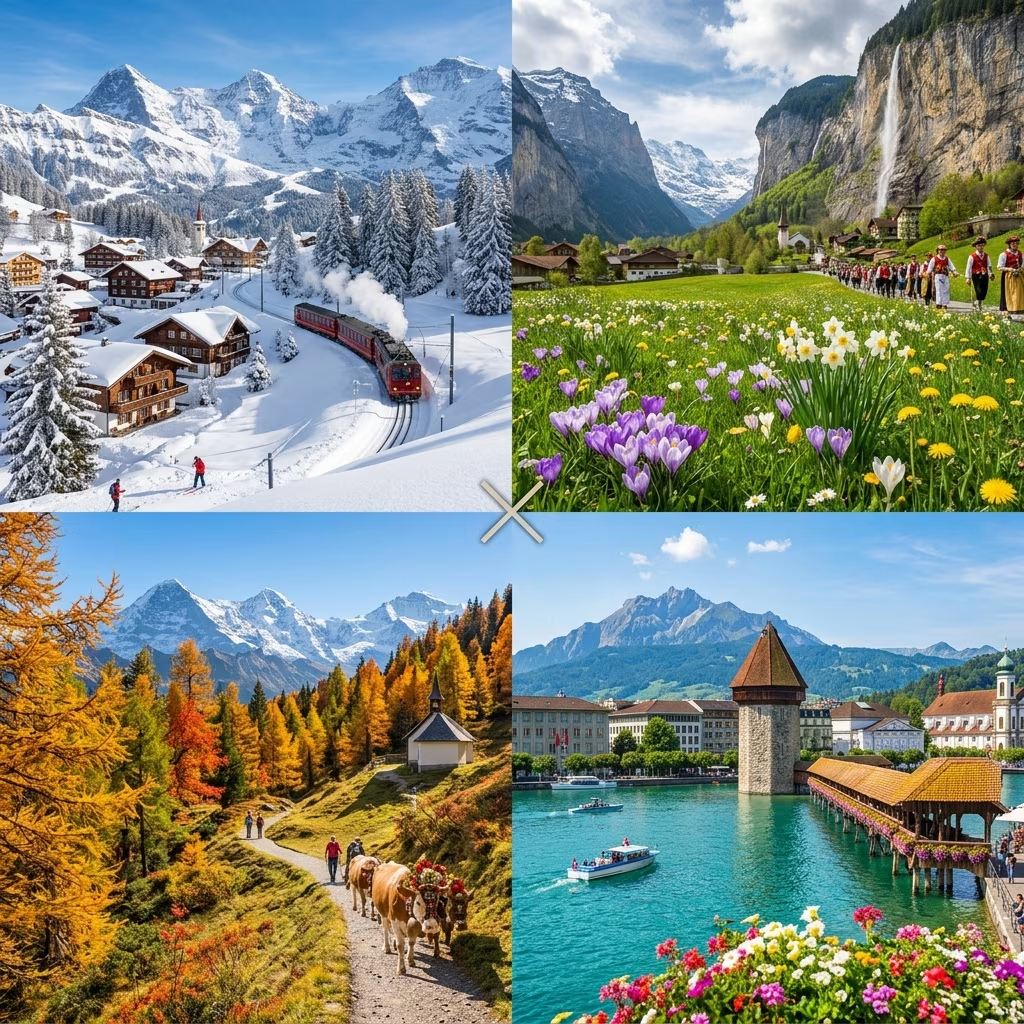
Switzerland offers four distinct seasons, each with unique appeal:
- Winter (December–March): Best for skiing and snow sports; busy in the Alps.
- Spring (April–June): Wildflowers, warming valleys, melting snow, and thinning crowds.
- Summer (July–August): Warm weather, hiking, festivals, and peak tourist activity.
- Fall (September–October): Crisp air, blazing foliage, harvest festivals, and relaxed atmospheres.
Shoulder Seasons: The Sweet Spot for Swiss Travel
Most travelers picture Switzerland at its height in July and August—sunny, lively, and brimming with activity. But with that sunshine arrive peak crowds and higher prices, especially in popular areas like Lucerne, Interlaken, and the Jungfrau region. In contrast, the shoulder seasons—late May through June and September through early October—are often the most rewarding times to visit.
- Milder weather and easy-going days are perfect for hiking, photography, and simply soaking up scenery.
- Fewer crowds mean more breathing room on trains, trails, and in beloved towns.
- Better deals are common, with greater hotel and tour availability.
- Cultural events, like autumn cattle parades and local harvest festivals, bring an authentic Swiss flavor.
Travelers in spring can marvel at wildflowers blooming in the meadows and valleys coming to life after winter. In fall, the hillsides blaze with reds and golds, and chances for dry, clear days remain high.
Switzerland by Season: A Detailed Breakdown
Winter (December–March): Ski Paradise and Alpine Magic
Winter transforms Switzerland into a snow-lover’s playground. The Alps become a magnet for skiers, snowboarders, and those craving cozy mountain villages decked in festive lights.
- Ski season: December through March in higher-altitude resorts (Zermatt, St. Moritz, Verbier).
- Holiday atmosphere: Christmas markets, New Year celebrations, and snow-capped towns offer a magical vibe.
- Drawbacks: Popular resorts are crowded and pricey. Some trails and mountain passes close. Lower valleys can be gray and foggy.
Spring (April–June): Thawing Valleys and Blossoms
Early spring is often quiet in Switzerland, with snow lingering in higher regions while valleys and lakesides come to life.
- April: Still chilly in the Alps; many mountain lifts are closed for maintenance.
- May: Meadows bloom, crowds are sparse, and hotel rates are friendlier. The landscape is lush, and cities become lively.
- June: Alpine passes and trails start to open; weather is mild but can be rainy.
- Events: Spring festivals and the chance to see cow herds led up to alpine pastures (Alpaufzug).
Summer (July–August): Long Days, Lively Festivals, and Peak Activity
Switzerland’s high season attracts travelers from around the globe. The days are longest, warmest, and filled with activity.
- Weather: Days are sunny and pleasant in the mountains; cities and lakes can get quite warm.
- Activities: Hiking, paragliding, swimming, and major music and food festivals.
- Crowds: Expect busy trains, packed towns, and high occupancy rates in hotels, especially near Interlaken, Lucerne, and the Jungfrau region.
- Mountain passes: All major passes and high-altitude trails are generally accessible.
Fall (September–October): Colorful Foliage and Tranquility
Autumn arrives with vivid landscapes, crisp air, and a sense of calm after the summer rush.
- September: Still excellent for hiking and sightseeing; weather usually stable.
- October: Leaves turn golden, vineyards ripen, and the tourist numbers further dwindle.
- Cultural highlights: Traditional festivals like Alpabfahrt (cattle descent), wine harvests, and local fairs.
- Travel tips: Some lifts and hotels in mountain areas close for maintenance in late October.
Weather, Crowds, and Prices: What to Expect
| Season | Weather | Crowds | Prices |
|---|---|---|---|
| Winter | Cold, snowy in Alps; gray in lowlands | High in ski resorts | Expensive, especially during holidays |
| Spring | Mild, flowers bloom; snow lingers in Alps | Low to moderate | Better deals, shoulder rates |
| Summer | Warm in cities; pleasant in mountains | Peak season, very crowded | Highest hotel and tour prices |
| Fall | Cool, stable, stunning foliage | Low to moderate | Good deals; some closures late in season |
Insider Tips for Avoiding the Crowds
- Travel in late May–June or September–early October for a sweet spot of good weather and fewer tourists.
- Book accommodations in advance, especially for summer and winter high seasons, but shoulder seasons offer flexibility.
- Start excursions and mountain visits early in the day for the best visibility and to dodge crowds.
- Seek out smaller villages and lesser-known trails for authentic experiences away from the tourist crush.
- In October, double-check when mountain lifts and hotels close for maintenance.
Seasonal Events and Swiss Festivities
Planning your trip around unique Swiss festivals can add an unforgettable twist to your journey. Here are a few highlights per season:
- Spring: Alpaufzug (cows led up to mountain pastures), colorful Easter markets.
- Summer: Open-air music festivals, Swiss National Day (August 1), traditional yodeling competitions, lakeside fireworks.
- Fall: Alpabfahrt (cattle descent adorned with flower garlands and bells), wine and harvest festivals, Weinfeste and Bierfeste.
- Winter: Christmas markets, St. Nicholas Day celebrations, and New Year festivities in alpine villages.
Best Activities by Season
| Season | Top Activities |
|---|---|
| Winter | Skiing, snowboarding, sledding, spas, Christmas markets |
| Spring | Hiking in valleys, photography, city sightseeing |
| Summer | High-altitude hiking, mountain biking, paragliding, lake swims |
| Fall | Wine region tours, foliage hikes, local festivals |
Regional Variations: Weather and Timing Differences
Switzerland’s compact size belies its remarkable diversity. Weather, crowds, and seasonal highlights can differ significantly between regions:
- Bernese Oberland & Engadine: Chilly in late September and October; high trails may close with the first snow.
- Lake Geneva & southern regions: Milder longer into fall, with vineyards and lake shores ideal for autumn visits.
- Pontresina & high alpine terrain: Early snows possible from September; come prepared for variable temperatures.
- Cities (Zurich, Geneva, Bern, Lausanne): Enjoy warm days into late September, though higher elevations are colder.
Sample Itinerary: Building the Perfect Swiss Adventure
To help you maximize your time and align with the best travel periods, here’s a sample two-week itinerary covering Switzerland’s highlights (adapted for shoulder season optimality):
- Day 1-2: Arrive in Zürich, explore the old town, and head to Appenzell.
- Day 3-4: Visit Lucerne, boat excursions, and mountain views.
- Day 5: Scenic train to Lugano (Gotthard Panorama Express).
- Day 6-7: Bernina Express to Pontresina and Engadine region.
- Day 8-9: Travel to Zermatt, view the Matterhorn, and hike.
- Day 10-13: Lauterbrunnen Valley for lifts, hikes, and mountain villages.
- Day 14: Return to Bern and Zürich for departure.
This route combines city culture, scenic rail journeys, alpine hikes, and Swiss hospitality—ideal for late spring, summer, or fall.
Essential Tips for Traveling Switzerland
- Weather Ready: Pack in layers and bring waterproofs, especially for hiking and high-altitude regions.
- Saver Passes: Regional or national train passes often yield considerable savings, especially outside high season.
- Advance Booking: Secure mountain hut stays and hotels early for summer and winter; more flexibility in the shoulder season.
- Stay Flexible: Weather can change quickly; plan some alternate day trips or indoor options.
Frequently Asked Questions
Q: What is the absolute best month to visit Switzerland?
A: Many travelers and experts recommend late May–June or September–early October for great weather, scenic beauty, and reduced crowds.
Q: Is it worth visiting Switzerland outside of summer?
A: Yes. Spring and fall offer blooming landscapes or vivid foliage, cultural festivals, and a relaxed pace, while winter is world-famous for winter sports and Christmas markets.
Q: Are the mountain lifts and trails open year-round?
A: No. Many lifts, especially in the Alps, close for maintenance in late autumn and early spring. Check local schedules and weather before planning high-mountain excursions.
Q: How do prices and availability change throughout the year?
A: Expect the highest prices and lowest hotel and train availability in July, August, and the December ski period. The best deals and fewer crowds are usually found in the shoulder months.
Q: Can I enjoy traditional Swiss festivals as a tourist?
A: Absolutely. Switzerland’s seasonal events are open and welcoming to visitors, providing unique windows into Swiss culture, from cow parades to village fairs, especially in spring and fall.
Conclusion: Choosing the Perfect Swiss Moment
Any time can be magical in Switzerland, but choosing the right season for your adventures can elevate your experience from good to extraordinary. Whether you’re after alpine hikes unmarred by crowds, vibrant city life, or a festive winter wonderland, Switzerland’s ever-changing calendar offers something special. By traveling during the shoulder seasons and aligning your trip with key regional events, you’ll discover the Switzerland that locals love—peaceful, authentic, and full of surprises.
References
- https://www.islands.com/1907877/rick-steves-tips-best-time-visit-switzerland-weather-smaller-crowds/
- https://community.ricksteves.com/travel-forum/switzerland/best-time-for-rst-to-switzerland
- https://www.ricksteves.com/europe/switzerland/itinerary
- https://www.ricksteves.com/watch-read-listen/video/tv-show/best-of-the-alps
- https://www.ricksteves.com/travel-tips/trip-planning/timing-your-trip
- https://www.ricksteves.com/watch-read-listen/video/tv-show/great-swiss-cities
- https://www.ricksteves.com/watch-read-listen/video/travel-talks/switzerland