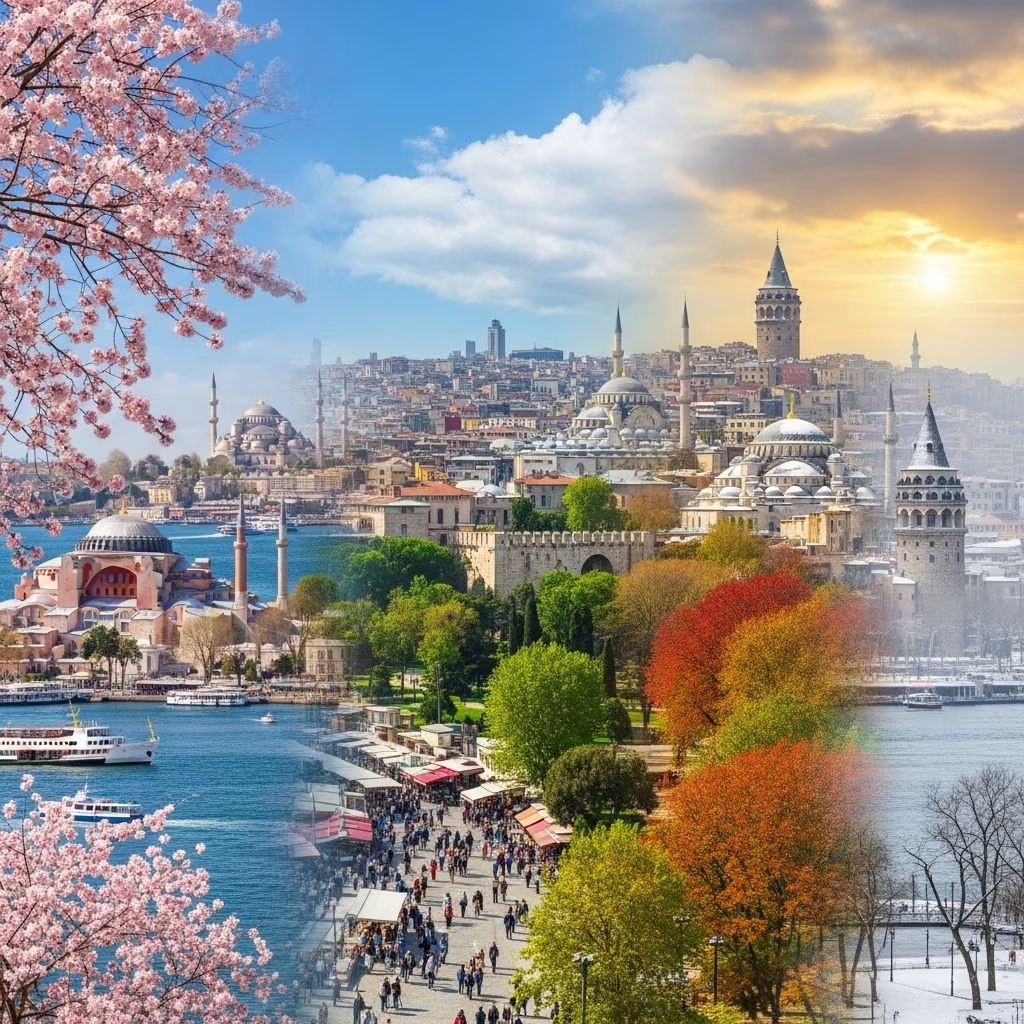
Best Time to Visit Istanbul: A Seasonal Guide
Istanbul, straddling the continents of Europe and Asia, is a city where ancient history, vibrant culture, and dynamic street life converge. Known for its iconic skyline punctuated by minarets and domes, bustling bazaars, and riverside promenades, Istanbul welcomes millions of visitors each year. Deciding when to visit Istanbul is key to making the most of your trip. This guide details the climate, crowds, values, and events across the seasons so you can confidently select the ideal time for your journey.
Understanding Istanbul’s Climate
Istanbul enjoys a moderate climate year-round, with variations that influence the overall travel experience. Summers are generally hot and humid, while winters can be damp or even snowy. Spring and fall present the city’s most comfortable weather, with mild temperatures and frequent sunshine.
| Season | Temperature Range | Typical Weather |
|---|---|---|
| Spring (April–June) | 55–75°F (13–24°C) | Mild, pleasant, occasional rain showers |
| Summer (July–August) | 65–85°F (18–29°C) | Hot, humid |
| Autumn (September–October) | 60–80°F (16–27°C) | Mild, less rain, clear skies |
| Winter (November–March) | 42–60°F (6–16°C) | Chilly, damp, occasional snow |
Peak Season: Mid-April to June & September to October
Mid-April to June and September to October are considered peak seasons in Istanbul, offering the best overall conditions for visitors.
- Weather Benefits: Comfortable daytime temperatures, cool evenings, and manageable humidity create ideal conditions for sightseeing, strolling city parks, and exploring historical attractions.
- City Life: Outdoor cafés and Bosphorus cruises are in full swing. Lush gardens, especially the tulip-filled parks in spring, add bursts of color across the city.
- Events: Springtime celebrates Istanbul’s Tulip Festival, while fall hosts various cultural festivals, art exhibitions, and music events.
Keep in mind that these months coincide with higher prices for hotels and increased crowds at headline attractions such as Hagia Sophia, Blue Mosque, and Topkapı Palace. Advance planning is essential, especially if you wish to experience Istanbul’s most popular sites with minimal wait times.
Summer in Istanbul: July and August
Istanbul’s summer, spanning mid-July to mid-August, can be sweltering, with rising humidity and temperatures often peaking around 85°F (29°C). The city teems with life, as both locals and tourists seek out the waterfronts, islands, and shaded historic quarters.
- Crowds: Major sights and districts can be crowded. European vacationers (especially from Spain, Italy, and France) flock here during summer school holidays.
- Atmosphere: Summer nights are lively, with seaside fish restaurants, rooftop bars, and ferry cruises drawing crowds. Istanbul’s nightlife comes alive in warm weather.
- Travel Tips: Pack light, breathable clothing, sunscreen, and stay hydrated. Take advantage of the city’s frequent breezes on the Bosphorus or in shaded mosque courtyards.
- Prices: Peak tourist demand keeps hotel rates high, and rooms tend to book up quickly—especially during European holiday periods and city festivals.
Low and Shoulder Seasons: November to March
If you’re looking for smaller crowds and better values, the off-season—roughly November through March—offers significant advantages, despite chillier, damper weather.
- Weather: Daytime temperatures hover around 42–60°F (6–16°C). Rain is frequent, and snow is possible in January and February, though heavy snow is rare.
- Sightseeing: All major sites remain open, and lines are rare. The lower volume of visitors makes for a less hectic, more intimate experience—ideal for photographers and culture-lovers.
- Prices: Hotel rates are reduced. Airfare is generally cheaper, except during Christmas, New Year’s, and other major festivals when European travelers boost demand.
- Atmosphere: Istanbul’s cozy tea houses, Turkish baths (hamams), and traditional restaurants become especially inviting in cooler weather. Museums and covered bazaars provide shelter from rain, while the city’s festive lights and decorations in December paint a magical winter scene.
Holiday Seasons and Local Festivals
Certain periods see increased activity and higher prices regardless of the general season. Planning ahead is especially important if your visit coincides with local or international holidays.
- Easter and Christmas: Many European tourists converge on Istanbul, causing a jump in rates and heavier crowds.
- New Year’s: The city hosts lively celebrations, from street parties to Galata Tower fireworks.
- Ramadan (Ramazan): During this important Islamic month, Muslims fast from sunrise to sunset. Tourist sites and restaurants remain open, but some businesses adjust hours. The end of Ramadan (Eid al-Fitr) brings festive gatherings, sweets, and special prayers. Larger crowds should be expected at mosques and city squares during major religious holidays.
It’s a good idea to check festival calendars and major events before you travel, as these can affect accommodation availability and the overall pace of the city.
Month-by-Month Guide to Visiting Istanbul
- April–May: Blooming tulips decorate city parks and gardens. Weather is fresh and comfortable—perfect for outdoor exploration.
- June: Early summer offers long daylight hours and as yet manageable temperatures and crowds.
- July–August: Hottest and most humid months. Daytime sightseeing is best combined with relaxing evenings along the Bosphorus or a traditional Turkish bath.
- September–October: Warm but not stifling, with less humidity. The city resumes its cultural calendar after the summer, offering film, art, and food festivals.
- November–March: Chilly and sometimes rainy, but all attractions are open and visitor numbers drop. Enjoy the warm interiors of Istanbul’s museums, palaces, and hammams.
Tips for Planning Your Istanbul Trip
- Pack for Changeable Weather: Rapid shifts in weather are common, especially in spring and autumn. Bring layers, a travel umbrella, and waterproof shoes.
- Book Ahead: In peak season, reserve accommodation and popular attractions (such as museum tickets or Bosphorus cruises) well in advance to avoid disappointment.
- Travel During Festivals: If you enjoy bustling festivities, plan your timing around events like the Tulip Festival (April), Istanbul Film Festival (April), or the Jazz Festival (July).
- Enjoy Off-Peak Advantages: If you prefer quieter sightseeing, travel in winter or early spring to enjoy significant savings, special hotel offers, and less crowded streets.
Frequently Asked Questions (FAQs)
Q: What is the absolute best month to visit Istanbul?
A: Late April to early June and September to October are widely considered the best months, offering ideal weather, a lively city atmosphere, and fewer rain showers compared to winter.
Q: Is winter a bad time to visit Istanbul?
A: Not at all. While the city can be chilly and damp, winter offers less crowded sights, discounted accommodation, and a magical mood as cozy cafés and historical sites provide refuge from the weather.
Q: Are tourist sites open during the off-season?
A: Yes, all major attractions remain open year-round, though hours may be shorter for some museums. Always check in advance, especially around national and religious holidays.
Q: How do prices in Istanbul change throughout the year?
A: Hotel and travel prices rise during the peak months (spring, early summer, fall) and major holidays. Traveling in the winter months typically yields the best deals.
Q: What should I wear when visiting Istanbul?
A: Dress in layers, especially in spring and autumn, as temperatures can vary widely. In summer, opt for light and breathable fabrics. Always bring a scarf or shawl for mosque visits.
Quick Reference: Istanbul Weather and Travel Table
| Month | Avg. High (°F/°C) | Avg. Low (°F/°C) | Rain | Typical Crowds |
|---|---|---|---|---|
| April | 64 / 18 | 48 / 9 | Moderate | Rising |
| May | 71 / 22 | 56 / 13 | Low | High |
| June | 79 / 26 | 63 / 17 | Low | High |
| July | 85 / 29 | 68 / 20 | Low | Very High |
| August | 84 / 29 | 68 / 20 | Low | Very High |
| September | 78 / 25 | 63 / 17 | Low | High |
| October | 70 / 21 | 56 / 13 | Moderate | Moderate |
| November | 61 / 16 | 48 / 9 | High | Low |
| December | 54 / 12 | 43 / 6 | High | Low |
Summary: How to Choose Your Perfect Istanbul Season
- For Best Weather: Visit in late spring (April–June) or early autumn (September–October).
- For Lower Prices and Smallest Crowds: Opt for the winter months (November–March), except during the winter holidays.
- For Local Festivals and Culture: Check the city’s calendar for festivals, Tulip Festival in April being especially picturesque.
- For a Unique Urban Adventure: Every season has its charm—choose based on your interests, tolerance for weather, and preferred travel pace.
With this comprehensive overview, you’re equipped to select the ideal time for your unforgettable Istanbul adventure. Whether basking in the sun by the Bosphorus or exploring centuries-old bazaars in the cool of winter, Istanbul awaits with open arms and timeless beauty.
References
- https://community.ricksteves.com/travel-forum/tours/istanbul-for-one-day-must-see
- https://www.ricksteves.com/europe/turkey/istanbul-itinerary
- https://www.ricksteves.com/europe/turkey/best-time-to-go-to-istanbul
- https://www.ricksteves.com/travel-tips/travel-classes/monday-night-travel/istanbul
- https://www.ricksteves.com/watch-read-listen/video/tv-show/istanbul
- https://www.ricksteves.com/watch-read-listen/read/articles/strolling-istanbul?extras=true
- https://www.youtube.com/watch?v=WYyPZa6xIK8
- https://www.ricksteves.com/europe/turkey/istanbul