The Algarve: Portugal’s Enchanting Sunny South Coast
Stretching along Portugal’s southern edge, the Algarve is a region where golden beaches meet rugged cliffs, and tradition quietly perseveres amidst burgeoning modern resorts. Between bustling tourist hubs, you’ll find pockets of authentic Portuguese life—fishing villages, sun-drenched plazas, the echoes of an illustrious maritime past, and fresh seafood hauled ashore by local crews. This article invites you on a journey from windswept capes and sparkling coves to the slow pulse of Salema, charting both the Algarve’s dramatic beauty and endearing charm.
At a Glance: The Algarve’s Geography and Character
- Location: Southern tip of Portugal, lining the Atlantic coast for roughly 100 miles.
- Major Towns: Lagos (lively surf city), Faro (region’s capital), Tavira (classic whitewashed town), several smaller villages.
- Landscape: Rocky headlands, broad sandy beaches, rolling inland hills with orchards, and clusters of brightly painted cottages.
- Climate: Warm and dry—a magnet for sun-seekers.
While much of the Algarve has been transformed by tourism, vestiges of traditional Portugal persist, offering a genuine antidote to the region’s ever-climbing condo blocks and summer crowds.
The Origins and Transformation of the Algarve
The Algarve was once the portal between Europe and the wider world, its ports launching explorers and traders in the centuries when Portugal briefly stood as a global superpower. Today, the region wears this legacy as a quiet undercurrent, focusing far less on history and more on its idyllic lifestyle. The steady rhythm of daily life—savored coffee in the plaza, morning fish markets, late afternoon swims—stands in contrast to the pulse of development that has accompanied the region’s popularity.
- Coastal Resorts: Modern high-rises and sprawling complexes dominate areas with easy beach access, especially near Lagos and Albufeira.
- Pockets of Authenticity: Small fishing villages, untouched coves, and historic centers persist in the cracks between.
This blend of old and new defines the Algarve, inviting travelers to choose between vibrant nightlife and the slow, timeless heartbeat of the sea.
Exploring the Algarve: Main Towns and Villages
While brochures may highlight only the sun and sand, the Algarve’s true rewards reveal themselves in its varied towns and villages—each with a unique character and appeal.
Lagos: Where the Old Meets New
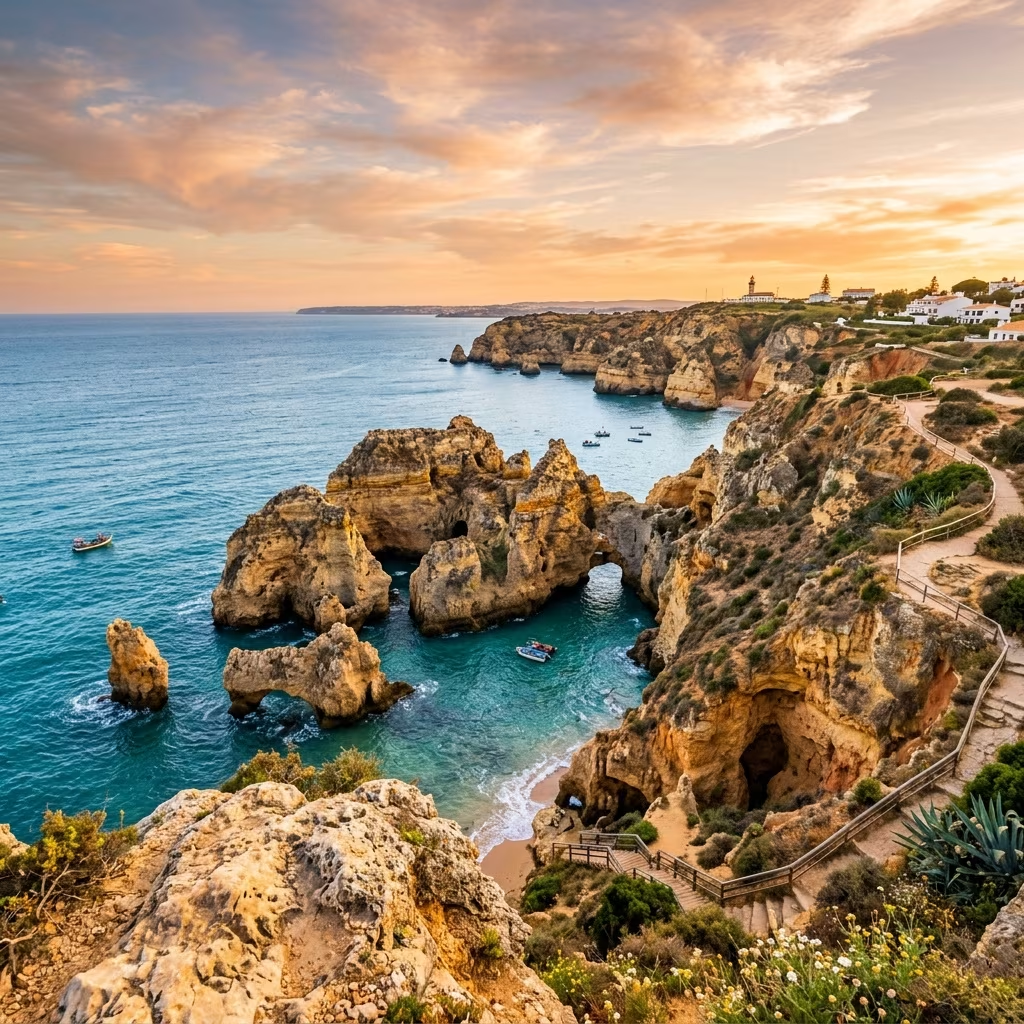
Lagos is the region’s most prominent resort city, blending historic old-town charm with a cosmopolitan buzz. Paved pedestrian lanes, lively squares, inviting cafes, and a vibrant nightlife create a spirited energy, while dramatic headlands like Ponta da Piedade form the backdrop.
- Colorful markets, bustling with locals and visitors alike.
- Gateway to the Algarve’s surf scene; popular with younger travelers.
- Easy access to scenic boat tours and coastal hikes.
Yet, along with its allure, Lagos is also among the Algarve’s more crowded and modernized destinations—a reflection of the region’s appeal and ongoing development.
Cape Sagres: The Land’s End of Europe
Cape Sagres, staking out the continent’s southwesternmost corner, is both a dramatic natural spectacle and a place of outsized historical resonance. Winds whip across its cliffs, waves pound the rocky base, and legend gathers around the fortresses and ruins that dot the cape.
- Known as the “Land’s End of Europe,” once thought to be the literal edge of the known world by early explorers.
- Associated with Henry the Navigator and the Age of Discovery.
- Panoramic vistas of the Atlantic and dramatic sunsets
The cape’s stark grandeur serves as a reminder that the Algarve is a point of departure both literally and figuratively—a gateway beyond Europe’s familiar shores.
Salema: Where Tradition Lingers
Hidden just off the main coastal road, Salema preserves a distinctly unhurried atmosphere long since lost in much of the Algarve. It’s a place where fishing boats are dragged over the sand by tractor, village elders reminisce about the sea, and fresh catches shape each day’s menu.
- Size: Two or three sandy lanes, modest cluster of houses, a handful of family-run restaurants and bars.
- Atmosphere: Laid-back, intimate, and deeply influenced by its maritime heritage.
- B&Bs and rental rooms: Local families still rent rooms to visitors, a tradition that threads local and traveler together.
Here, in the gentle arc of the bay, life proceeds on maritime time. Fishermen still head out at dawn, returning to their painted boats and weathered nets midday, their catch ready for the simple, excellent restaurants lining the sand.
Tavira: Postcard-Perfect Town on the Eastern Coast
Tavira sits closer to the Spanish border and is famed for its whitewashed houses, narrow cobbled lanes, and riverside setting. It offers a more tranquil counterpart to the larger cities. Boats ferry visitors past lagoon estuaries to wide, sandy islands offshore.
- Cobbled old-town with a gentle pace.
- Elegant churches and period architecture.
- Quieter beaches, rich birdlife in the Ria Formosa Natural Park.
The Algarve’s Beaches: From Dramatic Cliffs to Hidden Coves
The coastline is the Algarve’s undisputed star, a succession of beaches ranging from grand public stretches to tiny, private coves—each shaped by the interplay of wind, waves, and ancient geology.
- Praia da Marinha: Renowned for its limestone arches and turquoise waters, considered among Europe’s most beautiful.
- Meia Praia: Sweeping, sun-drenched sands a short walk from Lagos; excellent for swimming and families.
- Praia do Amado: Surfer’s paradise, beloved for its consistent swell and dramatic backdrop.
- Salema Beach: Relatively quiet, with fishing boats parked along the shore and local families mingling with visitors.
- Tavira Island: Accessible only by boat, laid-back and largely undeveloped.
Even as development nibbles at the coastline, a sense of wildness persists—especially at dawn, or as sun sinks into the sea.
Fishing Traditions and Maritime Life
In villages like Salema, fishing remains more than a livelihood—it’s the region’s defining rhythm. Watch as weathered boats drawn up on the sand are unloaded by teams of locals, their catch destined for both markets and kitchens. One of the Algarve’s iconic sights: fishermen stacking earthen octopus jars, an ancient trapping method still in use today.
- Jars are strung along the seabed, luring octopi seeking sanctuary—then carefully hoisted, with the catch wriggling inside.
- Many families supplement their income by renting out rooms to travelers, fostering a tradition of shared hospitality.
Though tourism now rivals fishing for economic impact, the Algarve’s watery heritage persists—its flavors, rituals, and daily pulse shaped by the bounty of the sea.
Seafood and Portuguese Cuisine in the Algarve
Food in the Algarve is best defined by freshness and simplicity. Beachside restaurants and tiny tavernas feature menus dominated by the day’s catch, grilled to perfection and accompanied by bright vegetables, bread, and the ever-present jug of local wine.
- Octopus: Often served lagareiro style—roasted with olive oil and garlic.
- Sardines: Grilled over open flames, especially popular in summer.
- Cataplana: Hearty stew of shellfish, pork, and spices, cooked in a distinct copper vessel.
- White fish: Like dourada (sea bream) and robalo (sea bass), lightly seasoned.
- Algarve wines: Crisp whites and easy-drinking reds from sun-kissed local vineyards.
Dining is a social act: a leisurely lunch or drawn-out dinner is as much about conversation and connection as the food itself.
Accommodations: Where to Stay in the Algarve
From luxurious resorts with sweeping sea views to spare rooms in village homes, lodging in the Algarve offers as much variety as the coastline itself.
- Modern Resorts: Popular in bigger towns, offering high comfort and convenience—but often detached from local character.
- Local B&Bs and guesthouses: Family-run, with a handful of rooms, often with breakfast and personalized travel advice.
- Room rentals: Look for handwritten signs (“quartos”) near fishing lanes, especially in smaller villages like Salema.
- Holiday apartments/villas: Ideal for families and extended stays, often clustered on hillsides above the shore.
For those craving an immersive experience, opting for locally owned accommodation offers both value and insight into everyday Algarve life.
A Typical Day in Salema: Slow Travel, Sun, and Serenity
To understand the Algarve’s deeper pleasures, spend a day in Salema, one of its last truly laid-back villages:
- Morning: Watch the sun rise over fishing boats as the day’s catch returns. Enjoy coffee at a beachside café, shaded from early rays.
- Midday: Swim, walk the sand, or nap under an umbrella as the village hums gently in the background.
- Afternoon: Sample a fresh seafood lunch; try grilled octopus or cataplana alongside roasted potatoes and salad.
- Evening: Stroll the beach, enjoy a cool drink as the sun melts into the Atlantic, and listen for the rhythms of distant fado music floating from a local bar.
The major activity is, often, no activity—just lingering over life’s simpler pleasures, far from the crowds and stress that have overwhelmed so much of the southern coast.
Frequently Asked Questions (FAQs)
Q: When is the best time to visit the Algarve?
A: The Algarve is pleasant year-round but is especially rewarding in spring (April–June) and fall (September–October), when the weather is warm and the crowds are thinner.
Q: Is the Algarve family-friendly?
A: Yes, the region caters to families, offering gentle beaches, family-run restaurants, and activities for all ages. Smaller villages like Salema are especially relaxed and manageable with children.
Q: How can I experience traditional Algarve culture?
A: Stay in a family-run guesthouse or rent a room from a local. Visit morning fish markets, watch fishermen at work, and dine at small, locally owned restaurants for an authentic taste of Algarve life.
Q: What are the must-try dishes?
A: Don’t miss the grilled sardines, octopus (polvo à lagareiro), and cataplana stew. Fresh seafood is the region’s defining culinary feature.
Q: Are there still quiet places in the Algarve?
A: Yes. While resorts dominate many beaches, pockets of tranquility remain in villages like Salema and hidden coves along the less-traveled parts of the coast.
Insider Tips for Visiting the Algarve
- Skip high-rise hotels in favor of local guesthouses for a more authentic stay.
- If arriving without reservations, head to lanes near the fishing docks to find handwritten room-rental signs.
- Try to sample the region’s signature seafood dishes at surfside tavernas for both freshness and atmosphere.
- Embrace the slow pace: the rhythm of the Algarve is best savored without a tight agenda.
- Explore beyond the big resorts—rent a car or take local buses to discover smaller villages and less-trafficked beaches.
Conclusion: The Enduring Magic of the Algarve
The Algarve is more than a destination—it’s a state of mind woven from sunlight, sea air, and centuries of tradition. Amidst encroaching development, its essential spirit lingers in quiet plazas, salt-tinged breezes, and the enduring camaraderie of life by the water. Whether you’re drawn by adventure, history, food, or simple, restorative rest, you’ll discover that the Algarve has a way of lingering with you long after its golden light fades from the horizon.
References
- https://www.ricksteves.com/watch-read-listen/read/articles/the-algarve-portugals-sunny-south-coast
- https://www.ricksteves.com/watch-read-listen/video/tv-show/lisbon-and-the-algarve
- https://www.ricksteves.com/europe/portugal/algarve
- https://www.ricksteves.com/watch-read-listen/video/travel-talks/portugal-guide
- https://community.ricksteves.com/travel-forum/portugal/visiting-the-algarve-area-of-portugal
- https://www.smithsonianmag.com/travel/rick-steves-europe-algarve-portugal-11612432/
- https://www.youtube.com/watch?v=OHbHlYeAP2k