Best Time to Visit the Netherlands: A Seasonal Traveler’s Guide
The Netherlands charms visitors with flower-filled springs, lively festivals, and vibrant cities lined with historic canals. Choosing the right time to visit can transform your trip, whether you want to cycle beside tulip fields, explore world-class museums, or enjoy local celebrations. This guide breaks down the pros and cons of each season, highlighting major events, weather patterns, crowd levels, and personalized travel strategies to ensure an unforgettable Dutch experience.
Quick Overview: Timing Your Netherlands Trip
Deciding when to travel to the Netherlands depends on your priorities—flowers, festivals, lighter crowds, or lower prices. Here are the main travel windows to consider:
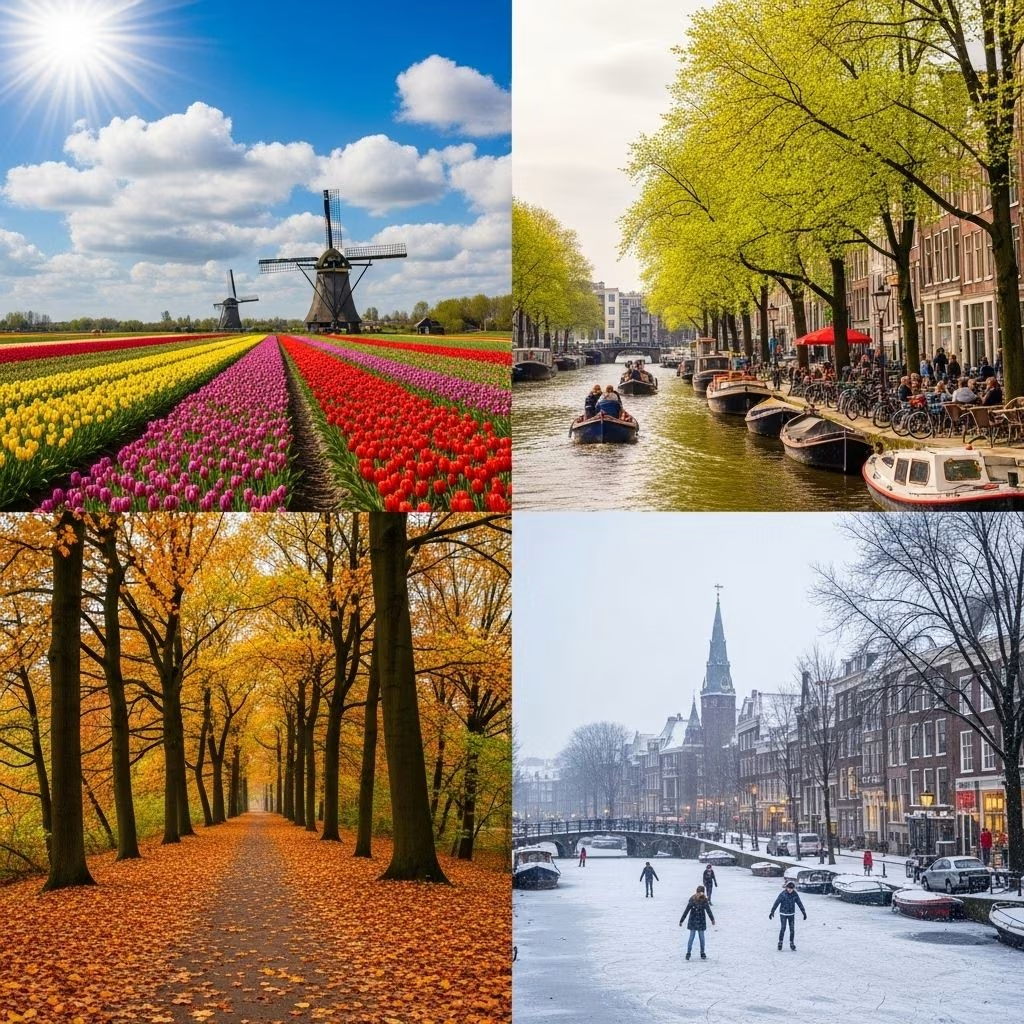
- Late March–May: Iconic tulip blooms, lively spring festivals, mild (but variable) weather.
- June–August: Warm temperatures, outdoor events, but higher tourist crowds and prices.
- September–October: Pleasantly cool, thinner crowds, autumn colors, harvest celebrations.
- November–February: Quiet cities, festive markets, bargain rates, short daylight hours, chilly weather.
Dutch Weather & Seasons Explained
The Netherlands features a temperate maritime climate influenced by the North Sea. This results in relatively mild winters, cool summers, and frequent (sometimes unpredictable) rainfall all year.
| Season | Typical Temperature | Weather Highlights |
|---|---|---|
| Spring (Mar–May) | 8–15°C (46–59°F) | Tulip blooms, fresh green countryside, variable weather |
| Summer (Jun–Aug) | 17–22°C (63–72°F) | Long days, moderate heat, showers possible |
| Autumn (Sep–Oct) | 10–17°C (50–63°F) | Mild temperatures, more frequent rain, colorful foliage |
| Winter (Nov–Feb) | 2–6°C (36–43°F) | Rare snow, drizzle and wind, festive lights |
Tip: Dutch weather is famously changeable. Carry a lightweight rain jacket or umbrella, regardless of your travel month.
Crowds & Travel Costs Through the Year
- Peak Season (April–August): Hotel and flight prices are highest. Expect big crowds at Amsterdam’s museums, Keukenhof gardens, and main city centers.
- Shoulder Seasons (March, September, October): Costs start to drop. Attractions stay open, crowds thin, and you enjoy a pleasant compromise between lively atmosphere and elbow room.
- Low Season (November–February): Bargains on accommodation and airfare. Many tourist attractions operate shorter hours or close for renovations, but urban culture and off-season festivals continue year-round.
Spring in the Netherlands: Tulips, Blooms & King’s Day
Nothing captures the Dutch spirit like springtime in the lowlands. This is the prime window for experiencing the country at its most colorful and celebratory.
- Tulip Season: From late March through early May, millions of tulips and other bulb flowers carpet gardens and fields, particularly in the regions around Lisse and the famed Keukenhof Gardens. Reserve tickets ahead and try to go midweek for fewer crowds.
- King’s Day (April 27): The entire country celebrates its royal birthday with orange-clad street parties, open-air markets, boat parades, and citywide festivities, especially wild in Amsterdam. Book accommodation well in advance if you want to experience this Dutch holiday.
- Weather: Generally cool and breezy. Sun alternates with rain, so layers help you adapt.
Spring’s Advantages:
- Iconic floral landscapes for photography and cycling.
- Outdoor cafes and markets start to pick up energy.
Spring’s Drawbacks:
- Unpredictable weather—warm one day, chilly the next.
- Tulips bloom at slightly different times each year (mainly mid-April).
Summer: Festivals, Biking & Waterfront Fun
Summer in the Netherlands buzzes with outdoor life, extended daylight, and music and cultural festivals.
- Weather: Warmest time of year (by Dutch standards), perfect for cycling, boating, picnics, and open-air markets. Coastal breezes keep things comfortable, though heat waves can occur.
- Events: Catch summer arts and music festivals in major cities, outdoor concerts in parks, and lively events by the water. The Dutch flock to beaches when it’s hot.
- Crowds: Tourism reaches its zenith, especially in July and August. Book key museums, canal tours, and popular hotels ahead of time.
Summer’s Advantages:
- Maximum daylight—enjoy sightseeing until late evening.
- Wide choice of events and activities.
- Beaches and lake resorts in full swing.
Summer’s Drawbacks:
- Popular destinations (Amsterdam, the Keukenhof, coastal villages) can feel packed.
- Prices for accommodation and travel peak.
- Last-minute availability may be scarce.
Autumn: Art, Harvests & Quieter Charms
Autumn offers an atmospheric, crowd-free way to explore Dutch culture. The season is ideal for museum visits, food lovers, and fans of laid-back canal scenery.
- Events: Amsterdam’s museums, theaters, and concert halls launch new seasons. Harvest festivals, traditional cheese markets, and wine tastings take place in the countryside. Early September often sees Outdoor Movie Nights and boat parades.
- Weather: Cooler and wetter as the months progress, but early fall often brings golden light and gentle temperatures.
- Crowds & Prices: Much reduced after the August rush. Museum lines shorten and rates for hotels and flights become more attractive.
Autumn’s Advantages:
- Peaceful city breaks, cozy cafes, and spectacular autumnal landscapes (particularly in parks and canal districts).
- Greater flexibility for last-minute travel.
Autumn’s Drawbacks:
- Daylight hours shrink steadily.
- Rainy, sometimes blustery, spells possible.
Winter: Festivities, Quiet Museums & Local Flavor
Though winter in the Netherlands is cold and the days are short, the nation compensates with illuminated city centers, Christmas markets, and a genuinely local vibe.
- Events: Christmas fairs—especially in Maastricht and Haarlem—offer Dutch sweets, mulled wine, and artisanal gifts. In December, Amsterdam glows with the annual Light Festival, featuring installations along its canals.
- Weather: Rarely freezing, but grey, chilly, and damp. Snow is infrequent but magical if it falls—a treat for ice skating on canals.
- Crowds & Prices: The lowest of the year, except for a spike during Christmas and New Year’s. Museums and indoor attractions can be enjoyed at a slower, more personal pace.
Winter’s Advantages:
- Best rates on hotels and flights.
- Unique holiday ambience and local traditions.
- Cozy city cafes and winter markets.
Winter’s Drawbacks:
- Short daylight hours (as little as 7–8 hours mid-winter).
- Some rural attractions and gardens close or limit hours.
- Stormy or rainy spells frequent.
Major Dutch Events and Festivals
The Netherlands boasts a packed events calendar spanning every season. Plan ahead if you want to experience one of these signature happenings:
- Keukenhof Gardens Opening (mid-March–mid-May): Acres of dazzling blooms and art exhibitions.
- King’s Day (April 27): Orange-filled streets, citywide parties, unique flea market tradition.
- National Liberation Day (May 5): Parades and concerts commemorate WWII liberation.
- North Sea Jazz Festival (July): Rotterdam hosts Europe’s biggest jazz event.
- Amsterdam Pride (late July–early August): Famous canal parade and LGBTQ+ celebrations.
- Heritage Days (September): Free entry to historic buildings not usually open to the public.
- Sinterklaas Arrival (mid-November): Dutch Santa makes a theatrical landing, launching winter festivities.
- Christmas Markets & Light Festival (December): Twinkling city centers and illuminated canal art.
Note: Major events (especially in Amsterdam) fill hotels fast—book months in advance if visiting during these periods.
Month-by-Month Highlights
| Month | Highlights |
|---|---|
| March | Start of tulip season, awakening countryside, occasional rain showers. Keukenhof opens. |
| April | Full tulip bloom, King’s Day parties, lengthening daylight, cool but lively. |
| May | Garden season, Liberation Day, end of tulip bloom, rising rates as summer nears. |
| June | Warmth increases, open-air cafes and events, long daylight hours. |
| July–August | Peak tourism, bustling festivals, lake and seaside getaways, best for cycling and outdoor adventures. |
| September | Milder weather, fewer tourists, harvest festivals, art events return indoors. |
| October | Autumn colors, cozy cities, lingering sunny days, reduced rates. |
| November | Quieter museums, Sinterklaas festivities begin, rainy but atmospheric cities. |
| December | Christmas markets, holiday lights, indoor concerts, occasional snow flurries. |
| January–February | Fewest visitors, lowest prices, winter sales, chance for ice skating when canals freeze. |
Travel Tips for Every Season
- Book hotels early for visits between April and August, especially if you want a canal-view room or boutique property.
- Reserve major museum and attraction tickets ahead—the Rijksmuseum, Anne Frank House, and Van Gogh Museum often require timed entry.
- Pack for variety: Even in summer, bring layers and a water-resistant jacket. Comfortable walking shoes are essential in all weather.
- Consider regional travel: Day trips to Haarlem, Leiden, the Zaanse Schans, and the cheese towns (Edam, Alkmaar) are easy by efficient Dutch trains.
- Bikes are everywhere. If you want to blend in, try a rental for part of your visit—spring and early autumn offer the best cycling conditions.
Frequently Asked Questions (FAQs)
Q: When is the best time to see tulips in the Netherlands?
A: The prime blooming period for tulips is mid-April, but the season can run from late March to early May. The Keukenhof Gardens are usually at their peak in mid-April.
Q: Is the Netherlands crowded in summer?
A: Yes, summer (especially July and August) is peak tourist season. Attractions can be crowded, and prices are highest, but it’s an excellent time for festivals and outdoor activities.
Q: Does it snow in winter in the Netherlands?
A: Snow is relatively rare and often doesn’t last, but lucky visitors in January or February might see frosted canals and enjoy some magical skating scenes if conditions permit.
Q: Are museums open year-round?
A: Most major museums in Amsterdam and other cities stay open all year, with only a few national holidays as exceptions. Some rural attractions may close or have shorter hours in winter.
Q: How far in advance should I book for King’s Day?
A: King’s Day is extremely popular—especially in Amsterdam—so book your accommodation many months in advance. Expect crowds, street parties, and a vibrant once-a-year celebration of Dutch culture.
References
- https://store.ricksteves.com/shop/p/amsterdam-guidebook
- https://www.ricksteves.com/tours/holland-belgium
- https://www.youtube.com/watch?v=xElnTAsJYAY
- https://www.youtube.com/watch?v=6MlACbdilc0
- https://www.ricksteves.com/europe/netherlands
- https://www.ricksteves.com/watch-read-listen/video/tv-show/season-8/the-netherlands-beyond-amsterdam
- https://www.ricksteves.com/watch-read-listen/video/tv-show/season-8/amsterdam
- https://store.ricksteves.com/shop/guidebooks/netherlands-belgium