Cologne: Perfume, Chocolate, and Divine Grandeur in Germany
\n\n
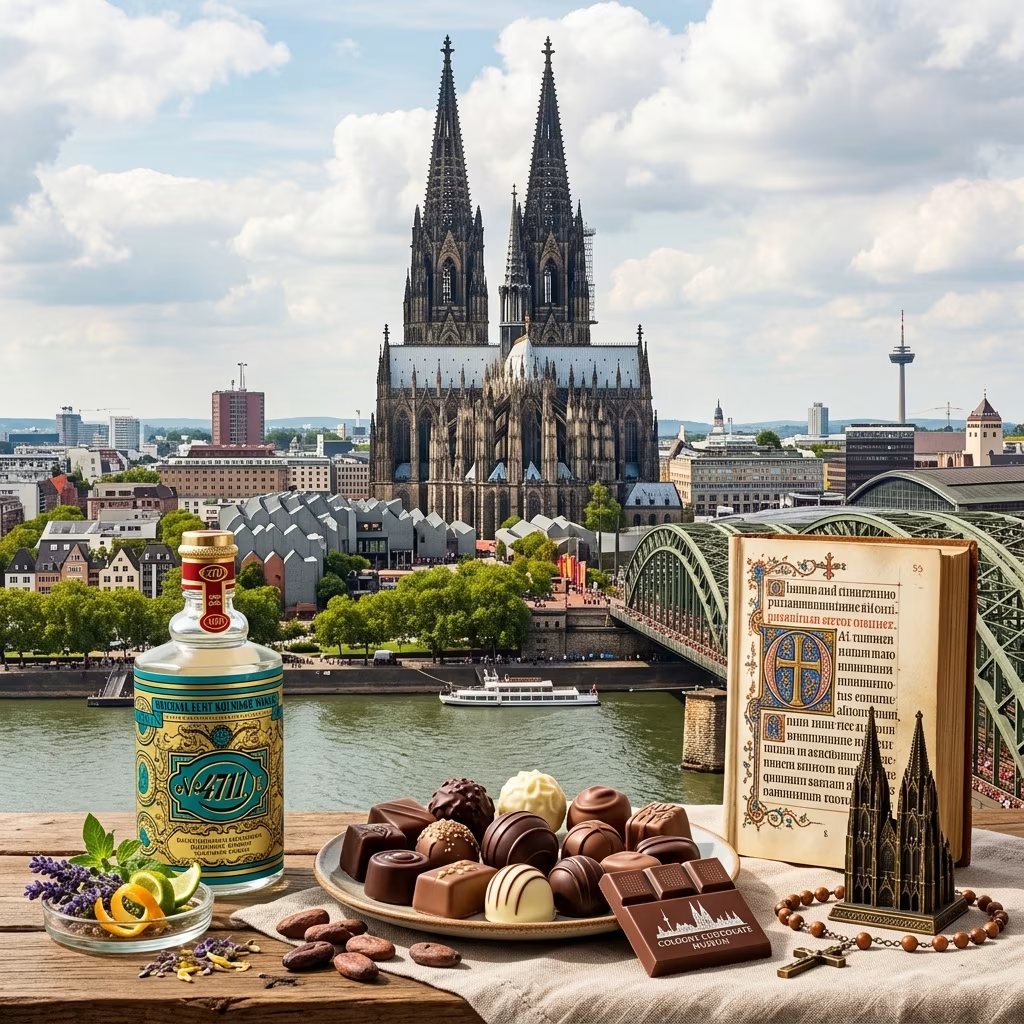
Cologne, a city where history, art, faith, and modern industry blend seamlessly, stands as one of Germany’s most engaging urban experiences. With its spectacular Gothic cathedral, vestiges of Roman grandeur, world-class museums, and singularly German contributions to perfume and chocolate, Cologne leaves visitors with a memorable slice of Germany’s dynamic spirit. Whether stopping for a few hours on a train layover or soaking in its atmosphere for days, the city rewards curiosity at every turn.
\n\n
The Heart of Cologne: A City Framed by Rails and the Rhine
\n
Cologne’s city center is compact and easily navigable, clustered around a busy rail station and perched beside the River Rhine. This central location makes it ideal for travelers making a brief stop as much as for those planning a longer cultural immersion. The first impression for many is the sheer modernity of the city—efficient, purposeful, bustling, and yet distinctly welcoming, with reminders of its deep past peeking out from street corners and museum windows.
\n\n
The Cathedral: Germany’s Gothic Masterpiece
\n
Kölner Dom—Cologne Cathedral—is more than a city landmark; it is a statement of faith and human ambition reaching to the heavens. Soaring 140 feet above the bustling square, its architecture literally dwarfs visitors—an intentional act to remind all who enter of their small place in the vast universe. Completed across centuries, the cathedral’s twin spires dominate Cologne’s skyline.
\n
- \n
- Stained Glass: The cathedral is home to an extraordinary expanse of stained glass, with panes covering the equivalent of three football fields. Sunlight passing through these windows bathes the interior in vibrant, shifting colors.
- Awe-Inspiring Scale: The sense of vertical space and the intricate gothic detail are designed to evoke both spiritual aspiration and a sense of humility.
- Main Attractions: The reliquary said to hold the bones of the Three Wise Men draws pilgrims and visitors alike; its golden craftsmanship is a testament to the cathedral’s importance during the Middle Ages.
\n
\n
\n
\n
Stepping inside is not just a visual experience—it is emotional and spiritual. The silence is thick, punctuated only by footsteps on ancient stone and the distant echo of organ music. For many visitors, the moment is transformative.
\n\n
Roman Heritage: The Roman-Germanic Museum
\n
Just beside the cathedral lies another testament to Cologne’s long and illustrious history: the Roman-Germanic Museum. Through its large windows, even the hurried traveler can peer into antiquity and spot a remarkable mosaic floor—once the centerpiece of a Roman merchant’s dining room, still in its original location. The museum itself was built around this treasure, preserving an authentic piece of daily Roman life.
\n
Inside, the museum unfolds the story of Cologne as a significant Roman outpost, centuries before the cathedral’s builders ever dreamed in stone.
\n
- \n
- Artifacts on Display: Exquisite Roman glassware, intricately worked jewelry, and expansive mosaics offer a glimpse into the sophistication of ancient life.
- Life of Dionysus: The mosaic floor depicts scenes from the life of Dionysus—vividly illustrating celebrations of wine, music, and revelry, Roman style.
\n
\n
\n
For visitors fascinated by the layering of history, the Roman-Germanic Museum provides the connective tissue between ancient civilization and modern Cologne.
\n\n
Modern Art at Museum Ludwig
\n
Next door, art lovers can step into a bold world of color and innovation at Museum Ludwig. This museum is dedicated to the art of the last century—a vivid journey through American Pop Art, post-World War II movements, and Germany’s own avant-garde. Its collections are compelling not just for their aesthetic value, but for their stories of survival and resistance.
\n
- \n
- The Haubrich Collection: The museum owes much of its core to Josef Haubrich, a Cologne collector who bravely kept his Expressionist masterpieces safe from the Nazis, who labeled such work ‘degenerate.’ After the war, Haubrich gifted the collection to the city.
- Key Artists: Masterworks by Max Beckmann, Otto Dix, and Ernst Ludwig Kirchner reflect the shattered idealism and anguish of post-World War I Germany. Kirchner, persecuted by the regime, ultimately took his own life in 1938.
- American Pop & Beyond: Works by Andy Warhol and Roy Lichtenstein bring a distinctly transatlantic flavor to the collection, contrasting German Expressionism with bold, ironic commentary on commercialism and culture.
\n
\n
\n
\n
The museum’s atmosphere is anything but staid; it crackles with energy, challenging preconceptions and celebrating artistic freedom.
\n\n
The Chocolate Museum: Decadence and Discovery
\n
For those with a sweet tooth, Cologne’s most beloved destination isn’t a church or ancient relic—it’s the famed Chocolate Museum, affectionately nicknamed the “MMMuseum.” Just a 10-minute walk from the cathedral along the Rhine’s scenic promenade, it attracts more visitors than all of the city’s other museums combined.
\n
Spread across three floors, the museum tells the delightful story of the cocoa bean: from its ancient cultivation among the indigenous peoples of Central America, through centuries of global trade, to the science and artistry of modern chocolate making.
\n
- \n
- Interactive Experiences: Watch real chocolate being made in gleaming, modern machinery. Children and adults alike are fascinated by the sensory immersion.
- Chocolate Fountain: A highlight for many, the on-site chocolate fountain lets visitors sample a taste of fresh chocolate on a crisp wafer.
- Gift Shop: The museum’s gift shop is almost as popular as the exhibits, offering an array of local and international sweet treats.
\n
\n
\n
\n
Not everyone is won over by the museum—some local critics see it as symptomatic of tourist ‘dumbing-down.’ Others simply wish there were more free samples! But there’s no doubt it serves up an indulgent and fun side of Cologne’s identity.
\n\n
The Scent of Cologne: Birthplace of Eau de Cologne
\n
From taste to scent, Cologne boasts one more signature delight: the original Eau de Cologne. The city gave its name to the world’s most famous fragrance, first created in the 18th century and still world-renowned today. At 4711 Glockengasse, you can visit the legendary shop that claims to be the birthplace of the original formula—known in Germany as Kölnisch Wasser.
\n
- \n
- Historical Roots: Eau de Cologne was originally marketed in 1810, emerging from its use as a medicine to become a fashionable perfume. Its innovative formula was based on alcohol (86%), blended with a bouquet of herbal essences.
- Fountain: Visitors can see and even smell the ‘Cologne Water’ flowing from a fountain outside the historic shop.
\n
\n
\n
The perfume quickly became an international luxury, putting Cologne literally on the map and associating the city’s name with elegance, freshness, and refinement worldwide.
\n\n
Cologne’s Old Town: Walk Through Living History
\n
Wandering Cologne’s Old Town (Altstadt), travelers absorb an ambiance shaped by centuries. Cobbled lanes wind between reconstructed medieval buildings (the city was heavily damaged during World War II but rebuilt with care and fidelity). Cafés spill onto the sidewalks, laughter and lively chatter fill the air, and the scent of brewing coffee or hearty local fare entices passersby.
\n
Key experiences in the Old Town include:
\n
- \n
- Strolling the narrow streets around the cathedral and riverfront.
- Exploring artisan and craft shops for hand-blown glass, ceramics, and more.
- Sampling a glass of Kölsch, Cologne’s signature pale ale, in a centuries-old tavern.
\n
\n
\n
\n\n
Modern Cologne: A 21st-Century Powerhouse
\n
Cologne is not just a city of history but a symbol of modern Germany: efficient, energetic, and cosmopolitan. With a population of around 1 million, it stands as Germany’s fourth-largest city and a center of media, banking, and the arts.
\n
| Aspect | Description |
|---|---|
| Population | Over 1 million |
| Industries | Media, finance, manufacturing, technology Perfume and chocolate remain local specialties |
| Transportation | Major rail hub, river port, international airport |
\n
Unlike tourist clichés of traditional Germany—lederhosen, yodeling, and beer steins—today’s Cologne is a vibrant, no-nonsense metropolis at the cutting edge of European culture and commerce. Yet, it always honors its legacy, preserving its monuments and traditions with pride.
\n\n
Quick Tours and Perfect Stopovers
\n
Thanks to its central location and efficient transport, Cologne is a favorite city for travelers passing through Germany. Even a brief stopover allows time for a concentrated dive into its greatest hits: stepping off the train into the shadow of the cathedral, peeking into museums, tasting local sweets, and taking home a bottle of legendary perfume.
\n
- \n
- Most major attractions are within walking distance of the main train station.
- An afternoon’s stroll covers centuries of history, from Roman to modern times.
\n
\n
\n
Cologne is, in short, Germany in miniature: a place where the past is present and the future is now, where divine architecture, worldly pleasures, and a zest for life combine into a city that is unmistakably unique.
\n\n
Frequently Asked Questions (FAQs)
\n
Q: What is Cologne’s most famous landmark?
\n
A: The Cologne Cathedral (Kölner Dom) is the city’s iconic symbol and a UNESCO World Heritage site, renowned for its soaring Gothic spires and intricate stained glass.
\n\n
Q: Can visitors tour the Roman-Germanic Museum for free?
\n
A: The museum requires paid entry, but its prized Roman mosaic can be viewed through large windows facing the street at no cost.
\n\n
Q: Is the Chocolate Museum suitable for children?
\n
A: Absolutely—kids enjoy the interactive chocolate-making exhibits and the sweet samples at the fountain and gift shop.
\n\n
Q: Where can you buy the original Eau de Cologne?
\n
A: The historic shop at 4711 Glockengasse remains the best place to purchase the authentic fragrance and learn about its history.
\n\n
Q: How much time do I need to explore Cologne’s highlights?
\n
A: With efficient planning, you can visit the cathedral, central museums, and enjoy a taste of chocolate or perfume in as little as half a day. More time allows deeper exploration.
\n\n
Plan Your Visit: Essential Tips
\n
- \n
- Book guided tours in advance for the cathedral to gain deeper insight and skip lines during peak times.
- Combine a museum ticket with a combo pass if you plan to visit both the Roman-Germanic Museum and Museum Ludwig.
- Indulge responsibly at the Chocolate Museum—packaged treats make perfect souvenirs.
- Wander the Old Town without a set itinerary to experience its true charm.
\n
\n
\n
\n
\n\n
Cologne, with its blend of the sacred and the sensual, offers a singular European journey—one where every sense is engaged and every corner tells a story.
References
- https://www.ricksteves.com/watch-read-listen/video/tv-show/germany-black-forest-and-cologne
- https://www.ricksteves.com/watch-read-listen/read/articles/cologne-perfume-chocolate-god
- https://www.ricksteves.com/watch-read-listen/video/tv-show/germanys-romantic-rhine-and-rothenburg
- https://www.ricksteves.com/europe/germany/cologne
- https://community.ricksteves.com/travel-forum/germany/what-s-there-to-see-and-do-in-koln-other-than-the-cathedral
- https://www.ricksteves.com/watch-read-listen/read/articles
- https://www.ricksteves.com/watch-read-listen/video/tv-show/european-travel-skills-part-1
- https://www.ricksteves.com/watch-read-listen/read/articles/offbeat-europe