The Best Time to Visit Tuscany
Tuscany stands as one of Italy’s most celebrated regions, famous for its rolling hills, medieval towns, world-class art, and delectable cuisine. Deciding when to visit is a crucial step to making your journey memorable – from warm spring days filled with blooming wildflowers to the festive grape harvests of autumn. This guide outlines the pros and cons of each season, details Tuscany’s hallmark events, and equips you with travel tips for every phase of the year.
Understanding Tuscany’s Seasons
The climate in Tuscany is generally mild, but each season offers a distinctive atmosphere, pricing, and experience.
| Season | Temperature Range | Typical Weather | Travel Highlights |
|---|---|---|---|
| Spring (April–May) | 13°C–22°C / 55°F–72°F | Mild, blossoms, occasional rain | Wildflowers, fewer crowds, Easter festivities |
| Summer (June–August) | 18°C–32°C / 65°F–90°F | Hot, dry, sunny | Long days, cultural events, midsummer festivals |
| Autumn (September–October) | 15°C–26°C / 59°F–79°F | Warm, golden light, occasional rain | Grape harvest, food festivals, ideal for wine tours |
| Winter (November–March) | 6°C–15°C / 43°F–59°F | Cool, wet, foggy | Peaceful towns, holiday markets, lower prices |
Spring in Tuscany: Awakening Countryside
April and May mark the arrival of spring in Tuscany, transforming the landscape with vibrant wildflowers and lush greenery. Temperatures are comfortable, ranging between 13°C and 22°C (55°F–72°F), making it pleasant for hiking, biking, and sightseeing.
- Fewer tourists, which means less crowded museums and attractions.
- Easter celebrations, especially in Florence and smaller towns.
- Cheaper accommodation and better access to local sites.
Keep in mind scattered showers; pack layers and a light rain jacket.
Summer: The High Season
During June through August, Tuscany enters full tourist swing. Expect long, sunny days and balmy temperatures, often rising above 30°C (86°F), especially in July and August.
- Peak festival season: Open-air concerts, town fairs, and historic pageants.
- Cultural events: The renowned Palio di Siena and other spectacles bring towns alive.
- Best time for exploring the Tuscan coast or cooling off in hill towns.
Note that cities like Florence can be especially warm, with many locals closing shop and heading for the seaside in August. Booking ahead is critical.
Autumn: Golden Harvest and Wine
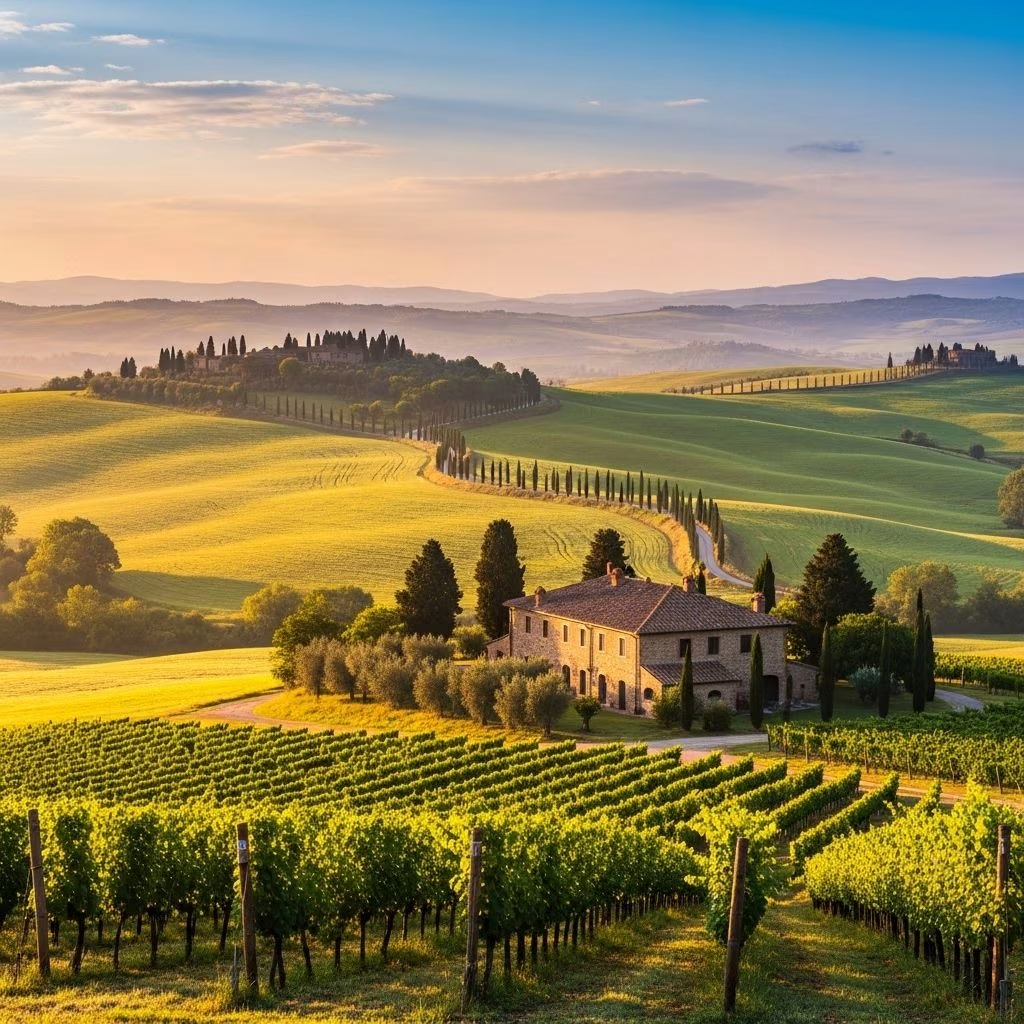
September and October usher in arguably Tuscany’s most enchanting atmospheres. The countryside glows with autumnal colors, and villages buzz with anticipation of the grape and olive harvests.
- Wine and food festivals are abundant, providing an opportunity to taste local produce.
- Mild temperatures and fewer crowds compared to summer.
- Scenic drives through the Val d’Orcia and Chianti regions, dotted with vines and heavy-laden olive groves.
This is prime time for culinary enthusiasts and anyone keen to experience authentic Tuscan traditions.
Winter: Quiet Beauty and Low Prices
The off-season runs from November through March. Days are shorter and wetter; expect colder temperatures in the hills. However, winter has its own allure for those seeking deeper immersion.
- Lower travel costs for accommodation, flights, and rentals.
- Local holiday markets, such as Christmas celebrations in Siena and Florence.
- Peace and quiet, perfect for enjoying art, museums, and local life without crowds.
Note: Some rural hotels and agriturismos (farm stays) may close for the season; verify opening periods in advance.
Major Tuscan Events and Festivals
Tuscany is home to vibrant festivals celebrating art, history, and agriculture. Timing your trip around these events offers immersion in local traditions.
- Palio di Siena (July & August): A thrilling horse race around Siena’s Piazza del Campo, blending medieval pomp with neighborhood loyalty.
- Florence’s Scoppio del Carro (Easter): The “Explosion of the Cart” fireworks display in front of the Duomo, symbolizing rebirth.
- Wine Harvest Festivals (September–October): Towns like Montepulciano, Chianti, and Montalcino host tastings, music, and parades.
- Lucca Summer Festival: A series of major concerts hosted within Lucca’s historic walls.
- Olive Oil Festivals (late autumn): Villages across Tuscany showcase new-pressed oils with tastings and market stalls.
Where to Go in Tuscany: Top Destinations
Every season offers something special across Tuscany’s diverse towns and landscapes. Here are perennial favorites:
- Florence: Renowned for its Renaissance architecture and museums. Ideal year-round, but especially beautiful in spring and autumn.
- Siena: Famous for its medieval cityscape and vibrant summer Palio.
- Lucca: A charming walled city best enjoyed by strolling or renting a bike.
- Pisa: Beyond the Leaning Tower, explore its lively university scene; perfect as a day trip.
- Hill Towns: San Gimignano, Volterra, Montepulciano, Pienza, and Cortona retain authentic Tuscan charm, particularly during shoulder seasons.
- The Chianti Region: Visit for wine roads and picturesque countryside, especially appealing during harvest.
Travel Tips for Each Season
- Spring: Book countryside accommodations early, as demand rises around Easter. A light rain jacket and layered clothing are recommended.
- Summer: Reserve museums and popular attractions in advance. Carry water, sunblock, and dress for heat. Be mindful of August business closures.
- Autumn: Plan wine tours and harvest events ahead; pack warm clothing for cool evenings.
- Winter: Check opening times for sights and farmhouses; prioritize indoor attractions and enjoy lower prices.
Sample Itinerary Ideas
Tuscany’s location and rail network make it easy to combine countryside relaxation with day trips to artistic hubs.
- Florence & Siena: Allocate 3–4 days in both cities to immerse in history and cuisine.
- Hill Town Drives: Rent a car for a scenic loop through Val d’Orcia, Montepulciano, Pienza, and Montalcino, especially in autumn.
- Coastal Tuscany: Ideal in summer, with beaches and seaside towns rarely overcrowded.
- Holiday Season: Focus on local markets, festive concerts, and cozy trattorias.
Frequently Asked Questions (FAQs)
When is the cheapest time to visit Tuscany?
Winter (November through March) sees reduced prices for hotels and taxis, though some venues may close or limit their hours.
Is summer too crowded in Tuscany?
July and August bring peak tourist numbers, especially in Florence and Siena. Advance reservations and early exploration are recommended.
Are festivals worth planning a trip around?
Absolutely. Events like the Palio di Siena and grape harvests offer unique cultural immersion and excitement for all ages.
Can I tour Tuscany without a car?
Major cities are well connected by train and bus. A car greatly enhances rural exploration, especially for visiting hill towns and vineyards.
What should I pack for a trip to Tuscany?
- Comfortable walking shoes for cobbled streets and uneven terrain.
- Layered clothing suitable for changeable weather.
- Sun hat, sunblock, and water bottle for summer.
- Warm jacket and umbrella for winter months.
Final Tips for a Memorable Tuscan Adventure
- Book in advance, especially during festivals and holidays.
- Consider agriturismo stays (farm-based accommodations) for authentic rural experiences.
- Try local markets for fresh produce and artisanal goods.
- Take time to explore less-visited villages for a peaceful slice of Tuscan life.
The splendors of Tuscany await throughout the year. By understanding the seasonal nuances, local events, and travel tips outlined here, you can craft an unforgettable journey tailored to your interests and the authentic spirit of Italian life.
References
- https://store.ricksteves.com/shop/p/florence-guidebook
- https://www.ricksteves.com/tours/italy/tuscany
- https://www.youtube.com/watch?v=VUTZ9nE7_XQ
- https://www.ricksteves.com/europe/italy/tuscany
- https://www.ricksteves.com/europe/italy/tuscany-itinerary
- https://www.ricksteves.com/watch-read-listen/video/tv-show/tuscany-dolce-vita
- https://www.ricksteves.com/watch-read-listen/video/travel-talks/tuscany
- https://www.ricksteves.com/watch-read-listen/video/tv-show/siena-tuscany-wine-country
- https://www.youtube.com/playlist?list=PL2203FB5B8E4D4D99
- https://www.ricksteves.com/watch-read-listen/read/articles/hill-towns-of-central-italy