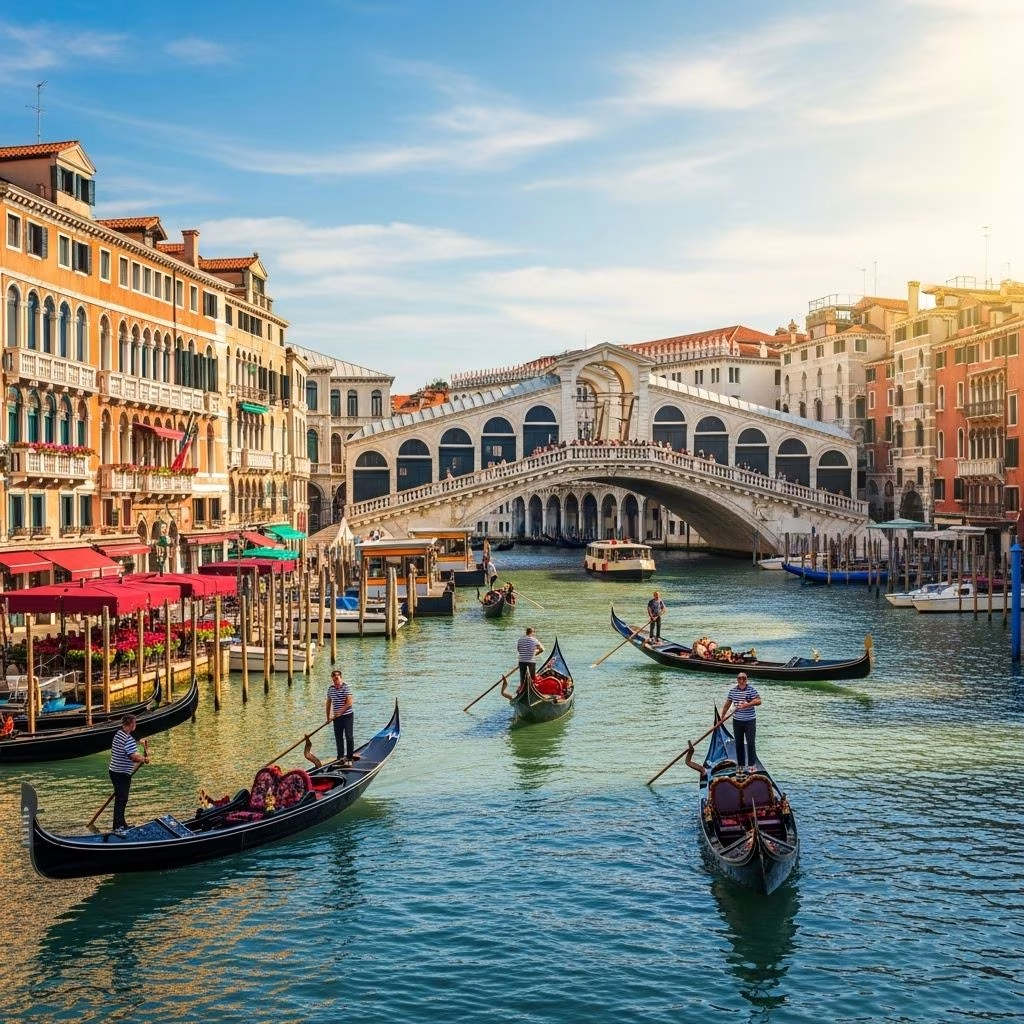
Best Time to Visit Venice: A Comprehensive Seasonal Guide
Venice, the enchanting city of canals and timeless beauty, offers a dramatically different travel experience depending on when you visit. From the bustling days of summer to peaceful misty mornings in off-season months, every season has its unique charm. Whether you seek art, tranquility, cultural festivals, or simply want to avoid the crowds, choosing the right time makes all the difference for an unforgettable Venice journey.
Venice Season by Season
Understanding Venice’s seasonal rhythms helps you experience the city at its best. Here’s a detailed breakdown of what each season brings to La Serenissima:
Spring (March to May)
- Weather: Mild temperatures and blooming gardens. Days are longer and the city awakens from its winter hush.
- Crowds: Moderate, though Easter and spring festivals can see spikes in tourism.
- Events: Art exhibitions begin, and outdoor cafes reopen, bringing vibrancy to squares like Piazza San Marco.
- Pros: Ideal for photography, strolling, and canal rides. Less humidity and pleasant walking conditions.
Summer (June to August)
- Weather: Warm to hot, often humid. Peak temperatures from late June through August.
- Crowds: Highest of the year. Expect large numbers of tourists during the day, especially along main routes between the Rialto Bridge and St. Mark’s Square.
- Events: Major festivals like the Festa del Redentore (mid-July) and the colorful Historical Regatta (early September).
- Cons: Long lines for attractions; hotels and restaurants are most expensive.
- Tip: Escape the crowds by exploring early in the morning or late evening, when Venice regains its serenity.
Fall (September to November)
- Weather: Refreshingly cool. September often retains summer’s warmth, with increasingly crisp air come October and November.
- Crowds: Moderate, especially after the summer holidays. Cheaper accommodation and more breathing space around landmarks.
- Events: The Venice International Film Festival takes place in early September, drawing celebrities and cinephiles worldwide.
- Pros: Brilliant autumn hues, romantic mist on canals, and lively cultural calendar.
- Cons: Occasional high water or acqua alta (flooding) most likely in November.
Winter (December to February)
- Weather: Chilly and damp. Early mornings can bring magical, photogenic fog.
- Crowds: Lowest of the year except during Carnival (usually February).
- Events: Carnival transforms Venice with masquerade balls, lively streets, and artistic flair.
- Pros: Lower hotel rates, quiet alleys, and a contemplative atmosphere ideal for slow exploration.
- Cons: Some attractions operate shorter hours or close for restoration.
- Tip: Pack warm, waterproof layers and enjoy a coffee in a cozy café while watching the city’s misty magic unfold.
Venice Crowds: When and How to Avoid Them
Venice’s popularity means its most iconic spots can get extremely congested, especially midday. Timing your sightseeing around the crowds is essential for a more authentic experience:
- Early Morning and Late Evening: These are Venice’s quietest hours, with empty alleys and tranquil squares. Strolling along canals at sunrise or after sunset often reveals the city’s haunting, poetic beauty.
- Stay Overnight: Day-trippers typically leave by early evening. By spending at least one night, you can enjoy peaceful evenings and serene mornings.
- Explore Beyond the Hotspots: Wander off the main thoroughfares connecting the Rialto Bridge and St. Mark’s Square. Charming neighborhoods like Dorsoduro, Cannaregio, and Castello offer a more local flavor with fewer crowds.
- Visit Major Sights in Off-Hours: Plan key sights (like the Doge’s Palace and Basilica di San Marco) for opening or late closing times to reduce wait and crowds.
According to Rick Steves, even the busiest parts of Venice are almost eerily quiet just after sunrise or after sunset—ideal for spectacular photos and peaceful reflection.
Weather and Climate: What to Expect
Venice’s weather patterns follow typical northern Italian trends but with unique challenges due to its lagoon setting.
- Summer: Can reach 30°C (86°F) or higher, with humidity and occasional thunderstorms.
- Winter: Temperatures average around 0–7°C (32–45°F). Fog is common and adds an ethereal quality to the cityscape.
- Rainfall: Most frequent in late spring and especially in autumn. Carry waterproof clothing and footwear, especially in November when acqua alta is possible.
Pack layers for unpredictable shifts and always bring comfortable, waterproof shoes (those elegant Venetian bridges mean lots of steps and slippery stone).
Venice’s Major Festivals and Events
Venice’s cultural calendar is studded with famous festivals that attract visitors from around the world. Planning around these can lead to an exceptional or exceptionally crowded visit, depending on your preferences.
- Carnival (February): Famous for costumed parades and elegant masked balls.
- Festa del Redentore (mid-July): A colorful church celebration featuring fireworks and a floating bridge.
- Historical Regatta (early September): Traditional gondola races, pageantry, and local participation.
- Venice International Film Festival (late August–early September): Attracts international celebrities and film aficionados.
Note: On major festival days, hotel prices and visitor numbers soar, so book well in advance and be prepared for crowds at every turn.
Costs: When Is Venice Most and Least Expensive?
- Peak Costs (May–September, Carnival): Expect highest prices on hotels, restaurants, and attractions.
- Midrange Costs (April, October): More affordable, especially with early booking.
- Bargain Period (November–March, except Carnival): Lowest hotel and airfare rates. Many shops discount merchandise, and some attractions offer off-season ticket deals.
To save money in Venice:
- Travel in the shoulder or off-season.
- Book accommodation several months ahead for best choice and rates.
- Consider staying in less-touristed neighborhoods for local prices and hidden gems.
- Eat where locals eat—try osterie and bacari (Venetian wine bars).
Essential Practical Tips for Visiting Venice
- Stay Longer, See More: Venice rewards travelers who linger past day-tripper hours. Enjoy a leisurely dinner, evening music, or a nighttime gondola ride when the city feels magical.
- Consider the Vaporetto: Take early-morning or late-night water bus rides for stunning views of the Grand Canal—especially memorable in the mist.
- Book Major Sights in Advance: Reserve tickets online for St. Mark’s Basilica, the Doge’s Palace, and special exhibitions, especially in high season.
- Dress for the Elements: Waterproof shoes are essential year-round; layers are key from autumn to spring.
- Embrace Venice After Dark: After day-visitors leave, the streets, bridges, and squares regain their timeless ambiance. Attend a jazz club, wander Dorsoduro, or simply watch the sunset from a quiet canal.
- Morning Markets: Visit the Rialto fish market early for local culinary color and a vibrant start to your day.
Sample Itinerary: Making the Most of Your Time
Venice can be explored at multiple paces; here’s a sample two-day itinerary based on expert recommendations:
| Time | Day 1 Highlights | Day 2 Highlights |
|---|---|---|
| 09:00 | Ride the Campanile for panoramic city views | Rialto Market action, photos with early light |
| 10:00 | St. Mark’s Square & glassblowing demo | Stroll San Polo to Frari Church |
| 11:00 | Walk to the Rialto Bridge off main routes | Tour Frari Church or follow audio tours |
| 12:00–14:00 | Lunch; Correr Museum tour | Lunch in Dorsoduro & explore artistic districts |
| 15:00 | Visit St. Mark’s Basilica (reserve in advance) | Ca’ Rezzonico and/or Accademia Museum (art lovers) |
| 17:00–20:00 | Doge’s Palace, early dinner, sunset gondola ride | Cicchetti pub crawl, evening music or gondola ride |
| Night | Drinks with music in St. Mark’s Square | Concert, relaxed stroll, or explore lagoon islands |
For longer stays, consider boat trips to the lagoon islands of Murano (glassmaking), Burano (colorful houses and lace), and Torcello (ancient churches), or indulge in additional museums and neighborhood walks.
Choosing Your Accommodation
Venice offers a range of overnight options, from historic palazzi hotels to intimate guesthouses and stylish apartments. For a more peaceful stay and better rates:
- Book well in advance during high season and festivals.
- Consider neighborhoods like Cannaregio, Dorsoduro, or Santa Croce for tranquility and local color.
- Check if your hotel offers canal views or is near key vaporetto stops for easier luggage handling.
Spending the night is the key to unlocking Venice’s quieter, more romantic soul.
Frequently Asked Questions (FAQs)
Q: What’s the absolute best month to visit Venice?
A: April, May, September, and October are considered prime times—balancing pleasant weather with milder crowds and manageable costs.
Q: Should I worry about flooding in Venice?
A: Flooding, or acqua alta, is most common in late autumn through early winter. Elevated walkways are installed and most disruption is minor, though waterproof footwear is advised.
Q: Is Venice a good destination in winter?
A: Absolutely—for travelers who relish a quieter experience, atmospheric fog, and lower prices. Carnival, usually in February, is the exception, drawing global crowds.
Q: What’s the best way to see Venice with fewer crowds?
A: Early mornings and late evenings are quietest. Staying overnight lets you experience Venice at its most peaceful. Exploring beyond the main tourist stretches also rewards with authentic discoveries.
Q: Do I need advance tickets for Venice’s attractions?
A: Booking ahead for St. Mark’s Basilica, Doge’s Palace, and popular museums is highly recommended during busier months.
Final Tips: Savoring the Magic of Venice
- Let yourself get lost: Some of Venice’s greatest charms are tucked away in back alleys and hidden campos (squares).
- Taste local flavors: Indulge in fresh seafood, cicchetti (small plates), and memorable Venetian wines.
- Embrace the pace: Slow down, savor the atmosphere, and let Venice reveal her secrets at every turn.
Venice has a different rhythm each season—choose yours wisely, and the city will reward you with lifelong memories.
References
- https://www.explore.com/1563431/rick-steves-how-to-avoid-crowds-trip-venice-italy/
- https://www.ricksteves.com/europe/italy/venice-itinerary
- https://www.ricksteves.com/watch-read-listen/read/articles/sightseeing-at-dawn
- https://community.ricksteves.com/travel-forum/italy/venice-must-do-s-and-tips
- https://www.ricksteves.com/travel-tips/trip-planning/timing-your-trip
- https://www.ricksteves.com/watch-read-listen/video/travel-talks/venice
- https://www.ricksteves.com/watch-read-listen/video/tv-show/venice-city-of-dreams