Switzerland: An Introduction
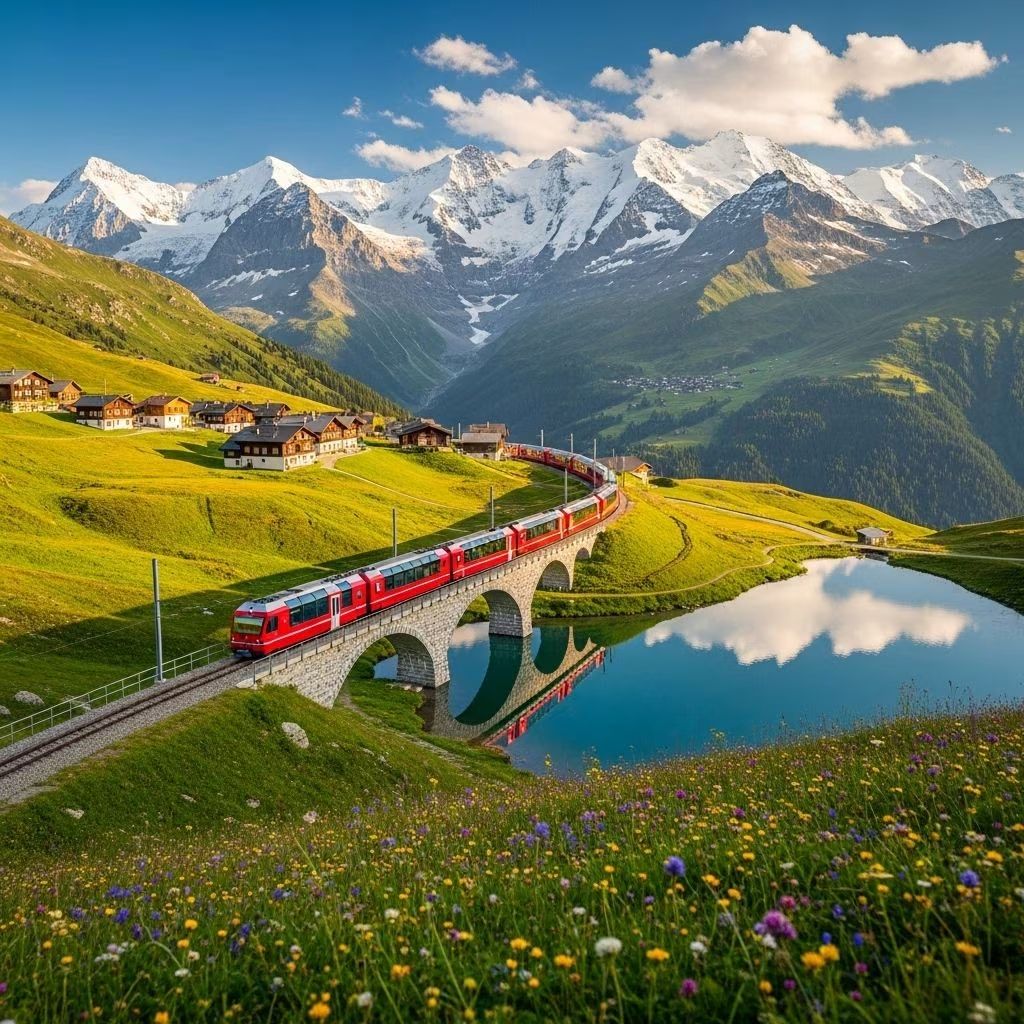
Switzerland, famed for its breathtaking Alpine peaks, glistening lakes, and storybook villages, is a haven for travelers seeking natural beauty and vibrant culture. From world-class rail journeys weaving through mountains to medieval cities buzzing with life, the Swiss experience combines outdoor adventure, diverse cuisine, and centuries-old traditions in a uniquely efficient and hospitable nation. Whether you’re looking to hike above the clouds, ride legendary trains, or savor chocolate and cheese in their homeland, Switzerland promises an adventure unlike any other.
Why Visit Switzerland?
- Alpine Scenery: Explore some of Europe’s highest and most dramatic mountains, from the iconic Matterhorn to the rolling green pastures of Appenzell.
- Efficient Transportation: World-renowned trains, boats, and cable cars make even remote locations accessible and scenic.
- Rich Cultural Diversity: Experience the distinct German, French, and Italian regions, each with their own language, traditions, and food.
- Outdoor Adventure: Hiking, skiing, mountain biking, and more await year-round.
- Safe & Clean: Consistently ranked among the world’s safest and cleanest countries.
Main Regions & Destinations
Berner Oberland
The quintessential Swiss Alps, where lush valleys are ringed by towering, snow-capped mountains. Notable highlights include:
- Lauterbrunnen Valley: A glacial valley flanked by sheer cliffs and dotted with 72 waterfalls. Picture-perfect villages like Lauterbrunnen, Wengen, and Mürren offer access to some of the most scenic hiking and cable car routes in the country.
- Gimmelwald & Mürren: Charming car-free hamlets ideal for slowing down and soaking in Alpine beauty.
- Interlaken: A lively hub nestled between lakes Thun and Brienz—perfect for adventure sports and hopping to Jungfrau region attractions.
Bern
Switzerland’s capital city, Bern, boasts an immaculately preserved medieval old town with arcaded streets, a clock tower, and rose gardens. Its historic charm mixes with vibrant markets, excellent museums, and riverfront walks.
Murten and Avenches
Step back in time with the walled town of Murten, set along a picturesque lake, and Avenches, famed for its Roman amphitheater and ruins.
Luzern and Nearby
- Lucerne: Famous for its covered wooden Chapel Bridge and medieval old town set alongside Lake Lucerne, with panoramic mountain vistas.
- Mount Pilatus & Mount Rigi: Take mountain railways and cable cars to these stunning peaks for sweeping views and excellent hiking above the lake.
Zürich
Switzerland’s largest city is a lively blend of historic neighborhoods, modern art galleries, and revitalized industrial districts. Stroll along the Limmat River, explore Lake Zürich, and sample world-class shopping and dining.
Appenzell and Nearby
- Appenzell: A region known for its rolling meadows, uniquely Swiss customs, and colorful houses. Visit Ebenalp for dramatic cliffside hikes and the Wildkirchli caves.
- Liechtenstein: The diminutive neighboring principality can be visited on a day trip from Appenzell—Vaduz offers a castle-topped capital with its own unique culture.
Zermatt and the Matterhorn
Set at the foot of the iconic, pyramid-shaped Matterhorn, Zermatt is a car-free resort offering year-round hiking and skiing. High-mountain cableways provide access to glacier views, wildflower meadows, and the famous Gornergrat cog railway.
Lake Geneva and French Switzerland
- Lausanne: A lakeside city with a lively old town, Olympic Museum, and vibrant nightlife.
- Montreux & Château de Chillon: The “Swiss Riviera”, home to jazz festivals, palm-lined promenades, and the romantic Chillon Castle jutting into Lake Geneva.
- Gruyères: Medieval charm meets culinary tradition in Gruyères, famous for its cheese and fairy-tale setting.
Lugano and Italian Switzerland
Set on the shores of Lake Lugano, this Italian-speaking corner features palm trees, elegant boulevards, bustling piazzas, and a Mediterranean flair within the Alps.
Upper Engadine and Nearby
- Pontresina, Samedan, St. Moritz: In the scenic Upper Engadine valley, glitzy St. Moritz offers luxurious resorts, while Pontresina and Samedan charm with tranquil mountain atmospheres. This region is a hub for hiking, winter sports, and rail journeys.
Scenic Rail Journeys
Switzerland is home to some of the world’s most spectacular train journeys, making rail travel a highlight of any visit.
- Golden Pass: Linking Montreux and Lucerne, this route traverses chocolate-box villages, sparkling lakes, and Alpine meadows.
- Gotthard Panorama Express: Combine a steamer boat ride on Lake Lucerne with a panoramic rail trip through the Alps to Lugano, offering classic Swiss vistas and historical tunnels.
- Bernina Express: A UNESCO World Heritage route running from Chur to Tirano (Italy), with spiraling viaducts, glaciers, and high alpine crossings.
- Glacier Express: The legendary “slowest express train in the world” traverses between Zermatt and St. Moritz, crossing 291 bridges and 91 tunnels with panoramic windows for breathtaking views.
Switzerland in Winter
- Top Winter Destinations: Zermatt, St. Moritz, Grindelwald, and Verbier become bustling ski resorts, while Lucerne and Bern sparkle with festive lights.
- Winter Activities: Beyond skiing and snowboarding, visitors can enjoy tobogganing, snowshoeing, ice skating, and scenic winter hiking trails.
- Christmas Celebrations: Traditional markets, glowing decorations, and seasonal treats such as mulled wine and gingerbread turn Swiss towns into wonderlands.
Planning Your Trip to Switzerland
The Best Itinerary: Two Weeks by Train
| Day | Destination | Highlights |
|---|---|---|
| 1 | Zürich to Appenzell | Pastoral landscapes, local traditions |
| 2 | Appenzell & Ebenalp | Hikes, caves, mountain views |
| 3 | To Luzern | Chapel Bridge, lakeside strolls |
| 4 | Luzern | Explore the city, Mount Pilatus or Rigi |
| 5 | To Lugano | Gotthard Panorama Express, lakeside beauty |
| 6 | Bernina Express to Upper Engadine | Panoramic rail views |
| 7 | Upper Engadine | St. Moritz, scenic villages |
| 8 | Glacier Express to Zermatt | Amazing valleys, glacier views |
| 9 | Zermatt | Matterhorn, hiking, alpine lifts |
| 10 | Zermatt/Lausanne | Flexible based on weather |
| 11 | Golden Pass to Lauterbrunnen | Waterfalls, valley walks |
| 12 | Lauterbrunnen Valley | Alpine hikes, cable cars |
| 13 | Lauterbrunnen Valley | Explore more trails |
| 14 | Bern & Zürich | Historic sightseeing |
| 15 | Zürich or Departure | City time, fly home |
When to Go
- Spring (April–June): Mild weather, blooming meadows; before the summer crowds arrive.
- Summer (July–September): Prime time for hiking, mountain railways, and festivals; peak tourist season.
- Autumn (September–October): Colorful foliage, wine harvests, and fewer visitors.
- Winter (December–March): Best for winter sports and Christmas festivities.
Outdoor Adventures
- Hiking: From gentle valley strolls to challenging summit hikes, thousands of kilometers of signed trails crisscross the country, accessible via cable cars and trains.
- Scenic Lifts: Dozens of funiculars and cableways whisk you to panoramic viewpoints with little effort.
- Cycling and Mountain Biking: Explore rolling countryside, lakeshores, and alpine paths.
- Skiing and Snow Sports: World-famous slopes beckon in Zermatt, St. Moritz, the Jungfrau region, and beyond.
Swiss History, Culture, and Cuisine
Switzerland is a tapestry of languages, customs, and traditions. Here’s what to look for:
- Languages: Swiss German, French, Italian, and Romansh; each region’s identity shines through its daily life, signage, and cuisine.
- Democracy and Neutrality: From independence in the Middle Ages to its renowned neutrality, Switzerland’s political culture is distinct and stable.
- Cheese and Chocolate: Sample local specialties like fondue, raclette, and a medley of artisanal chocolates.
- Wine and Beer: Vineyards flourish in the Lake Geneva region and Valais, producing crisp whites and delicate reds. Try local brews and liqueurs as well.
Essential Practical Tips
- Getting Around: The Swiss Travel Pass offers unlimited use of trains, buses, boats, and many lifts—ideal for visitors planning to cover several regions.
- Trip Planning: Book mountain hotels and popular train journeys in advance during peak months. Use weather forecasts to time your outdoor activities.
- Money and Communication: Switzerland uses the Swiss franc (CHF). Credit cards and contactless payments are widely accepted, but small towns may prefer cash.
- Language Survival: Basic phrases in German, French, and Italian are welcomed by locals, especially in rural areas.
- Accommodations: A vast range, from lakeside resorts to cozy mountain inns and hostels; city hotels often fill early in summer and during festivals.
- Health and Safety: Switzerland’s water is safe to drink; its medical care is excellent. Carry basic travel insurance.
Highlights for Foodies and Culture Lovers
- Visit a local cheesemaker in the Gruyères region or sample Alp cheese in mountain huts.
- Tour a chocolate factory, or join a chocolate-making workshop in cities like Zurich or Geneva.
- Participate in a Lavaux wine tasting by Lake Geneva or enjoy Ticino’s Italian-inspired cuisine with lake views in Lugano.
Frequently Asked Questions (FAQs)
Q: What is the best way to travel between Swiss destinations?
A: Switzerland’s integrated network of trains, cable cars, and boats is the most efficient and scenic way to travel between cities and alpine regions. The Swiss Travel Pass is recommended for flexibility and savings.
Q: When is the best time to visit Switzerland for outdoor activities?
A: Summer (June to September) is prime for hiking, biking, and rail journeys through open passes, while December to March is best for skiing and snow sports.
Q: Do I need to speak German, French, or Italian to get by?
A: English is widely spoken in tourist areas, but learning a few words in the regional language is greatly appreciated. Signs and info are often multilingual.
Q: What are some must-try foods in Switzerland?
A: Don’t miss cheese fondue, raclette, rösti, Swiss chocolate, and fresh pastries. Each region has its own specialties—try meringue with cream in Gruyères or polenta in Ticino.
Q: Is Switzerland expensive?
A: Switzerland is known for its high cost, but smart planning—picnic lunches, multi-use rail passes, and off-peak lodging—can help stretch your budget.
Summary: The Swiss Experience Awaits
Switzerland invites you to discover its dramatic mountains, sparkling lakes, and cultural gems, whether you travel by scenic train, hike panoramic trails, or sample the best chocolate in the world. With careful planning and a taste for adventure, your Swiss journey will be unforgettable, from bustling cities to tranquil hamlets on the roof of Europe.
References
- https://store.ricksteves.com/shop/p/switzerland-guidebook
- https://www.ricksteves.com/tours/switzerland/best-switzerland-tour
- https://www.ricksteves.com/europe/switzerland/itinerary
- https://www.youtube.com/watch?v=4pogp2TrP5I
- https://www.ricksteves.com/europe/switzerland
- https://www.ricksteves.com/watch-read-listen/video/tv-show/swiss-alps
- https://www.ricksteves.com/watch-read-listen/video/tv-show/great-swiss-cities
- https://community.ricksteves.com/travel-forum/trip-reports/our-magical-trip-to-switzerland
- https://www.tripadvisor.com/ShowTopic-g188045-i336-k13831165-Do_you_concur_with_the_Rick_Steves_itinerary-Switzerland.html