Czech Byways: Treasures Beyond Prague
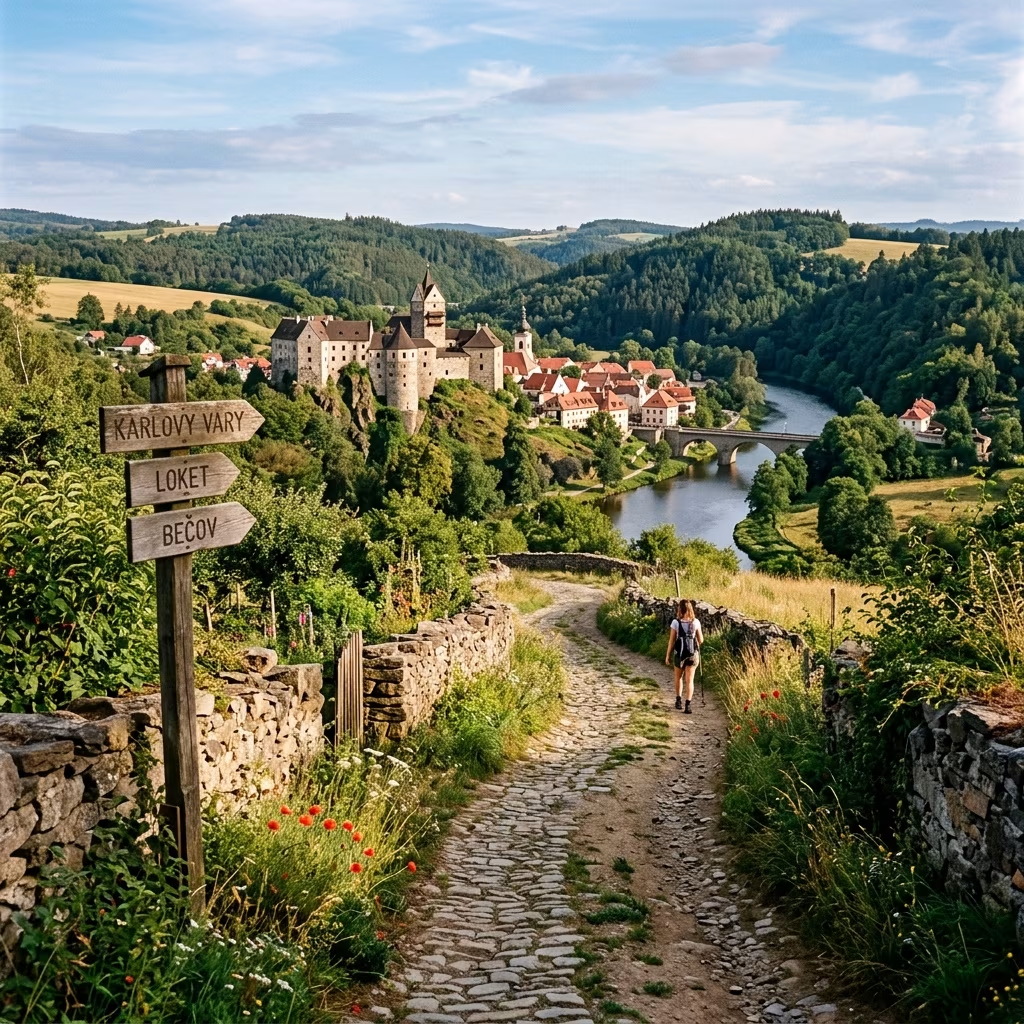
While Prague dazzles with its gothic spires and cobbled lanes, the true heartbeat of the Czech Republic lies scattered across its countryside, in towns and villages that brim with history, culture, and traditions untouched by mass tourism. For those who stray from the crowded capital, the Czech byways offer friendly hospitality, excellent value, and a compelling look into the nation’s complex past and vibrant present.
Třeboň: The Heart of Czech Spa Culture
Třeboň, nestled in southern Bohemia, is a picturesque town bordered by a patchwork of fishponds, lush forests, and ancient peat bogs. Known for its long-standing tradition of spa therapy, Třeboň’s healing mud baths have drawn visitors since the 19th century. Stroll its pastel-hued Renaissance square, lined with arcades, and you’ll witness a serene slice of Czech life—locals enjoying outdoor cafes, cyclists pausing for hearty smoked carp, and traditions preserved through generations.
- Mud Baths: Třeboň’s spas offer therapeutic peat treatments, believed to soothe joints and rejuvenate weary travelers.
- Fishponds: The system of ponds—some centuries old—form part of Europe’s largest artificial lake district, vital to the region’s carp industry.
- Architectural Heritage: Admire baroque and Renaissance buildings, as well as the iconic Třeboň Castle.
Třebíč: Preserved Jewish Heritage and Artisan Revival
Třebíč, located in Moravia, stands as a testament to the resilience and diversity of Czech history. Its Jewish Quarter, once threatened by Communist redevelopment, survived thanks to unstable ground thwarting high-rise plans. Today, this neighborhood flourishes as an artisan haven, home to blacksmiths and chocolatiers, and is protected as the largest preserved Jewish quarter in Europe.
- Jewish Quarter: Narrow alleys, intact synagogues, and restored homes create a living museum of Central European Jewish life.
- Cemetery: Dating to 1631, the immersive cemetery blends simple and elaborate gravestones, reflecting shifting eras and Jewish assimilation. Sprawling ivy and wild strawberries cover roughly 4,000 stones.
- Artisan Revival: After decades of decline, Třebíč’s Jewish neighborhood is alive again, with craft workshops and cheerful markets.
Olomouc: Culture, Squares, and Quiet Beauty
The university town of Olomouc offers grand squares that, despite their splendor, remain remarkably free from tour groups. Baroque fountains and the Holy Trinity Column bear witness to the city’s artistic and religious legacy. Here, you’ll find friendly pubs, vibrant student energy, and unique regional delicacies—most notably Olomouc’s famously pungent cheese.
- Stately Squares: Visit Upper Square and Lower Square, both adorned with impressive fountains and statuary.
- Baroque Masterpieces: The Holy Trinity Column, a UNESCO World Heritage Site, dominates the city’s skyline.
- Local Cuisine: Try Olomoucké tvarůžky, considered the “stinkiest cheese” in the Czech Republic.
- Music Scene: Enjoy live folk and jazz performances in cozy cellar pubs.
Countryside Traditions: Pubs, Cheese, and Local Life
Beyond the gleaming landmarks, the Czech countryside pulses with tradition. Rural pubs offer hearty food, lively music, and Europe’s celebrated beer culture. The region is famed for its cheese tasting, especially the strong varieties enjoyed with a cold Pilsner or Moravian lager. Village squares host regular festivals, where accordionists play polkas as locals dance, and markets brim with seasonal produce.
- Pub Culture: Czech pubs serve up stinky cheese, smoked meats, and distinctive beers in a communal setting.
- Folk Festivals: Seasonal events showcase traditional dance, craftwork, and music.
- Authentic Experiences: With few tourists, these byways provide a sense of real Czech hospitality.
Moravský Krumlov: Art and Historic Landscapes
Known for hosting Alfons Mucha’s “Slav Epic,” Moravský Krumlov bridges art and history. The surrounding countryside features gentle hills and vineyards. The local castle houses remarkable exhibitions throughout the year, linking the small town to the broader currents of Czech and European culture.
- Slav Epic: Alfons Mucha’s monumental series celebrates Slavic history and legends.
- Scenic Surroundings: Explore nearby vineyards and gentle countryside, perfect for cycling and hiking.
Terezín: Lessons from History
Terezín (Theresienstadt) stands as a solemn reminder of Czech and European history. Originally built as a fortress, it served as a Nazi ghetto and concentration camp during World War II. Today, visitors walk through memorials and museums dedicated to honoring the victims and educating future generations.
- Ghetto Museum: Comprehensive exhibitions explain the atrocities experienced by Jews, including art and music created by camp inmates.
- Memorials: The former barracks and Jewish cemetery now serve as places for reflection and remembrance.
- Educational Experiences: Guided tours provide context to the horrors and resilience that define Terezín’s legacy.
Konopiště: Castles and Curious Collections
Konopiště is a fairy-tale castle with lush gardens and unusual trophy collections. As the former residence of Archduke Franz Ferdinand, the castle displays eccentric hunting trophies, lavish interiors, and historic artifacts. The surrounding parkland offers tranquil walks amidst rose gardens and ornamental lakes.
- Trophy Rooms: Marvel at halls packed with antlers and hunting memorabilia.
- Castle Grounds: Stroll through manicured rose gardens and lakeside paths.
- Historical Insights: Learn about the castle’s role in pre–World War I history.
Český Krumlov: The Fairytale Town
Arguably the crown jewel of Czech byways, Český Krumlov enchants with its meandering river, medieval streets, and impressive castle. The town hosts vibrant festivals all year, filling ancient plazas with music and theatrical performances. Gypsy bands liven the evenings, while the Baroque theater and castle tours provide insight into the town’s layered past.
- Historic Castle: Climb the tower for panoramic views of red rooftops and the Vltava River.
- Baroque Theater: One of Europe’s oldest theaters, with occasional live performances and detailed tours.
- Museum Town: Quaint houses now home artisan shops, art galleries, and local eateries.
- River Rafting: Adventurous travelers can paddle through the Bohemian countryside.
Authentic Travel: Tips for Exploring Czech Byways
- Venture Beyond Prague: Smaller towns offer lower prices, friendlier service, and more authentic local culture.
- Slow Travel: Linger in town squares, sample local cheese, and attend folk festivals for meaningful experiences.
- Cultural Etiquette: In village pubs, it’s customary to greet the proprietor and share a toast with locals.
- Offbeat Activities: Try mud baths in spa towns, cheese tasting in Olomouc, or river journeys through Český Krumlov.
- Support Local Artisans: Buy crafts and delicacies from workshops and markets in preserved quarters.
Table: Czech Byways at a Glance
| Town | Key Feature | Unique Experience |
|---|---|---|
| Třeboň | Mud baths, Renaissance square | Therapeutic spa treatments in historic settings |
| Třebíč | Preserved Jewish Quarter | Artisan workshops in historic homes |
| Olomouc | Stately squares, baroque art | Stinky cheese tasting, local music |
| Moravský Krumlov | Slav Epic, countryside views | Art exhibitions and vineyard explorations |
| Terezín | WWII memorials | Education and reflection on Holocaust history |
| Konopiště | Castle, trophy rooms | Historical tours and garden walks |
| Český Krumlov | Fairytale town, castle | Baroque theater tours and river rafting |
Frequently Asked Questions (FAQs)
Q: What time of year is best for exploring Czech byways?
A: The late spring and early fall months offer mild weather and fewer visitors, ideal for outdoor activities and town festivals.
Q: Are English speakers common in rural Czech towns?
A: Younger residents and those in tourist services often speak basic English, but learning a few Czech phrases is appreciated and enhances interactions.
Q: How can I travel between towns in the Czech countryside?
A: Regional trains and buses connect most towns. Renting a car provides greater flexibility to explore hidden byways.
Q: What foods should I try outside Prague?
A: Sample Olomoucké tvarůžky cheese, smoked carp in Třeboň, rustic rye breads, and village-made sausages. Pair meals with locally brewed beers.
Q: Are Czech byways family-friendly?
A: Yes. Most towns offer gentle surroundings, hands-on activities, and welcoming atmospheres.
Conclusion: The Lasting Magic of Czech Byways
For travelers willing to journey beyond Prague’s grandeur, the Czech Republic’s byways reveal warm communities, storied landscapes, and layers of history. From spa towns to Jewish quarters, fairytale castles to haunting memorials, the heart of the country beats strongest where tradition meets daily life. Embark on these side roads and discover a Czech Republic brimming with authenticity—and lasting magic.
References
- https://www.youtube.com/watch?v=sV3Q_f7tfxo
- https://www.youtube.com/watch?v=OkyWd9rFhg8
- https://www.ricksteves.com/watch-read-listen/video/tv-show/czech-republic-beyond-prague
- https://www.ricksteves.com/watch-read-listen/read/articles/czech-byways
- https://www.sfgate.com/travel/ricksteves/article/Czech-Byways-4660222.php
- https://www.heraldnet.com/life/rick-steves-europe-history-lives-in-prague-and-its-hilltop-castle/
- https://www.ricksteves.com/europe/czech-republic
- https://community.ricksteves.com/travel-forum/czech/from-prague-to-cesky-krumlov
- https://community.ricksteves.com/travel-forum/czech/czech-republic-advice
- https://community.ricksteves.com/travel-forum/czech/8-day-czech-republic-itinerary